

Healthy Ingredient Hacks and Smart Swaps Nutritionists Actually Use
Most people don’t struggle with healthy eating because they’re lazy or undisciplined. They struggle because they’re constantly fighting themselves. They’re told to cut, eliminate, avoid—as if “good food” lives on one side of a moral line and pleasure on the other. That tension never really disappears. It just waits until willpower runs out.
Nutritionists don’t build meals around restriction. They build them around upgrades—small, strategic choices that quietly improve nutrient density, blood sugar impact, digestion, and satiety without sabotaging taste. This guide breaks down the healthy ingredient hacks and smart swaps professionals actually use— and why they work so well in real life.
Quick promise:
You’ll learn the difference between ingredient hacks vs substitutions, the principles behind smart swaps (nutrient density, glycemic load, inflammation, satiety), and a categorized list of evidence-backed upgrades you can use across meals—without turning your kitchen into a diet prison.
Table of Contents
- What Is a Healthy Ingredient Hack or Swap?
- The Core Principles Behind Smart Ingredient Swaps
- The Most Powerful Healthy Ingredient Swaps (By Category)
- Healthy Ingredient Hacks That Upgrade Any Recipe Instantly
- Common Ingredient Swap Mistakes (And Why They Fail)
- How to Use Ingredient Swaps for Long-Term Eating Success
- FAQs
- Products / Tools / Resources
What Is a Healthy Ingredient Hack or Swap?
A healthy ingredient hack or swap is a deliberate substitution or adjustment that improves how a meal affects your body—energy, blood sugar, digestion, and fullness—without changing how that meal fits into your life. Same recipe. Same comfort. Different outcome.
Ingredient hacks vs substitutions (clear semantic distinction)
An ingredient substitution replaces one ingredient with another (white rice to cauliflower rice, sour cream to Greek yogurt). An ingredient hack changes how ingredients are used—portioning, pairing, timing, cooking method—so the same food behaves differently once you eat it.
Pro mindset:
Substitutions change the ingredients. Hacks change the impact. When you combine both, you get leverage—without the “diet” feeling.
Why swaps outperform “dieting” (behavioral science lens)
Dieting frames food as loss: “What am I giving up?” Smart swaps flip the script: “What’s the upgraded version of this?” That shift matters because sustainable habits are built on competence and identity—not constant restraint.
If you want a related system-level approach, you may also like: Clean & Simple Meal Prep and Healthy Meals for Families and Kids.
The Core Principles Behind Smart Ingredient Swaps

Nutrient density vs calorie reduction
Smart swaps don’t just chase fewer calories. They prioritize nutrient density: more fiber, more protein, more micronutrients per serving. Calorie cutting can shrink meals; nutrient density makes meals work harder.
Glycemic load, inflammation, and satiety signals
Two foods with identical calories can create very different outcomes. Effective swaps tend to lower glycemic load, reduce inflammatory ingredients, and increase satiety through fiber, protein, and texture. This is why pairing carbohydrates with fats or protein changes the entire “after” experience.
Taste preservation (dopamine retention factor)
If a swap kills pleasure, it fails long-term. Nutritionists protect taste—mouthfeel, aroma, seasoning, and familiar textures—because satisfaction drives consistency. Taste isn’t a bonus; it’s the retention engine.
The Most Powerful Healthy Ingredient Swaps (By Category)
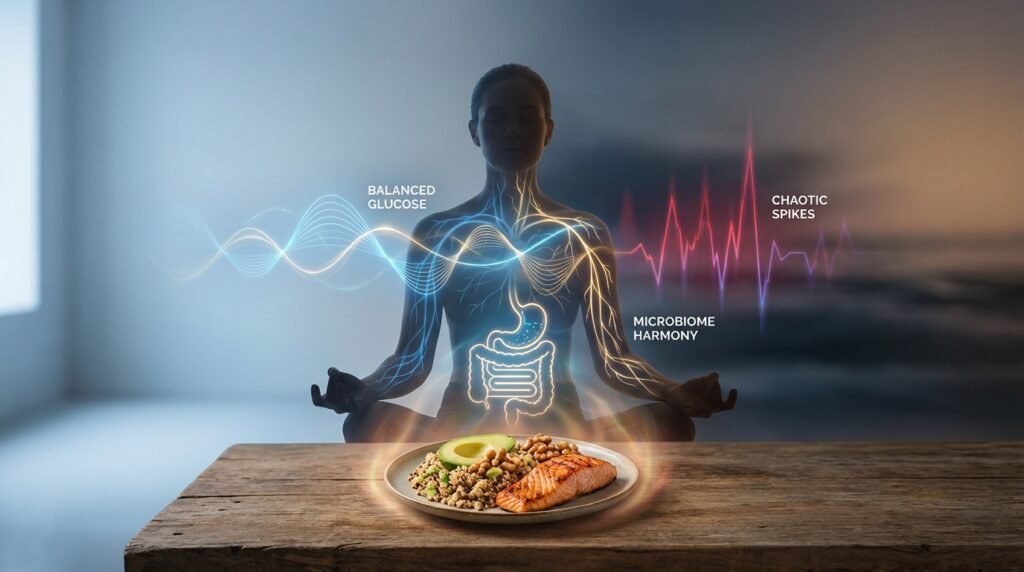
Carbs → fiber-rich alternatives (rice, pasta, flour swaps)
The goal isn’t fear of carbs. It’s control. Smart swaps often improve fiber and protein while maintaining satisfaction.
- White rice → cauliflower rice, lentil rice, or a 50/50 blend
- Refined pasta → chickpea pasta, lentil pasta, or whole-grain pasta
- White flour → oat flour, almond flour, or mixed flour systems
Fats → heart-healthy replacements (butter, oils, creams)
Nutritionists don’t eliminate fat; they upgrade fat quality. That means more olive oil and avocado oil, fewer processed oils, and smarter creamy textures.
- Butter → extra virgin olive oil (finishing) or avocado oil (higher-heat)
- Heavy cream → Greek yogurt, blended cottage cheese, or cashew cream
- Processed oils → cold-pressed oils used intentionally
Sugar → low-impact sweeteners (monk fruit, dates, allulose)
The issue isn’t sweetness; it’s unbuffered sweetness. Low-impact sweeteners can keep dessert “normal” while reducing the blood sugar rollercoaster.
- Monk fruit sweetener → clean sweetness with minimal glycemic impact
- Dates (whole or paste) → sweetness plus fiber and minerals
- Allulose → sugar-like taste with a lighter metabolic footprint
Dairy → gut-friendly substitutes
Many people don’t need to remove dairy—they need to change the form. Fermented and lactose-free options often reduce digestive friction while preserving protein.
- Milk → lactose-free milk or fortified plant milk
- Sour cream → Greek yogurt (thick, tangy, protein-rich)
- Cream cheese spreads → blended cottage cheese or tofu spreads
Protein → plant + lean upgrades
Protein upgrades reduce cravings before they appear. The most sustainable changes are often quiet: leaner choices, more legumes, and smarter blends.
- Fatty ground meat → lean meat blended with mushrooms
- Processed meats → beans, lentils, tofu, or tempeh
- Low-protein meals → add Greek yogurt, cottage cheese, or legumes
Healthy Ingredient Hacks That Upgrade Any Recipe Instantly
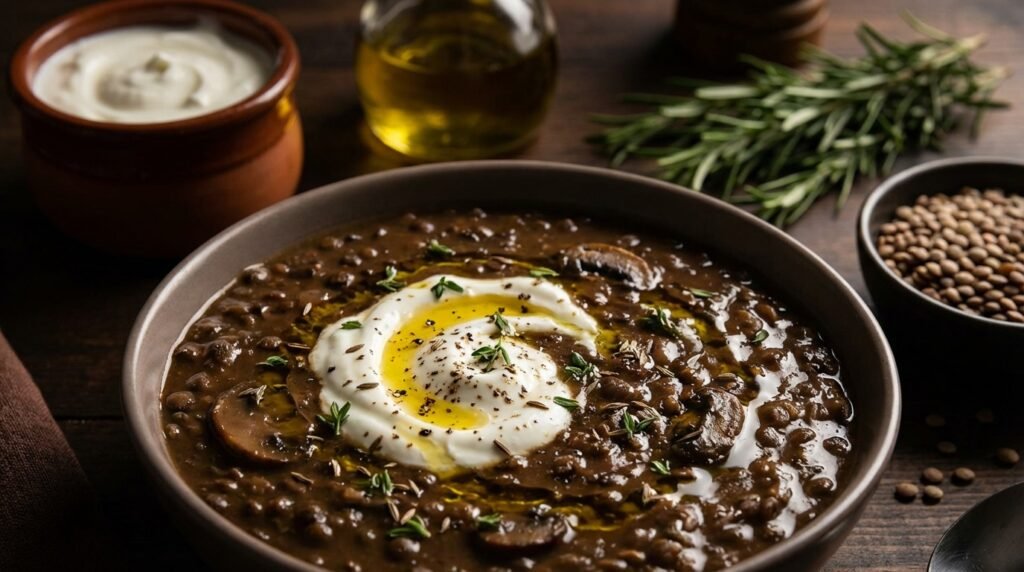
Flavor amplification without calories (spices, acids, umami)
Flavor is the shortcut to satisfaction. Acids (lemon, vinegar) sharpen perceived saltiness. Spices add sensory complexity. Umami (mushrooms, miso, tomato paste) gives depth—often reducing the need for extra sugar or fat.
Texture hacks that mimic indulgence
The brain eats texture first. Blend soups for creaminess, whip cottage cheese into dips, and use viscosity (thicker sauces) to increase satiety signals. Texture is the hidden lever that makes “healthy” feel complete.
Cooking-method swaps that change macros
How you cook changes outcomes. Roasting instead of frying, air-frying instead of deep-frying, and slow cooking for collagen-rich cuts can transform a meal without changing what you buy.
Internal linking prompt:
If you want a structured system for repeating these upgrades across your week, explore High-Protein & Functional Meals.
Common Ingredient Swap Mistakes (And Why They Fail)
The “health halo” trap
“Organic,” “keto,” and “gluten-free” are not automatic upgrades. Nutritionists look for ingredient list length, fiber-to-sugar ratio, and overall processing level. Marketing doesn’t digest—ingredients do.
Over-processing errors
Ultra-processed “healthy” foods can spike blood sugar, reduce satiety, and increase cravings. Whole-food swaps usually win the long game.
Taste sacrifice backlash
When swaps feel punitive, people rebound harder. This isn’t weakness—it’s predictable neurobiology. Protect taste and you protect consistency.
How to Use Ingredient Swaps for Long-Term Eating Success
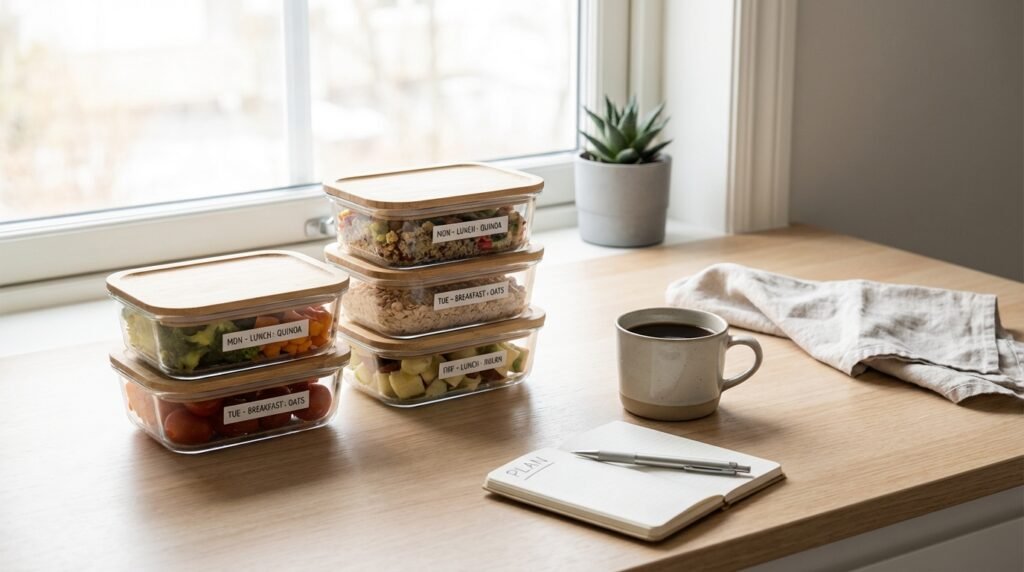
Habit stacking through substitution
Instead of adding rules, replace one variable: same recipe, better ingredient; same meal, upgraded component; same routine, smarter default. Low friction is the real secret.
Identity-based eating (“I’m someone who upgrades meals”)
The most durable shift isn’t nutritional—it’s psychological. When you become someone who upgrades meals instead of restricting them, healthy eating stops feeling like a battle and starts feeling like a skill.
FAQs
“Do healthy ingredient swaps actually work if I’m not trying to ‘diet’?”
Yes—and that’s the point. Smart swaps aren’t a punishment plan. They’re a repeatable upgrade system that improves nutrient density, glycemic load, and satiety while keeping taste intact.
“Why do some ‘healthy swaps’ make me hungrier?”
Usually it’s missing satiety signals: not enough protein, not enough fiber, or a texture that doesn’t feel satisfying. Over-processed “diet foods” can also spike cravings. Whole-food swaps and blended swaps tend to hold you better.
“What’s the easiest swap to start with if I’m overwhelmed?”
Start with one upgrade that doesn’t change your routine: swap refined pasta for a chickpea or lentil pasta, or replace sour cream with Greek yogurt. One small win builds momentum.
“Do I need special tools to do ingredient hacks?”
Not always, but a few basics make texture and cooking-method upgrades much easier—especially a good blender/immersion blender and an air fryer.
Products / Tools / Resources
The right tools make ingredient swaps feel automatic. Below are practical picks that support healthier cooking methods, better textures, and smarter pantry defaults.
Immersion Blender (Texture Hacks in Minutes)
Blend soups creamy without cream, whip cottage cheese into dips, and smooth sauces fast—this is the “make it feel indulgent” tool.
- Creamy soups without heavy cream
- Protein-rich dips and spreads
- Smooth sauces with better mouthfeel
Shop highly rated immersion blenders on Amazon
Air Fryer (Cooking-Method Upgrade)
Crispy results with less oil—perfect for cooking-method swaps that change macros without changing your shopping list.
- Crispy textures with less oil
- Fast weeknight cooking
- Better repeatability (habit stacking)
Browse best-selling air fryers on Amazon
Glass Meal Prep Containers (Habit Stacking Made Real)
If you want swaps to stick, you need defaults. Containers turn “I’ll do it tomorrow” into “it’s already done.”
- Portioning without guessing
- Grab-and-go upgraded meals
- Less decision fatigue
See top-rated glass meal prep containers on Amazon
Monk Fruit & Allulose (Low-Impact Sweet Swaps)
Keep sweetness without the same blood sugar chaos. Ideal for baking, coffee, and desserts that still feel like desserts.
- Sweetness with lower glycemic impact
- Better adherence (less rebound)
- Works across drinks and baking
Shop monk fruit sweetener on Amazon Shop allulose sweetener on Amazon
Extra Virgin Olive Oil & Avocado Oil (Fat Quality Upgrades)
Upgrading fat quality is one of the highest ROI swaps: better flavor, better cooking performance, and a cleaner default for everyday meals.
- Better “default fat” for daily cooking
- Great for dressings, roasting, and finishing
- Supports heart-healthy replacements
Shop cold-pressed olive oil on Amazon Shop 100% pure avocado oil on Amazon
Chickpea & Lentil Pasta (Fiber-Rich Carbs That Hold Up)
A simple carb swap that improves fiber and protein while keeping dinner recognizable—especially useful for habit stacking.
- More fiber and protein per serving
- Great for quick weeknight meals
- Pairs well with flavorful sauces
Shop chickpea pasta on Amazon Shop lentil pasta on Amazon
As an Amazon Associate, I earn from qualifying purchases.






2 Comments