
Family Nutrition & Kids Meals Isn’t a Willpower Problem—It’s a Systems Failure
Family Nutrition & Kids Meals don’t collapse because parents are lazy, careless, or uninformed. They collapse in households that are trying—harder than ever—while operating inside a broken system.
You buy the organic snacks because they promise peace.
You read labels in fluorescent grocery aisles.
You follow pediatric advice that sounds balanced, modern, reasonable.
And still—your kids graze. They pick. They reject real meals with theatrical disgust. Energy spikes turn into evening crashes. Vegetables become personal insults.
That tension isn’t accidental. It’s engineered.
What follows is the guilt spiral. Parents internalize the failure. They assume inconsistency. Weak boundaries. A lack of creativity. Meanwhile, something quieter—and far more permanent—takes shape beneath the surface: metabolic expectations form early, taste preferences calcify, and food shifts from nourishment into negotiation.
Here’s the uncomfortable inversion most experts won’t say out loud: kids don’t fail nutrition plans—nutrition plans fail kids.
They’re built on adult reasoning, outdated myths, and convenience-first compromises dressed up as balance. The result isn’t flexibility. It’s chaos with better branding.
This isn’t another recipe roundup. It isn’t a trick. It’s a structural reset—a clear-eyed explanation of how Family Nutrition & Kids Meals actually function in real households, with real stress, and how to rebuild them without turning dinner into a nightly referendum.


Why Kids Eat “Badly” Even in Well-Intentioned Homes
Children aren’t born craving ultra-processed food. That appetite is installed.
Slowly. Predictably. Repeatedly.
Modern food environments saturate kids with hyper-palatable inputs—precise combinations of sugar, salt, and fat designed to bypass natural satiety. When these foods appear daily, even labeled as “treats,” they quietly redefine what normal tastes like.
What most advice ignores is neurological reality: children’s brains are pattern-recognition machines. They don’t respond to lectures or charts. They respond to rhythm, repetition, and context.
When breakfast is rushed and carb-heavy, lunch is packaged, snacks appear on demand, and dinner is optional or negotiated, the lesson is clear: food is fragmented, emotional, and endlessly adjustable.
Parents often chase variety in the name of health. In practice, excess variety dissolves dietary anchors. When kids rotate through cereals, bars, smoothies, yogurts, and snack foods, they never establish a baseline for meals. Hunger loses clarity. Fullness becomes abstract.
Across recent child-nutrition research, one conclusion keeps surfacing: structure outperforms novelty. Kids eat better—not when offered more choices—but when meals follow predictable timing, stable composition, and repeated exposure to the same whole foods.
That’s why families who appear to “do less” often see better outcomes.
Fewer snacks.
Fewer substitutions.
Fewer negotiations.
The paradox holds: simplicity builds security, and security lowers resistance.

The Old Rules vs. What Actually Works (Expert Reality Check)
Most families aren’t failing—they’re following rules that sound humane but quietly sabotage Family Nutrition & Kids Meals.
Here’s the contrast experts see immediately.
| Old Way / Common Myths | The New / Expert Way |
|---|---|
| Kids need constant snacks to avoid hunger | Defined meals retrain hunger cues and appetite regulation |
| Variety at every meal prevents picky eating | Repetition builds familiarity and lowers anxiety |
| Hide vegetables to “trick” kids | Visible, normalized foods reduce long-term resistance |
| One meal must please everyone | Parents decide what; kids decide how much |
| Healthy food must be fun and creative | Neutral presentation builds trust |
The constant-snacking myth does the most damage. Grazing keeps insulin elevated and blunts hunger. When kids arrive at meals half-full, they reject protein and vegetables—not from defiance, but because their biology sees no urgency.
The expert shift feels strict, but it’s corrective: remove food access between meals. Not as punishment. As training. Within days, appetite sharpens. Meals regain gravity.
Another underused lever is parental neutrality. Emotional investment—praise, pressure, bribery—turns eating into performance. Calm authority ends the power struggle before it begins.
Kids don’t need food to entertain them.
They need it to be dependable.

Building Family Nutrition & Kids Meals That Hold Up Under Real Life
Let’s step out of theory.
A durable family nutrition system rests on three pillars: timing, composition, and modeling. Ignore one, and friction leaks in everywhere.
Timing
Timing means fixed meals. Breakfast. Lunch. Dinner. One optional, planned snack for younger kids. No grazing. No open pantry. Hunger is allowed. It’s not an emergency.
Composition
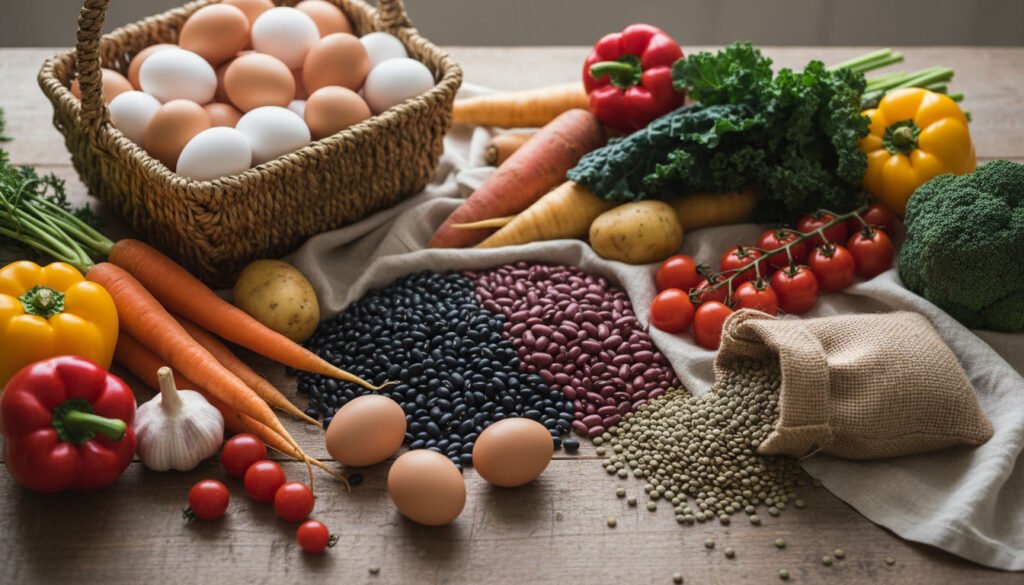
Composition means meals have a clear anchor: protein first, then fiber-rich carbohydrates, then fats. This stabilizes blood sugar and mood. Children who eat protein early show improved focus and fewer meltdowns—a finding echoed consistently in pediatric nutrition research.
- Eggs
- Yogurt
- Beans
- Lentils
- Chicken
- Fish
Not just toast, cereal, or fruit.
Fruit isn’t breakfast. It’s support.
Modeling
Modeling is the multiplier nobody escapes. Kids eat what they see normalized. If adults snack constantly, skip meals, or moralize food as “cheat” or “bad,” kids absorb the instability.
One quietly powerful tactic: serve one base meal to everyone, with optional add-ons.
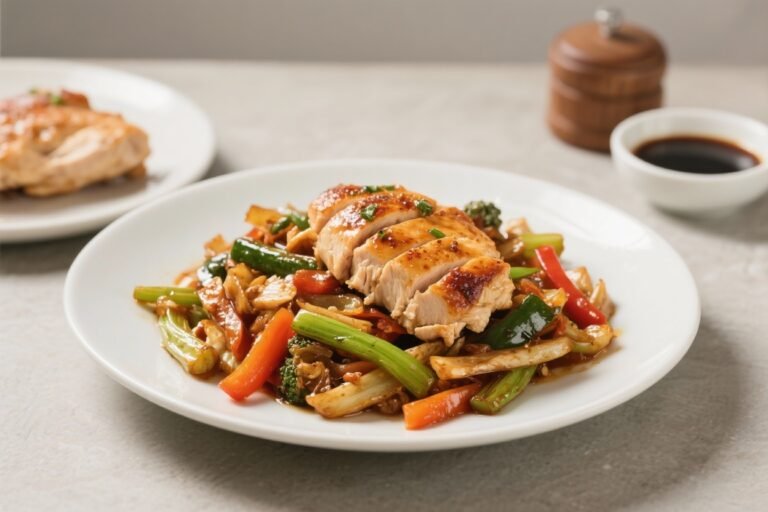
- Chicken, rice, vegetables for all
- Kids add sauce or fruit
- Adults add spice or greens
Same meal. Different autonomy.
Short-order cooking disappears. Resistance fades. Boundaries stop shifting—and kids stop testing them.
The Emotional Layer Nobody Talks About (But Controls Everything)
Food is never just food inside a family.
It’s comfort.
Control.
Compensation for time guilt.
And kids feel every unspoken layer.
When parents are stretched thin, food becomes the fastest regulator. Snacks to avoid conflict. Desserts to soften discipline. Screens paired with meals to buy quiet.
This isn’t a moral failure. It’s neurological conditioning. Kids learn to associate eating with emotional regulation, not nourishment. And that pattern doesn’t fade—it scales.
That’s why experts increasingly emphasize emotional neutrality around food. Not coldness. Stability. Meals happen regardless of mood. Food isn’t earned or withheld. It simply exists, predictably.
Here’s the counterintuitive truth: kids relax when rules are firm. Ambiguity creates anxiety. Consistency creates safety.
“Gentle” approaches fail when they slide into permissiveness. Gentle leadership is calm, clear, and non-reactive.
Family Nutrition & Kids Meals succeed when adults stop negotiating—and start leading.
Frequently Asked Questions
What is the biggest mistake parents make with Family Nutrition & Kids Meals?
Over-snacking. It disrupts hunger signals and undermines meals more than sugar or picky eating.
How long does it take for kids to adjust to structured meals?
Most children recalibrate appetite within 5–10 days once snacks are reduced and meals are consistent.
Should kids be forced to eat vegetables?
No. Serve them consistently without pressure. Repeated exposure—not force—drives acceptance.
Your Next Move (Do This Today)
Tonight, lock in fixed meal times for the next three days.
Remove unplanned snacks.
Serve one calm, protein-centered dinner without commentary.
No negotiations.
No praising bites.
Just presence and consistency.
You don’t need new recipes.
You need a system that holds.
Start there.




One Comment