

Healthy Desserts for Mindful Eating: Enjoy Sweets Without Losing Control
There’s a quiet moment most people don’t talk about. It happens after dinner, when the day finally slows down. You’re not hungry—not really—but something sweet starts calling your name. Not loudly. Just enough to be noticed.
And immediately, the internal negotiation begins: Should I? Did I already eat too much today? Will this undo everything?
Truth: Dessert isn’t a moral test. It’s a design problem—habits, environment, and psychology. You can enjoy desserts and eat mindfully at the same time when indulgence is structured for control, not chaos.
Table of Contents
- Why mindful eating changes how desserts affect your body and brain
- What makes a dessert “healthy” without killing pleasure
- Healthy desserts and indulgences recipes for mindful eating (curated core set)
- The psychology of guilt-free indulgence
- Tools, techniques, and kitchen systems that support mindful desserts
- How to use healthy desserts to stay consistent long-term
- FAQs
- Products / Tools / Resources
Why Mindful Eating Changes How Desserts Affect Your Body and Brain
Dessert doesn’t sabotage progress on its own. What sabotages progress is the context in which dessert is eaten—rushed, hidden, guilt-soaked, or reactive. Mindful eating shifts that context. When the context changes, the outcome changes.
The difference between restriction and regulation
Restriction says, “I can’t have this.” Regulation says, “I can have this—deliberately.” Restriction makes dessert feel rare and urgent. Regulation makes it feel contained and complete.
Mindful Control Checklist
- You choose the portion before the first bite.
- You sit down (no standing, no scrolling).
- You taste it fully—slow enough to register satisfaction.
How mindful desserts reduce binge–reward loops
Binges don’t start with hunger. They start with unfinished reward. When you eat dessert quickly, distracted, or with guilt, your brain doesn’t register closure. It keeps asking for “more” because the experience never ended cleanly.
The neuroscience of satisfaction vs. overconsumption
Satisfaction is not volume. It’s sensory clarity: texture, richness, temperature contrast, aroma, and pacing. Ultra-processed sweets often hit fast and loud—then leave you chasing the feeling. Mindful desserts are designed to land, linger, and finish.
If you’re building a weekly routine, pair this with your meal-prep system (see: clean and simple meal prep recipes) so dessert fits your plan instead of hijacking it.
What Makes a Dessert “Healthy” Without Killing Pleasure
A healthy dessert doesn’t remove pleasure. It removes the aftermath—the crash, the cravings, the “why did I do that?” spiral. That’s the real win.

Blood sugar stability vs. sugar elimination
You don’t have to eliminate sugar to eat mindfully. You need to control the speed and context of sugar. Pairing sweetness with fat, fiber, or protein slows digestion and smooths the rise-and-fall that fuels rebound cravings.
Fat–fiber–protein balance in indulgent recipes
The most “in-control” desserts are built on a trio:
- Fat for satiety and mouthfeel
- Fiber for glucose moderation
- Protein for staying power and reduced rebound hunger
Ingredient swaps that preserve mouthfeel and dopamine
Pleasure isn’t sugar alone. It’s creaminess. It’s contrast. It’s aroma and texture. Swaps like Greek yogurt, nut butters, dark chocolate, chia, fruit purées, and cinnamon keep the experience indulgent while protecting stability.
Quick rule: If your dessert tastes “thin,” you’ll keep chasing it. Add richness (fat), structure (fiber), or grounding (protein) so your brain recognizes completion.
Healthy Desserts and Indulgences Recipes for Mindful Eating (Curated Core Set)
Not all desserts are created equal. Some satisfy fast. Others keep calling your name. The categories below are designed for completion—not escalation.

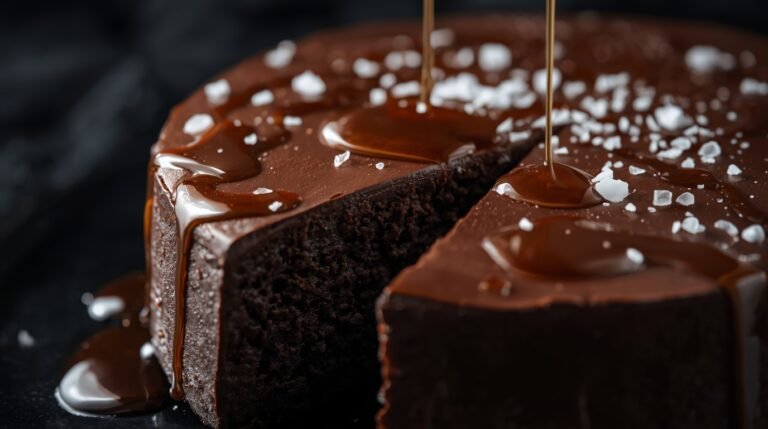
Chocolate-forward desserts that satisfy fast
- Dark chocolate avocado mousse (rich, slow, satisfying)
- Cocoa protein truffles (portionable, grab-and-finish)
- Chocolate chia pudding (texture + fiber = closure)
Creamy desserts without refined sugar spikes
- Greek yogurt parfait with berries and seeds
- Ricotta with honey and citrus zest
- Frozen banana “nice cream” finished with nut butter
Baked indulgences that rewire portion control
- Almond-flour brownies cut into small squares
- Oat muffins sweetened with fruit
- Mini baked desserts in ramekins (built-in stopping point)
If your goal is steady protein and fewer cravings, stack these with high-protein and functional recipes for a stronger cue–routine–reward loop.
The Psychology of Guilt-Free Indulgence
Guilt doesn’t prevent overeating. It amplifies it. When dessert becomes “bad,” it becomes mentally unfinished—something your brain keeps revisiting.

Why guilt amplifies cravings
Guilt keeps your brain on alert. It turns eating into surveillance. Surveillance creates tension. Tension keeps the loop open. When guilt is removed, the experience can end cleanly—and clean endings don’t come back demanding attention.
Identity-based eating vs. willpower-based eating
Willpower says: “I’m trying to be good.” Identity says: “This is how I eat.” When mindful indulgence is part of your identity, desserts stop feeling like exceptions—and exceptions are what break habits.
Ritualized dessert consumption as a behavioral anchor
Same bowl. Same seat. Same time. Ritual removes negotiation and reduces decision fatigue. It’s not “strict.” It’s stabilizing.
Micro-Ritual (30 seconds)
- Plate the dessert before you sit down.
- Take one slow breath.
- Eat the first bite without distraction.
Tools, Techniques, and Kitchen Systems That Support Mindful Desserts
You don’t need more motivation. You need fewer decisions. The right tools aren’t about controlling you—they’re about removing friction so control becomes automatic.
Portion-visualization tools
- Small ceramic bowls or ramekins
- Pre-cut portions (brownies, bars, squares)
- Single-serve jars that signal “one and done”
Prep-once indulgence systems
Batch-prep desserts that are already portioned. This removes negotiation in the exact moment willpower is lowest. You’re not relying on discipline—you’re relying on design.
Environment design (plates, bowls, timing cues)
Dessert eaten standing up, scrolling, half-aware feels endless. Dessert eaten seated, undistracted, and intentional feels complete. Context is the control lever.

How to Use Healthy Desserts to Stay Consistent Long-Term
Desserts aren’t a reward for discipline. They’re a tool that protects discipline—by preventing rebellion, reducing deprivation, and keeping your plan livable.
Dessert as a compliance tool, not a reward
If dessert is a reward, you’re implying deprivation first. If dessert is part of the system, there’s nothing to rebel against. Consistency improves when nothing feels forbidden.
Weekly indulgence frameworks
Some people thrive on small daily indulgences. Others prefer a planned weekly treat. The best framework is the one that creates the least internal friction and keeps you steady.
When mindful desserts outperform “clean eating”
Rigid rules collapse under real life. Mindful indulgence adapts. It absorbs stress, social events, and fatigue without derailing habits—often outperforming perfectionism over the long run.
Practical target: Choose desserts that feel indulgent at small portions. You’re not trying to eat “less.” You’re trying to feel finished sooner.
FAQs (The Questions You’re Already Asking Yourself)
Can I really eat dessert every day and still eat mindfully?
Yes—if dessert is intentional, portioned, and designed to leave you satisfied instead of restless. Mindful eating is about regulation, not denial.
Why do “healthy” desserts sometimes make me want more?
Usually because they’re missing fat, texture, or sensory depth. Sweetness alone doesn’t signal completion—richness and structure do.
Is sugar always the problem?
Not always. Speed and isolation are bigger issues. Sugar paired with balance (fat/fiber/protein) behaves very differently than sugar eaten fast and alone.
Products / Tools / Resources
If mindful desserts are going to support your habits (instead of hijacking them), these are the tools that reduce friction and make “in-control” feel effortless.
1) Small Ceramic Ramekins (Portion + Ritual)
The easiest way to reduce overeating is to make portions visually “complete.” Ramekins create a natural stopping point—no mental math required.
- Built-in portion control
- Perfect for mousse, baked treats, and yogurt bowls
- Creates a consistent mindful-eating ritual
Shop Small Ceramic Ramekins on Amazon
2) Glass Storage Jars (Prep-Once, Decide-Once)
Portion jars turn dessert into a planned behavior. You’re not negotiating at night—you’re just grabbing what you already designed.
- Great for chia pudding, yogurt parfaits, overnight dessert bowls
- Visible portions reduce “just a little more” behavior
- Supports consistency during busy weeks
Shop Glass Storage Jars on Amazon
3) High-Quality Dark Chocolate (Fast Satisfaction)
Dark chocolate delivers deeper flavor in smaller amounts—exactly what you want when you’re building mindful indulgence.
- Stronger cocoa flavor helps you feel “done” sooner
- Pairs well with yogurt, fruit, nuts, and mousse
- Ideal for portioned squares and controlled treats
4) Silicone Muffin Molds (Built-In Portions)
Baking in single portions turns “one more slice” into “one complete serving.” This is portion control without stress.
- Perfect for oat muffins and mini baked desserts
- Easy release, easy cleanup
- Supports batch prep for the week
Shop Silicone Muffin Molds on Amazon
5) Blender or Food Processor (Creamy Texture = Closure)
Creamy texture slows eating and increases satisfaction. If you make mousse, “nice cream,” or thick pudding bowls, this is the workhorse.
- Creates thick, indulgent textures without heavy sugar
- Great for banana blends, nut butter mixes, and dessert bases
- Supports prep-once dessert systems
Shop Blenders & Food Processors on Amazon
Disclosure: As an Amazon Associate, I earn from qualifying purchases.





2 Comments