

Ingredient Swaps Using Wearables & CGM Data for Stable Blood Sugar
There’s a quiet moment that happens the first time someone sees their blood sugar rise in real time. Not in a textbook. Not as a warning label. On a screen—right after a meal they thought was “healthy.”
That moment changes how food feels. Because suddenly, eating isn’t abstract anymore. It’s responsive. Personal. Almost conversational. Your body reacts, and the data answers back. Wearables and continuous glucose monitors (CGMs) don’t just track numbers—they reveal patterns you can’t unsee. And once you start eating with that feedback, guesswork stops making sense.
Quick promise:
This guide shows you how to use glucose + wearable data to make smarter ingredient swaps—not based on calories, trends, or food labels, but on how your body actually responds.
Table of Contents
- Why Generic Nutrition Advice Is Failing Modern Bodies
- What Wearables & CGMs Actually Measure (And Why It Matters)
- Ingredient Swaps Based on Glucose Response (Not Calories)
- Personalized Swap Matrix (By Goal)
- Tools That Make This Scalable at Home
- How to Turn Your Data Into a Repeatable Eating System
- FAQ
- Products / Tools / Resources
Why Generic Nutrition Advice Is Failing Modern Bodies

The Blood-Sugar Blind Spot in Traditional Diets
Most nutrition advice is frozen in time: calories in, calories out. Good foods, bad foods. Eat this, avoid that. But blood sugar doesn’t care about labels. It reacts to sleep you didn’t get, stress you brushed off, and the workout you skipped—or pushed too hard.
When blood sugar isn’t considered, energy dips feel random, cravings feel personal, and progress stalls without explanation. The problem isn’t motivation. It’s missing feedback.
Why Two People Eat the Same Food and Get Opposite Results
Two people can eat the same meal and get two different glucose curves. Same food. Different outcome. That gap often lives in insulin sensitivity, muscle mass, stress hormones, sleep debt, and timing. CGMs don’t argue with theory. They show you what happened.
What Wearables & CGMs Actually Measure (And Why It Matters)

Real-Time Glucose Variability, Explained Simply
A single glucose number doesn’t tell the full story. What matters is the shape of the response: how fast it rises, how high it goes, and how long it takes to settle back down. Those curves often map to how you feel—steady energy versus a spike-and-crash rollercoaster.
Heart Rate, Sleep, Stress, and Glucose Interplay
Glucose doesn’t operate alone. Wearables add the context most diets ignore: poor sleep can amplify spikes, chronic stress can raise glucose even without food, and elevated resting heart rate can hint at reduced tolerance before you notice symptoms.
Mini checklist (data without obsession):
- Look for patterns over 7–14 days, not perfection day-to-day.
- Compare meals only when sleep/stress/activity are roughly similar.
- Track what matters: spikes, duration, and how you feel afterward.
Ingredient Swaps Based on Glucose Response (Not Calories)

High-Spike Foods → Low-Impact Alternatives
Most people don’t need to eliminate foods—they need to rebuild them. Liquid carbs often spike faster than solid ones. Refined grains behave differently than intact starches. Small changes in texture, pairing, and structure can reshape the curve.
Fast swap ideas (glucose-friendly direction):
- Sweet cereal breakfast → Greek yogurt + berries + chopped nuts
- White bread sandwich → whole-food wrap + protein + crunchy veg
- Juice/smoothie-only meal → solid snack plate (fruit + protein + fat)
- Cookies/candy → dark chocolate + nuts (portion-controlled)
Carb Quality vs Carb Quantity
Carbs aren’t the enemy—structure is the lever. Two meals with the same carb count can produce very different glucose responses depending on fiber, processing, and cooking method. Intact foods slow things down. Broken-down foods rush the system.
Fiber, Fat, and Protein Sequencing Effects
Order matters. Eating protein or fiber first often softens the glucose rise that follows carbs. The same ingredients—eaten in a different sequence—can tell a very different metabolic story.
Personalized Swap Matrix (By Goal)

Fat Loss & Metabolic Flexibility
For fat loss, stability beats intensity. Flattening spikes can reduce rebound hunger and keep energy usable. Small swaps repeated consistently outperform extreme plans.
Energy Stability & Focus
Mental clarity thrives on predictability. Wide glucose swings can hijack focus. Meals that digest slowly and land gently often support longer attention spans and fewer afternoon crashes.
Longevity & Insulin Sensitivity
Over time, it’s the pattern that matters: lower variability, faster recovery, and less time spent high. Ingredient swaps aimed at these outcomes compound quietly.
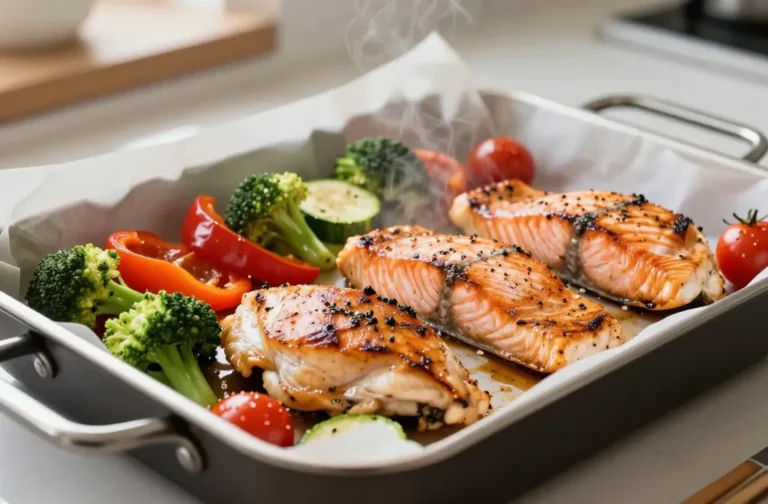
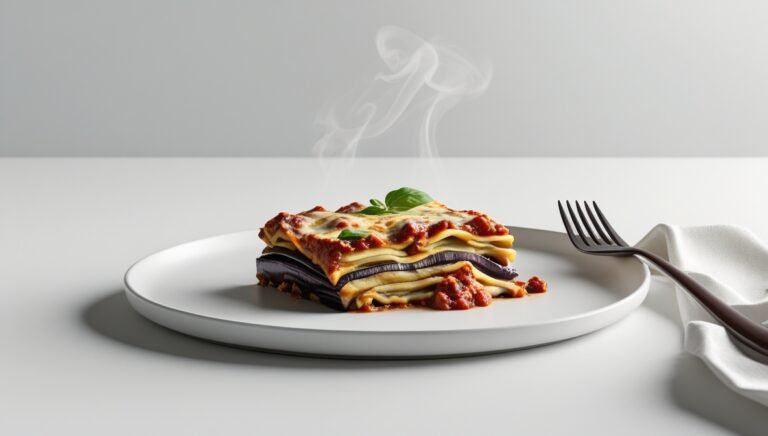
Smarter Cooking Without Sacrifice
Ingredient Hacks for Night Shift Workers & Nurse
Tools That Make This Scalable at Home

Wearables, CGMs, and Tracking Workflows
Data only helps if it stays usable. The most effective approach is light-touch: pair glucose with sleep and activity, track meals simply, and review patterns weekly. You’re learning a language—not policing behavior.
Meal Prep Systems & Smart Kitchen Gear
Consistency loves convenience. When the ingredients that work best are easy to prep, store, and repeat, good decisions become the default.
Recommended meal-prep gear (makes glucose-friendly eating easier):
1) Glass Meal Prep Containers (leakproof, portion-friendly)
Helps you repeat the meals that give stable glucose curves—without relying on willpower at 7pm. Check top-rated glass meal prep containers on Amazon
2) Food Kitchen Scale (portion awareness without obsessing)
Useful for learning what “normal” looks like—so you can match portions to your CGM response. See accurate digital food scales on Amazon
3) Bento Snack Boxes (protein + fiber “anti-spike” plates)
Makes it easy to build solid snack plates (instead of liquid carbs) that tend to spike less. Browse bento-style snack boxes on Amazon
4) Insulated Water Bottle (hydration support for steady energy)
Simple, but underrated—hydration can support appetite regulation and training consistency. Shop insulated water bottles on Amazon
How to Turn Your Data Into a Repeatable Eating System

Weekly Review Loops
Once a week, step back and look for repeatable patterns: meals that feel calm and sustaining, meals that reliably spike, and what sleep, stress, or training looked like around them. Patterns show up faster than you expect.
Reducing Decision Fatigue With Automation
When you know your reliable ingredient swaps, remove friction: repeat grocery lists, template meals, and familiar prep rhythms. Less deciding. More consistency.
Internal linking prompt (for your editorial workflow):
Link out from phrases like “glucose-friendly snacks”, “meal prep containers”, and “high-fiber pantry staples” to your related category posts and pillar guides to strengthen topical authority.
FAQ
Do CGMs work if you’re not diabetic?
For many people, yes—as a feedback tool. A CGM can reveal glucose variability and response patterns, helping you understand which ingredient swaps support steadier energy and fewer spikes.
How long before patterns emerge?
Most people notice repeatable patterns within 7–14 days if meal timing and routine are reasonably consistent. You’re looking for trends, not perfection.
Products / Tools / Resources
If you want to make this approach practical (and not stressful), these are the categories that usually move the needle:
- CGM and glucose tracking resources (for short-term insight into your glucose response patterns) — Browse CGM-related accessories on Amazon
- Meal prep containers and organizers (repeat the meals that work) — See meal prep container options on Amazon
- Food scale (learn portions without obsession) — Shop food scales on Amazon
- Bento boxes / snack containers (build protein + fiber snack plates) — Explore bento boxes on Amazon
As an Amazon Associate, I earn from qualifying purchases.




One Comment