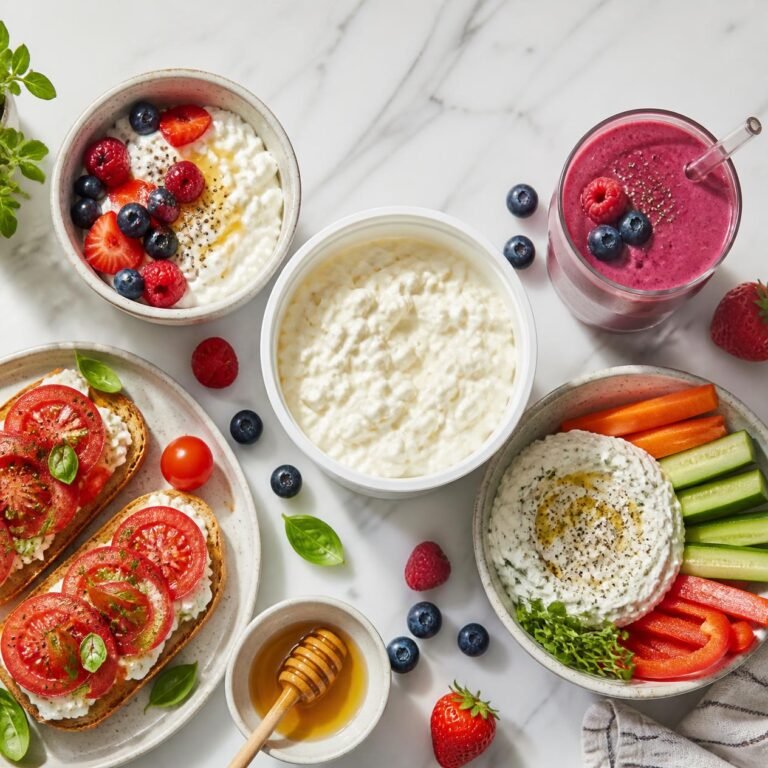
Why Functional Protein Meals Change Who You Become
Most people don’t struggle with food because they lack knowledge. They struggle because their daily meals clash with who they think they are.
They know protein matters. They know consistency wins. They know the rules.
Then life hits. Meetings run late. Stress creeps in. Energy drops. Everything falls apart.
That isn’t laziness. That’s design failure. Functional protein meals work when they stop acting like “healthy choices” and start acting like defaults—behaviors your brain runs automatically, without debate, effort, or grit.
Table of Contents
- Why Identity Beats Information Every Time
- Why Protein Meals Actually Stick (And Others Don’t)
- The Built-In Reward Most Foods Can’t Compete With
- Why “Eat Healthy” Advice Fails When Life Gets Messy
- The Brain Runs Scripts, Not Decisions
- How to Eat Well Without Thinking About It
- When Protein Becomes an Identity Anchor
- Why Intensity Backfires Long Term
- The Nervous System Piece Most People Miss
- Meals as Agreements With Your Future Self
- What “Functional” Really Means in Real Life
- The Hidden Cost of No Defaults
- What the Real Payoff Looks Like
- Build the Autopilot First
- Products / Tools / Resources
Why Identity Beats Information Every Time
Most diet plans assume knowledge changes behavior. It doesn’t. Identity does.
Here’s the hard truth many plans avoid: if a meal requires willpower to choose, it won’t last. Willpower drains fast. Stress wipes it out first.
Functional protein meals succeed when they stop being something you try to eat and become something you are the type of person who eats. No hype. No pep talks. Just automatic behavior.
Why Protein Meals Actually Stick (And Others Don’t)
Protein doesn’t work because it’s trendy. It works because it fits how the brain builds habits. If you want a bigger picture view of how protein supports energy, muscle, and longevity, start with High-Protein and Functional Recipes for Energy, Muscle, and Longevity.
Every habit follows the same loop:
Cue → Routine → Reward
Most diets fixate on the routine—what to eat. They forget the reward—why the brain should care. That mistake kills consistency.
The Built-In Reward Most Foods Can’t Compete With
A properly designed protein meal delivers signals your brain values. Not someday. Today.
- Steady energy, not roller-coaster crashes
- A quieter appetite, not constant hunger chatter
- Fewer late cravings
- A calmer mood
This isn’t a “feel good” story. This is dopamine learning—dopamine is the reward chemical that helps your brain repeat what works. When the payoff stays consistent, your brain stops hunting for novelty and reinforces the pattern instead.
Friction drops. Starting feels easy. At that point, discipline becomes irrelevant.

Why “Eat Healthy” Advice Fails When Life Gets Messy
Most plans work only in perfect conditions: plenty of time, plenty of sleep, plenty of motivation. Real life doesn’t offer that.
When pressure rises, the brain grabs the option that costs the least effort. That’s where functional protein meals quietly win. If your schedule stays intense, you’ll get more traction with High-Protein Functional Recipes for Busy Professionals Under Pressure, because it focuses on repeatable wins when the day isn’t kind.
The Brain Runs Scripts, Not Decisions
People don’t choose all day long. They run scripts.
A default script is something the brain executes fast because it feels familiar, predictable, safe, and satisfying. Ultra-processed foods dominate not just because they taste good, but because they deliver the same result every time.
Functional protein meals must compete at that level. Not with excitement. With reliability.
How to Eat Well Without Thinking About It
The winning move feels simple. It also feels strange at first:
Stop trying to eat better. Start building meals you eat by default.
Fewer choices win
Too many options kill follow-through. A small rotation beats endless variety. Build 3–5 “go-to” meals and run them until they feel normal.
Predictable outcomes matter
If a meal reliably delivers steady energy and no crash, your brain trusts it. Trust removes friction. Friction is the silent killer.
Taste still counts
Bland food signals deprivation. Deprivation triggers rebellion. Use simple upgrades: herbs, citrus, garlic, yogurt sauces, crunchy toppings, and heat (spices) to keep satisfaction high without chaos.
Stable blood sugar reduces chaos
Energy swings create urgency. Urgency drives fast, impulsive decisions. Pair protein with fiber-rich plants and healthy fats to smooth the ride.
Practical shortcut
If you want functional meals to become automatic, pick one “base” protein you can repeat (eggs, chicken, Greek yogurt, tofu, beans, tuna) and one “anchor” side you’ll keep stocked (frozen veggies, salad kits, microwave rice, oats). Same setup. Different flavors.
When Protein Becomes an Identity Anchor
When a behavior repeats without friction, it stops being an action and starts being a trait. Quiet change. No drama.
- “This is how I eat.”
- “This is how my day starts.”
- “This is normal for me.”
Skipping it feels wrong—not impressive, not rebellious—just off. That’s the target.
Why Intensity Backfires Long Term
Extreme plans feel serious. They feel productive. They rarely last.
Intensity creates identity conflict. Defaults create identity alignment. The brain doesn’t ask, “Is this optimal?” It asks, “Can I repeat this safely?”
Functional protein meals pass that test. They don’t demand hero energy. They work with ordinary energy.
The Nervous System Piece Most People Miss
Your nervous system predicts stress all day long. Chaotic food choices keep it on edge. That shows up as cravings, a short temper, decision fatigue, and night snacking.
Protein-forward meals that stabilize energy also reduce perceived threat. Fewer internal alarms. More calm.
If you’re focused on staying strong as you age, protein also supports muscle maintenance, which matters for independence and long-term metabolic health. For a deeper dive, see High-Protein Recipes for Active Aging and Longevity: The Sarcopenia Solution.

Meals as Agreements With Your Future Self
Every default you build helps or hurts the person you’ll be tomorrow.
A functional protein meal quietly says: tomorrow starts steady, energy stays level, decisions feel lighter. That isn’t nutrition theory. That’s leverage.
Your future self doesn’t need motivation. They need fewer problems.
What “Functional” Really Means in Real Life
This isn’t about perfection. It’s about repeatability.
- Fast to make
- Easy to remember
- Easy to repeat
- Hard to mess up
If it needs tracking apps, constant planning, or mental strain, it isn’t functional yet. The best meals feel boring in the right way. They work on bad days.
The Hidden Cost of No Defaults
Every day without defaults is a day spent arguing with yourself. That argument steals energy from work, creativity, relationships, and progress.
Functional protein meals don’t just support health. They return mental space. That return compounds.

What the Real Payoff Looks Like
The payoff isn’t six-pack abs. Those are side effects.
- Fewer daily decisions
- Fewer energy crashes
- Fewer moments of regret
- More consistency without effort
That kind of return changes direction fast.
Build the Autopilot First
Stop asking how motivated you feel. Ask what runs when you’re tired.
Lasting change comes from ordinary defaults repeated quietly. A high-protein functional meal isn’t just food. It’s infrastructure. Infrastructure beats intention every time.
The next move isn’t a new plan. It’s choosing one protein-forward default you can run tomorrow—without thinking—and letting identity handle the rest.
Products / Tools / Resources
These are simple tools that reduce friction and make functional protein meals easier to repeat. Keep it practical. Keep it boring. That’s the point.
Meal prep containers (portion consistency without overthinking)
When your containers match your routine, your brain stops debating. You grab, you go, you eat.
Browse meal prep containers on Amazon
Digital kitchen scale (repeatable protein portions, less guesswork)
You don’t need to track forever. You do need consistency long enough to build the default.
Browse digital kitchen scales on Amazon
Air fryer (fast, predictable protein cooking)
Predictable cooking reduces “I don’t know what to make” moments. That alone saves dinners.
Slow cooker (hands-off batches for busy weeks)
Batch cooking turns “no time” into “already handled.” That’s how defaults survive pressure.
As an Amazon Associate, I earn from qualifying purchases.