

Why the Gut-Healthy Longevity Meal Framework Beats Diets
Table of Contents
Gut-Healthy Longevity Meal Framework gets framed like a competition. Live longer. Look younger. Optimize everything. Track it all.
And yet—this is the part that doesn’t sell well—the people who age best usually aren’t the ones white-knuckling their way through life with a food scale.
They’re calmer. More resilient. Less inflamed, in every sense of the word.
Which brings us to the gut. Again. Always the gut.
Not because it’s trendy (it was fashionable, briefly, around 2022–2023, then everyone moved on). But because the gut keeps showing up in the data, in the labs, and—honestly—in real life. Mine included.
There was a stretch not long ago—early 2025, winter dragging on—where everything felt harder than it should. My brain felt foggy, workouts felt heavier, and my mood was unpredictable. Nothing dramatic. Just off. Food hadn’t changed much, macros looked “fine,” but digestion was sluggish. Once meals shifted toward fiber first, variety second, and protein without obsession—things smoothed out. Not instantly. Gradually. Quietly.
That’s how longevity usually works.
Gut-Healthy Longevity Meal Framework Isn’t a Diet. It’s an Internal Climate.
Here’s the uncomfortable truth: aging accelerates when the body feels under threat. Inflammation rises. Repair slows. The nervous system stays slightly on edge, like a car idling too high.
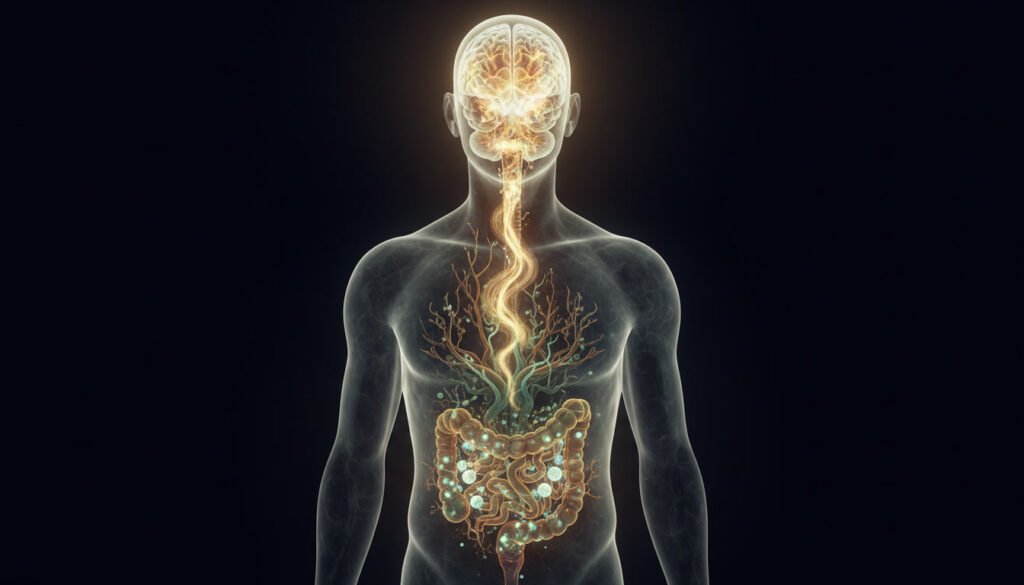
The gut plays a significant role in deciding whether the internal environment feels safe or chaotic.
Your microbiome influences immune tone, insulin sensitivity, neurotransmitter balance, and even how well you recover from stress. And the microbiome doesn’t care about trends. It responds to repetition, diversity, timing, and what actually reaches it undigested.
When you build meals around restriction, sameness, or hyper-optimization, you narrow your gut ecosystem. Narrow ecosystems break faster. That’s ecology 101. Forests, coral reefs, intestines—it’s all the same story.
Longevity meals, real ones, aim for stability over drama.
The Framework (Big Picture, Before We Get Lost in the Weeds)
This gut-healthy longevity framework rests on five pillars. They’re not flashy. That’s a feature, not a bug.
- Microbial diversity as a priority
- Fermentable fiber at every opportunity
- Protein used strategically (not aggressively)
- Polyphenols as daily signals
- Timing that respects biological rhythm
Miss one, the system still works—but not as well. Stack all five, and the body does what it’s wired to do: maintain.
Pillar One: Diversity Beats Discipline (Yes, Really)
Eating “clean” but eating the same foods every day is one of the fastest ways to narrow the microbiome. It feels virtuous. It’s not remarkably resilient.
The gut likes novelty within reason.
Different plant families. Different fibers. Different textures. Different weeks. It doesn’t mean chaos—it means rotation.
I once ate the same breakfast for six weeks straight because it was “perfect.” By week four, digestion slowed. By week six, mood dipped. Switched it up. Fixed within days. Lesson learned. Re-learned, honestly, because humans forget.
Longevity favors people who rotate.
Pillar Two: Fiber Isn’t Optional, and Not All Fiber Is Equal
People often discuss fiber as if it were a simple checkbox. Hit the number. Move on.
But the type of fiber matters more than the count.
Fermentable fibers feed microbes that produce short-chain fatty acids—especially butyrate, which quietly supports gut barrier integrity, reduces inflammation, and even affects brain health indirectly. It’s boring science. Which usually means it’s correct.
Legumes. Oats. Barley. Cooked-then-cooled starches. Onions, garlic, and leeks. Apples you actually chew.
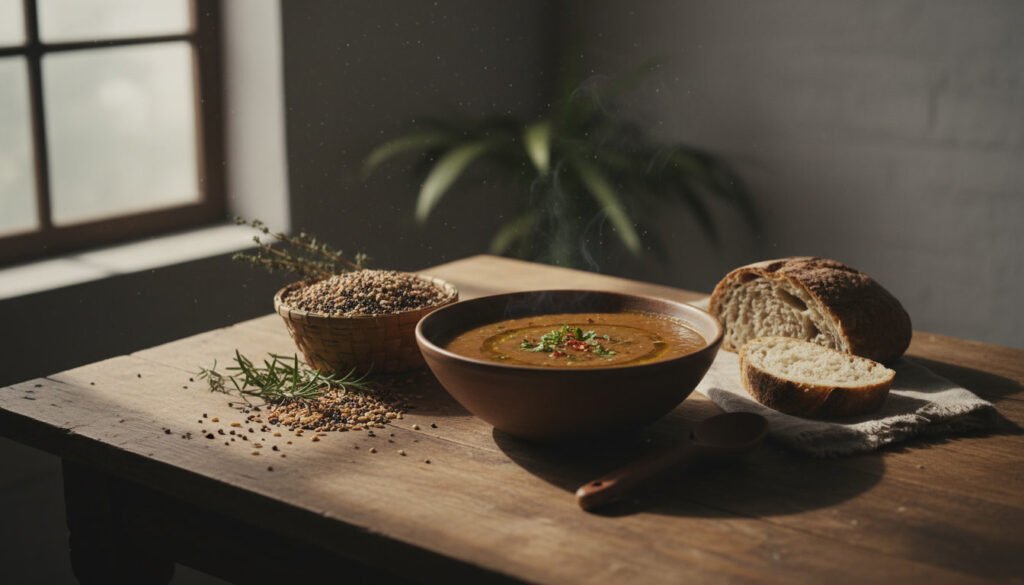
If longevity meals had a smell, it would be soup simmering. Fiber likes warmth and patience.
Pillar Three: Protein—Still Important, Just Not the Main Character
Protein supports muscle, repair, and neurotransmitter synthesis. No argument there.
But excess protein, especially without fiber, shifts gut metabolism toward less friendly byproducts. Putrefaction is a gross word, but it fits.
Longevity meals treat protein like a tool, not a trophy.
Rotate sources. Pair it with plants. Let some meals be lower protein without panic. The body adapts better than we give it credit for.
There’s a weird calm that comes from meals that don’t try to prove anything.
Pillar Four: Polyphenols—Quiet, Colorful, Consistent
Polyphenols are plant compounds that microbes transform into metabolites with outsized effects on aging pathways. Blood flow, oxidative stress, and neural signaling—all respond.
Berries. Olive oil. Tea. Cocoa. Herbs. Spices. Color, basically.
Nothing exotic. Nothing dramatic. Just daily signals that say, “Conditions are good.”
I read a review earlier this year—buried in a journal no one bookmarks—that basically concluded, again, that polyphenols matter. Still. Always. It felt anticlimactic. Which is how reliable science usually feels.

Pillar Five: Timing Matters More Than People Want to Admit
The microbiome has a circadian rhythm. So does insulin. So does cortisol. When meals arrive at random times, signaling gets messy.
Late dinners don’t always feel bad immediately. They linger. Sleep quality dips. Recovery slows. The next day feels heavier.
Longevity timing isn’t rigid. It’s rhythmic. Similar windows most days. Digestive rest. Earlier fiber, lighter evenings.
Boring. Effective.
The Meal Template (This Is Where It Gets Practical)
If frameworks make your eyes glaze over, this part won’t.
Build meals like this:
Start with fiber. Always.
Add a moderate protein anchor.
Layer color and polyphenols.
Choose fats that support signaling (olive oil does a lot of heavy lifting here).
Keep preparation simple.
That’s it. No math. No tracking. Just repetition.
Example Meals That Don’t Try Too Hard
Breakfast:
Steel-cut oats, berries, walnuts, flax, and cinnamon. Warm. Grounding. Predictable in a good way.
Lunch:
Lentil and vegetable soup, drizzled with olive oil, accompanied by herbs and possibly fermented vegetables on the side.
Dinner:
Fish or tofu, roasted roots, greens dressed. Nothing heroic.
Snacks, if needed:
Fruit with nuts. Yogurt with seeds. Leftovers that actually nourish instead of excite.
People overrate excitement in food. Stability isn’t.
What This Framework Intentionally Refuses to Do
It doesn’t chase hacks.
It doesn’t fear food groups.
It doesn’t rely on supplements to fix what meals can handle.
It avoids chronic restriction because restriction ages people faster—metabolically and psychologically. It avoids perfection because perfection collapses under stress.
Longevity needs flexibility. And forgiveness.
Why This Works (Even When Life Isn’t Calm)
This framework succeeds because it supports systems, not symptoms.
It reduces inflammatory noise.
It stabilizes energy.
It preserves cognitive function without trying to “boost” it.
And most importantly, it’s livable. Longevity fails when it becomes a burden. It doesn’t. It integrates.

Final Thought (More Like a Pause Than a Conclusion)
Every meal sends instructions.
Some tell the body to brace. Others ask it to repair.
Gut-healthy longevity meal framework send the quieter message—the one that says resources are available, threats are low, and maintenance can continue.
That message, repeated daily over the years, is how people age well without obsessing over it.
Not flashy.
Not viral.
But profoundly, stubbornly compelling.
And honestly? That’s the kind of system worth sticking with.
This is only the beginning.
What you eat today quietly shapes how you think, feel, and age tomorrow—and most people never see the full picture until it’s too late.




One Comment