
After-School Meals That Stop Cravings Before Dinner
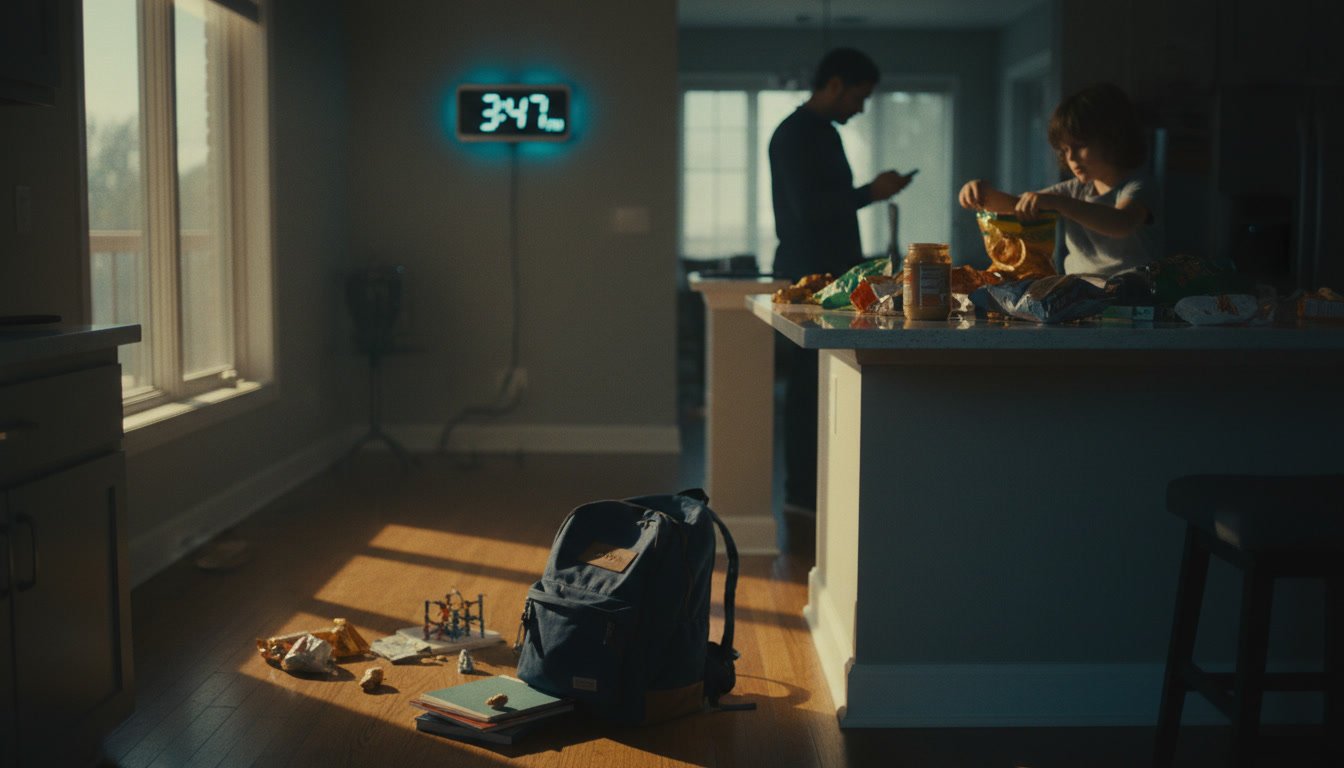
After-school meals are not a “nice-to-have.” They are a metabolic bridge between the most demanding part of the day and the evening routine. Get them wrong, and you’ll see the same pattern repeat itself: energy crashes, grazing, cravings, meltdowns, and dinner battles. Get them right, and evenings become calmer, more predictable, and nutritionally sound.
This guide lays out a Most Comprehensive, Authoritative, and Highly Recommended framework for after-school meals—built on macronutrient timing, ingredient strategy, and practical prep systems. No gimmicks. No food fads. Just evidence-aligned nutrition applied in a way real households can sustain.
Pro Tip: If your household struggles with the “3–5 PM chaos window,” don’t try to fix everything at once. Start by improving protein availability and timing. That single shift often reduces cravings and dinner battles within days.
If you want a bigger system that parents can actually stick to, see meals busy parents stick to for a routine-first approach.
Table of Contents
- Why After-School Nutrition Matters More Than Most People Think
- Macronutrient Timing: The Foundation of Smart After-School Meals
- Protein Comes First (Always)
- Carbohydrates: Timing and Type Matter
- Fat: Supportive, Not Dominant
- Ingredient Swaps That Instantly Upgrade Nutrition
- The After-School Plate Formula
- Prep Strategies That Remove Daily Friction
- How After-School Meals Support Better Dinners
- Special Considerations for Active Days
- What to Avoid (Even When They’re Marketed as “Healthy”)
- Building Long-Term Consistency
- Recommended Products (Meal Prep + Snack Systems)
Why After-School Meal Matters More Than Most People Think
Between mid-afternoon and dinner, the body is in a uniquely sensitive state. Glycogen stores are partially depleted. Mental fatigue is high. Appetite signals are easily distorted. Ultra-processed snacks exploit this window by delivering fast sugar and refined starch without enough protein or fiber to regulate blood glucose.
The result is a short-lived energy spike followed by a sharper crash—often right when homework, activities, or family time should begin. If you’re seeing “constant grazing,” dramatic mood swings, or a child who is suddenly ravenous an hour before dinner, the after-school window is usually the lever to pull.
Key Takeaway: The goal of after-school meals is not to replace dinner. It’s to stabilize energy and appetite so dinner can happen without chaos.
- Stabilize blood sugar
- Provide targeted protein and fiber
- Prevent excessive hunger later
- Support consistent energy and mood
If you want recipe-specific ideas to plug into this structure, you can pair this framework with Easy & Nutritious Kids Recipes to keep variety high without losing nutritional structure.
Macronutrient Timing: The Foundation of Smart After-School Meals
Think of after-school meals as a metabolic “bridge.” The body has real needs in this window, but it’s also more vulnerable to big swings in blood sugar and appetite. Timing matters because the next 2–4 hours often include homework, sports, chores, and dinner—tasks that require steady energy, not a sugar spike.
The most effective approach is simple: protein first, then add fiber-rich carbohydrates and supportive fats. This creates a slower digestion curve, steadier glucose, and a calmer transition into dinner.
Protein Comes First (Always)
Protein is the anchor of an effective after-school meal. It slows digestion, moderates glucose response, and supports satiety signaling. In practical terms: it helps reduce “snack hunting,” and it makes dinner easier because appetite is regulated instead of extreme.
Target Range: 10–20 grams of protein, depending on age, size, and activity level.
Why it works: more stable energy + fewer cravings + better appetite control at dinner.
Protein at this time of day:
- Reduces impulsive snacking
- Supports neurotransmitter balance
- Improves appetite regulation at dinner
High-impact protein options:
- Greek yogurt or skyr
- Cottage cheese
- Eggs (hard-boiled, egg muffins)
- Nut butters paired with fiber
- Beans and lentils
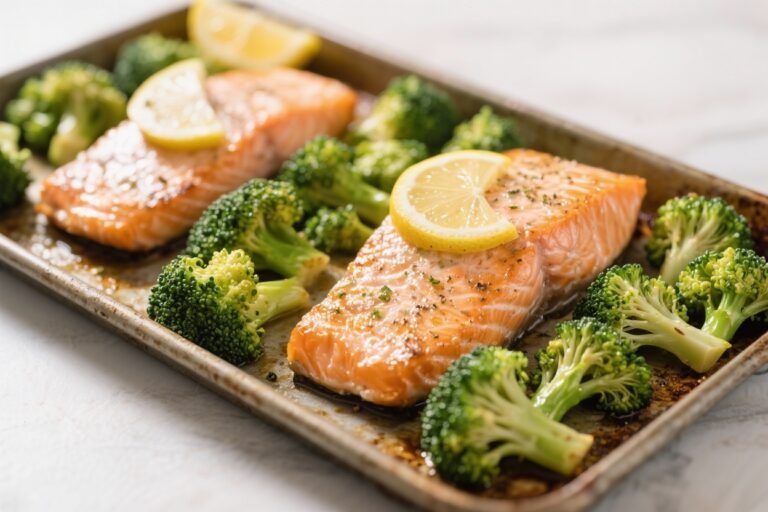
- Leftover chicken, turkey, or fish (small portions)
Reality Check: If a snack lacks protein, it’s not an after-school meal—it’s a placeholder. Placeholders usually lead to more snacking, not less.

Carbohydrates: Timing and Type Matter
Carbohydrates are not the problem. Unstructured carbohydrates are. After school, carbohydrates should be paired with protein, come from minimally processed sources, and bring fiber—not just glucose.
Best choices:
- Fruit (especially berries, apples, pears)
- Whole grains in small portions
- Root vegetables
- Legumes
Less effective choices:
- Refined crackers
- Sweetened granola bars
- Fruit snacks or juice alone
The goal is steady energy, not rapid replenishment followed by a crash. If you consistently see a “good mood → crash → dinner meltdown” pattern, pairing carbs with protein is one of the fastest fixes.
Fat: Supportive, Not Dominant
Fat plays a supporting role. It enhances satiety and slows digestion, but it should not crowd out protein and fiber. Think of fat as the “stability” macronutrient—useful, but not the lead.
Use fats strategically:
- Nuts and seeds
- Olive oil or avocado
- Full-fat dairy (moderate portions)
Pro Tip: Avoid turning snacks into heavy mini-meals that suppress appetite for dinner. The goal is “steady until dinner,” not “too full to eat later.”
Ingredient Swaps That Instantly Upgrade Nutrition
One of the most efficient ways to improve after-school meals is swapping structureless calories for functional ingredients. The household wins when these swaps are realistic and familiar—no complicated recipes required.
Grain-Based Swaps
- Crackers → Whole-grain toast with nut butter
- White bread → Sprouted or whole-grain bread
- Sugary cereal → Oats with yogurt and fruit
Sweet Snack Swaps
- Cookies → Yogurt with cinnamon and berries
- Fruit juice → Whole fruit with protein
- Candy → Dark chocolate paired with nuts
Savory Snack Swaps
- Chips → Roasted chickpeas or popcorn with protein
- Cheese puffs → Cheese slices with apple
- Processed meat sticks → Real meat leftovers or hummus
Key Takeaway: These swaps maintain familiarity while dramatically improving metabolic impact. The household doesn’t need “perfect”—it needs “better defaults.”
The After-School Plate Formula
Instead of thinking in recipes, think in ratios. A reliable after-school meal follows a simple structure that you can repeat without decision fatigue.
The Formula:
- ½ protein
- ¼ fiber-rich carbohydrate
- ¼ fat or additional produce
Examples:
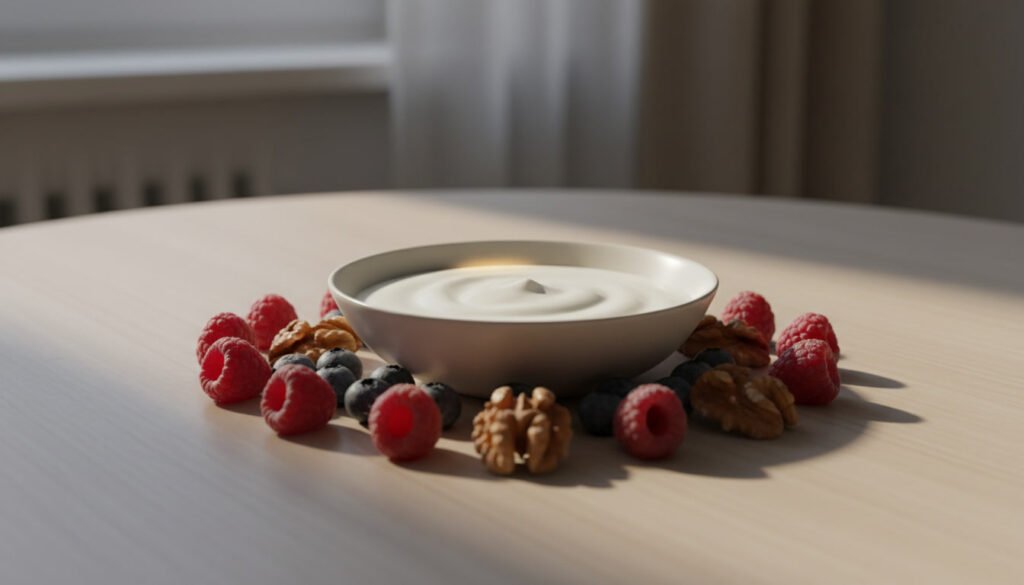
- Greek yogurt + berries + chia seeds
- Apple slices + peanut butter + cottage cheese
- Egg muffins + roasted sweet potato cubes
- Hummus + whole-grain pita + vegetables
Prep Strategies That Remove Daily Friction
Nutrition fails when it relies on daily willpower. Systems win. The most effective families don’t “try harder”—they reduce friction so the right choice is the easy choice.
1) Batch Protein Once, Use All Week
Cook proteins in advance:
- Hard-boiled eggs
- Baked chicken
- Lentils or beans
- Yogurt portions pre-scooped
Protein availability is the single biggest predictor of snack quality. If you want a broader system that supports the entire week (not just snacks), pair this with a weekly meal prep plan.
2) Build a “Snack Assembly Zone”
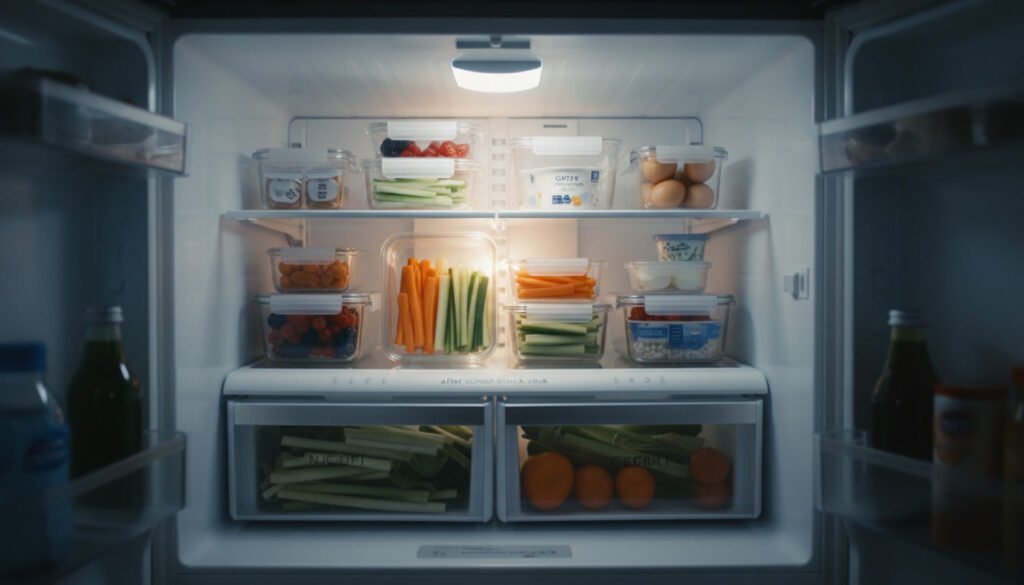
Designate a shelf or fridge drawer for after-school foods:
- Pre-cut fruit and vegetables
- Protein options front-and-center
- Balanced snack pairings visible
Visibility drives behavior. If the first thing seen is protein + produce, that becomes the default.
3) Prep in Components, Not Recipes
Avoid over-engineering snacks. Prep ingredients, not finished meals:
- Wash and cut produce
- Portion proteins
- Store grains cooked and ready
This allows fast assembly without boredom. If your household needs more kid-approved combinations, see Easy & Nutritious Kids Recipes for more plug-and-play ideas.
4) Anchor Snacks to Routine, Not Emotion
After-school meals should happen:
- At roughly the same time each day
- Before free grazing starts
- Away from screens when possible
Predictability improves appetite regulation and reduces conflict. The goal is a stable transition into the evening—not an ongoing snack loop.

How After-School Meals Support Better Dinners
One common fear is that snacks “ruin dinner.” In reality, poorly structured snacks do. Balanced after-school meals reduce extreme hunger, improve food acceptance at dinner, and lower reliance on refined carbohydrates later.
Think of the snack as dinner insurance, not competition. It’s easier to serve a balanced dinner when appetite is stable instead of frantic.
Special Considerations for Active Days
On days with sports or heavy activity, increase carbohydrates slightly, keep protein consistent, and emphasize hydration. The framework stays the same—the portions adjust.
Examples:
- Yogurt + banana + oats
- Turkey sandwich on whole-grain bread
- Smoothie with protein, fruit, and seeds
What to Avoid (Even When They’re Marketed as “Healthy”)
Some foods undermine after-school nutrition despite their branding. If the food spikes blood sugar without slowing digestion, it works against your goal—no matter how “healthy” the packaging looks.
- Snack bars with minimal protein
- Fruit-only smoothies
- Sweetened yogurts
- “Organic” refined snacks
- Large portions of juice
Building Long-Term Consistency
The most effective after-school strategy is not novelty—it is repeatability. Rotate 3–4 protein bases, 3–4 carbohydrate options, and 2–3 fat additions. This creates dozens of combinations without decision fatigue.
Pro Tip: Write your “default combos” on a note in the fridge. When everyone is tired, decisions get worse. Make the best choice the easiest choice.
For a bigger, family-wide routine that aligns meals and snacks into one system, revisit meals busy parents stick to.
Recommended Products (Meal Prep + Snack Systems)
The right tools reduce friction. These items support protein-first snacks, faster prep, and better visibility—so after-school meals happen consistently.
Glass Meal Prep Containers (Leakproof)
Best for pre-portioned yogurt bowls, cut fruit, leftover proteins, and snack “grab packs.” Visibility helps kids (and adults) choose better by default. Shop on Amazon
Bento Snack Boxes for Kids
Perfect for pairing protein + fiber + produce (the “after-school plate formula”) without guesswork. Great for reducing grazing. Shop on Amazon
High-Speed Blender (Smoothies with Protein)
Useful for active days: smoothies built with protein + fruit + seeds can be a reliable after-school meal when time is tight. Shop on Amazon
Electric Egg Cooker (Fast Protein Prep)
Hard-boiled eggs are one of the highest ROI after-school proteins. This tool makes batch prep nearly effortless. Shop on Amazon
Reusable Produce Containers (Fridge Organization)
Keeps cut fruit/veg crisp and visible, which makes the “snack assembly zone” work. Visibility drives better choices. Shop on Amazon
Want to turn this into a full household system (not just snacks)? Pair this framework with weekly meal prep plan so dinner, lunches, and after-school meals support each other instead of competing.
As an Amazon Associate, I earn from qualifying purchases.




One Comment