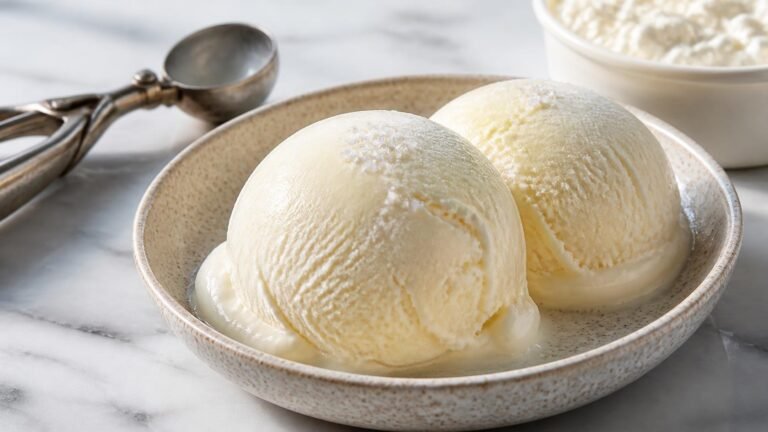
Healthy Desserts and Indulgences Recipes with High Protein
Healthy Desserts and Indulgences Recipes with High Protein aren’t a trend or a workaround anymore. They exist because a lot of people have hit the same wall: dessert is enjoyable in the moment, then quietly disruptive afterward. Energy dips. Cravings rebound. Nutrition goals feel negotiable. The issue isn’t discipline—it’s design. Most desserts are built for speed and intensity, not for how the body actually processes food. High-protein desserts approach indulgence with a different logic: slower digestion, better satiety, and fewer downstream consequences.
Table of Contents
Why Traditional Desserts Fail Most Nutrition Goals
Most conventional desserts are structurally simple: refined flour, sugar, fat. They taste good quickly and fade just as fast. From a physiological perspective, they deliver calories without much feedback. Blood sugar rises, insulin follows, hunger returns. If you’re trying to clean up the “dessert zone” of your routine, it helps to get specific about what works and what doesn’t—this guide on what to eat and avoid desserts lays out the practical guardrails without moralizing.
Protein alters that sequence. It slows gastric emptying, supports lean mass, and sends clearer satiety signals. When protein is integrated into desserts as a core ingredient—rather than sprinkled in for marketing—it changes how those desserts behave metabolically. The difference shows up an hour later, not just in the first bite.
What Makes a Dessert “High Protein” in Practical Terms

Protein Density vs. Protein Percentage
Labels can be misleading. A dessert can technically contain protein and still be nutritionally inefficient. What matters is protein density: how much protein you get relative to total calories and added sugar. Eight grams of protein in a 400-calorie brownie doesn’t meaningfully influence appetite or blood sugar.
In practice, functional benchmarks tend to look like this:
- Roughly 10–20 grams of protein per serving
- Protein paired with fiber or moderate fat
- Limited reliance on refined sugars for structure or sweetness
Common Protein Sources That Actually Work in Desserts
Not every protein behaves well once heat, moisture, or chilling enter the picture. Some dry out. Others chalk. The most reliable options tend to be familiar foods used deliberately:
- Greek yogurt or skyr for moisture and structure
- Blended cottage cheese for neutral flavor and body
- Whey or casein powders, used selectively
- Eggs or egg whites for binding
- Nut flours supported by protein isolates
Each choice comes with trade-offs—texture, flavor, digestibility. The skill is matching the protein source to the dessert format, not forcing it to behave like flour.
Helpful tool: If you use protein powder, choose a neutral-flavor option and measure consistently. This keeps texture stable from batch to batch.
Shop unflavored whey protein powder options on Amazon
High-Protein Dessert Formats That Hold Up in Real Life

1. Baked Desserts with Structural Protein
Baked goods can support higher protein, but only when moisture and binding are handled intentionally. Yogurt, eggs, and blended dairy prevent the dryness that plagues many protein muffins and brownies. Problems usually start when protein powder is treated as a one-to-one flour replacement. It isn’t.
Common mistake: increasing protein without adjusting liquids or fats, then blaming the ingredient instead of the structure.
2. No-Bake Indulgences for Consistency
No-bake desserts are forgiving. Protein cheesecakes, bars, and chilled cups avoid heat altogether, which preserves texture and flavor. They’re also easier to standardize, making them practical for meal prep.
Trade-off: shorter shelf life and a reliance on refrigeration.
3. Frozen High-Protein Desserts
Cold formats work in protein’s favor. Frozen desserts naturally soften texture flaws, and slower-digesting proteins like casein tend to produce a creamier result. For many people, this is where high-protein desserts feel least “modified.” If you want a concrete example of a controlled-portion, high-satisfaction approach, this Keto chocolate mousse shows how a small amount of richness can do the heavy lifting when the ratios are deliberate.
Ingredient Strategy: What to Use and Why

Sweeteners: Control, Don’t Eliminate
Removing sweetness entirely often backfires. Desserts that feel punitive rarely last. A more sustainable approach is restraint:
- Small amounts of honey or maple syrup for structure
- Optional support from non-nutritive sweeteners
- Avoid stacking multiple sweeteners without purpose
Sweetness should support the recipe, not dominate it.
Fats: Necessary but Measured
Fat carries flavor and improves mouthfeel, but it’s also where calories accumulate quietly. Nut butters and coconut oil work best when used as structural elements, not as the main attraction.
Fiber as a Stabilizer
Ingredients like oats, chia seeds, and psyllium husk contribute more than digestion. They stabilize texture, slow absorption, and make protein more effective at promoting fullness. When used well, fiber reduces the need for excess sweeteners or fats. This is also where mindful structure pays off—if your goal is to enjoy dessert without spiraling into “more, more, more,” it helps to approach sweet foods with intention and simple constraints. Here’s a practical guide to enjoy sweets without losing control that stays realistic about human appetite.
Consistency upgrade: Small ratio changes matter in protein baking. A simple digital scale removes guesswork and makes repeats predictable.
Browse reliable digital kitchen scales on Amazon
Sample High-Protein Dessert Concepts (Framework, Not Recipes)
- Greek Yogurt Protein Cheesecake Cups
Dense, portion-controlled, and naturally low in sugar. - High-Protein Chocolate Muffins
Built around cocoa powder and a whey-casein blend rather than flour alone. - No-Bake Protein Bars
Oats, nut butter, and protein isolate balanced for chew and satiety. - Frozen Protein Yogurt Pops
Simple, repeatable, and well suited to warm climates or post-training snacks.
These formats are reliable because they scale well and behave predictably across batches.
Texture helper: A basic blender or food processor makes cottage cheese and yogurt bases smooth, which is often the difference between “chalky” and “creamy.”
See blender and food processor options on Amazon
Nutritional Trade-Offs to Be Aware Of
High-protein desserts still require judgment. Overusing protein powder can cause digestive discomfort for some people. Nut flours and fats can inflate calories quickly. And not every protein source suits every digestive system.
The goal isn’t perfection. It’s consistency without unintended side effects.
Frequently Asked Questions (Snippet-Ready)

Are high-protein desserts good for weight management?
Yes, when designed correctly. High-protein desserts increase satiety and help limit rebound hunger, which can reduce total calorie intake over time. Their effectiveness depends on protein density and controlled sugar use.
Can high-protein desserts replace regular meals?
Not consistently. They can work as snacks or post-workout options, but most lack the micronutrient breadth of full meals and shouldn’t replace them on a routine basis.
Is protein powder necessary for high-protein desserts?
No. Greek yogurt, eggs, and cottage cheese can supply substantial protein on their own. Protein powder is useful for precision and convenience, not a requirement.
Do high-protein desserts taste worse than regular desserts?
Only when they’re poorly structured. With appropriate moisture, fat balance, and sweetness, high-protein desserts can be just as satisfying as conventional versions.
How to Evaluate a High-Protein Dessert Recipe Before Making It
Before committing ingredients, it helps to pause and check the structure:
- Where does the majority of the protein come from?
- What provides moisture and binding?
- How is sweetness achieved without excess sugar?
If those questions don’t have clear answers, results are likely to be inconsistent.
Products / Tools / Resources
These aren’t “must-haves.” They’re simply the items that reduce variability when you’re making high-protein desserts regularly—especially if you’re aiming for repeatable texture and portion consistency.
- High-quality protein powders (whey or casein): Useful for precision when whole-food protein alone isn’t enough, especially in baked goods and frozen desserts.
Compare casein protein powder options on Amazon - Digital kitchen scale: Helps you keep ratios stable when adjusting protein and fat so the same recipe behaves the same way next time.
See digital kitchen scales on Amazon - Blender or food processor: Makes cottage cheese and yogurt bases smooth, which improves mouthfeel and reduces “powdery” textures.
Browse mini food processors on Amazon - Silicone baking molds: Helpful for portion control and clean release in high-protein batters that tend to stick.
Shop silicone muffin molds on Amazon - Meal-prep containers: Practical for storing chilled or frozen desserts without texture loss, especially for no-bake cups and yogurt-based options.
Find meal-prep containers on Amazon
As an Amazon Associate, I earn from qualifying purchases.