
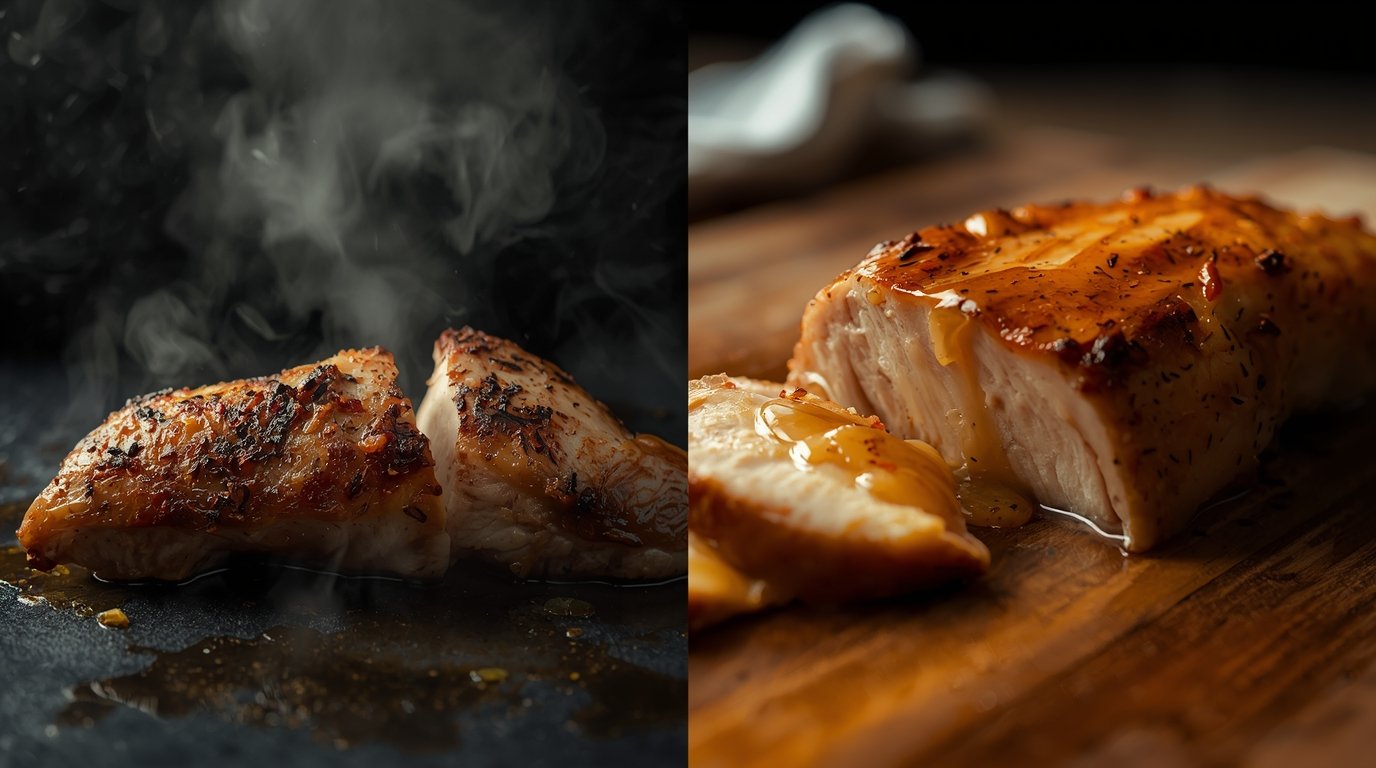
High-Protein Recipes with Low-Temperature Cooking Methods (Done the Smart Way)
Low-Temperature Cooking Methods get hyped a lot, but most people still screw them up—especially when protein matters. I see it all the time: dry chicken, rubbery fish, sad-looking beef that tastes like regret. The frustration builds because you know protein should be juicy and tender… yet your pan keeps betraying you. I’m going to fix that right now, and I’ll do it without the foodie nonsense.
I’ve tested this stuff for years, burned plenty of meals so you don’t have to, and figured out where low-temp cooking actually shines (and where it’s overrated). Let’s talk real results.
Table of Contents
- What Are Low-Temperature Cooking Methods?
- Why High Heat Ruins High-Protein Foods (And No One Explains This Well)
- Sous Vide: The Gold Standard for Protein (Fight Me)
- Why Sous Vide Dominates
- High-Protein Sous Vide Staples
- Low-Temperature Oven Cooking: The Underrated Workhorse
- The Right Way to Do It
- Slow Cooking Myths That Need to Die
- The Reality
- Use slow cookers for:
- Avoid them for:
- High-Protein Recipes That Actually Benefit from Low Temps
- 1. Sous Vide Chicken Breast (Meal-Prep King)
- 2. Low-Temp Salmon with Olive Oil
- 3. Turkey Breast, Oven-Cooked Low & Slow
- 4. Lean Beef, Edge-to-Edge Pink
- Protein Retention: The Hidden Advantage No One Talks About
- Safety Concerns (Yes, Let’s Address the Elephant)
- What Keeps You Safe
- My Personal Rules for Low-Temperature Cooking
- Final Take: The Insider Truth You Should Remember
What Are Low-Temperature Cooking Methods?
Low-temperature cooking methods use controlled heat—usually between 120°F and 180°F—to cook food evenly without moisture loss. These techniques preserve protein structure, prevent overcooking, and improve tenderness by avoiding aggressive heat that tightens muscle fibers.
Here’s my blunt take: low-temp cooking isn’t about being fancy—it’s about damage control. High heat wrecks protein by squeezing out moisture. Lower heat lets proteins relax, stay juicy, and actually taste like food.
The big players you should care about:
- Sous vide (precision water bath, my go-to)
- Low-temp oven roasting
- Gentle slow cooking (not all slow cookers qualify—more on that later)
- Poaching at controlled temps (yes, there’s a right way)
Quick gear upgrade that pays off
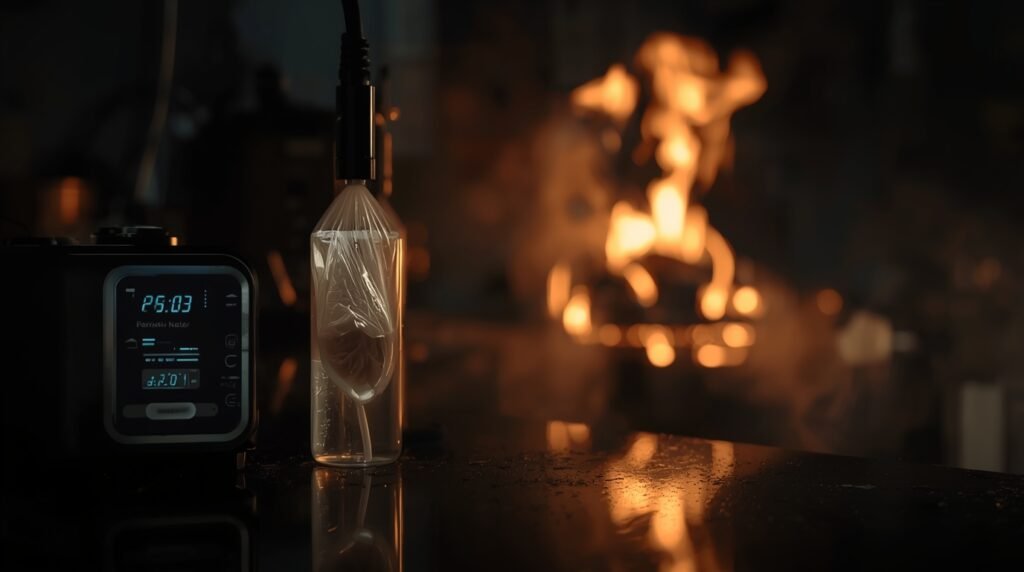
If you want consistent results with Low-Temperature Cooking Methods, start with a reliable sous vide circulator. I like the ones that hold temp rock-steady and don’t sound like a lawnmower.
Shop a dependable sous vide circulator on Amazon
Why High Heat Ruins High-Protein Foods (And No One Explains This Well)
Most protein disasters come from one thing: muscle fibers tightening too fast. When heat spikes:
- Water gets expelled
- Texture turns chalky
- Flavor flatlines
Low-temp cooking keeps proteins in the sweet spot where:
- Collagen breaks down slowly
- Muscle fibers stay relaxed
- Juices stay inside the food—not on your cutting board
Bold truth: most “dry meat” comes from people overshooting the target temp by 10–20 degrees. If you’re already dialing in performance meals, you’ll love how meal prep techniques made simple helps you keep results consistent across the whole week.
Sous Vide: The Gold Standard for Protein (Fight Me)
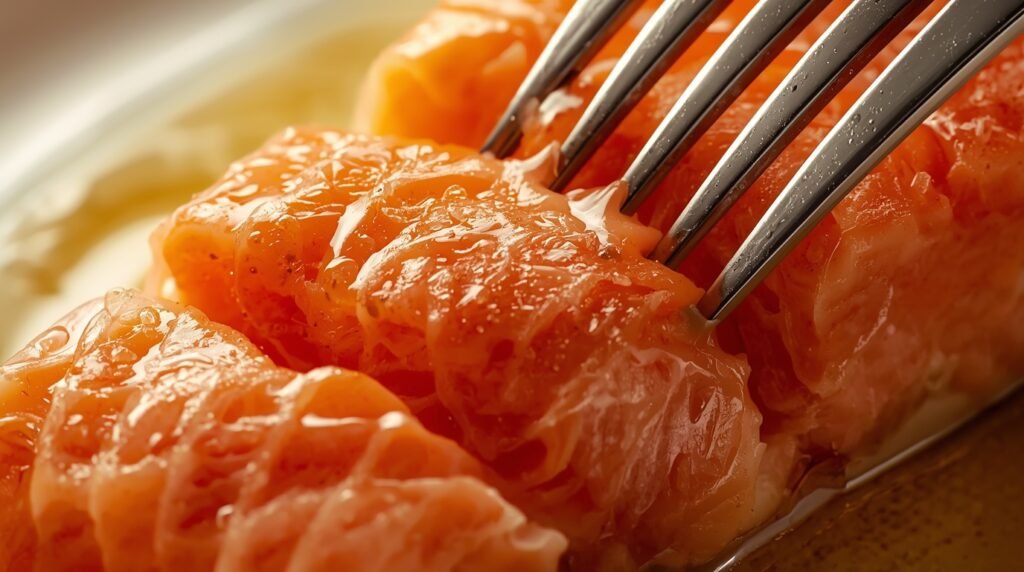
I’ll say it plainly: if protein quality matters, sous vide wins. Not emotionally—technically.
Why Sous Vide Dominates
- Exact temperature control (no guessing)
- Zero moisture loss
- Repeatable results every time
You can cook chicken breast to 145°F, hold it there, and get texture that feels illegal. Try that with a pan and see how far you get.
Don’t skip this, seriously
A vacuum sealer (or solid sous vide bags) makes sous vide cleaner and more consistent, especially for meal prep portions. Less air, better contact, more even cooking.
See vacuum sealers that work well for sous vide
High-Protein Sous Vide Staples
- Chicken breast (145–150°F)
- Turkey cutlets (146°F)
- Lean beef (129–134°F)
- Salmon (122–125°F)
Low-Temperature Oven Cooking: The Underrated Workhorse
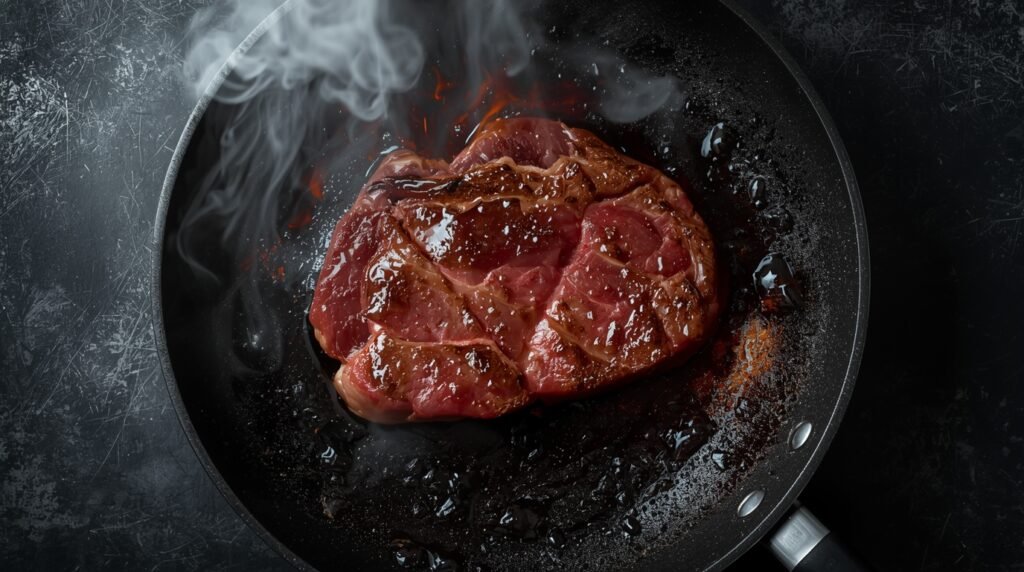
If sous vide feels like too much gear, low-temp oven cooking still delivers—if you respect the process.
The Right Way to Do It
- Oven set between 170–225°F
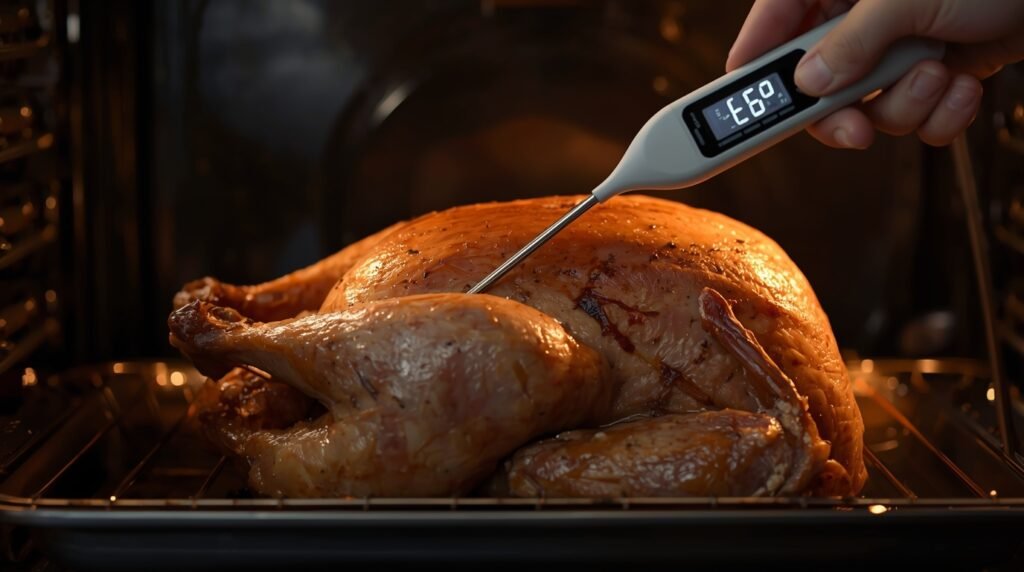
- Use a probe thermometer (non-negotiable)
- Finish with a quick sear after cooking
This method works insanely well for:
- Pork loin
- Turkey breast
- Lean roasts
Key insight: the oven doesn’t forgive laziness. Walk away too long and you lose the plot.
One tool that stops the “oops” moment
A solid probe thermometer keeps you honest. You’ll nail the pull temp and stop turning lean protein into sawdust.
Grab an oven probe thermometer that’s easy to read
Slow Cooking Myths That Need to Die
Slow cookers get marketed as “low temperature.” That’s… half true.
The Reality
- Many slow cookers hit 200°F+ on “low”
- That’s fine for collagen-heavy cuts
- It’s terrible for lean protein
Use slow cookers for:
- Chuck roast
- Brisket
- Shank
Avoid them for:
- Chicken breast
- Turkey
- Fish (please don’t)
Use slow cookers for: chuck roast, brisket, shank.
Avoid them for: chicken breast, turkey, fish.
FYI, if your protein shreds without effort, you crossed the line.
High-Protein Recipes That Actually Benefit from Low Temps
Let’s get practical. These aren’t Pinterest fantasies—I cook these weekly.
1. Sous Vide Chicken Breast (Meal-Prep King)
- Temp: 145°F for 1.5 hours
- Protein: ~31g per serving
- Texture: Juicy, sliceable, not sad
Why it works: the protein never tightens aggressively, so moisture stays locked in. If you want to stack this with performance-focused flavor combos, check out functional recipes for energy, muscle and longevity for ideas that fit the same macros-first mindset.
2. Low-Temp Salmon with Olive Oil
- Temp: 122°F
- Finish: Light flake, buttery mouthfeel
- Protein: ~22g per serving
Pro tip: high heat turns salmon into cat food. Low temp turns it into silk.
3. Turkey Breast, Oven-Cooked Low & Slow
- Temp: 225°F oven
- Pull at: 150°F internal
- Rest properly (10 minutes)
This beats Thanksgiving turkey by a mile, and yeah, I said it 🙂
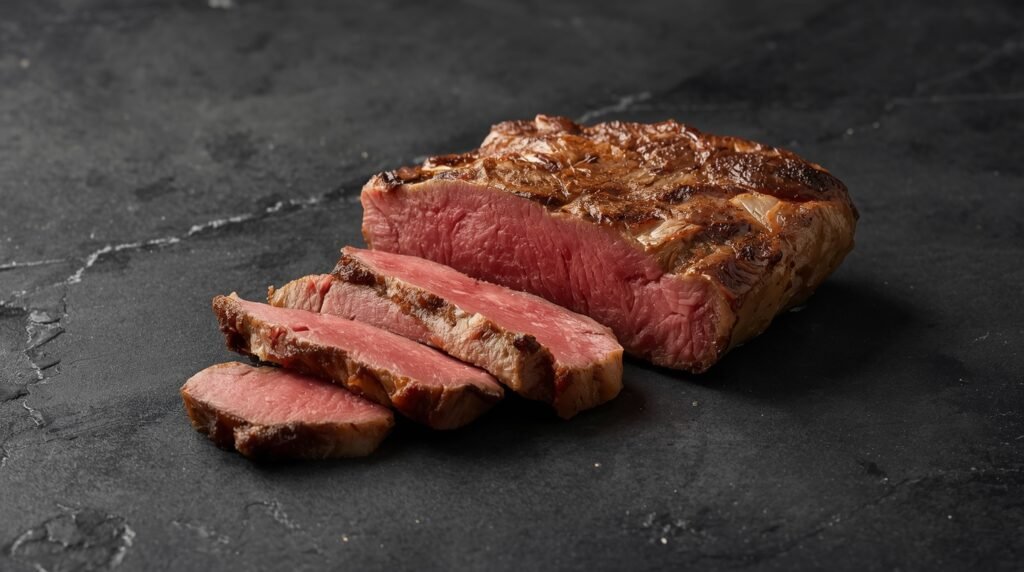
4. Lean Beef, Edge-to-Edge Pink
- Sous vide at 131°F
- Finish with hard sear
- Protein-dense, zero chew fatigue
Bold takeaway: chewiness isn’t “manly.” It’s bad technique.
The sear trick that keeps protein juicy
Finish with a ripping-hot skillet so you get crust without overcooking the inside. Cast iron makes that easy and consistent.
Browse cast iron skillets that sear fast

Protein Retention: The Hidden Advantage No One Talks About
Here’s the nerdy part people skip: protein denaturation accelerates at higher temps. That means:
- Less bioavailable protein
- Tougher texture
- Faster moisture loss
Low-temp cooking preserves:
- Amino acid integrity
- Digestibility
- Satiety
If you eat high-protein for fitness, longevity, or weight control, this matters more than seasoning.
Safety Concerns (Yes, Let’s Address the Elephant)
Low temperature doesn’t mean unsafe—imprecision does.
What Keeps You Safe
- Time + temperature pairing
- Proper sealing
- Clean handling
Sous vide works because pasteurization depends on time, not just heat. Hold food long enough at the right temp, and you’re good. Panic comes from people half-understanding the process.
If you want to pair gentle cooking with digestion-friendly choices, meals for gut health can help you keep your protein high without wrecking your stomach.
My Personal Rules for Low-Temperature Cooking
I follow these religiously:
- Measure everything
- Trust thermometers, not vibes
- Sear after, never before
- Season lightly pre-cook, finish post-cook
Break these rules and you’ll blame the method instead of your execution.
Final Take: The Insider Truth You Should Remember
Low-temperature cooking methods isn’t trendy—it’s controlled, predictable, and brutally effective for protein. Once you taste chicken that stays juicy for days, there’s no going back. High heat has its place, but precision beats aggression every time.
If you want better texture, higher protein quality, and fewer kitchen failures, this is the move. Now go cook something properly—I’ll be over here judging dry chicken from afar 😉
As an Amazon Associate, I earn from qualifying purchases.



One Comment