

Clean Eating Made Easy With Recipes Using AI meal Planners
Table of Contents
- Clean and Simple Meal Prep Recipes Using AI Meal Planners (Without the BS)
- Why Most Meal Prep Fails (And Why AI Finally Fixes It)
- What Are Recipes Using AI Meal Planners? (Straight Answer)
- The Myth Everyone Believes About AI Meal Prep
- The Clean Meal Prep Formula I Use With AI
- Clean and Simple AI Meal Prep Recipe Templates
- How I Prompt AI for Better Meal Prep Recipes
- Advanced Tactics Most People Never Use
- Clean Grocery Lists: Where AI Quietly Wins
- Are AI Meal Planners Worth It? My Verdict
- The One Insider Takeaway You Should Remember
Recipes using AI meal planners sound fancy, but let me be blunt: most people still screw them up. I see it all the time. Folks download an app, tap a few buttons, and expect Pinterest-level meal prep magic. Then reality hits—bland chicken, wasted groceries, and Sunday nights that feel like unpaid labor. Frustrating, right?
Here’s the good news: when you use AI meal planners correctly, they become a ruthless efficiency machine. I’ve tested this stuff for years, and I’ll show you how to turn clean, simple meal prep into a repeatable system that actually sticks. 🙂

Why Most Meal Prep Fails (And Why AI Finally Fixes It)
Let’s call it out: meal prep fails because humans hate friction. Decision fatigue kills motivation faster than junk food cravings.
Here’s what usually goes wrong:
- People plan too many recipes
- Ingredients don’t overlap
- Portions feel random
- Taste boredom kicks in by Wednesday
AI meal planners fix this by removing decisions, not by adding complexity. I’ve watched this click especially fast for busy households—if you build meals that flex across ages and preferences, check out mltigenerational familes recipes for practical ideas that keep everyone fed without running a restaurant.
Key insider insight:
> The best AI-generated meal plans use fewer recipes, not more.
What Are Recipes Using AI Meal Planners? (Straight Answer)
Recipes using AI meal planners are meals generated through algorithms that analyze your goals, preferences, schedule, and nutrition targets to create optimized, repeatable meal prep recipes.
They prioritize:
- Ingredient overlap
- Macro balance
- Prep efficiency
- Minimal waste
Translation: fewer groceries, faster prep, better consistency.
The Myth Everyone Believes About AI Meal Prep
Myth: AI meal planners create boring, robotic food.
Reality: Boring food comes from lazy prompts.
If you tell an AI, “Give me healthy meals,” you’ll get gym-bro chicken and rice. That’s on you.
What actually works:
- Specific flavor profiles
- Cultural preferences
- Prep constraints (time, tools, budget)
Pro move: I always define how I want to feel after eating—light, energized, or comforted. The outputs improve instantly.
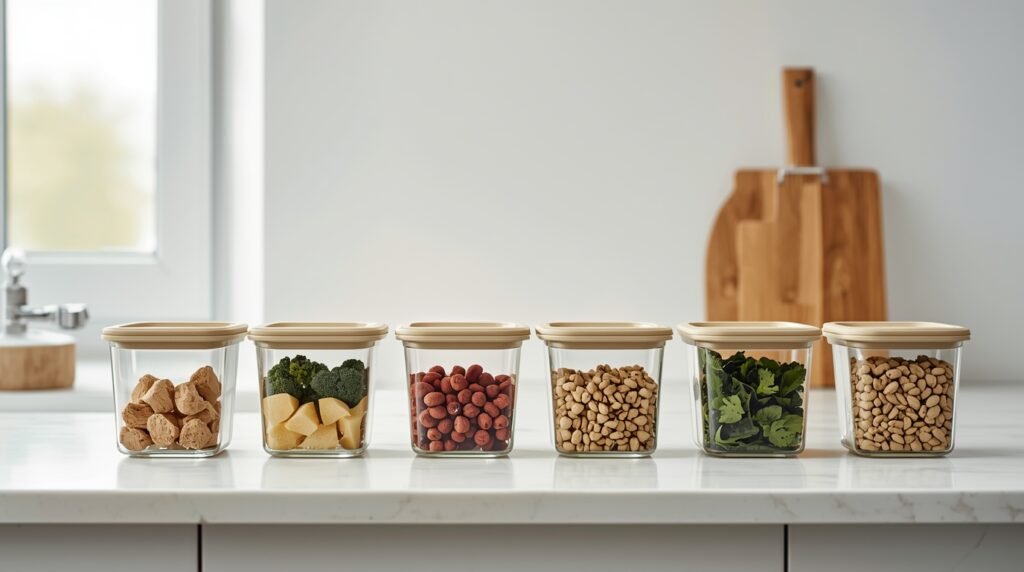
The Clean Meal Prep Formula I Use With AI
This is the framework I’ve refined after way too many Sunday experiments.
Step 1: Lock the Non-Negotiables
Before generating anything, define:
- Max prep time: 60–90 minutes
- Cooking method: oven + stovetop only
- Meals reused: lunch & dinner overlap
This forces the AI to behave.
Step 2: Force Ingredient Reuse
I always instruct:
- 1 main protein
- 2 backup proteins
- 5–7 total vegetables max
This single constraint cuts grocery costs by 30–40%.
Step 3: Batch Flavor, Not Meals
Here’s a pro trick most people miss:
- Cook neutral base proteins
- Apply sauces after reheating
That’s how you avoid taste fatigue without extra work. If you run on tight time (or you care for someone and you need meals to behave), I’d use the same constraints you’ll see in meal prep for caregivers—fast, predictable, and low-stress.
Bold truth: bowls outperform “complex recipes” every time for compliance.
Clean and Simple AI Meal Prep Recipe Templates
Below are battle-tested recipe structures, not fluffy ideas.
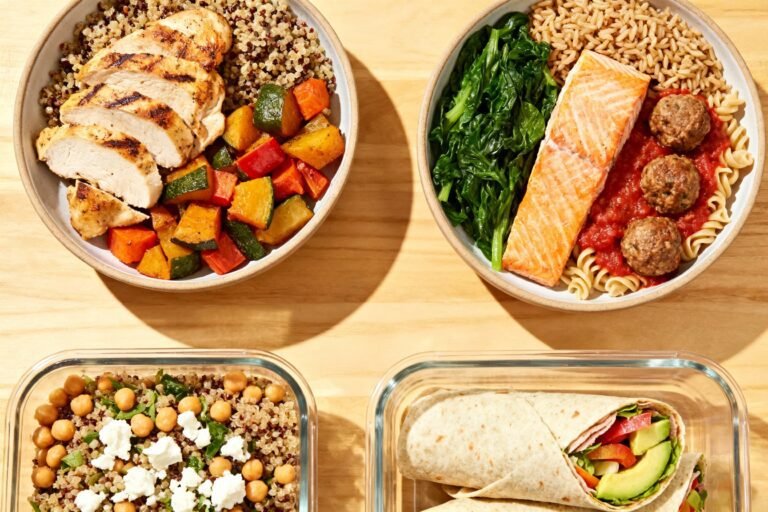
1. Protein-First Bowl System
Why it works: scalable, reheats well, zero drama.
Base:
- Roasted chicken thighs or tofu
- Brown rice or quinoa
- Roasted mixed veg
Flavor swaps:
- Lemon-tahini
- Chimichurri
- Garlic yogurt
Bold truth: bowls outperform “complex recipes” every time for compliance.
2. Sheet-Pan Rotation Meals
One pan. One oven. Done.
Typical AI-generated combo I use:
- Salmon or sausages
- Sweet potatoes
- Broccoli or green beans
Advanced tweak: rotate spices, not ingredients. Smoked paprika one week, curry the next. Same groceries, new vibe. 😏
3. High-Protein Breakfast Prep (The Secret Weapon)
Most people ignore breakfast prep. Big mistake.
AI excels here:
- Egg muffin trays
- Greek yogurt protein jars
- Overnight oats with rotating add-ins
Why this matters:
> If breakfast runs on autopilot, the rest of the day follows.
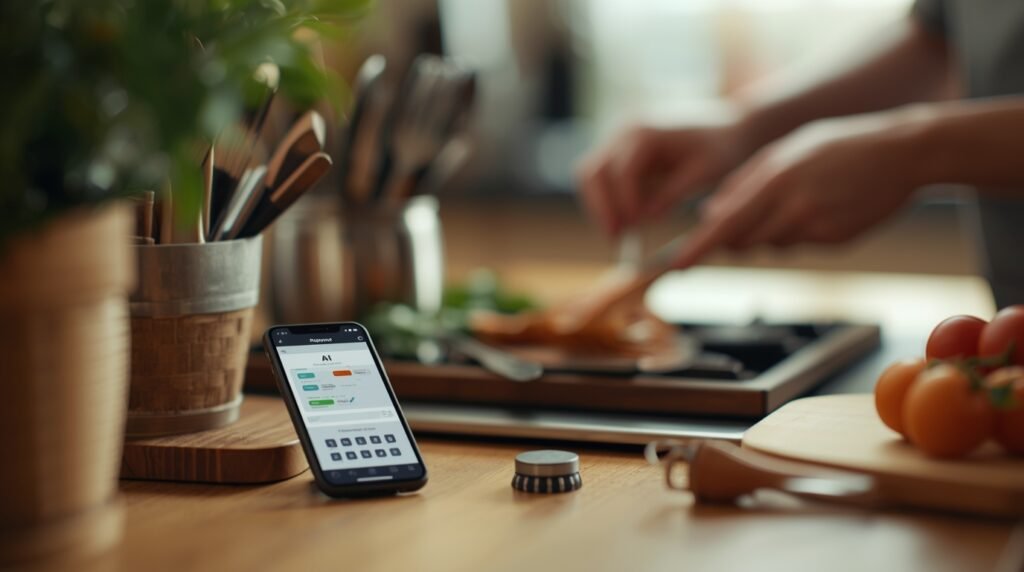
How I Prompt AI for Better Meal Prep Recipes
This is where amateurs tap out.
Bad prompt:
> “Give me healthy meal prep recipes.”
Good prompt:
> “Create 5 clean meal prep recipes using overlapping ingredients, under 8 total items, optimized for reheating, high-protein, Mediterranean flavors, minimal sauces.”
Night and day difference.
Insider rule: the more constraints you add, the smarter the output becomes. If you want a clean template that already fits “real life,” I’d borrow the structure from real life clean and simple meal recipes and let the AI generate variations inside that frame.
Advanced Tactics Most People Never Use
Let’s level this up.
Calorie Cycling Without Tracking
I tell AI to:
- Create higher-carb meals for training days
- Lower-carb meals for rest days
- Keep protein constant
No spreadsheets. No tracking apps. Just structure.
Leftover Engineering
I intentionally ask for:
- 1 “repurpose meal” per week
Example:
- Roast chicken → tacos → soup
This feels lazy, but it’s elite efficiency.
Taste Fatigue Prevention Hack
I rotate:
- Acid (lemon, vinegar)
- Crunch (seeds, nuts)
- Fresh herbs
Same base meal, different sensory hit. Your brain stays interested.
Clean Grocery Lists: Where AI Quietly Wins
Manual meal planning fails at shopping lists. AI doesn’t.
What I consistently see:
- Fewer impulse buys
- Predictable spend
- Almost zero food waste
Hard truth: if your fridge smells weird on Friday, your plan sucked.

Are AI Meal Planners Worth It? My Verdict
Short answer: yes, if you treat them like a junior assistant, not a chef.
They win at:
- Planning logic
- Repetition control
- Nutritional balance
They lose at:
- Emotional food choices
- Cultural nuance (unless prompted well)
Use them strategically, and they feel like cheating. Use them lazily, and you’ll hate them.
The One Insider Takeaway You Should Remember
Meal prep succeeds when decisions disappear.
AI meal planners don’t save time by cooking—they save time by thinking ahead.
If your clean eating feels hard, your system is broken, not your willpower.
Now go prep smarter, not longer. I’ll be over here enjoying Thursday’s leftovers like they’re brand new 😉
Products / Tools / Resources: If you want this system to run smooth, I’d keep a few basics on deck—nothing fancy, just stuff that removes friction. I use glass meal prep containers that don’t stain or warp, a digital kitchen scale for consistent portions, and heavy-duty sheet pans that roast evenly. For sauces and quick flavor rotations, I lean on a compact food processor for fast dips and dressings and date labels so leftovers don’t turn into mystery science projects.
As an Amazon Associate, I earn from qualifying purchases.




One Comment