
Master Clean and Simple Meal Prep in 90 Mins
Let’s be real for a second. You’ve probably tried to get your life together on a Sunday afternoon before. You bought 15 pounds of kale, spent six hours destroying your kitchen, and ended up with twenty identical containers of dry chicken and soggy broccoli. By Wednesday, you were ordering Thai food because the thought of eating that “healthy” mush made you want to cry.
That isn’t a system; that’s a punishment.
If you want to master clean and simple meal prep, you have to stop treating it like a chore and start treating it like a high-leverage strategy. I’ve spent over a decade in the nutrition and wellness trenches, coaching busy executives, parents, and athletes. I’ve seen every mistake in the book, and I’ve made most of them myself.
I’m going to show you how to cut your cooking time in half, save a boatload of cash, and fuel your body with whole foods without losing your mind. We are going to strip away the Instagram aesthetics and focus on what actually works in a real kitchen.
This is the only guide you will ever need. Grab a coffee. Let’s get to work.
Table of Contents
What Actually Is “Clean and Simple” Meal Prep?
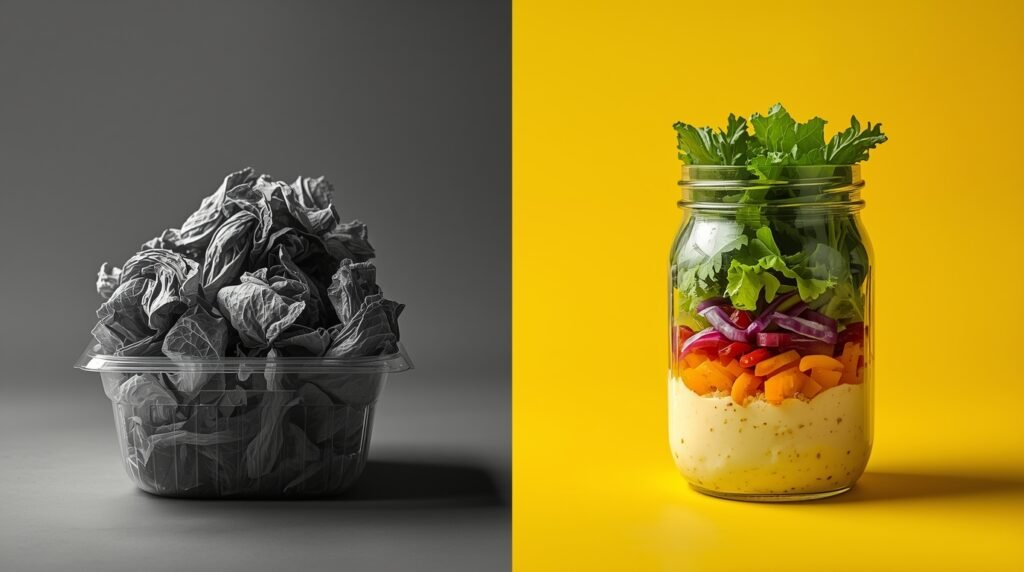
Before we start chopping onions, we need to agree on what we are talking about. The internet has ruined the term “meal prep” by making it look like a perfectly stacked photo of rainbow-colored mason jars that took 12 hours to assemble. That is not reality.
Here is the definition we are working with:
Clean and simple meal prep is the strategic practice of preparing whole, unprocessed food ingredients in advance to streamline eating during the week. Unlike traditional meal prep, which often focuses on assembling full, complex dishes, this method prioritizes “ingredient prep”—batch cooking proteins, carbohydrates, and vegetables separately. This allows for mix-and-match flexibility, ensuring meals remain fresh, texture is preserved, and “flavor fatigue” is eliminated.
The “Clean” Part
“Clean eating” gets a bad rap because people think it means eating raw celery and judging your friends. It doesn’t.
When I say clean, I mean whole foods. We are minimizing ultra-processed garbage, industrial seed oils, and hidden added sugars. We are maximizing nutrient density. Think single-ingredient items: a sweet potato is a sweet potato. A box of “low-fat, high-fiber, aspartame-sweetened keto crackers” is a science experiment. If your great-grandmother wouldn’t recognize it as food, we aren’t prepping it.
The “Simple” Part
This is where 99% of people fail. They try to cook Beef Bourguignon for Tuesday lunch. Simple means low friction. It means recipes that don’t require a degree in culinary arts or exotic spices you have to order from a specialty shop in Vermont.
If it takes you longer than 90 minutes to prep food for the week, you’re doing it wrong.
Pro Tip: Stop trying to replicate restaurant meals. Restaurants use massive amounts of fat, salt, and sugar to make food taste good. You are going to use quality produce, proper searing, and smart seasoning.
The Strategic “Why”: Beyond Just “Looking Good”
You might think you want to meal prep to lose ten pounds. That’s a fine goal, but it’s a weak motivator. The scale fluctuates. You need stronger reasons to stick to this when you’re tired on a Sunday and Netflix is calling your name.
1. The Decision Fatigue Cure
The average person makes thousands of decisions a day. By 6:00 PM, your “willpower battery” is completely drained. This is the phenomenon known as Decision Fatigue. It’s why you order pizza. You aren’t actually hungry for pizza; you are starving for convenience.
When you nail clean and simple meal prep, you remove the decision. The food is there. It’s ready. You just eat. You are automating your nutrition, leaving your brainpower for things that actually matter (like your job or your family).
2. Ingredient Control (The Anti-Inflammation Protocol)
This is the big one for my health nerds. When you buy takeout, you have zero control over the oil they use. Even high-end restaurants often sear high-quality steaks in cheap soybean or canola oil because it’s cost-effective. These oils are high in Omega-6 fatty acids, which can drive inflammation in the body.
When you prep, you are the CEO of your fork. You decide the salt level. You decide to use extra virgin olive oil or grass-fed butter. You decide the portion size. This control is the fastest way to change your body composition and energy levels.
3. The Financial Reality Check (Receipt-Level Data)
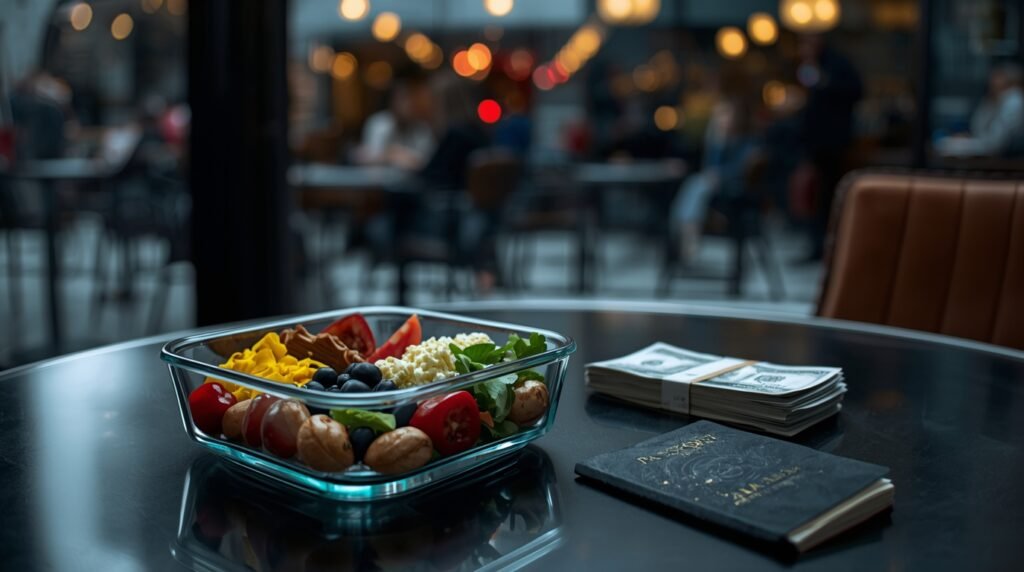
I want to prove to you that this isn’t just about health; it’s about economics. I pulled a receipt from a recent “Clean Prep” shop at a standard mid-range grocery store versus the cost of eating out.
The “Fast Casual” Lifestyle Cost:
- Monday Lunch (Chipotle Bowl + Guac): $14.50
- Tuesday Lunch (Sweetgreen Salad): $16.25
- Wednesday Lunch (Sandwich Shop): $13.00
- Thursday Lunch (Thai Takeout): $15.50
- Friday Lunch (Burger & Fries): $14.00
- Total Weekly Spend: $73.25 (and that’s mostly cheap seed oils and sodium).
The “Clean Prep” Grocery Haul (Yields 5 Generous Lunches):
- 3 lbs Organic Chicken Thighs: $18.00
- 2 lbs Sweet Potatoes: $3.00
- 3 Bags Organic Spinach/Kale Mix: $9.00
- 1 Bottle Olive Oil (prorated usage): $2.00
- 1 Bag Quinoa (prorated usage): $2.00
- 1 Bag Almonds (for crunch): $5.00
- 1 Lemon & Spices: $2.00
- Total Weekly Spend: $41.00
The Verdict: You save $32.25 per week. That is $129 per month. That is $1,548 per year.
That $1,500 is a flight to Europe. It’s a new laptop. It’s 10 massages. When you view meal prep as “paying yourself” $30 an hour to cook on Sunday, the chore becomes a paycheck.
The Master Strategy: Buffet Style vs. Container Style
This is the “secret sauce” section. Most people do Container Style prep. That’s where you make 5 exact copies of a meal (Chicken + Rice + Beans), put them in 5 plastic boxes, and stack them in the fridge.
The problem?
1. Soggy Factor: By Thursday, the rice is hard, the chicken is dry, and the beans have turned into a paste.
2. Boredom: If you wake up Thursday and don’t want Mexican food, too bad. You’re eating it.
The Expert Approach: Buffet Style (Ingredient Prep)
I strictly teach Buffet Style prep. Instead of making meals, you make components.
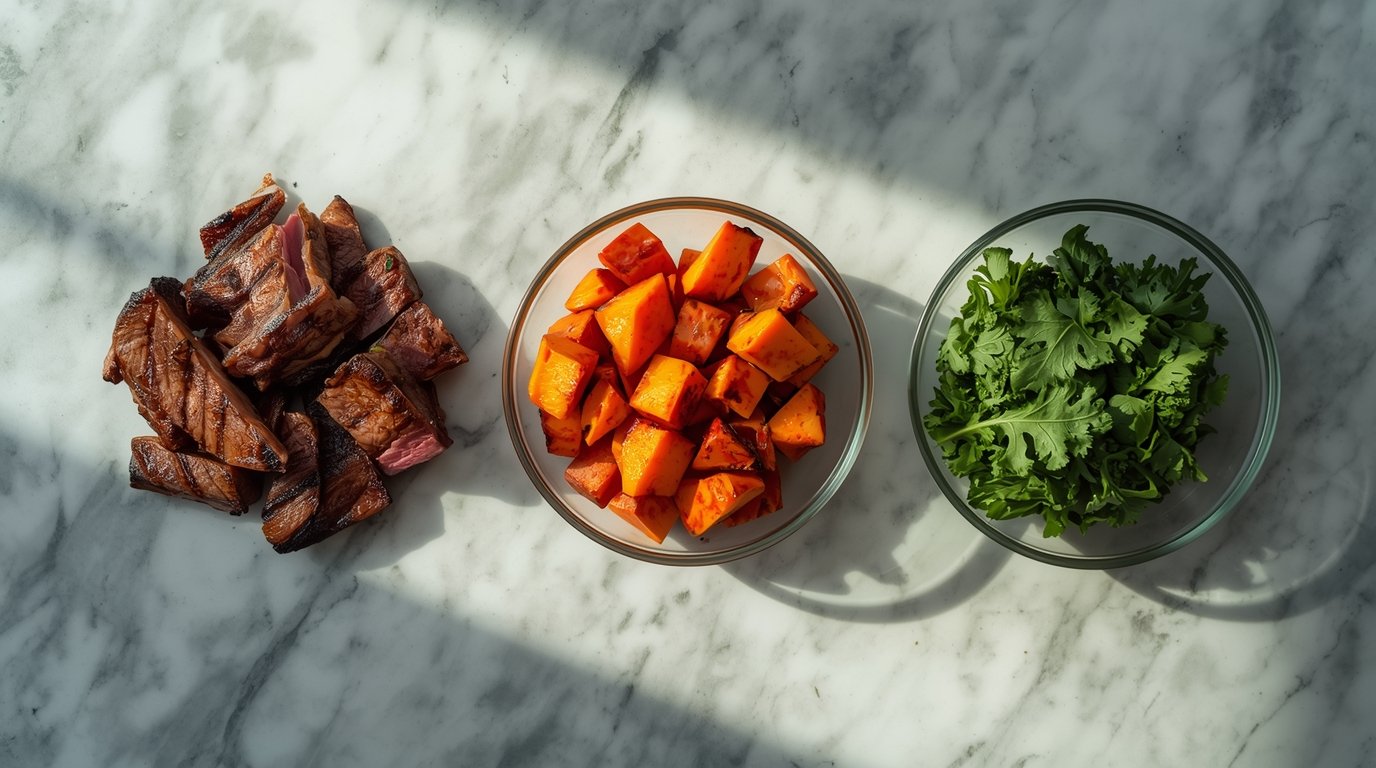
- You roast a massive tray of sweet potatoes.
- You grill two pounds of steak.
- You wash and chop three heads of lettuce.
- You make a jar of vinaigrette.
- You boil a pot of quinoa.
Why this wins:
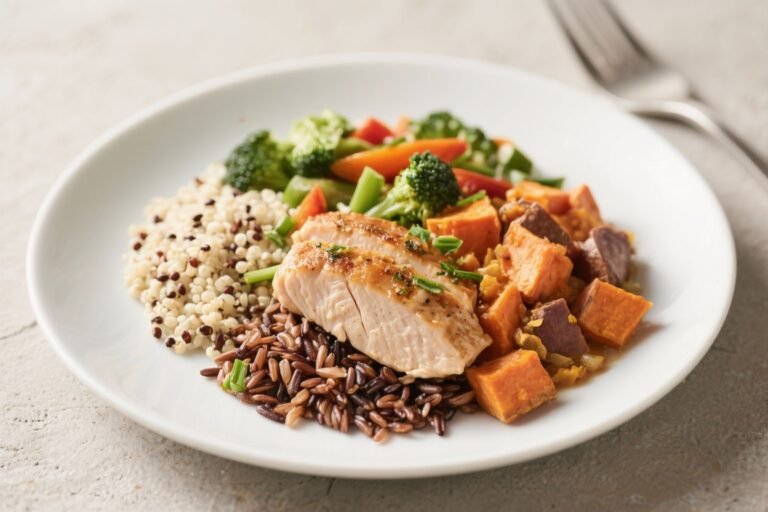
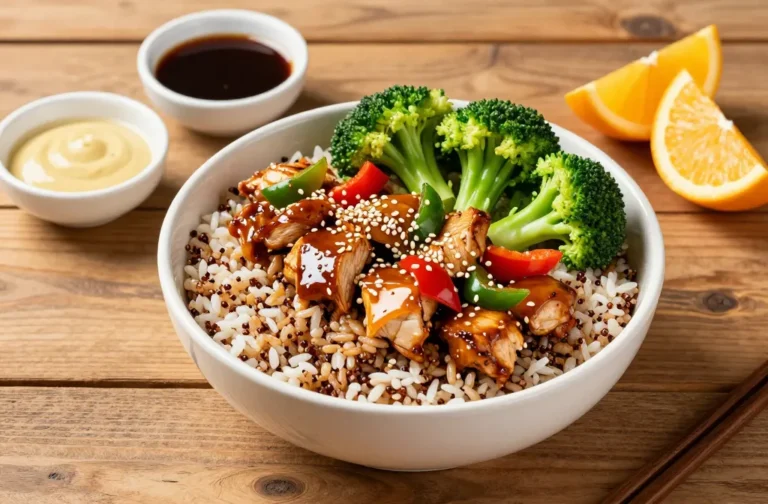
1. Flexibility: Tuesday lunch is a steak salad (Steak + Lettuce + Vinaigrette). Tuesday dinner is a steak stir-fry (Steak + Quinoa + Soy Sauce). Same ingredients, totally different vibe.
2. Freshness: You assemble the meal right before you eat it (or the morning of), so the dressing doesn’t make the leaves gross.
3. Speed: It’s infinitely faster to roast three trays of veggies at once than to assemble complex multi-layered casseroles.
Step-by-Step Execution: How to Dominate Sunday
Okay, class is in session. We are going to break down the exact workflow I use to prep a week of clean food in under two hours.
Step 1: The “Rule of 3” Audit
Don’t browse Pinterest. Pinterest is a rabbit hole of despair filled with unattainable photos. You need a plan, but keep it stupidly simple. I use the Rule of 3.
Every week, you need to pick:
- 3 Proteins: (e.g., Grilled Chicken Thighs, Ground Turkey, Hard Boiled Eggs)
- 3 Carbs: (e.g., Roasted Sweet Potatoes, Quinoa, Berries)
- 3 Fats/Flavor: (e.g., Avocado, Hummus, Cashew Dressing)
- Unlimited Veggies: (Spinach, Peppers, Cucumbers, Zucchini, Broccoli)
Write these down. This is your shopping list. Do not deviate. If you see a sale on lobster or a new type of artisanal cheese, walk away. You are on a mission.
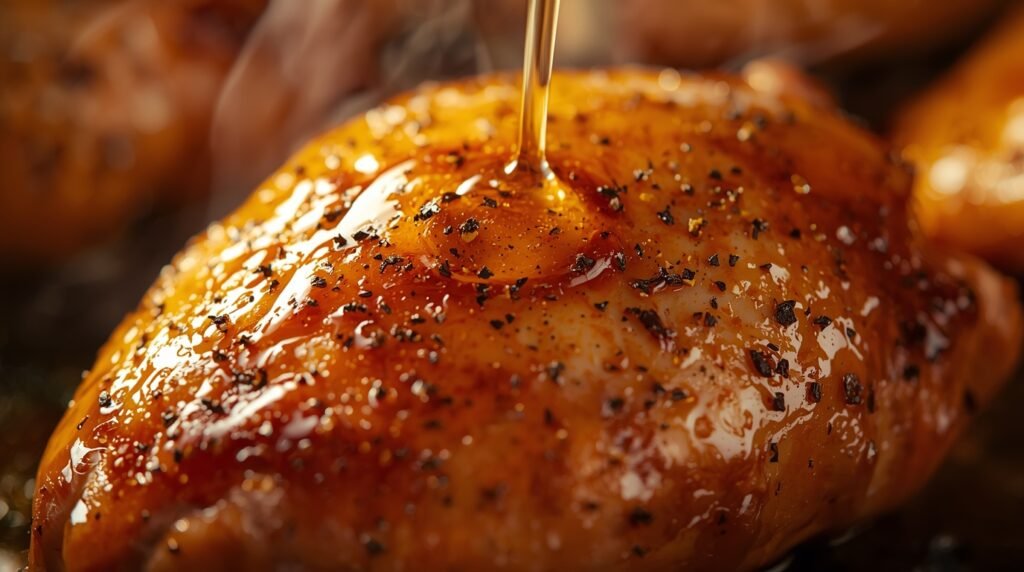
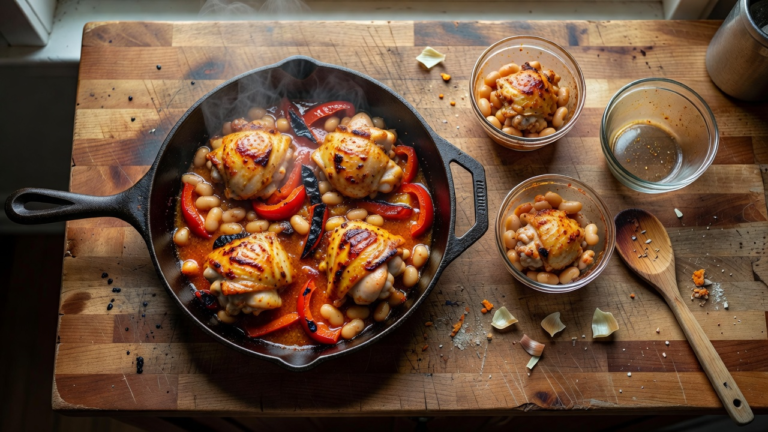
Pro Tip: Why Chicken Thighs over Breasts? Thighs are more forgiving. If you overcook a chicken breast by 2 minutes, it’s like eating shoe leather. Thighs stay juicy and reheat significantly better.
Step 2: The Tactical Grocery Run
Amateurs wander the aisles looking for inspiration. Pros stick to the perimeter.
- Produce Section: Spend 80% of your time here. Buy things that last (cabbage, kale, carrots, squash) and things for immediate use (berries, spinach).
- Meat Counter: Buy family packs. It’s cheaper per pound. If you have a freezer, buy two and freeze one.
- The Aisles: Only venture into the center aisles for specific targets: Olive oil, spices, rice, canned beans, nut butters. Ignore the shiny packaging.
Myth-Busting: “Fresh is always better than frozen.”
False. Frozen veggies are picked at peak ripeness and flash-frozen within hours. They are often more nutrient-dense than the “fresh” spinach that sat on a truck for a week and a grocery shelf for another three days. Plus, frozen veggies require zero chopping. Keep a bag of frozen broccoli and green beans in the freezer as your emergency backup.
Step 3: The Gear (Don’t Go Crazy)
You don’t need a $400 blender or a sous-vide machine (yet). But you do need the basics. If your tools suck, you will hate cooking, and you will quit.
Must-Haves:
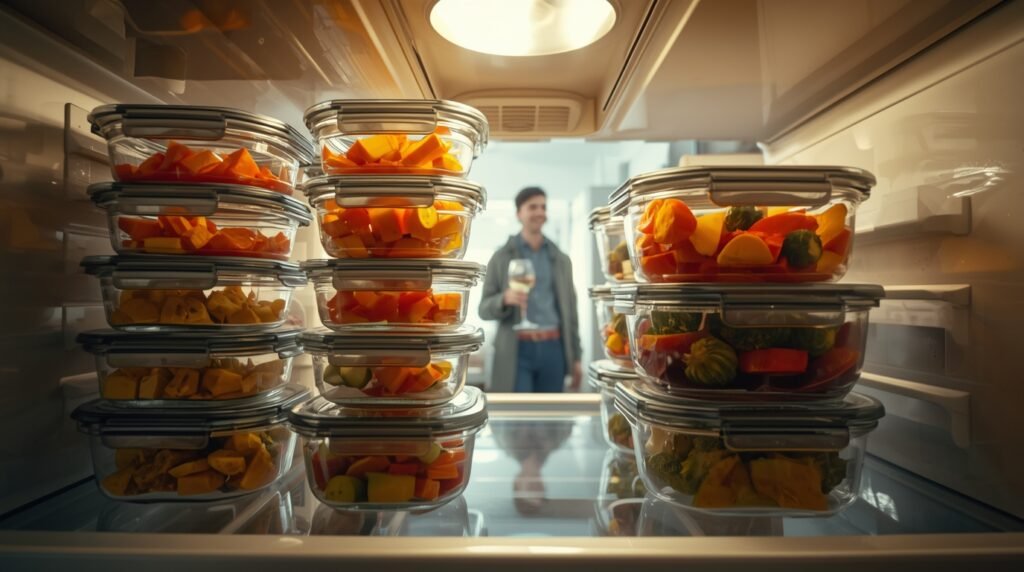
- Glass Containers: Plastic stains, warps, and holds smells. Glass is king. Get a variety of sizes (large for storage, small for individual portions).
- Sharp Chef’s Knife: A dull knife is dangerous and slow. If you’re sawing at a tomato, buy a sharpener or a new knife.
- Large Sheet Pans: You need at least two “half-sheet” pans (13″ x 18″). We are going to roast everything.
- Meat Thermometer: Stop cutting the chicken open to see if it’s done. You’re letting the juice out. Cook to temp (165°F for poultry), not to “looks cooked.”
The “Flavor Bank”: 5-Minute Marinades That Save Your Soul
You do not need to buy those $8 bottles of marinade that are mostly high-fructose corn syrup and xanthan gum. You can make better ones in 3 minutes with stuff you already have.
Here are the three “clean” marinades I use on a weekly rotation.
1. The “Everyday Gold” (Best for Chicken & Salmon)
This is your workhorse. It hits every palate note: salty, acidic, fat, and sweet.
* The Base: ½ cup Extra Virgin Olive Oil.
* The Acid: ¼ cup Apple Cider Vinegar (with the mother).
* The Flavor: 1 tbsp Dijon Mustard, 1 tbsp Maple Syrup, 1 tsp Garlic Powder.
* How to use: Pour half over raw chicken before roasting. Save the other half (in a separate clean jar) to use as a salad dressing.
2. The “Umami Bomb” (Best for Steak & Tofu)
If you are craving takeout, this kills the craving.
* The Base: ¼ cup Tamari (Gluten-free soy sauce) or Coconut Aminos.
* The Acid: Juice of 1 lime.
* The Flavor: 1 tbsp Sesame Oil, 1 tsp fresh grated ginger (buy the tube paste, it’s fine), 1 tsp chili flakes.
* Why it works: Sesame oil has a low smoke point, so don’t use this for high-heat searing. Add it after cooking or use it for lower-temp baking.
3. The “Greek Hero” (Best for Turkey & Roasted Veggies)
* The Base: ½ cup Olive Oil.
* The Acid: Juice of 2 lemons.
* The Flavor: 1 tbsp Dried Oregano (rub it between your palms to wake up the oils), 2 cloves minced garlic, salt, pepper.
Step 4: The “Power Hour” Workflow
Here is where the magic happens. We are going to multitask. If you do one thing at a time, you’ll be in the kitchen all day. We want 90 minutes, max.
0:00 – 0:10: Preheat & Prep
Turn the oven to 400°F (200°C). Use convection setting if you have it (it crisps veggies better). Wash your produce. Start a pot of water boiling (for grains, pasta, or eggs).
0:10 – 0:30: The Chop & Drop
Chop your hard veggies (potatoes, carrots, Brussels sprouts, broccoli). Toss them in olive oil, salt, and pepper directly on the sheet pan. Do not use a bowl; that’s just one more thing to wash. Shove them in the oven. Set a timer for 25 minutes.
Crucial: Don’t overcrowd the pan. If the veggies are touching, they will steam instead of roast. We want crispy edges, not mushy piles. Use two pans if needed.
0:30 – 0:45: Protein Prep
While veggies roast, prep your protein. Chicken thighs? Season them generously and get them ready to go in the oven once the veggies are halfway done. Ground Meat? Throw it in a large skillet on the stove. Brown it with taco seasoning or just garlic/onion. Eggs? Drop them in that boiling water. 7 minutes for soft boil (jammy yolk), 10 for hard boil.
0:45 – 1:15: The Waiting Game (Clean Up Time)
While the oven and stove do the work, you wash the cutting board and knife immediately. Make your sauce/dressing now. Check the veggies. Give them a toss.
1:15 – 1:30: Cool & Store
CRITICAL STEP: Do not put hot food into containers and seal the lid. You will create a bacteria sauna and your food will spoil faster. Let the food cool to room temperature on the counter. Once cool, pack them up.
A “Done-For-You” Week 1 Plan
You’re overwhelmed. I get it. Don’t think. Just execute this plan. This is the “Intro to Buffet Style” protocol.
The Shopping List:
- Proteins: 2 lbs Ground Beef (85/15), 1 Dozen Eggs, 2 cans Tuna.
- Veggies: 2 Bell Peppers, 1 bag Carrots, 1 bag Frozen Broccoli, 1 bag Spinach.
- Carbs: White Rice, Apples.
- Fat: Avocado Oil, Mayo.
The Sunday Prep (60 Minutes):
1. Roast: Toss chopped peppers and carrots in oil. Roast at 400°F for 25 mins.
2. Stove: Cook the ground beef with salt and pepper in a skillet. Drain the excess grease.
3. Boil: Hard boil 6 eggs. Cook 2 cups of rice.
4. No-Cook: Drain the tuna.
The Menu Output:
* Monday Lunch: “Burger Bowl” (Rice base, ground beef, roasted peppers, raw spinach, drizzle of mayo/hot sauce).
* Tuesday Lunch: “Tuna Rice Salad” (Rice mixed with tuna, chopped raw carrots, spinach, olive oil, lemon).
* Wednesday Lunch: Leftover Burger Bowl.
* Thursday Lunch: “Egg & Veggie Fried Rice” (Sauté the leftover cold rice with frozen broccoli and 2 chopped hard-boiled eggs + soy sauce).
* Friday: Clear the fridge (Mix whatever is left).
4 Common Clean Prep Mistakes That Will Ruin Your Week
I see intelligent people make these unforced errors constantly. Avoid them, and you’re golden.
1. Pre-Dressing the Salad
If you put vinaigrette on lettuce on Sunday, by Tuesday you are eating slime. The acid breaks down the cell walls of the greens. The Fix: Keep liquids separate. I use tiny condiment containers for dressings and toss them in my bag. Mix right before you eat.
2. Over-Complicating the Carbs
Rice takes time to wash and cook. Potatoes take time to roast. Sometimes, life happens and you just need fast carbs.
- My Hack: Canned beans and lentils. Rinse them in a colander, and they are ready. No cooking required. They are fiber bombs.
- My Other Hack: Pre-cooked rice packets. Look for the ones with no added oil or weird flavorings (check the ingredients). 90 seconds in the microwave. Is it slightly more expensive? Yes. Is it worth it if it stops you from ordering Domino’s? Absolutely.
3. Ignoring Texture
Mushy food is depressing. If you prep oatmeal, yogurt, and soft stew, your mouth gets bored. You need crunch. The Fix: Keep a “Crunch Jar.” Fill a mason jar with toasted pumpkin seeds, walnuts, sunflower seeds, or even crushed grain-free tortilla chips. Sprinkle them on after you reheat your food. It changes the entire experience.
4. The “Zero Waste” Obsession
Look, I hate wasting food too. But if that chicken smells funky on Friday, throw it out. Getting food poisoning will derail your health goals (and your life) faster than throwing away $3 worth of meat.
- General Rule: Cooked meat is good for 3–4 days max in the fridge.
- The Fix: Freeze half your prep on Sunday immediately. Move it from the freezer to the fridge on Wednesday night to thaw. Boom, fresh safe food for Thursday and Friday.
Advanced Strategies: Tactics for the Top 1%
If you have mastered the “Rule of 3” and you want to optimize further, welcome to the big leagues. This is how fitness models and busy CEOs eat to maintain peak performance.
The “Souper Cube” Hack
Stop freezing soup in ziplock bags. It’s messy and impossible to thaw just one serving. The Tactic: Use large silicone freezing trays (brand name Souper Cubes is great, but knock-offs work too). You freeze 1-cup or 2-cup portions of chili, stew, or bone broth. Once frozen solid, pop the “bricks” out and store them in a freezer bag. When you need lunch, grab one brick. It fits perfectly in a mug or small pot.
Micronutrient Cycling (For the Data Nerds)
Most people eat the same 5 vegetables every week. That means you are getting the same vitamin profile and missing others. The Tactic: Color coordinate your weeks.
- Week 1 (Green & White): Spinach, Zucchini, Cauliflower, Onions, Asparagus.
- Week 2 (Red & Orange): Peppers, Sweet Potatoes, Tomatoes, Carrots, Red Cabbage.
This ensures gut diversity and micronutrient coverage without you having to track vitamins in an app. If the color changes, the nutrients change.
The Ultimate FAQ (People Also Ask)
I grabbed the most common questions from Google and my own DMs to give you straight answers.
Q1: How long does meal prepped food actually last in the fridge?
Answer Target: Generally, cooked meat (poultry, beef, pork) and roasted vegetables last 3 to 4 days in the refrigerator when stored in airtight containers at 40°F or below. Seafood is more delicate and should be eaten within 2 days. If you prep on Sunday, plan to eat the food by Thursday lunch. For Friday, rely on freezer stashes or a quick fresh meal. When in doubt, perform the sniff test—if it smells sour or slimy, toss it immediately.
Q2: Can I meal prep if I don’t have a microwave at work?
A: Yes, but you need the right tools. I use a heated lunch box or just a high-quality thermos. Heat your food piping hot in the morning (boiling temp), seal it in a pre-warmed thermos, and it will still be warm at 1:00 PM. Alternatively, lean into cold meals: Mason jar salads, cold peanut noodles, and wraps.
Q3: How do I stop my avocado from turning brown?
A: Oxygen is the enemy. Squeeze fresh lemon juice over the cut avocado. Then, press a piece of plastic wrap (or beeswax wrap) directly against the surface of the green flesh so no air touches it. It will buy you 24 hours. Honestly? Just bring the whole avocado and cut it fresh at your desk. It takes 10 seconds and tastes way better.
Q4: Is reheating in plastic safe?
A: I’m going to be the “buzzkill” expert here: Avoid it. Even microwave-safe plastics can leach chemicals when heated to high temps, especially when in contact with fatty foods. Transfer your food to a ceramic bowl or plate before nuking it. It takes 30 extra seconds and saves your hormones.
Conclusion: Take Your Sunday Back
We have covered a lot of ground. We talked about the psychology of decision fatigue, the financial freedom of skipping the $16 salad, the superiority of Buffet Style prep, and why you should probably break up with your slow cooker.
But reading this guide doesn’t put food in your fridge. Information without execution is just procrastination.
Here is your challenge: Do not try to be perfect this weekend. Do not try to prep 21 meals. Do not buy a new set of knives today.
Just pick one protein (maybe that ground turkey?), one veggie (roasted broccoli?), and one carb (sweet potatoes?). Cook them in bulk. That’s it. That is your “Clean and Simple” start.
Meal prep isn’t about being a domestic god or goddess. It’s about being kind to your future self. It’s about 6:00 PM on a Wednesday when you are exhausted, hungry, and stressed—and realizing that Past You already took care of everything.
Now, go preheat that oven. You’ve got this.
The Pro-Kit: Tools That Actually Survive the Kitchen
I’m strict about the gear I let into my kitchen. I don’t like single-use gadgets (looking at you, banana slicer). I like tools that are durable, non-toxic, and make the process faster. After years of testing, these are the few items that have earned a permanent spot on my counter. If you are going to invest in your health, start here.
1. The “Forever” Containers
If you are still using stained plastic tubs, it’s time to upgrade. I switched to Glass Meal Prep Containers with Locking Lids years ago and never looked back. They don’t absorb odors, they are oven-safe (without the lid), and you can see exactly what’s inside. The locking lids are crucial so your gym bag doesn’t smell like marinara sauce.
2. The Reheating King
I mentioned the hierarchy of appliances earlier, but if I had to pick one, it’s the Air Fryer. It is the only way to reheat roasted veggies without them turning into mush. The Ninja Air Fryer Max XL is my go-to because the basket is huge—you can reheat an entire lunch in 4 minutes flat. It’s not just a gadget; it’s a freshness machine.
3. The “Set It and Forget It” Cooker
For batch cooking grains like brown rice or quinoa perfectly every single time, you need a pressure cooker. The Instant Pot Duo 7-in-1 is the industry standard for a reason. It handles frozen chicken breasts in under 15 minutes, which has saved my dinner more times than I can count when I forgot to thaw meat.
4. The Freezer Hack
If you want to try the “Souper Cube” method I talked about for freezing soups and stews in perfect portions, you need silicone trays. I use Souper Cubes 1-Cup Freezing Trays. They are sturdy, dishwasher safe, and the food pops right out. It turns your freezer into a neatly organized library of meals rather than a graveyard of mystery bags.
5. The Daily Blade
You are going to be chopping a lot of veggies. A dull knife is dangerous and frustrating. You don’t need a $300 custom Japanese blade, but you do need something sharp and reliable. The Victorinox Fibrox Pro Chef’s Knife is the best value-for-money knife on the planet. It’s what actual line cooks use because it’s indestructible, stays sharp, and has a non-slip grip.
Disclaimer: I believe in transparency. The links above are affiliate links, meaning I may earn a small commission if you purchase through them (at no extra cost to you). I only recommend gear I have physically used and abused in my own kitchen.


3 Comments