

Desserts You Can Eat Without Guilt That Actually Satisfy
Table of Contents
- What Are “Desserts You Can Eat Without Guilt,” Really?
- The Big Lie About “Healthy Desserts” (Let’s Kill It)
- The Satiety Triangle: Why Some Desserts Work and Others Don’t
- Desserts You Can Eat Without Guilt (That Don’t Taste “Healthy”)
- Why Low-Calorie Desserts Backfire (And Always Will)
- Portion Control Without Willpower (My Favorite Trick)
- How Often Should You Eat Dessert Without Guilt?
- The One Rule I Never Break
- The Real Insider Takeaway
If you’ve ever Googled desserts you can eat without guilt while standing in front of the fridge at 10:47 pm, you’re my people. You want something sweet. You don’t want regret. And you definitely don’t want that sad “healthy dessert” that tastes like damp cardboard.
Here’s the tension nobody talks about: most “guilt-free” desserts fail because they fight human biology instead of working with it. That’s why cravings boomerang, portions spiral, and the snack drawer somehow empties itself. This article fixes that—without lecturing you or pretending sugar cravings are a mindset issue 🙂

What Are “Desserts You Can Eat Without Guilt,” Really?
Answer Target (Featured Snippet):
Desserts you can eat without guilt are sweets designed to satisfy cravings without triggering overeating. They focus on satiety, blood-sugar stability, and psychological satisfaction, not just low calories. The goal isn’t restriction—it’s control, enjoyment, and consistency.
Let me be blunt: guilt doesn’t come from calories. Guilt comes from loss of control. When a dessert keeps you satisfied and mentally calm, guilt never shows up.
The Big Lie About “Healthy Desserts” (Let’s Kill It)
Most health blogs obsess over swapping sugar for obscure powders and calling it a win. IMO, that’s lazy nutrition advice.
Here’s what actually matters:
- Protein + fat = satiety
- Fiber = slower glucose spikes
- Texture + flavor = satisfaction
- Portion psychology = control
Miss one of these, and your “guilt-free” dessert becomes a gateway drug to the pantry. If you want the bigger picture (and the traps to dodge), I break it down in healthy desserts what to eat and avoid.
Hot take: A 250-calorie dessert that stops cravings beats a 90-calorie one that triggers a binge. Every time.
The Satiety Triangle: Why Some Desserts Work and Others Don’t
I’ve tested this personally (and painfully). The desserts that actually satisfy hit what I call the Satiety Triangle:
- Metabolic satisfaction – stable blood sugar, no crash
- Sensory satisfaction – taste, creaminess, crunch
- Emotional permission – it feels like a real dessert
When all three line up, guilt disappears. When even one is missing, cravings sneak back in wearing a trench coat.

Desserts You Can Eat Without Guilt (That Don’t Taste “Healthy”)
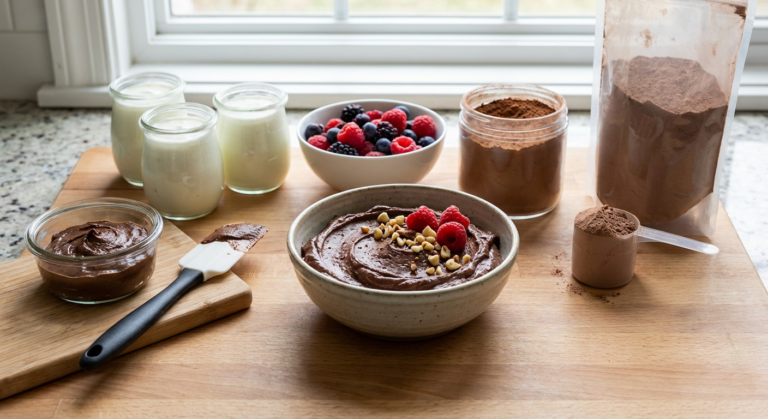
1. Greek Yogurt Desserts That Don’t Feel Like Diet Food
Plain Greek yogurt gets a bad rap because people abuse it. Used right, it’s elite.
Why it works
- High protein = appetite control
- Creamy texture = dessert signal
- Neutral flavor = flexible base
How I do it
- Full-fat Greek yogurt (don’t be scared)
- Berries or grated dark chocolate
- A drizzle of honey or maple syrup
- Pinch of salt (this is the secret)
Insider tip: Salt amplifies sweetness. You’ll use less sugar and feel more satisfied.
If you want a “no crash” lineup beyond yogurt bowls, check 10 best healthy desserts and indulgences for ideas that keep your cravings quiet. And if you want a simple upgrade tool I actually use, grab a set of small dessert bowls that makes portion control feel effortless.
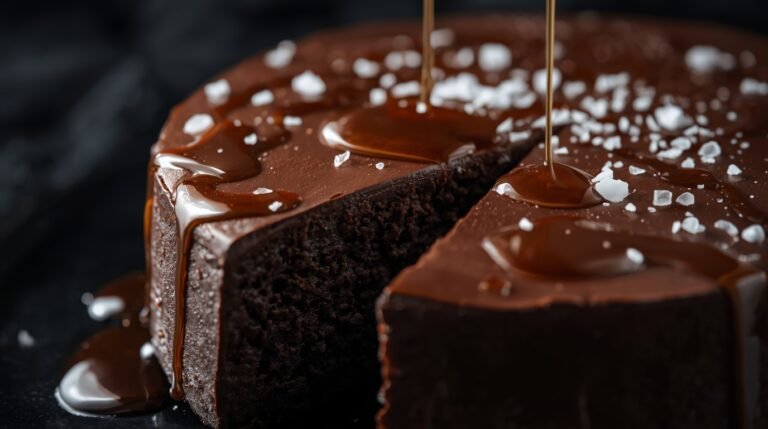
2. Dark Chocolate (Used Strategically, Not Emotionally)
Dark chocolate isn’t magic. Discipline makes it magic.
Why it works
- Fat slows sugar absorption
- Intense flavor limits portion creep
- Polyphenols actually help insulin sensitivity
Rules I follow
- 70–85% cacao
- Eat it after a meal, not alone
- Sit down. No scrolling.
Break these rules and the bar mysteriously vanishes. FYI, that’s not a metabolism issue—it’s dopamine chasing.
If you want a clean “default” option for your pantry, I’d start here: 85% dark chocolate bars that hit big flavor with smaller portions.

3. Frozen Fruit Desserts That Trick Your Brain
Frozen fruit changes texture, and texture changes satisfaction.
Why it works
- Cold dulls sweetness perception (you need less sugar)
- Chewing frozen fruit slows intake
- Volume without calorie chaos
My go-to
- Frozen bananas + berries
- Splash of milk or yogurt
- Blend until thick
Call it “nice cream” if you want. I call it effective.
If you want this to become a reliable weeknight move, your freezer setup matters more than your willpower. I explain the system in freezer-friendly prep saves healthy desserts. Also, if you don’t already have one, a high-power blender that actually handles frozen fruit without crying turns this from “occasionally” into “always.”
4. Chia Pudding (When Done Like an Adult)
Most chia pudding recipes fail because they taste like aquarium gravel.
Why it works
- Fiber + fat = long-lasting fullness
- Gel texture slows digestion
- Customizable sweetness
Non-negotiables
- Use full-fat milk or coconut milk
- Let it sit overnight
- Add vanilla and salt
If it tastes bland, you didn’t season it. That’s on you, not chia.
For a simple, consistent base, I like chia seeds that gel well (so you get creamy, not gritty), plus glass jars with lids that make grab-and-go desserts automatic.
5. Baked Apples That Hit the “Comfort” Button
This one surprises people.
Why it works
- Warm desserts feel indulgent
- Fiber blunts sugar absorption
- Cinnamon improves insulin response
Slice apples, bake with cinnamon, add a spoon of yogurt or nut butter. It feels like fall. It eats like dessert. It behaves like a snack that doesn’t sabotage you.
If you bake often, a ceramic baking dish that heats evenly makes the texture way better (aka more dessert-like, less “steamed apple situation”).
Why Low-Calorie Desserts Backfire (And Always Will)
Let’s talk psychology for a second.
Ultra-low-cal desserts:
- Don’t activate satiety hormones
- Trigger “I deserve more” thinking
- Train you to ignore hunger cues
Translation: You eat more later.
I’d rather you eat a real dessert—on purpose—than white-knuckle your way through sugar-free nonsense and snap at midnight 😛
Portion Control Without Willpower (My Favorite Trick)
Here’s a tactic I rarely see discussed: container friction.
- Serve dessert in a small bowl
- Put the rest away before you eat
- Sit down. No phone.
This isn’t discipline. It’s environment design. The brain hates effort. Use that.
If you want a practical upgrade that quietly changes everything, try portion-friendly containers that make “one serving” the default.

How Often Should You Eat Dessert Without Guilt?
Another myth: dessert must be “earned.”
I disagree.
If your dessert satisfies and stabilizes blood sugar, frequency matters less than quality.
I’d rather see dessert daily and controlled than occasional and chaotic.
Consistency beats restriction. Always.
The One Rule I Never Break
If a dessert makes me want more dessert, I don’t keep it in rotation.
That rule alone filters out 80% of fake “healthy” sweets.
The Real Insider Takeaway
Desserts you can eat without guilt don’t rely on deprivation. They rely on satisfaction.
When you stop fighting cravings and start designing around them, dessert stops being the enemy.
Eat sweets that feel intentional. Build desserts that end the conversation instead of starting another one.
That’s the difference between “treating yourself” and just eating like someone who knows what they’re doing.
— Me, signing off and probably grabbing a square of dark chocolate 🍫
Products / Tools / Resources: If you want this to feel easy (not like a nightly debate with your cravings), these tools help more than people admit: a high-power blender for frozen fruit desserts, glass jars for chia and yogurt prep, small dessert bowls for built-in portion control, a ceramic baking dish for baked fruit, and portion-friendly containers to stop “accidental seconds”. None of these make you “healthier” by themselves—but they make consistency stupidly easier, and that’s the whole game.
As an Amazon Associate, I earn from qualifying purchases.




One Comment