

Healthy Desserts That Don’t Trigger Cravings Diets Ignore
Ever felt that post-dessert betrayal? You know the one. An hour ago, you were in bliss, and now you’re wrestling a brain fog so thick you could cut it with a knife, all while fighting the urge to raid the pantry for more sugar. If you’re tired of that rollercoaster, you’ve found your holy grail. I’m going to show you how to make healthy desserts that don’t trigger cravings, and I promise, it’s not about eating sad, flavorless diet food. It’s about outsmarting your blood sugar, and it’s easier than you think.
Let’s be real: the advice out there is a mess. You’re told to eat fruit, but then you’re still hungry. You try a “sugar-free” recipe that tastes like sweetened cardboard. The frustration is enough to make you give up and just eat the damn cookie, right? Here’s the secret the wellness industry doesn’t want you to know: it’s not about willpower. It’s about food science. This is your definitive guide to breaking the cycle for good.
Table of Contents
- The Great “Healthy Sugar” Lie: Why Your Agave Nectar is Betraying You
- What are desserts that don’t spike blood sugar?
- The Insider’s Toolkit: Building a Craving-Safe Pantry
- Myth-Busting Common “Healthy” Dessert Traps
- Recipes That Actually Work: My Go-To Craving-Crushers
- The Advanced Strategy: Timing Your Desserts Like a Pro
- Your New Dessert Philosophy
- References
The Great “Healthy Sugar” Lie: Why Your Agave Nectar is Betraying You
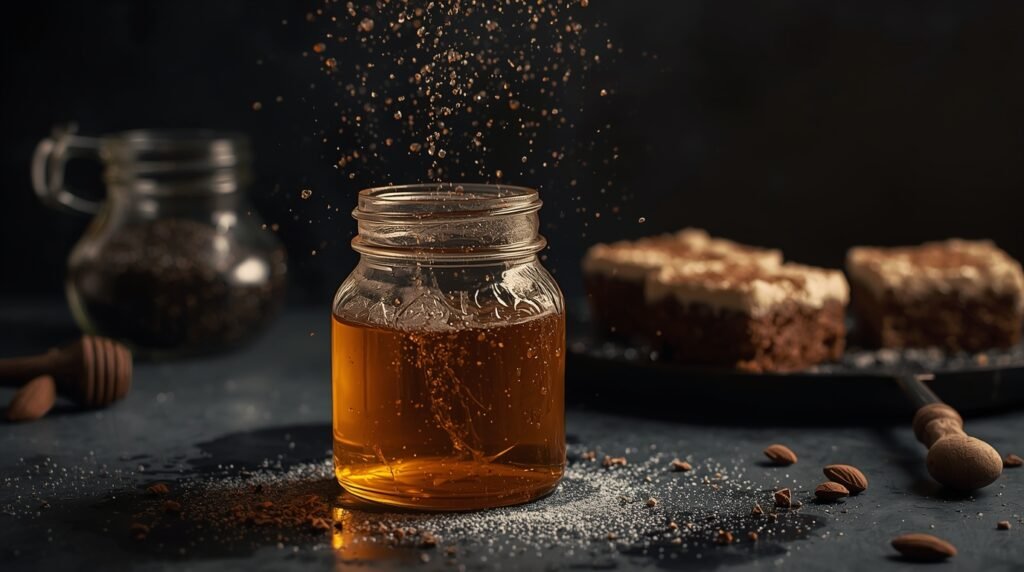
I’m going to say something controversial: that bottle of “natural” agave or maple syrup in your pantry is probably doing you more harm than good. For years, we’ve been told to swap white sugar for these supposedly virtuous alternatives. It’s a brilliant marketing trick, but it’s a biological lie.
Here’s the hard truth from someone who’s spent a decade digging into this: your body doesn’t really care if the sugar molecule came from a beehive, a maple tree, or a sugar cane field. Sugar is sugar. When it hits your bloodstream, it all gets processed as glucose, and if it’s a simple, fast-absorbing sugar, it’s going to send your blood sugar levels to the moon. That’s when your pancreas panics and releases a flood of insulin, the hormone that mops up all that excess sugar. The result? The infamous sugar crash, which leaves you feeling tired, irritable, and—you guessed it—craving more sugar. It’s a vicious cycle.
The real kicker? This cycle doesn’t just ruin your afternoon. Over time, these repeated blood sugar spikes can lead to some seriously scary health outcomes. We’re talking insulin resistance, Type 2 diabetes, nonalcoholic fatty liver disease, cardiovascular disease, and even cognitive dysfunction. And if that wasn’t enough, emerging research is linking chronic blood sugar instability to mental health conditions like anxiety and depression. Your mood swings after that “healthy” honey-sweetened treat? Not a coincidence.
But here’s where it gets even more insidious. Most commercial desserts aren’t just loaded with sugar. They’re also made with refined grains and processed seed oils. That all-purpose flour in your cookies? It behaves almost identically to pure sugar in your bloodstream. And those vegetable oils that food manufacturers love because they’re cheap? They may actually contribute to insulin resistance, making your body even worse at managing blood sugar. It’s a triple threat of metabolic chaos. If you want sweet options that feel indulgent but don’t hijack your appetite, start by studying what legit desserts you can eat without guilt actually have in common: slower carbs, better fats, and smart structure.
What are desserts that don’t spike blood sugar?
So, what’s the magic formula for desserts that don’t spike blood sugar? It’s not magic; it’s a simple, three-part strategy. A truly craving-safe dessert is built on a foundation of fiber, healthy fats, and protein.
Think of it like this: simple sugar is a race car with no brakes. It hits your system fast and hard. But fiber, fat, and protein are like speed bumps. They force your body to slow down the absorption of sugar, leading to a gentle, rolling hill of a glucose response instead of a terrifying spike and crash. This is the absolute key to creating craving-safe desserts. You get the sweet satisfaction without the hormonal chaos. IMO, this is the most overlooked aspect of healthy eating.
The Insider’s Toolkit: Building a Craving-Safe Pantry
Ready to stop being a victim of your dessert? It starts in the pantry. Ditch the junk and stock up on these powerhouse ingredients. This is my personal, battle-tested list for creating desserts that are both delicious and metabolically friendly.
| Ingredient Category | The Upgrade (What to Use) | The Downgrade (What to Ditch) |
|---|---|---|
| Flours | Almond Flour, Coconut Flour, Chickpea/Bean Flour | All-Purpose White Flour, Whole Wheat Flour |
| Sweeteners | Monk Fruit, Stevia, Allulose, Limited Whole Fruits (Berries, Apples) | White Sugar, Brown Sugar, Agave, Maple Syrup, Honey |
| Fats | Avocado, Nut Butters, Coconut Milk, Ghee, Grass-Fed Butter | Canola Oil, Vegetable Oil, Margarine, Other Processed Seed Oils |
| Binders & Thickeners | Chia Seeds, Flax Seeds, Greek Yogurt, Avocado | Cornstarch, Egg Replacers with Fillers |
My personal take: The single best swap you can make is switching from regular flour to almond flour. It’s a game-changer. It’s packed with protein and healthy fats, has a naturally rich and buttery flavor, and it completely transforms the nutritional profile of baked goods. You’re not just removing a negative (refined carbs); you’re adding a huge positive.
Pantry MVPs (optional but worth it)
If you want this to be effortless, keep the basics on standby. These are the exact “make it easy to win” staples that turn craving-safe desserts into a default, not a project.
- finely ground almond flour for better texture
- granulated monk fruit sweetener that bakes clean
- chia seeds for pudding and thickening

Myth-Busting Common “Healthy” Dessert Traps
Let’s clear the air on a few things. The wellness world is full of well-intentioned but misguided advice. As your friendly neighborhood expert, let me save you some trouble.
- “Just Eat Fruit” is Lazy Advice: Yes, fruit has fiber, but it’s also high in sugar. A banana on its own will still spike your blood sugar. The pro move? Pair it with fat and protein. Slice that banana and have it with a big scoop of almond butter. Now you’ve got a balanced, satisfying snack, not a sugar bomb.
- “Fat-Free” is a Red Flag: Remember the fat-free craze of the 90s? It was a disaster. When you remove fat, you remove flavor and satiety. Food manufacturers compensated by pumping products full of sugar to make them palatable. Healthy fats are your friend. They are essential for slowing down sugar absorption and keeping you full. Don’t fear the fat!
- Artificial Sweeteners Aren’t a Free Pass: While some non-nutritive sweeteners like monk fruit and stevia are great, don’t assume all zero-calorie options are equal. Some artificial sweeteners can still mess with your gut microbiome and, for some people, even trigger an insulin response. Stick to the naturally derived options.
Recipes That Actually Work: My Go-To Craving-Crushers
Talk is cheap. Let’s get to the good stuff. These aren’t just recipes; these are my tried-and-true solutions for when a sweet craving hits. They are designed to be delicious, satisfying, and, most importantly, leave you feeling fantastic. If you’re also chasing results without that “diet punishment” vibe, this pairs perfectly with the mindset behind healthy desserts for weight loss—keep it satisfying, keep it stable, and the rest gets easier.
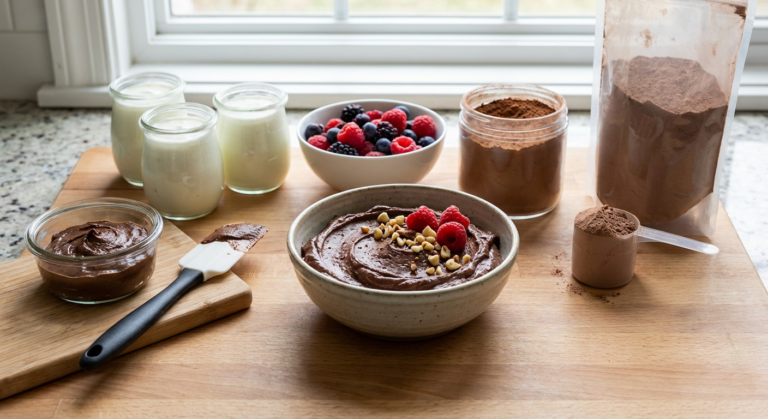
1. The “Can’t Believe It’s Not Sinful” Chocolate Avocado Mousse
Ever wondered why avocado toast is so popular? It’s the creamy, satisfying texture of the avocado. Now, imagine that in a dessert. This mousse is ridiculously rich, decadent, and packed with healthy fats and fiber. It’s my secret weapon.
- Ingredients:
- 1 large ripe avocado
- 1/4 cup unsweetened cocoa powder
- 3-4 tablespoons monk fruit sweetener (or to taste)
- 1/4 cup unsweetened almond milk
- 1 teaspoon vanilla extract
- A pinch of sea salt
Instructions: Combine everything in a blender. Blend until completely smooth. Chill for at least 30 minutes. That’s it. Seriously. 🙂 If you don’t already have a solid blender, that “silky mousse” texture gets way easier with a high-speed blender that actually emulsifies avocado.

2. Two-Ingredient Peanut Butter Cookies (Yes, Really)
This one feels like cheating, but it’s legit. These cookies are flourless, packed with protein, and take about 15 minutes from start to finish. They are the perfect example of desserts without sugar crashes.
- Ingredients:
- 1 cup natural peanut butter (the kind with just peanuts and salt)
- 1/2 cup allulose or monk fruit sweetener
- 1 egg
Instructions: Mix everything together. Roll into balls and place on a baking sheet. Press down with a fork in a crisscross pattern. Bake at 350°F (175°C) for 10-12 minutes. Let them cool completely before handling, as they’ll be delicate. For clean release and less frustration, a silicone baking mat that prevents sticking earns its keep fast.
3. The Ultimate Blood Sugar-Balancing Chia Seed Pudding
Chia seeds are a nutritional powerhouse. They are loaded with fiber, protein, and omega-3s. This pudding is the perfect make-ahead dessert or even breakfast. It’s creamy, satisfying, and you can customize it endlessly. If you want more ideas in this same “sweet but steady” lane, browse my roundup of best healthy desserts for zero-crash inspiration.
- Ingredients:
- 3 tablespoons chia seeds
- 1 cup full-fat coconut milk (from a can)
- 1 tablespoon monk fruit sweetener
- 1/2 teaspoon vanilla extract
- Toppings: Berries, chopped nuts, toasted coconut flakes
Instructions: Whisk everything together in a jar or bowl. Let it sit for 5 minutes, then whisk again to break up any clumps. Cover and refrigerate for at least 4 hours or overnight. Top with your favorites before serving.
The Advanced Strategy: Timing Your Desserts Like a Pro
Here’s an under-the-radar tactic that most people completely miss: when you eat dessert matters just as much as what you eat. If you’re going to indulge, the absolute worst time is on an empty stomach or first thing in the morning. That’s when your body is most sensitive to blood sugar fluctuations, and you’ll get the biggest spike and the hardest crash.
The smart move? Have your dessert after a balanced meal that includes protein, healthy fats, and vegetables. Your body is already in digestion mode, and the other nutrients will help buffer the sugar absorption. Even better, the fiber from your meal creates a protective barrier in your digestive tract, slowing down how quickly the sugar enters your bloodstream. This is why having a small piece of dark chocolate after dinner is way less problematic than eating a muffin for breakfast.
Another pro tip: if you’re going to have something sweet, make it smaller portions more frequently rather than one massive indulgence. Eating a little bit every few hours keeps your blood sugar more stable than fasting all day and then bingeing on dessert at night. Consistency is your friend here, not restriction.
Your New Dessert Philosophy
So, what’s the big insider takeaway here? Stop thinking about dessert as a “cheat” and start thinking about it as an opportunity. It’s an opportunity to nourish your body with healthy fats, fiber, and protein. It’s an opportunity to prove that you can satisfy your sweet tooth without sacrificing your health and energy.
The biggest mistake I see people make is approaching healthy eating with an all-or-nothing mentality. They think they need to be perfect, and the moment they’re not, they throw in the towel and eat an entire pint of ice cream. That’s not how this works. The goal isn’t perfection; it’s progress. It’s about making better choices most of the time and understanding the science behind why those choices matter.
Your mission, should you choose to accept it, is to try one of the recipes above this week. Don’t just make it; pay attention to how you feel an hour after you eat it. Notice the absence of the crash. Notice the sustained energy. Notice how you’re not immediately hunting for more food. That feeling is what this is all about. You’ve got this.
Go forth and conquer those cravings. I’ll be here, probably eating some chocolate avocado mousse.
References
- Levels: 10 Desserts less likely to spike blood sugar
- Sanford Health: Sugar crash effects and how to fix them
Products / Tools / Resources
- Almond flour (fine grind): Makes baked desserts feel “real” while keeping carbs lower and satiety higher. Shop almond flour options
- Monk fruit sweetener (granulated): A clean swap when you want sweetness without turning cravings into a second job. Browse monk fruit sweeteners
- Allulose sweetener: Useful when you want a more sugar-like behavior in baking (and less aftertaste for some people). Find allulose for baking
- Chia seeds: The simplest way to add fiber + thickness + staying power to dessert in one move. Get chia seeds
- High-speed blender: Turns “almost smooth” into silky—especially for mousse, puddings, and creamy textures. See high-speed blenders
As an Amazon Associate, I earn from qualifying purchases.




One Comment