

Quick Weeknight Dinners for Kids: The 30-Minute Meal Myth — An Expert’s Guide to Real Results
The clock hits 5:00 PM, and suddenly, your house transforms into a high-stakes, low-patience pressure cooker. You’re tired, the kids are hangry, and you just want to get a healthy meal on the table before someone—maybe you—has a meltdown. I know the feeling. I’ve been there, staring down a recipe that promised “30-minute magic” only to find myself still chopping onions 45 minutes later while my children were eating their own sleeves.
It’s frustrating, right? That false promise is the problem, and it’s why most parents fail at the weeknight dinner hustle. But what if I told you that getting genuinely quick weeknight dinners for kids isn’t about finding a better recipe; it’s about building a better system? This isn’t your grandma’s generic advice. I’m going to give you the insider playbook, the advanced tactics, and the myth-busting truth that will change your weeknights forever.
Table of Contents
Myth-Busting: Why Your “30-Minute” Recipe is a Liar

Ever wondered why those glossy cookbook recipes always take you longer than advertised? You’re not slow, and you’re not a bad cook. The truth is, the “30-minute meal” is a marketing gimmick, and I’m here to expose it.
What is the 30-minute meal myth?
The 30-minute meal myth is the deceptive practice of excluding all prep time—the peeling, the chopping, the mincing, and the gathering of ingredients—from the total cook time. A recipe that takes 30 minutes to cook often requires another 30 minutes of prep, which means you’re looking at an hour, not a half-hour. This is why you’re late for soccer practice.
The industry standard for a “quick” meal assumes you have a team of invisible sous-chefs who have already done the heavy lifting. They assume your garlic is already minced, your vegetables are already diced, and your water is already boiling. Since most of us don’t have a culinary staff hiding in the pantry, we need to adjust our strategy. The real secret to speed isn’t in the recipe; it’s in the mise en place, or the preparation. I’ve found that the only way to beat the clock is to move the prep time out of the “witching hour” and into a time when you’re less stressed (and yes, that’s exactly why I steer people toward simple healthy meals for families and kids that are built like systems, not dreams).
The critical takeaway here is this: If a recipe doesn’t explicitly say “5 minutes of prep,” assume it’s lying to you. Stop beating yourself up over it. You need to start thinking like a pro and separating the active cooking time from the passive prep time.
The Pro-Strategist’s Secret Weapon: Component Prep, Not Meal Prep

Forget the idea of spending your entire Sunday assembling five full, identical meals. That’s a recipe for burnout and food boredom. The advanced tactic I use, and what I teach all my clients, is Component Prepping.
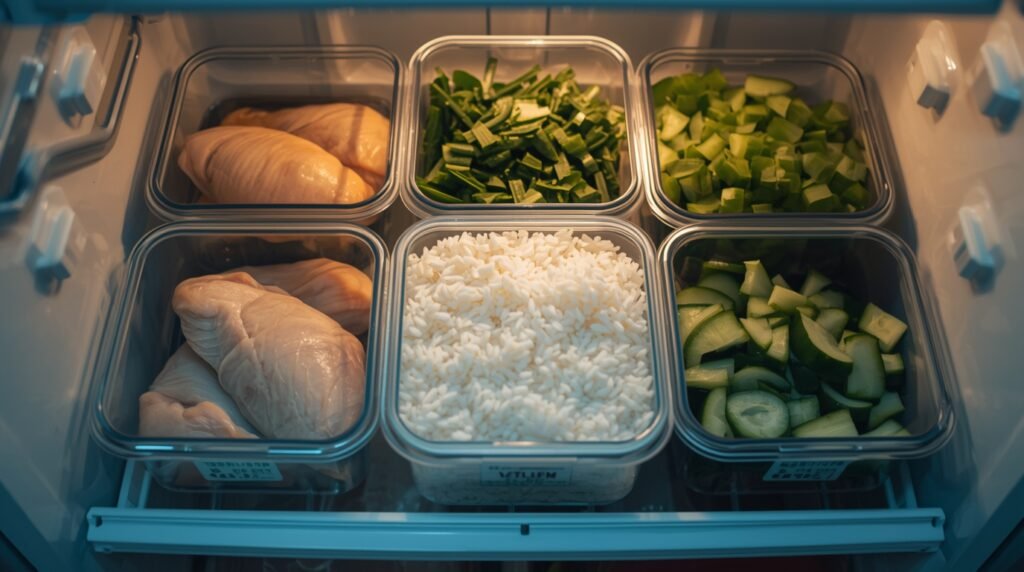
Component prepping is all about breaking down your meals into their core building blocks: proteins, starches, and vegetables. You cook these in bulk, keep them plain, and then mix and match them throughout the week. This is where the real magic happens, IMO.
| Component Type | Advanced Prep Tactic | Weeknight Payoff |
|---|---|---|
| Proteins | Batch-cook a large quantity of plain chicken breast, ground beef, or lentils. Shred the chicken and store it in the fridge. | Instant filling for tacos, pasta sauce, or quick chicken salad sandwiches. |
| Starches | Cook a double batch of quinoa, brown rice, or pasta. Store in airtight containers. | Ready-to-go base for grain bowls, fried rice, or a quick side dish. |
| Vegetables | Wash and chop all hard vegetables (carrots, celery, bell peppers) and store them in water. Wash all lettuce and greens. | Zero-effort stir-fries, instant salad additions, or a quick snack while you wait for the main dish. |
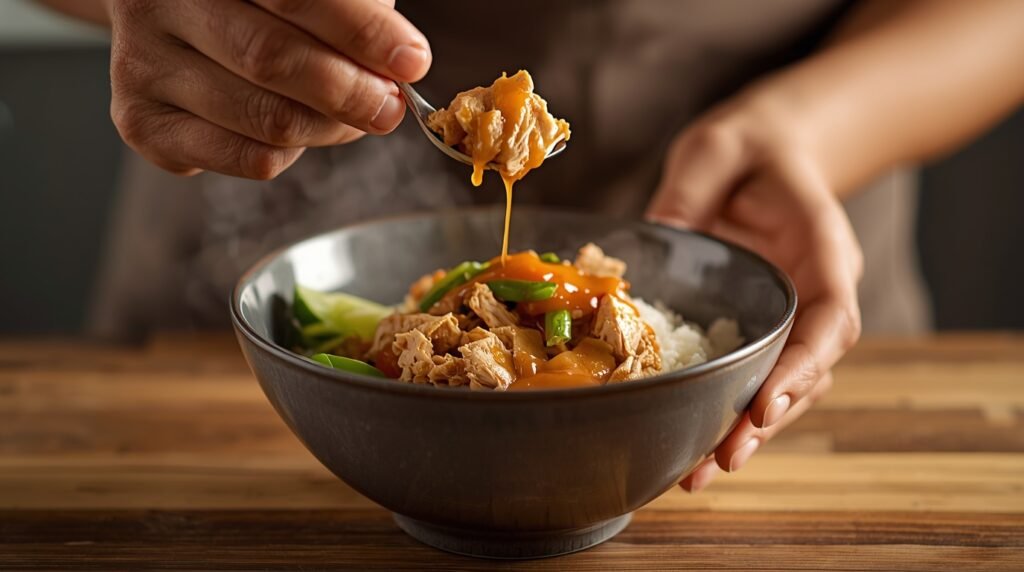
By having these three components ready, you can assemble a meal in less than 15 minutes. For example, pre-cooked rice + shredded chicken + a handful of pre-chopped bell peppers + a quick sauce from your Speed Pantry (more on that in a minute) equals a healthy, balanced meal faster than you can order delivery. This is the difference between cooking and assembling. We are aiming for assembly on a Tuesday night.
The “Speed Pantry”: Your Secret Ingredient for Instant Flavor
A well-stocked pantry is the foundation of any fast kitchen. But I’m not talking about canned beans and pasta. I’m talking about flavor boosters—the secret ingredients that turn plain batch-cooked components into a gourmet meal with a single spoonful. This is the insider knowledge that separates the pros from the amateurs.
Your Speed Pantry should be a curated collection of high-impact, low-effort ingredients. These are the items that deliver a massive punch of umami, acid, or spice without any chopping or simmering required.
- Umami Bombs: Miso paste (a spoonful in broth or water makes an instant soup base), anchovy paste (melts into pasta sauce for deep, savory flavor without tasting “fishy”), and nutritional yeast (for a cheesy, nutty flavor on popcorn or pasta).
- Acid & Brightness: High-quality vinegar (sherry or red wine), lemon and lime juice (always keep a bottle of the good stuff for quick dressings), and pickled jalapeños (instant crunch and heat).
- Aromatics (The Cheats): Pre-minced garlic and ginger (I know, I know, but on a Tuesday night, it’s a lifesaver), and pesto (a dollop on anything is a win).
- The Global Shortcut: Harissa paste (spicy North African flavor for roasted veggies), kimchi (instant side dish or stir-in for rice), and sesame oil (a few drops transforms any Asian-inspired dish).
When you have a plain bowl of rice and chicken, you can add a tablespoon of pesto and a squeeze of lemon for an Italian vibe, or a teaspoon of sesame oil and a spoonful of kimchi for a Korean-inspired bowl. This is how you keep your family from getting bored with batch-cooked food (and it’s exactly how healthy meals for families on budget stop feeling like “budget food” and start feeling like smart food).
The Kid Menu is a Trap (And How to Escape It)
Here’s a myth I love busting: the idea that you need to cook a separate, “kid-friendly” meal. The “kid menu” is a psychological trap that trains your children to be picky eaters and doubles your workload. Stop cooking two dinners.
The goal isn’t to force them to eat your adult meal; the goal is to expose them to it without pressure. This is where the “Deconstructed Dinner” and the “One-Bite Rule” come into play.
- Deconstruct the Meal: If you’re having tacos, don’t pre-assemble them. Put the shredded chicken, the tortillas, the cheese, and the salsa in separate bowls. Your kid can build their own, which gives them a sense of control and makes them more likely to eat it. This works for almost everything: pasta, bowls, even pizza.
- The One-Bite Rule: I am a huge proponent of the one-bite rule. I tell my kids, “You don’t have to like it, but you have to try one bite.” That’s it. No pressure, no pleading, no drama. If they don’t like it, they don’t have to finish it. The point is exposure. Consistency, not coercion, is the key to raising non-picky eaters.
Another advanced tactic? Enlist your kids as sous-chefs. Even a three-year-old can wash vegetables or tear lettuce. Not only does this shave minutes off your prep time, but kids are also exponentially more likely to eat something they helped prepare. It’s a win-win, and frankly, it’s free labor (if you want a deeper bench of Easy, nutritious and kid-approved recipes, that’s where you build variety without turning dinner into a second job).
Under-the-Radar Kitchen Hacks That Shave Off 15 Minutes

Now that we’ve covered the strategy, let’s talk about the tactical, in-the-moment hacks that make a real difference. These are the things I do every single time I step into the kitchen.
1. The “First Step” Rule
This is non-negotiable. Your very first action when you walk into the kitchen should be to preheat the oven or start boiling the water. Don’t unpack your bag, don’t check your phone, and don’t even look at the recipe. Do this first. A preheated oven or a rolling boil is the biggest time-saver in the kitchen, and it’s a passive one. You can do everything else while the heat does its job.
2. The Trash Can Hack
This is a simple but powerful trick. Bring your trash can or a large “scrap bowl” right next to your cutting board. Clean as you go. Instead of walking back and forth to the bin, you simply sweep your scraps directly into the container. This keeps your workspace clean, reduces the mental load of cleanup, and makes you feel like a hyper-efficient pro.
3. Tool Optimization: Embrace the Sheet Pan
If you’re not using a sheet pan for at least two dinners a week, you’re doing it wrong. Sheet pan dinners are the ultimate one-pan solution. Toss your protein (chicken thighs, sausage, or tofu) and your chopped, prepped vegetables (broccoli, potatoes, carrots) with a little olive oil and seasoning, and throw it in the oven. Minimal cleanup, maximum flavor. The Dutch oven and the pressure cooker are also your friends for quick, deep-flavor meals like chili or stew.
4. The “Frozen is Fine” Mindset
Let’s bust the final myth: that using frozen or pre-cut ingredients is “cheating.” It’s not cheating; it’s efficiency. Frozen vegetables are often more nutritious than fresh ones because they are flash-frozen at peak ripeness. Use frozen pre-cut onions, pre-minced garlic, and pre-cooked rice packets. Your time is more valuable than the five minutes you save chopping an onion. Embrace the shortcuts.
Products / Tools / Resources
If you’re actually trying to make weeknight dinners faster (not just feel inspired by the idea of speed), these are the few things I’ve found pull real weight without turning your kitchen into a gadget museum:
A heavy-duty sheet pan that won’t warp for hands-off dinners and less cleanup, an instant-read thermometer so you stop overcooking chicken “just to be safe,” sturdy glass containers with lids for component prep that doesn’t smell like last week’s leftovers, a big scrap bowl to keep prep from turning into a walking workout, and a basic rice cooker if rice shows up in your week more than once (set it, forget it, move on with your life).
As an Amazon Associate, I earn from qualifying purchases.



One Comment