How to Get Kids to Eat Healthy Meals Without Bribes
Here’s the truth: how to get kids to eat healthy meals isn’t a “find the perfect recipe” problem. It’s a systems problem.
The problem is most parents accidentally run a nightly food negotiation like it’s a hostage situation. Then they wonder why the kid holds out for crackers and rage.
Good news: picky eating is common, and it’s usually fixable with boring, repeatable mechanics—not Pinterest magic. (No offense to Pinterest. Actually, some offense.)
Table of Contents
- Why Kids Reject Healthy Food (And Why It’s Not “Bad Parenting”)
- Stop Fighting. Start Structuring: The Adult/Kid Job Split
- The Repeat-Exposure Rule: Your Secret Weapon
- Build a Kid-Proof Plate (So “Healthy” Actually Gets Eaten)
- Reduce Friction With Systems: Snacks, Prep, and Defaults
- Dessert Without Drama: Stop Making Sugar the Trophy
- Frequently Asked Questions
- Bottom Line: The Insider Takeaway
Why Kids Reject Healthy Food (And Why It’s Not “Bad Parenting”)
Snippet answer: To get kids to eat healthy meals, reduce pressure, serve predictable meal routines, include one “safe” food, and repeat new foods many times in tiny portions. Kids accept healthy foods through exposure, autonomy, and smart presentation—not lectures, bribes, or battles.
Fast forward to what’s actually happening in your kitchen: your kid’s brain treats new foods like suspicious software from an unknown developer. It doesn’t “install” without repeated prompts.
Also, kids aren’t mini-adults. Their taste buds are more sensitive, bitter tastes hit harder, and texture can feel like betrayal. A mushy zucchini? That’s basically a cyberattack.
And yes—picky eating is common. Some research reviews show prevalence estimates all over the place depending on definitions and age, which should tell you one thing: this is normal enough that it’s been studied to death. See a clinical overview on picky eating behaviors here: PubMed Central review.
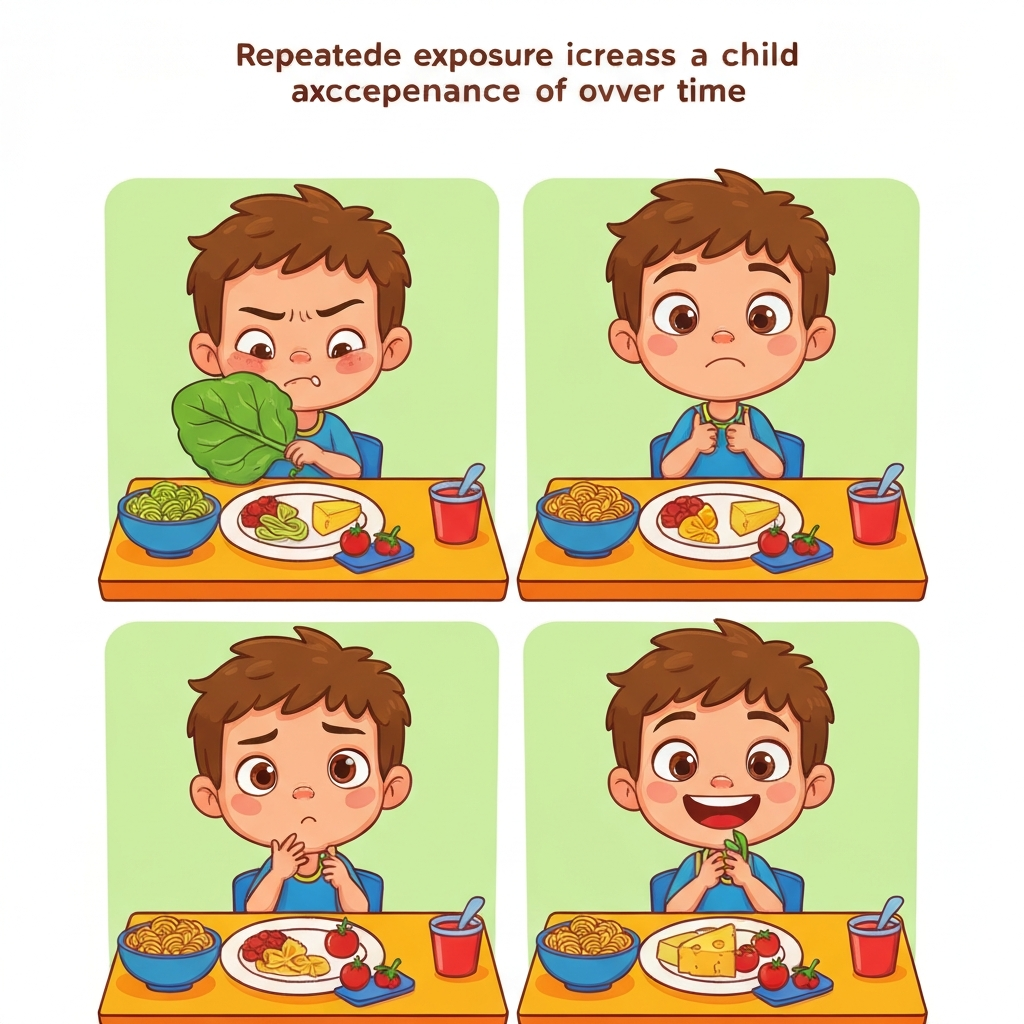
What actually makes kids resist “healthy”?
- Control: Food is one of the few domains where kids can say “no” and mean it.
- Novelty: New smell + new texture + new color = instant skepticism.
- Pressure: The more you push, the more they push back. Humans do this too, we just call it “standards.”
- Inconsistent routines: Grazing all day kills appetite at meal time. Then you get a “picky eater” who… isn’t hungry.
If you want a family-friendly structure (without turning dinner into a TED Talk), keep a few “go-to” options on rotation. I built a full system here: healthy meals for families and kids made simple.
Stop Fighting. Start Structuring: The Adult/Kid Job Split
Bottom line: your job is the what/when/where. Your kid’s job is whether/how much. If you blur that line, you create a control war—and you’ll lose to someone who can scream louder and has fewer meetings tomorrow.
This approach maps closely to the “Division of Responsibility” model: adults choose the menu and schedule; children choose intake. It’s widely referenced in child feeding guidance, including summaries from the Ellyn Satter Institute: Satter Division of Responsibility.
The no-BS house rules (that actually work)
- Fixed meal + snack windows. No all-day grazing.
- One meal for the family. Include at least one “safe” item (rice, bread, fruit, plain pasta, etc.).
- No commentary on bites. Don’t count, don’t praise bites like they cured disease.
- Neutral re-offers. “You don’t have to eat it.” Then move on.
The CDC has similar practical guidance for picky eaters: keep offering foods again and again and make repeated tries easier. See: CDC: Picky Eaters.
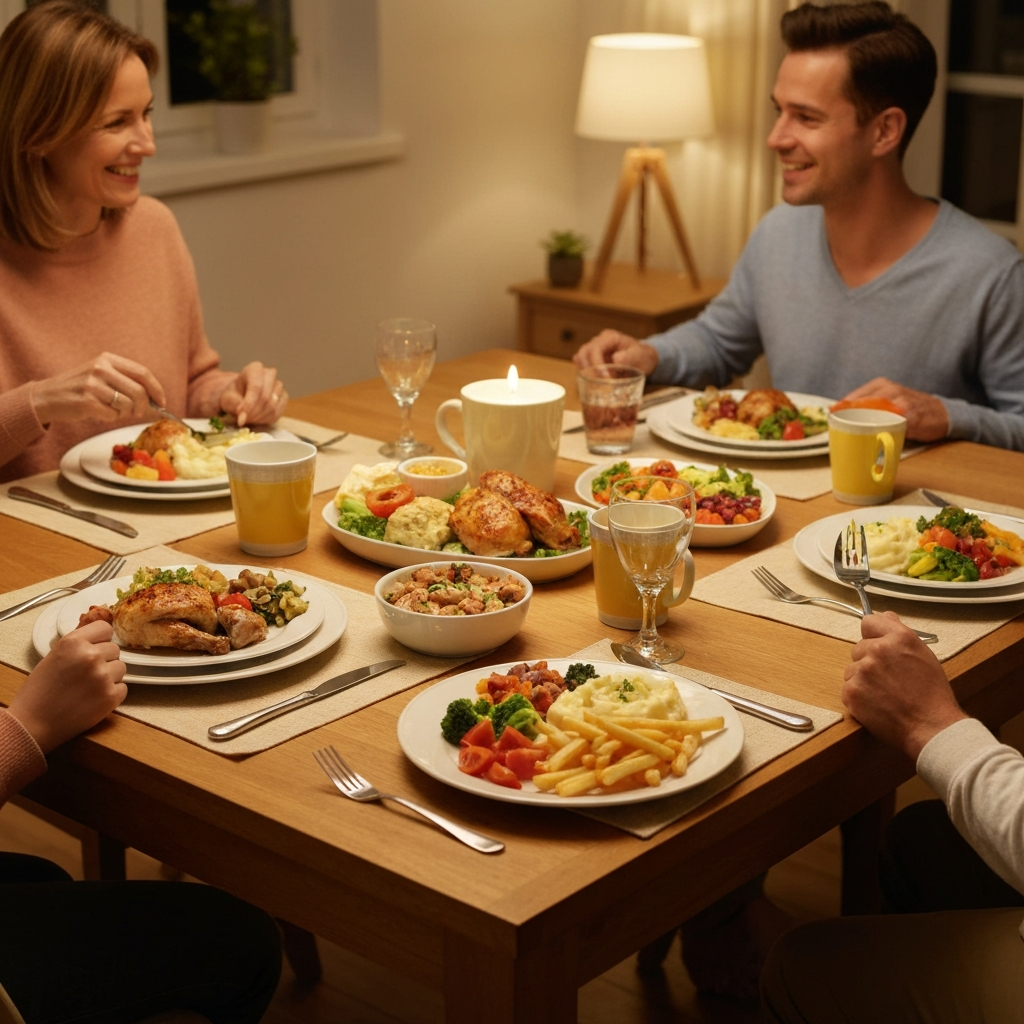
What sucks (and you should stop doing)
- Bribing: “Two bites and you get dessert” teaches: vegetables = pain, sugar = reward.
- Short-order cooking: You accidentally train your kid to reject the menu.
- Threats: They work short-term and poison long-term trust around food.
The Repeat-Exposure Rule: Your Secret Weapon
If you remember one thing: it usually takes multiple exposures before a kid accepts a new food. Not once. Not twice. Not “he licked it and made a face.”
Children’s Hospital of Philadelphia puts it plainly: research suggests it can take 8 to 15 introductions before a child accepts a new food. Parents often quit after 3–5 tries, which explains a lot. Source: CHOP: Feeding a Picky Eater.
USDA’s MyPlate guidance echoes this “keep offering” approach for toddlers, noting it may take 8 to 10 times before they like a new food. Source: USDA MyPlate: Toddlers.
How to run repeat exposure without wasting food (or your sanity)
- Micro-servings: One pea. One thin carrot stick. Half a strawberry. You’re training acceptance, not building a salad bar.
- Same food, different form: Roasted carrots today, shredded carrots tomorrow, carrot coins next week.
- Pair with a “bridge”: New food next to a favorite food. Not buried under it.
- Keep it boring: Serve it again. Calmly. Like a software update your kid eventually stops noticing.
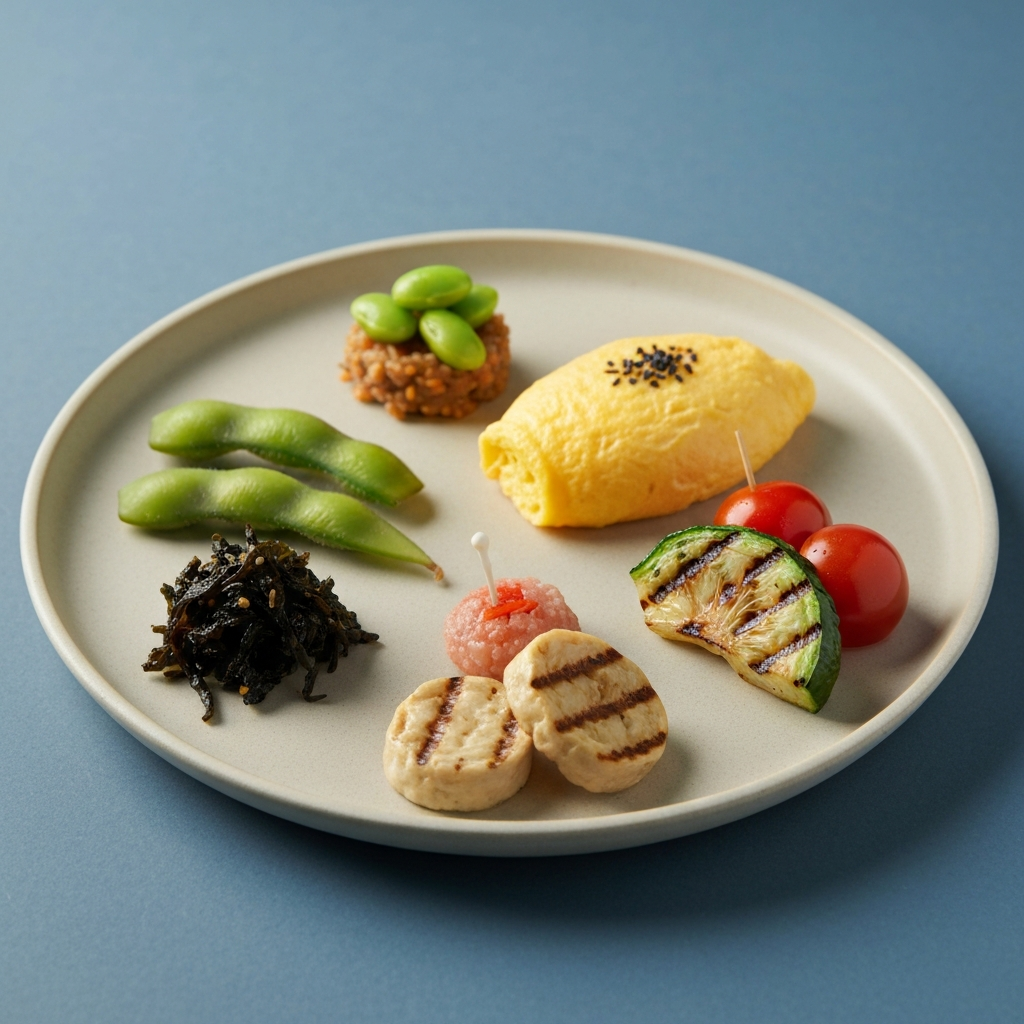
Pro tip: Keep a “try bite” plate in the middle of the table. Let kids take (or ignore) a bite without it being assigned to them like homework.
Build a Kid-Proof Plate (So “Healthy” Actually Gets Eaten)
Most “healthy meals” fail because they’re designed for adult logic, not kid behavior.
Kid behavior loves: predictable shapes, clear separation, and sauces/dips. You can fight that reality, or you can ship features that users actually adopt.
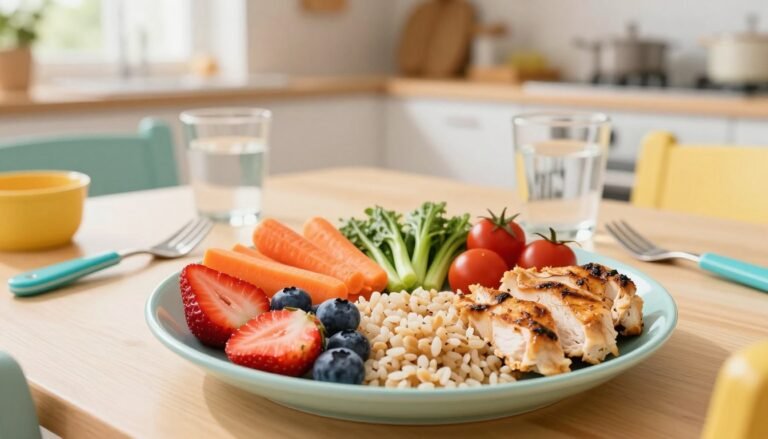
The Build-a-Plate template (simple, repeatable)
- Protein: chicken, eggs, Greek yogurt, beans, tuna, tofu
- Carb: rice, potatoes, pasta, tortillas, whole-grain toast
- Produce: fruit or veg (or both), served easy-mode
- Fat/flavor: olive oil, avocado, cheese, tahini, pesto, dips
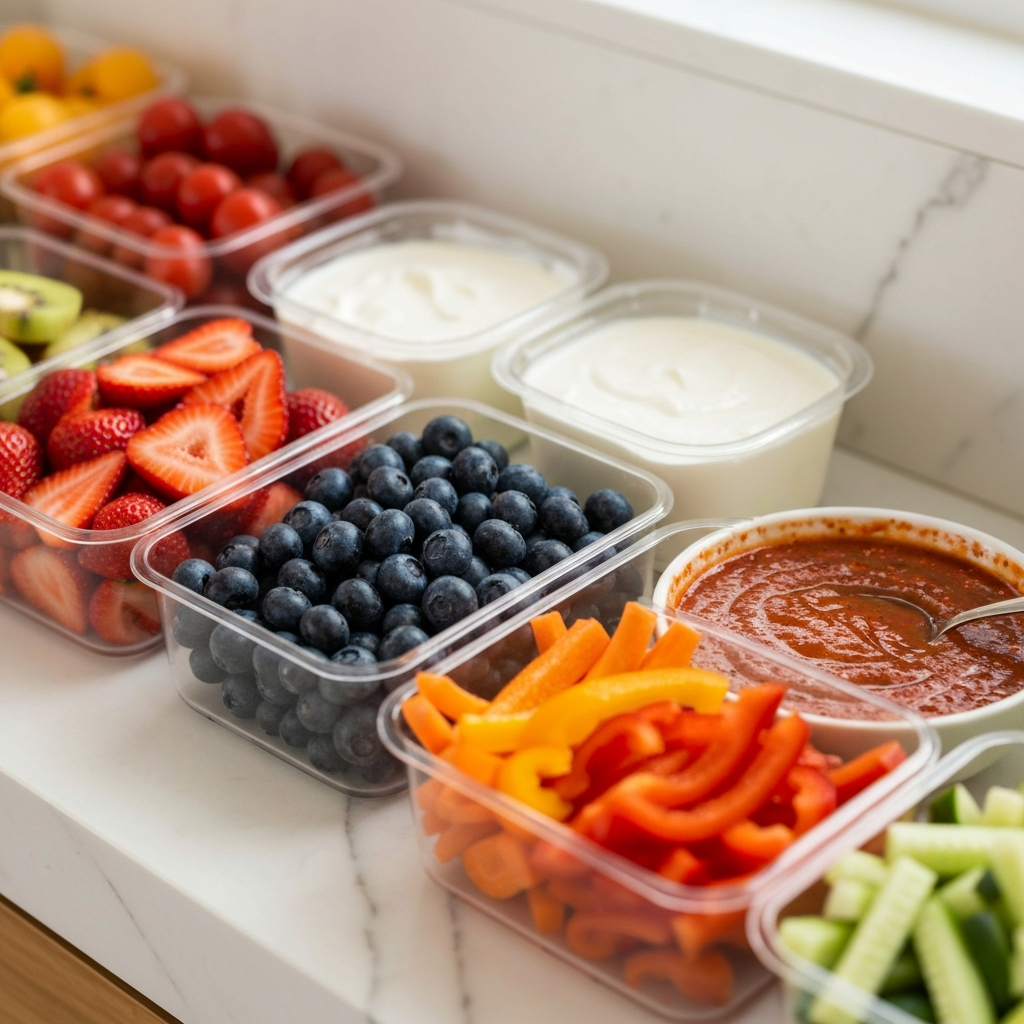
Easy-mode produce list: cucumbers, sweet peppers, cherry tomatoes (cut), roasted carrots, berries, apples, bananas. Start there. Save the kale sermon for later.
If you need quick dinner options that don’t require an engineering degree at 6:30pm, use this: quick weeknight dinners for kids.
Use dips like a grown-up (strategically)
Kids will try foods they can “control” with dipping. That’s not cheating; that’s product design.
- Greek yogurt ranch: yogurt + lemon + garlic + dill
- Hummus: store-bought is fine; we’re not auditioning for a cooking show
- Peanut/almond butter: with apples, bananas, toast
- Marinara: for meatballs, roasted veg, “pizza-ish” plates
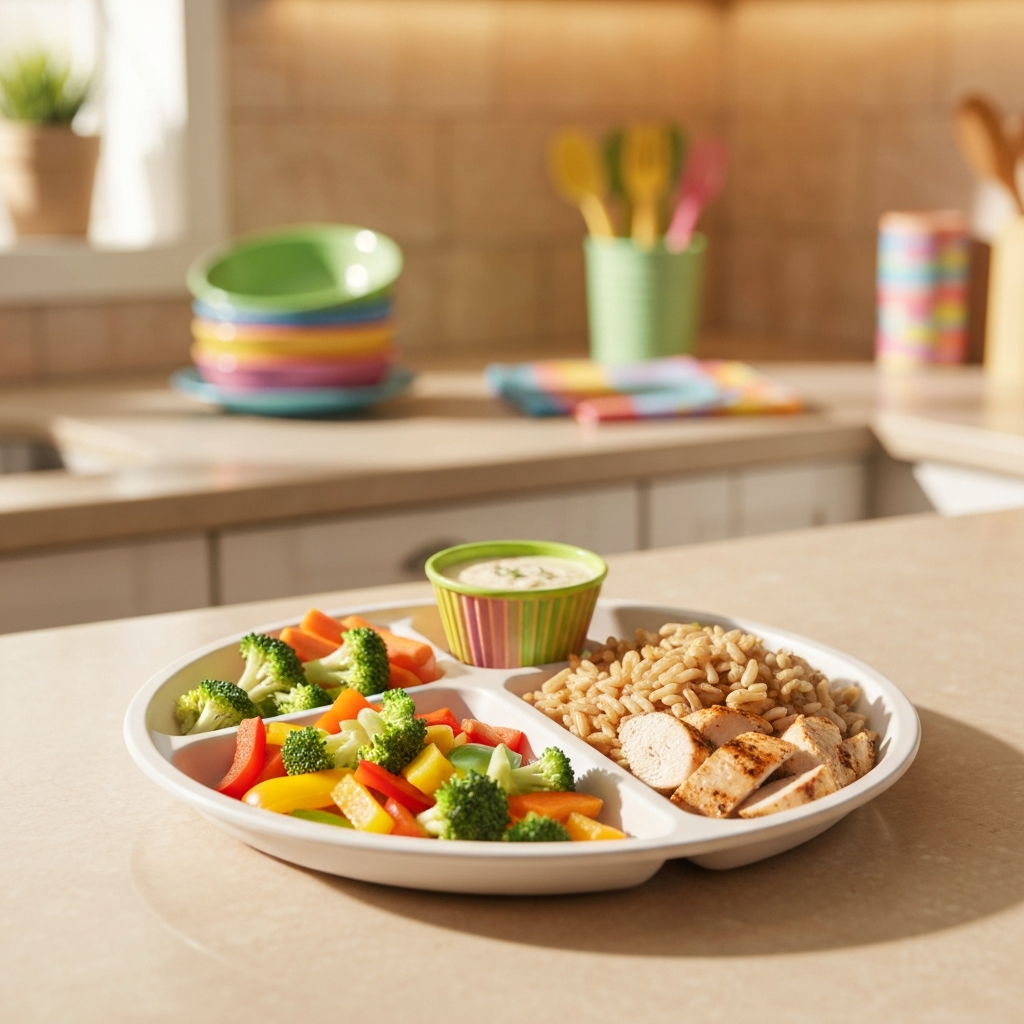
Tools that remove friction (yes, tools matter)
When you lower friction, you increase compliance. That’s true in software and in parenting.
My top “make healthy easier” kit: divided plates, bento lunch boxes, small dip containers, kid-safe knives, and silicone muffin cups (great for portioning).
Reduce Friction With Systems: Snacks, Prep, and Defaults
If your house runs on chaos, your kid will eat chaos. That means: random snacks, random meal times, random “just one cookie.” Then dinner arrives and you’re shocked the appetite is gone.
Fix the system and the behavior follows.
The 2-snack rule (simple and ruthless)
- Snack 1: protein + fruit (yogurt + berries, cheese + apple, eggs + grapes)
- Snack 2: produce + dip (cucumber + hummus, peppers + yogurt dip)
This matters because snacks silently set your kid’s baseline nutrition. When snacks are junk, you’re trying to “make up for it” at dinner. That’s a losing strategy.
The “default dinner” rotation
Pick 6–8 dinners you can run on autopilot. Rotate them. Improve them slightly over time. That’s how adults actually maintain habits.
- Taco night: set out bowls; kids build their own
- Sheet pan chicken + potatoes + carrots
- Pasta + meatballs + “try veg” (one broccoli floret counts)
- Breakfast-for-dinner: eggs + toast + fruit
- Rice bowls: rice + protein + cucumber + sauce
Scripts that help you not over-talk it
- When they say “yuck”: “You don’t have to eat it.”
- When they ask for a different meal: “This is what’s for dinner. You can choose what you want from what’s here.”
- When they negotiate dessert: “Dessert isn’t a deal. Sometimes we have it, sometimes we don’t.”
If you want the broader family structure and meal flow, revisit: healthy meals for families and kids made simple.
Dessert Without Drama: Stop Making Sugar the Trophy
Using dessert as leverage is one of the most common “seems smart, is dumb” strategies.
Why it backfires: you’re teaching your kid that vegetables are a chore you endure to earn the real prize.
What to do instead
- Serve dessert sometimes, with dinner. No conditions. No bargaining.
- Keep portions sane. Dessert can exist without taking over the food universe.
- Separate dessert from performance. Kids shouldn’t have to “perform eating” to access sweets.
And if you’re thinking “but won’t they only eat dessert?” Sometimes they will. Then it becomes boring faster than you think when it’s not rare and weaponized.
Frequently Asked Questions
How long does it take for a kid to accept a new healthy food?
Often 8 to 15 tries. Keep portions tiny, keep pressure low, and keep serving it. CHOP summarizes this well: 8–15 introductions.
Should I make a separate meal for my picky eater?
No. Offer one family meal with one safe food included. If you cook custom meals on demand, you train refusal and guarantee more refusal.
What if my child refuses vegetables completely?
Start with easy vegetables (cucumber, sweet peppers, roasted carrots), add a dip, and repeat exposure. The CDC recommends offering foods again and again, even if they don’t like them at first: CDC picky eater guidance.
Is it okay to use dessert as a reward?
Most of the time, no. It turns dessert into a trophy and healthy food into punishment. If you want less drama, remove dessert from negotiations and keep it occasional and neutral.
Bottom Line: The Insider Takeaway
Here’s the truth: how to get kids to eat healthy meals comes down to structure + exposure + low-pressure consistency. Not lectures. Not bribes. Not “one more bite or else.”
Run the system: set meal/snack windows, serve one family meal with one safe food, re-offer new foods 8–15 times in tiny portions, and use dips + simple plate templates to make healthy food feel normal.
Do that for a few weeks and you’ll notice something wild: dinner stops feeling like a courtroom.
And if you slip up? Welcome to parenting. Reset at the next meal. You get unlimited deploys.
As an Amazon Associate, I earn from qualifying purchases.