15 Nutrient-Dense Ingredient Swaps For Sauces & Dips
Nutrient-dense ingredient swaps are the fastest way to make your “normal” recipes work harder—more protein, fiber, and micronutrients—without tasting like punishment. The problem is most swaps on the internet are texture crimes: dry muffins, watery sauces, and “cauliflower everything” that nobody actually wants twice.
I’ve spent the last decade recipe-testing like an adult with bills: if a swap doesn’t survive real life (kids, weeknights, leftovers), it’s out. This guide is the stuff that actually holds up—ratios, what to expect, and where people usually mess it up.
Table of Contents
- What makes a swap “nutrient-dense” (and not just sad)
- The 4 rules of swapping without ruining texture
- The best nutrient-dense ingredient swaps (with ratios)
- Quick swaps by recipe type
- My go-to pantry for smart swaps
- Frequently Asked Questions
- Bottom line
What makes a swap “nutrient-dense” (and not just sad)
Nutrient-dense ingredient swaps increase useful nutrition per bite—think more protein, fiber, potassium, iron, folate, omega-3s—without exploding calories or destroying the recipe’s structure. If your “upgrade” makes the food inedible, it’s not an upgrade. It’s kitchen theater.
Nutrient-dense ingredient swaps work best when you replace an ingredient with a similar cooking function (fat-for-fat, starch-for-starch, acid-for-acid), while adding protein/fiber/micronutrients. Start with partial swaps (25–50%), taste and adjust, then scale up if texture stays solid.
Also, let’s be honest: “healthy” is a useless label. A swap can be “healthy” and still be a bad idea if it turns your sauce grainy or your pancakes gummy.
When I need a quick sanity check, I use boring but credible references: the USDA FoodData Central for nutrition numbers, the FDA’s added sugars guidance for why your “low-fat” snack is basically candy, and the NIH omega-3 fact sheet when people start claiming flax seeds are a miracle drug (they’re great; they’re not magic).

If you want more swap ideas beyond what’s in this guide, this roundup of smart ingredient hacks and swaps is a good companion list—just remember: ratios matter.
The 4 rules of swapping without ruining texture
Rule #1: Identify what the ingredient does. Is it fat (tenderness), sugar (moisture + browning), flour (structure), eggs (binding + lift), or dairy (creaminess + acid)? People fail because they swap “nutrition” and ignore “physics.” Food is chemistry wearing a cute apron.
Rule #2: Start with partial swaps. I know you want to go full send. Don’t. Swap 25–50% first, taste, then adjust. This is especially true for flours and sweeteners.
Rule #3: Balance moisture. Greek yogurt is thick, almond flour is thirsty, zucchini is basically a sponge full of water. If you don’t account for water, your recipe will punish you.
Rule #4: Fix seasoning at the end. When you add more whole foods (beans, whole grains, veggies), you often need more salt, acid (lemon/vinegar), or a hit of umami. This is why “healthy food is bland” is mostly user error.

The best nutrient-dense ingredient swaps (with ratios)
These are my repeat offenders—the swaps I use because they actually improve the food, not because they make a nutrition label look trendy.
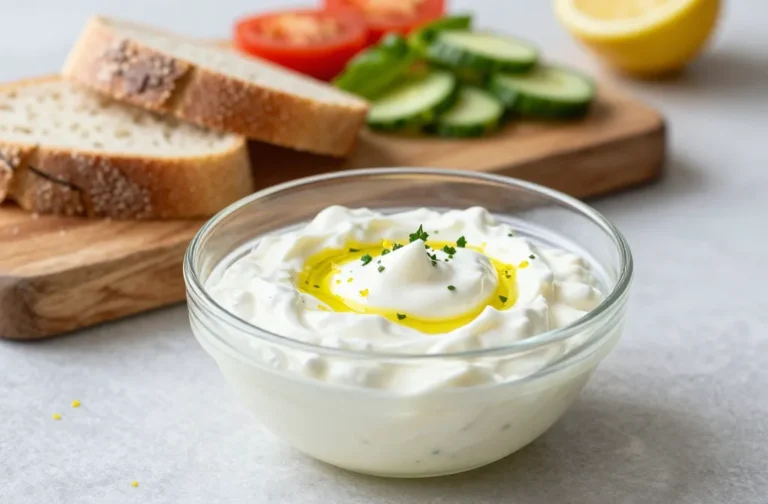
1) Greek yogurt for sour cream (and half the mayo)
Best for: tacos, dips, creamy dressings, potato salad, baked goods needing moisture.
How to swap: 1:1 for sour cream. For mayo, start with 50/50 mayo + Greek yogurt, then push further if you like the tang.
No-BS note: Fat-free yogurt can taste like chalky sadness. Use 2% or whole if you want people to stop noticing your “healthy version.”
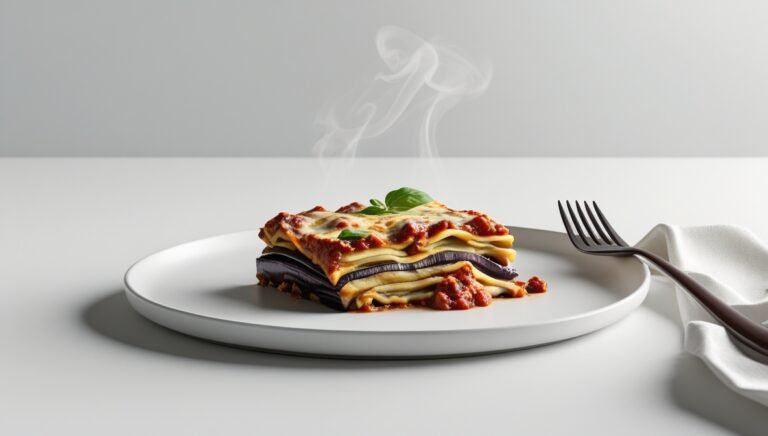
2) Cottage cheese (blended) for ricotta or heavy cream vibes
Best for: lasagna, creamy pasta sauces, quesadillas, high-protein dips.
How to swap: Blend smooth; sub 1:1 for ricotta. For cream sauces, start with 1/2 cup blended cottage cheese + 1–2 tbsp milk to thin.
Why it works: You get creaminess plus a protein bump without needing a quart of cream.
3) Lentils (cooked) for part of ground beef
Best for: chili, taco meat, bolognese, shepherd’s pie.
How to swap: Replace 25–50% of the meat with cooked brown/green lentils. Keep the pan hot and season aggressively (cumin, smoked paprika, garlic, soy sauce or Worcestershire).
Bottom line: You’re keeping the “meaty” texture while adding fiber and minerals. If you go 100% lentils and call it “bolognese,” your Italian friend will block you.
4) Quinoa (or barley) for white rice
Best for: bowls, soups, casseroles, stuffed peppers.
How to swap: 1:1 cooked volume. Rinse quinoa first unless you enjoy bitterness. Barley takes longer but is worth it in soups.
Why it works: More protein/fiber than white rice, and it actually tastes like food. Harvard’s nutrition team is pretty clear that whole grains are associated with better health outcomes compared to refined grains.

5) Oat flour for part of all-purpose flour
Best for: muffins, pancakes, quick breads, cookies (especially chewy ones).
How to swap: Replace 25–50% of the flour by weight (not volume, if possible). Oat flour absorbs more—add a splash more liquid if batter looks stiff.
What sucks: Going 100% oat flour and expecting a fluffy cake. That’s not how structure works.
6) Ground flax or chia for 1 egg (binding, not fluff)
Best for: cookies, pancakes, dense muffins, veggie fritters.
How to swap: Mix 1 tbsp ground flax or chia + 3 tbsp water; wait 5–10 minutes. That’s one egg’s worth of binding.
Nutrition angle: Chia/flax add fiber and ALA omega-3s (NIH has the details on omega-3s if you want to nerd out).
7) Nutritional yeast for “cheesy” flavor without a salt bomb
Best for: popcorn, pasta, roasted veggies, soups, vegan-ish sauces.
How to swap: Use 1–2 tbsp anywhere you’d add Parmesan for savory depth. It’s not cheese, but it scratches the same itch.
Insider tip: Combine with a pinch of garlic powder and lemon juice. That trio is basically umami engineering.
8) Pureed pumpkin or sweet potato for some oil/butter
Best for: brownies, muffins, quick breads, pancakes.
How to swap: Replace 25–50% of the butter/oil with puree. Example: recipe calls for 1/2 cup oil—use 1/4 cup oil + 1/4 cup pumpkin.
Why it works: You keep moisture while sneaking in carotenoids and fiber. The browning changes a bit, so don’t judge it by color alone—use a toothpick.
Want more “regular pantry” swaps that don’t require a specialty store trip? This list of everyday ingredient swaps is solid for weeknight cooking.
9) Tahini or nut butter for part of heavy cream (and for richer sauces)
Best for: creamy soups, salad dressings, noodle sauces.
How to swap: Start with 1–2 tbsp tahini whisked into hot liquid, then thin with water/stock. For dressings: 2 tbsp tahini + 2 tbsp lemon + 2 tbsp water + salt.
No-BS note: If your tahini is bitter, your sauce will be bitter. Buy better tahini. Life is short.
10) Beans (pureed) for part of flour in brownies/cookies
Best for: brownies, dense chocolate cakes, cookie dough bites.
How to swap: Replace up to 25% of the flour with pureed black beans or white beans. Add extra vanilla + cocoa to cover bean notes.
Reality check: This is an “advanced” swap. If you’re new, start with lentils in chili. Earn your bean-brownie badge later.

Quick swaps by recipe type
Because sometimes you’re mid-recipe with flour on your shirt and you don’t want a lecture.
Baking (muffins, pancakes, quick breads)
- Swap 25–50% white flour for oat flour (adds fiber; keep structure).
- Swap 25–50% oil for pumpkin/applesauce (moisture + micronutrients; less greasy).
- Use Greek yogurt to replace sour cream or part of milk for tenderness.
Sauces and dressings
- Greek yogurt + lemon replaces mayo-heavy dressings without tasting “diet.”
- Tahini makes instant creamy texture; thin with water/stock as needed.
- Nutritional yeast adds savory depth where you’d normally add more cheese/salt.
Soups, stews, and chili
- Blend in white beans for creaminess instead of cream.
- Use lentils to stretch meat and add fiber (nobody complains when it’s seasoned right).
- Swap rice for barley/quinoa for more chew and more nutrition.
Breakfast and snacks
- Chia pudding beats most “protein bars” that are basically candy with marketing.
- Greek yogurt + berries + nuts is the simplest upgrade: protein, fiber, micronutrients.

One more “veteran” point: if you’re reducing sugar, don’t pretend it’s just sweetness. Sugar affects browning and moisture. The FDA’s guidance on added sugars is a useful reminder that lots of packaged foods are quietly doing you dirty—so your home-cooking swaps can actually matter.
My go-to pantry for smart swaps
If you stock these, you can upgrade most recipes on autopilot:
- Plain Greek yogurt (2% or whole): sauces, baking, marinades.
- Canned pumpkin: baking and oatmeal.
- Cooked lentils (batch-cook and freeze): tacos, chili, soups.
- Oat flour (or just grind oats): quick bakes.
- Ground flax or chia: binding, thickening, fiber boost.
- Nutritional yeast: savory depth without “more salt.”
- Tahini: creamy sauces and dressings in 60 seconds.
And yes, you can go even deeper into swap-land. Wikipedia’s overview of nutrient density is a decent high-level primer if you want the formal definition without anyone trying to sell you a detox tea.

If you’re the type who likes having options, revisit these ingredient hack ideas and this practical list of everyday swaps—then apply the rules from earlier so you don’t accidentally invent sadness muffins.
Frequently Asked Questions
Will nutrient-dense ingredient swaps ruin the taste?
If you do them like a spreadsheet (1:1 swaps with zero testing), yes. If you match function first and start with partial swaps, they usually improve taste. The goal is “tastes great,” not “tastes healthy.”
What’s the safest swap for baking without turning muffins into hockey pucks?
Greek yogurt for moisture, oat flour for up to 25–50% of the flour, and flax/chia for binding. Keep some all-purpose flour for structure, and don’t overmix—overmixing is how you manufacture toughness.
How do I swap sugar without ending up with a bitter, weird aftertaste?
Reduce sugar 20–30% first (most recipes are oversweet). Then add mashed banana, applesauce, or dates. If you use high-intensity sweeteners, blend them and keep a little real sugar for browning and texture.
Are seed oils or olive oil better for swaps?
Extra-virgin olive oil is great for flavor and most cooking. For high-heat searing, use refined olive oil or avocado oil. What’s actually bad is using strong-flavored oils in delicate baking. Your banana bread shouldn’t taste like vinaigrette.
Bottom line
Here’s the truth: the best nutrient-dense ingredient swaps are the ones nobody notices. They keep the same cooking function, improve flavor (or at least don’t harm it), and quietly stack protein/fiber/micronutrients in your favor.
Pick two swaps this week—Greek yogurt in a sauce and lentils in a meat dish are the easiest wins—then iterate. Your future self will thank you. Your current self will still get dessert. That’s the deal.
As an Amazon Associate, I earn from qualifying purchases.