
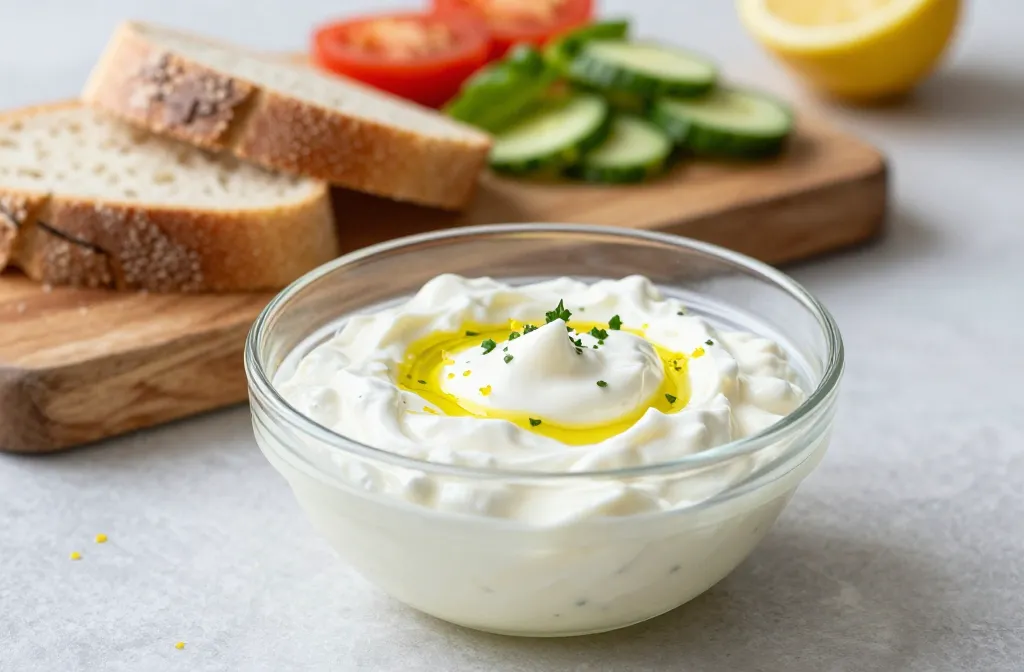
Greek Yogurt Mayo Swap: a Powerful Kitchen Secret That Delights
An easy swap that packs a punch. It’s lighter, creamier, and surprisingly versatile. FYI, your mayo habit just found its healthier, tastier counterpart.
What Makes Greek Yogurt Mayo Swap So Special?

Greek yogurt brings tang, creaminess, and a protein punch without the heaviness of traditional mayo. When you swap it in, you reduce calories and saturated fat while boosting texture and flavor. Curious how it all works? It’s all about the balance of acidity and richness that yogurt naturally provides. Health benefits of yogurt as a protein source show yogurt can support satiety and gut health, which helps when you’re portion-conscious.
How to Make the Swap Work in Everyday Dishes

Start with a 1:1 substitution in dressings and sauces. If you’re making a classic mayo-based sauce for sandwiches, whisk Greek yogurt with a touch of lemon juice, Dijon mustard, and olive oil to regain the silky texture. Want extra punch? Add herbs, citrus zest, or garlic to tailor it to your taste. For a richer feel, you can blend in a splash of neutral oil to fine-tune mouthfeel.
Smart Ratios for Different Dishes
– Dressings: 3 parts yogurt to 2 parts mayo, plus acid and seasoning.
– Dips: 1 part mayo to 1 part yogurt, then play with herbs.
– Sandwich spread: 1:1 swap, but add a pinch of sugar or honey to balance tang.
Scientific perspective on fat content and texture in dressings helps explain why yogurt achieves that creamy finish without tipping chalky.
Health Benefits You’ll Notice

You’ll likely see fewer calories per serving and higher protein content with Greek yogurt. This swap can support satiety, which may help with snacking discipline. If you’re watching cholesterol, the lighter fat profile can be appealing, though you should compare labels because some yogurts add extra thickeners. For a broader nutrition picture, check out American Society for Nutrition for ongoing research on dairy and health.
Digestive Benefits
Greek yogurt contains live cultures that may aid gut health. That probiotic boost can be a nice side effect when you swap mayo for yogurt in sauces that you’ll eat frequently. If you’re curious about gut microbiome basics, a reputable source is National Geographic’s gut health explainer.
Common Pitfalls and How to Avoid Them
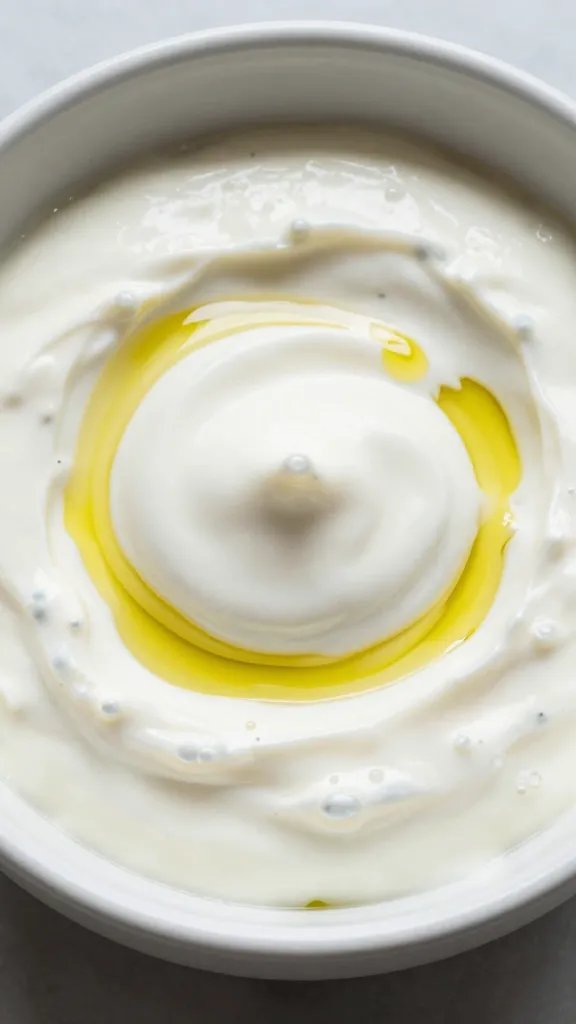
The biggest risk is ending up with a runny sauce. The fix: drain the yogurt slightly or use Greek yogurt labeled as “strained.” If your yogurt is too tangy, balance with a touch of honey or maple syrup, and adjust salt. Also, choose a yogurt with minimal added sugar and skimmier fat if you aim for a lighter outcome.
Choosing the Right Yogurt
– Plain, unsweetened Greek yogurt with at least 2% fat works best for creaminess.
– For dairy-free or vegan guests, use coconut or almond yogurt, but be aware of flavor differences. FDA labeling guidance can help you read ingredients to avoid hidden sugars.
Flavor Personalization — Make It Your Own
The yogurt mayo swap invites customization. Stir in fresh herbs like dill, chives, or parsley. Add minced garlic for a quick aioli vibe. A pinch of smoked paprika or hot sauce can turn a bland sauce into a showstopper. FYI, balance is key: yogurt brings acidity; add fat (oil) and salt to round it out. For inspiration, reputable sources on flavor balance include Cook’s Illustrated approach to sauces.
Seasoning Guidelines
– Start with salt, pepper, lemon juice, and a touch of Dijon.
– Gradually whisk in oil to reach desired creaminess.
– Taste and adjust acidity with more lemon or vinegar as needed.
Different Dishes Where It Shines
– Chicken or tuna salad: yogurt mayo adds moisture without heaviness.
– Coleslaw: swap mayo with yogurt and a splash of vinegar for crisp-tresh texture.
– Dips: mix yogurt with cucumber, herbs, and garlic for a Greek tzatziki-inspired dip.
– Sandwich spreads: a lighter version that still clings to bread without sliding.
Beyond Sauces: Breakfast and Bakes
Use yogurt mayo in egg salad, or as a tangy base for deviled eggs. It can also work in baked potato toppings or as a light mayo substitute in tuna patties. If you’re curious about how dairy substitutes behave in baking, the Encyclopaedia Britannica dairy guide offers a solid primer on texture changes when replacing fats.
Safety, Storage, and Longevity
Store yogurt mayo in an airtight container in the fridge and use within 3–5 days for best flavor and safety. If you notice separation, whisk it back together; it’s normal with dairy-based dips. Always keep perishable foods cold to avoid bacterial growth. For food safety best practices, the FDA Food Safety Basics page is a reliable resource.
FAQ
Is Greek yogurt mayo swap healthier than regular mayo?
Absolutely. Greek yogurt typically reduces calories and fat while increasing protein content. Your results depend on the yogurt you choose and how you balance the other ingredients.
Can I use this swap in hot sauces or grilled dishes?
Yes, but avoid adding it to extremely hot sauces for too long, which can break down texture. Use it as a finishing touch or in sauces that aren’t exposed to intense heat for extended periods.
What if I don’t like tangy flavors?
Balance with a little sweetness, such as honey or a touch of maple syrup, and add a neutral oil to mellow the tang. You can also reduce the yogurt ratio a bit and increase oil for more mellow flavor.
Are there dairy-free options that still work well?
Yes. Use unsweetened dairy-free yogurt, like almond or coconut yogurt, and pair with neutral oil to mimic mayo texture. Expect a slightly different flavor profile, but it still delivers creaminess.
How do I store leftovers safely?
Keep in an airtight container in the fridge and use within 3–5 days. If senses say something’s off (smell, texture), discard.
Conclusion
If you’re chasing a lighter, more versatile mayo option, the Greek yogurt mayo swap is your secret weapon. It’s simple, adaptable, and surprisingly robust in both everyday sauces and fancy dips. IMO, once you try it, you’ll wonder how you ever lived without it. FYI, small tweaks matter—balance tang, creaminess, and salt, and you’ve unlocked a kitchen move that travels well from sandwich spreads to game-day dips. Give it a whirl, and tag me in your best recipe wins.






4 Comments
Comments are closed.