Natural Sweeteners: 6 Honey & Maple Alternatives For Baking
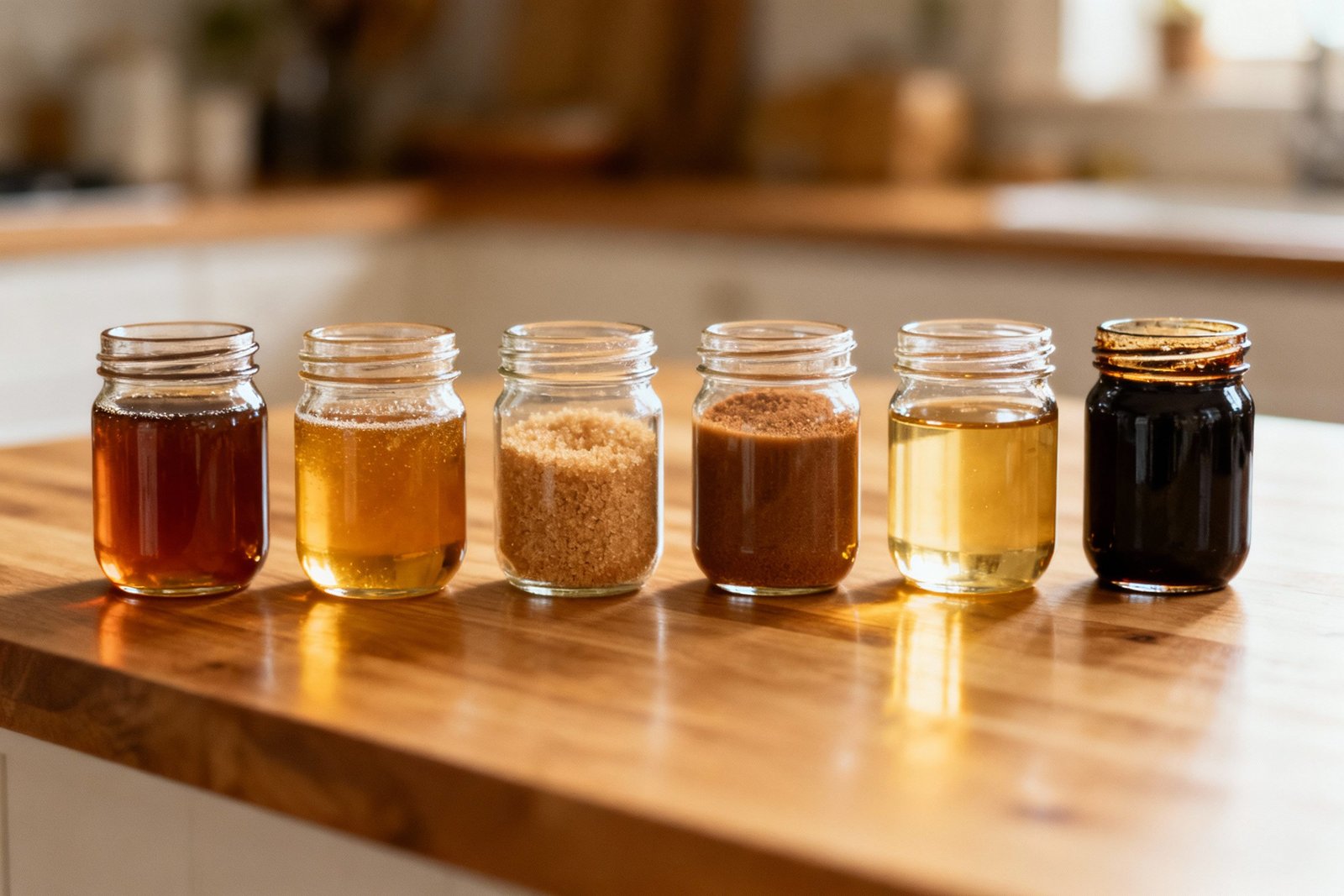
You love baking, but honey and maple syrup keep stealing the spotlight? Let’s give the other natural sweeteners some time to shine. Whether you’re out of honey, avoiding maple, or just bored (relatable), there are plenty of delicious options that bring unique flavor, texture, and moisture to your bakes.
Grab your mixing bowl—these sweet swaps might just become your new go-tos.
Why Bother Switching From Honey or Maple?
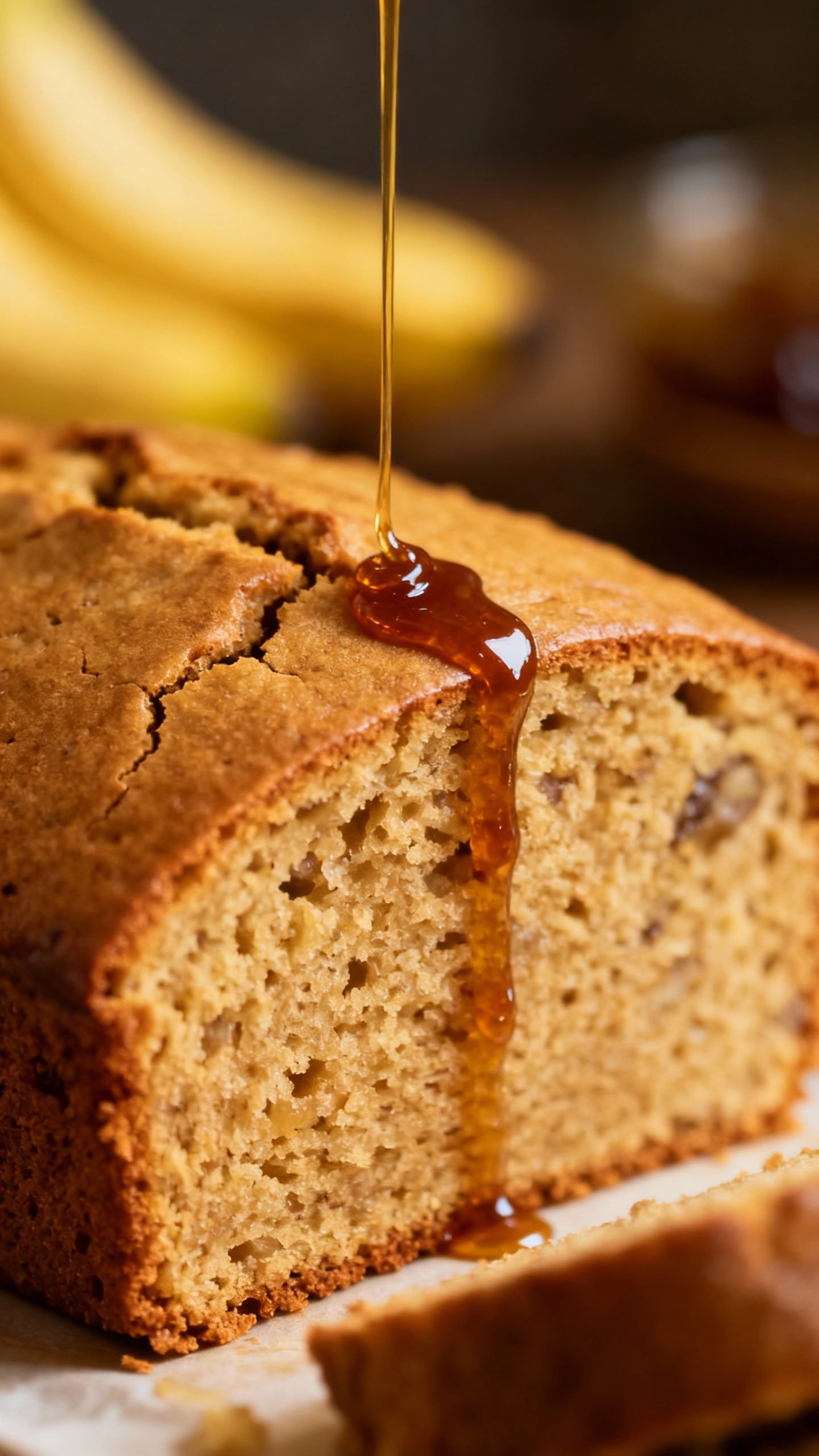
Maybe you want a different flavor. Maybe you’re vegan, or you need something lighter, or you want a more budget-friendly option. Or maybe you just like trying new stuff—same.
Baking rewards experimentation. Different sweeteners change texture, browning, and moisture—aka the whole vibe of your cookies, cakes, and breads. Using the right sweetener makes your bakes taste better and bake better. Win-win.
1) Coconut Sugar: Caramel Vibes, Low Drama
Coconut sugar looks like brown sugar’s cool cousin and tastes like light caramel.
It won’t make your cake taste like a pina colada—promise. How to use it:
- Swap 1:1 for white sugar in most recipes.
- For honey or maple, use 1 1/4 cups coconut sugar plus 1-2 tablespoons extra liquid per cup of liquid sweetener.
Why it’s great:
- Mild, toasty flavor that plays nice with chocolate, banana, and coffee bakes.
- Lower moisture than honey, so it helps cookies hold shape.
Heads up: It doesn’t dissolve as easily as granulated sugar. Cream it well with butter or whisk thoroughly with liquids. IMO it shines in muffins, quick breads, and brownies.
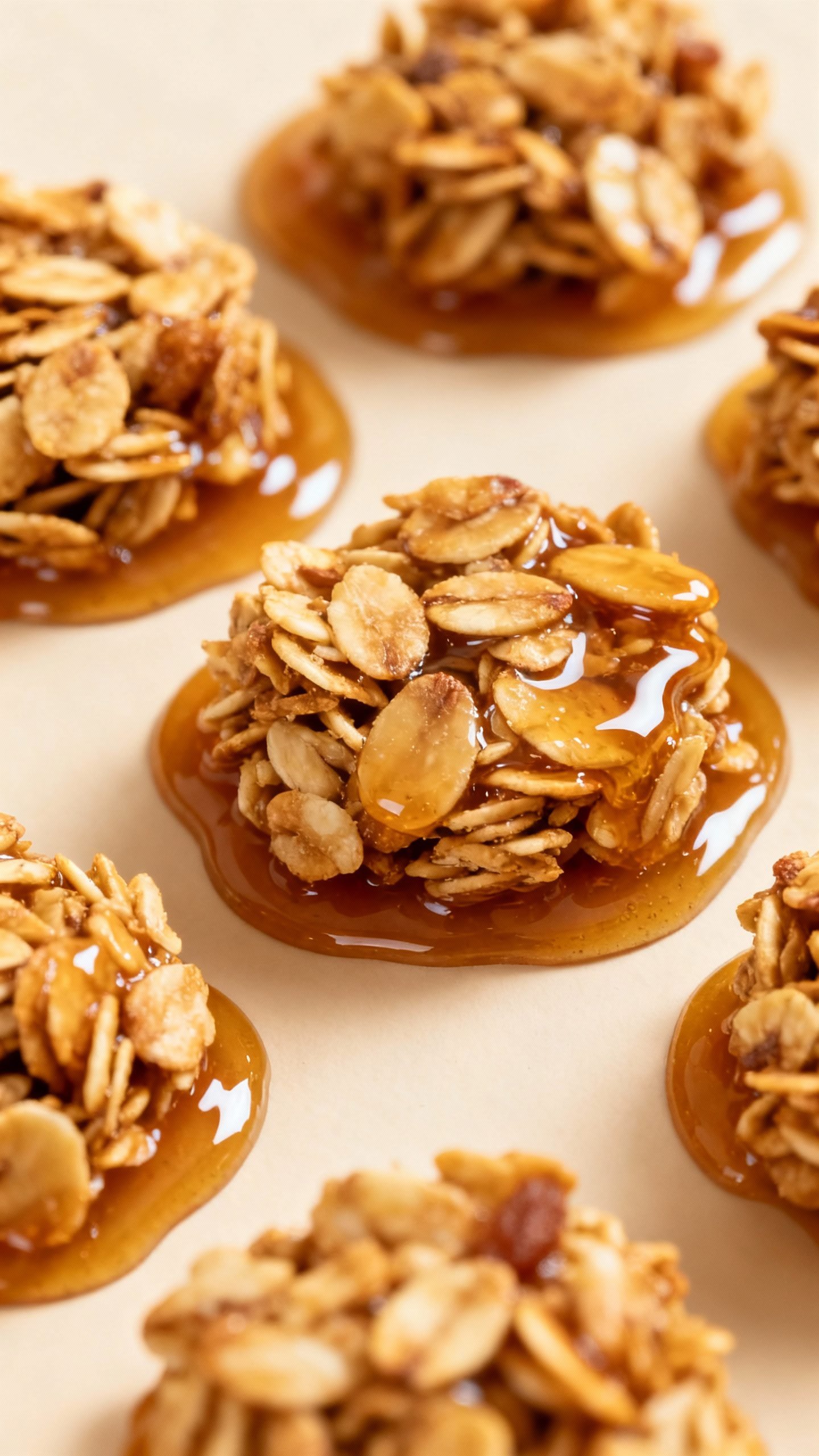
2) Date Syrup: Rich, Fruity, and Underrated
Date syrup tastes like molasses met caramel and they decided to behave.
It brings natural fruit notes and deep sweetness without the bitterness of molasses. How to use it:
- Swap 1:1 for honey or maple by volume.
- Reduce other liquids by 1-2 tablespoons per cup of date syrup.
Best in:
- Banana bread, gingerbread, granola, oatmeal cookies.
- Glazes and quick sauces for upside-down cakes.
Flavor tip: Add a pinch of espresso powder or cinnamon to accent the caramel notes. You’re welcome.
When Date Syrup Beats Honey
Use it when you want darker flavor and more body. It makes vegan bakes feel luxurious without heavy sweetness.
FYI, it browns quickly—lower your oven temp by 15°F if things darken too fast.
3) Agave Nectar: Smooth, Light, and Sneaky Sweet
Agave nectar tastes neutral and dissolves instantly. It’s sweet—like, very sweet—so you can use a little less. How to use it:
- Use 2/3 to 3/4 cup agave for every 1 cup honey or maple.
- Reduce other liquids by 2-3 tablespoons per cup of agave.
- Drop oven temp by 25°F to prevent over-browning.
Best in:
- Lemon bars, citrus cakes, cheesecakes, and chilled desserts.
- Glazes where you want sweetness, not flavor drama.
Note: Agave gives chewiness to cookies and a tender crumb to cakes. It doesn’t add much flavor, which can be great or boring.
Your call.
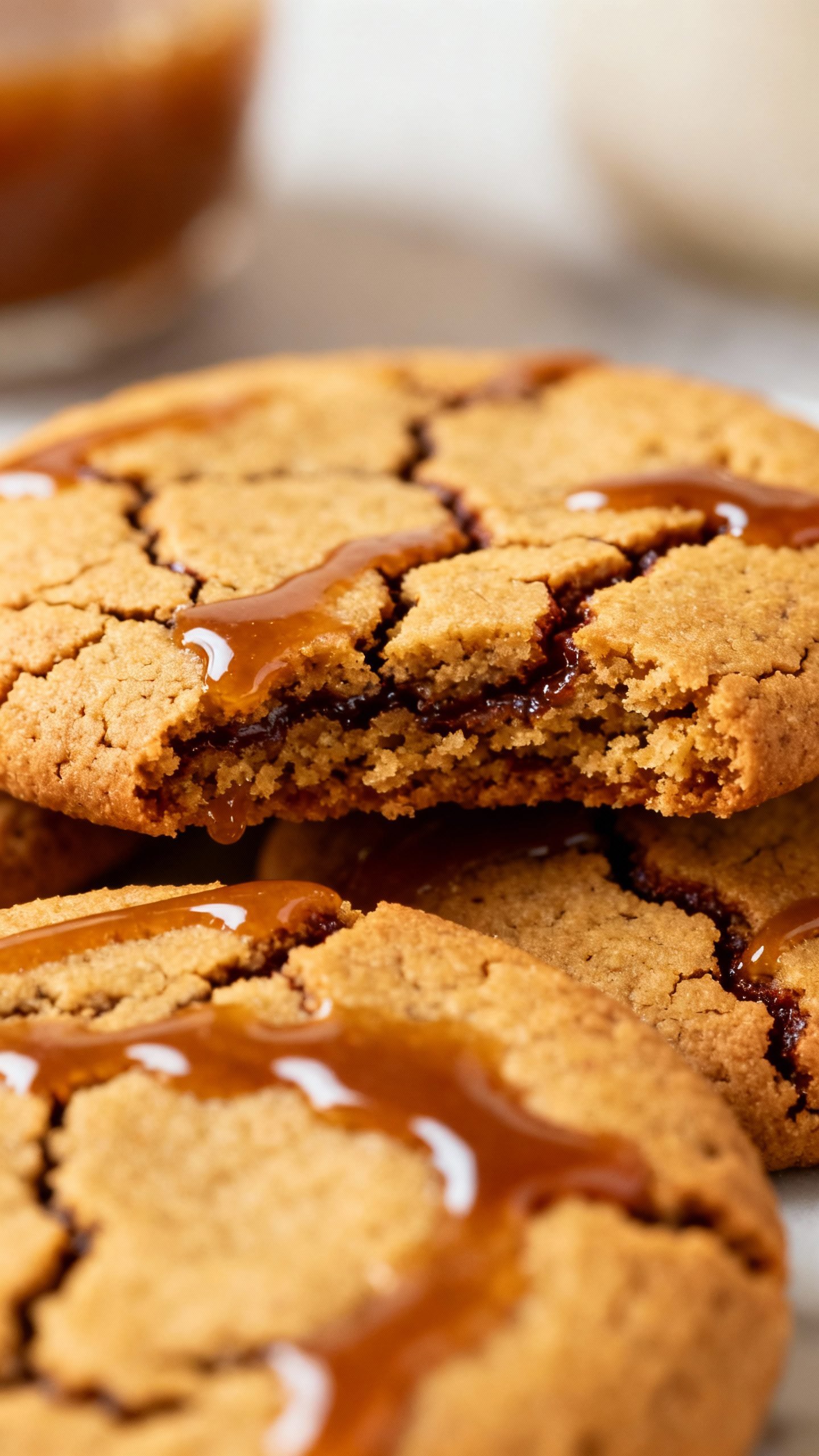
4) Brown Rice Syrup: Not-Too-Sweet and Ultra-Sticky
This one brings mild sweetness and a thick, sticky texture. It’s less sweet than honey, so it won’t hijack your recipe. How to use it:
- Use 1 1/4 cups brown rice syrup for 1 cup honey or maple.
- Reduce other liquids by 1-2 tablespoons per cup used.
Best in:
- Granola bars and cereal treats that need serious binding power.
- Nut brittle or seed clusters—aka your snack stash.
Pro tip: Warm it slightly before mixing so it blends smoothly. It can make cakes dense, so pair it with a fluff helper like whipped egg whites or a touch more baking soda.
Make It Crunch
For crunchy granola, use brown rice syrup with a bit of coconut sugar.
Bake low and slow, stir once, then let it cool undisturbed. Hello clusters.
5) Molasses: Bold Flavor, Beautiful Color
Not shy. Molasses packs bittersweet depth and turns your bakes a gorgeous mahogany.
Choose unsulphured molasses for the best flavor. How to use it:
- Replace 1/3 to 1/2 of honey or maple with molasses for deeper flavor.
- Full swap? Use 3/4 cup molasses for 1 cup honey and add 2-3 tablespoons extra sugar to balance bitterness.
Best in:
- Ginger cookies, spice cakes, pumpkin bread, and BBQ-ish glazes.
Note: Blackstrap molasses is intense and less sweet. Save it for recipes that can handle a little edge.
Your gingerbread will love it; your vanilla cupcakes will not.
6) Fruit Purées: Sweetness with Bonus Moisture
Applesauce, mashed banana, pear butter—these bring sweetness, moisture, and subtle fruit flavor. They won’t act like sugar, but they’ll make your bakes tender and snack-worthy. How to use them:
- Replace up to half of the honey or maple with fruit purée.
- For every 1/2 cup purée used, reduce other liquids by 2 tablespoons.
- Add 1-2 tablespoons sugar or another liquid sweetener if you need more sweetness.
Best in:
- Breakfast muffins, snack cakes, pancakes, quick breads.
Texture tip: Use unsweetened purée and watch your leavening. Fruit can weigh down batter, so add an extra 1/4 teaspoon baking soda if the recipe includes acid (like yogurt).
Banana vs.
Applesauce
- Banana: Strong flavor, big moisture, great in chocolate or peanut butter bakes.
- Applesauce: Neutral, subtle sweetness, lighter crumb.
Dialing In Sweetness, Moisture, and Browning
Sweeteners do more than sweeten—they change chemistry. Here’s the quick-and-friendly guide to keep your bakes on point.
Sweetness Levels (roughly)
- Most sweet: Agave
- Medium: Honey/Maple, Date syrup
- Less sweet: Coconut sugar, Molasses
- Least sweet: Brown rice syrup, Fruit purées
Moisture and Browning Tips
- More liquid sweetener = more browning and chew. Lower oven temp by 15-25°F if things darken too fast.
- Dry sweeteners (like coconut sugar) need extra moisture. Add 1-2 tablespoons milk or oil if batter looks stiff.
- Sticky syrups bind granola like a dream. Think brown rice syrup + a touch of oil + low-and-slow bake.
Quick Swap Cheat Sheet
Because you’re mid-bake and don’t want a lecture, here’s the fast math.
- Honey/Maple -> Agave: 2/3–3/4 cup agave + reduce liquid 2-3 tbsp.
- Honey/Maple -> Date Syrup: 1:1 by volume + reduce liquid 1-2 tbsp.
- Honey/Maple -> Brown Rice Syrup: 1 1/4 cups + reduce liquid 1-2 tbsp.
- Honey/Maple -> Molasses: 3/4 cup + add 2-3 tbsp extra sugar if needed.
- Honey/Maple -> Coconut Sugar: 1 1/4 cups + add 1-2 tbsp liquid.
- Honey/Maple -> Fruit Purée: Replace up to half + reduce liquid 2 tbsp per 1/2 cup purée.
FAQ
Can I swap these sweeteners in any recipe without other changes?
Short answer: not quite. Liquid vs. dry sweeteners change moisture and structure.
Adjust liquids, watch oven temp, and consider adding a bit more leavening with heavier options like molasses or fruit purée.
Which alternative tastes most like honey?
Agave comes closest in neutrality and texture, but it’s sweeter. Date syrup gives warmth like honey, just darker and fruitier. If you want “no flavor takeover,” agave wins.
Do these sweeteners change rise and crumb?
Yes.
Liquid sweeteners produce denser, moister crumbs and can deepen browning. Dry options like coconut sugar keep structure tighter and can help cookies hold shape. Balance with leavening if needed.
What’s best for vegan baking?
Date syrup, agave, brown rice syrup, molasses, and fruit purées all qualify.
For egg-free recipes, use syrup-based sweeteners to keep moisture and binding strong. FYI, brown rice syrup is a granola MVP.
Which one is best for “healthier” baking?
Depends on your goal. Want less sweetness?
Brown rice syrup or fruit purées. Want deeper flavor with minerals? Molasses.
Want lower-impact swaps that behave like honey/maple? Date syrup or agave. IMO, pick the one that supports your recipe’s texture first.
Can I combine sweeteners?
Absolutely—and you should.
Blend agave with coconut sugar for balanced sweetness and structure. Mix date syrup with molasses for gingerbread that slaps. Combining often gives the best texture and flavor.
Final Whisk: Your New Sweetener Shortlist
You don’t need to break up with honey or maple, but you’ve got options. Date syrup for rich and caramelly, agave for simple and sweet, brown rice syrup for binding power, molasses for bold bakes, coconut sugar for toasty depth, and fruit purées for moisture with a side of charm.
Start with small swaps, taste as you go, and tweak your liquids. Your cookies will forgive you—especially when they taste better.