Bake Smarter: 15 Healthy Ingredient Swaps That Keep Bakery-Level Flavor
Table of Contents
Healthy ingredient swaps for baking that keep the texture, rise, and flavor you love—minus the sugar crash and heavy-handed fats.Quick Take: Trade ingredients by function, not wishful thinking. When a swap matches the job of the original—structure, tenderness, moisture, sweetness, aroma—you get bakery-level results with a lighter nutritional footprint. Jump to:
- Why Traditional Baking Ingredients Sabotage Your Health Goals
- The Science Behind Smart Ingredient Swaps
- 15 Healthy Ingredient Swaps That Taste Indulgent
- Flavor Alchemy – How to Balance Taste When Swapping Ingredients
- The “Health Halo” Illusion: Why Not All Swaps Are Equal
- Tools & Essentials for Healthier Baking
- FAQs
- Products / Tools / Resources
Why Traditional Baking Ingredients Sabotage Your Health Goals
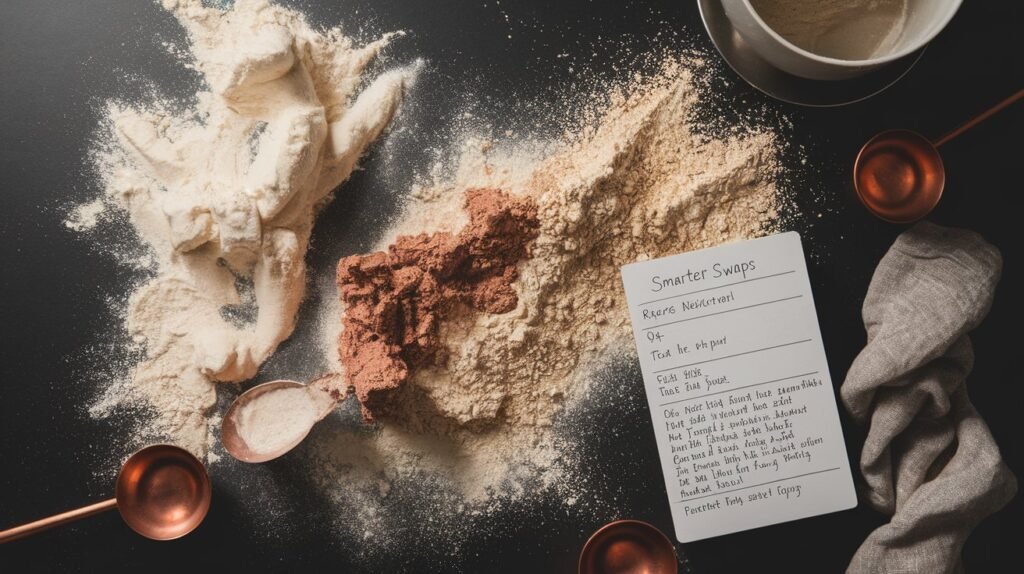
The hidden sugars and refined fats that rile up your system
Most old-school desserts were engineered for drama: instant sweetness, deep richness, a triumphant crumb—and then the energy slump that follows. White flour and granulated sugar digest quickly. Refined fats slide in as easy calories with little nutritional backing. Nothing wrong with pleasure; the problem is the crash. Our aim isn’t punishment-by-healthy. It’s to keep the satisfaction and nudge the profile toward fiber, protein, and fats that pull their weight.
Calorie density vs nutrient density—know the difference
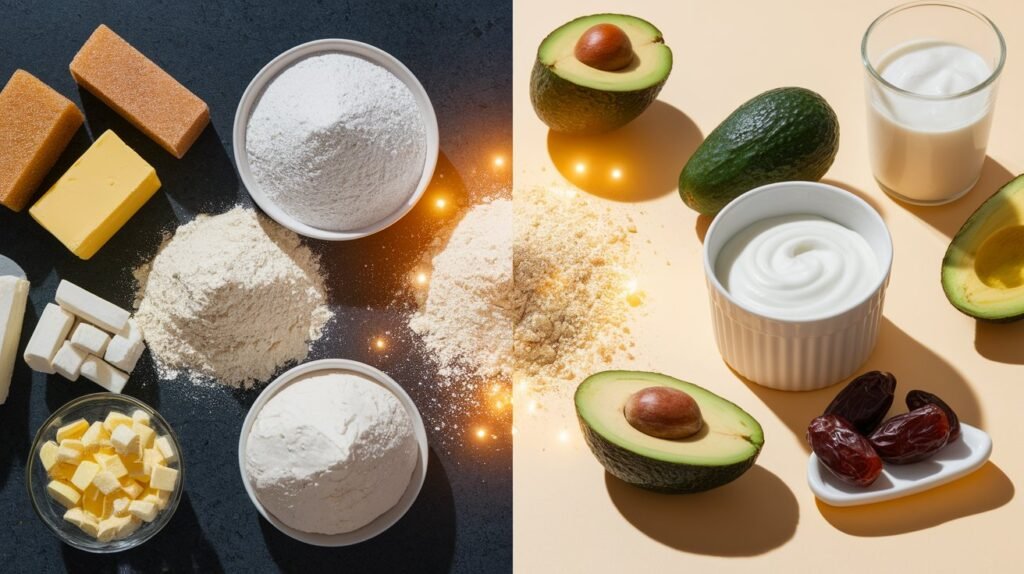
Calorie-dense ingredients aren’t villains, but if they show up without fiber, protein, or micronutrients, they don’t keep you full or steady. Swaps like oat flour, Greek yogurt, avocado, dates nudge your bakes toward foods that satisfy longer and support better texture, too. Think of it as editing a recipe for both flavor and stamina.
The Science Behind Smart Ingredient Swaps
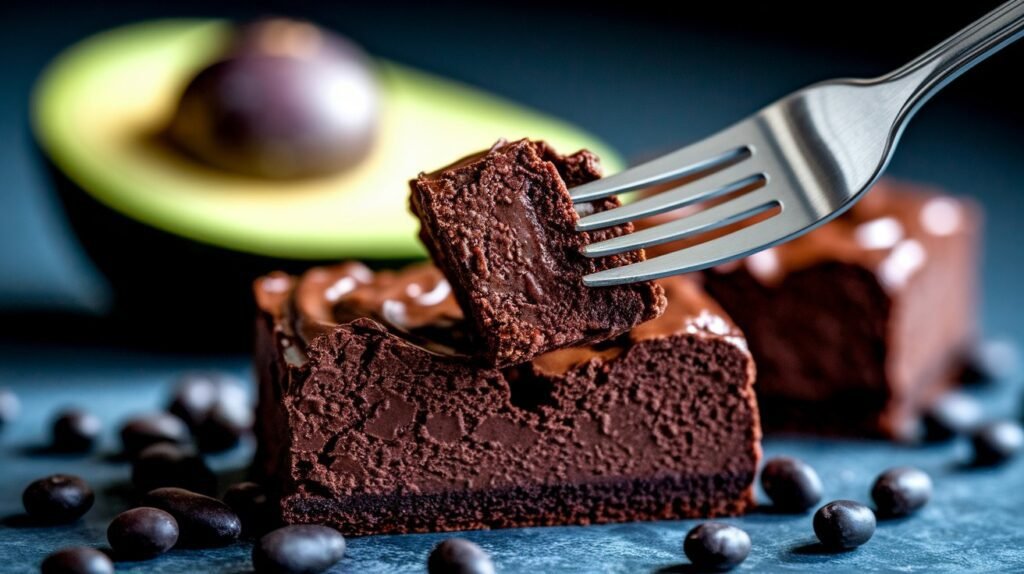
Glycemic impact and the quiet power of alternative flours
Refined wheat flour is a great builder of structure—and a speedy carbohydrate. Oat flour brings soluble fiber; almond flour carries fat and protein; chickpea flour offers body. Their glycemic load tends to be gentler. The catch: these flours don’t behave like gluten. To keep lift, you’ll lean on leavening, binders, and moisture management. Precision matters, but it’s not fussy once you get the feel.
Function first: keep texture, moisture, and rise intact
Every ingredient has a job: fat softens and carries aroma; sugar sweetens but also holds moisture and promotes browning; flour provides structure; eggs emulsify, bind, and lift. Smart swaps respect those jobs. If you lower sugar, backfill moisture and browning. If you trim butter, add humectants or emulsifiers. If you reduce gluten, add binders and tweak leavening. This is culinary judo—redirecting force without losing power.
15 Healthy Ingredient Swaps That Taste Indulgent
Start conservative—swap 25–50%—then push further once the texture sings. Each swap below includes where it shines and how to keep flavor honest.
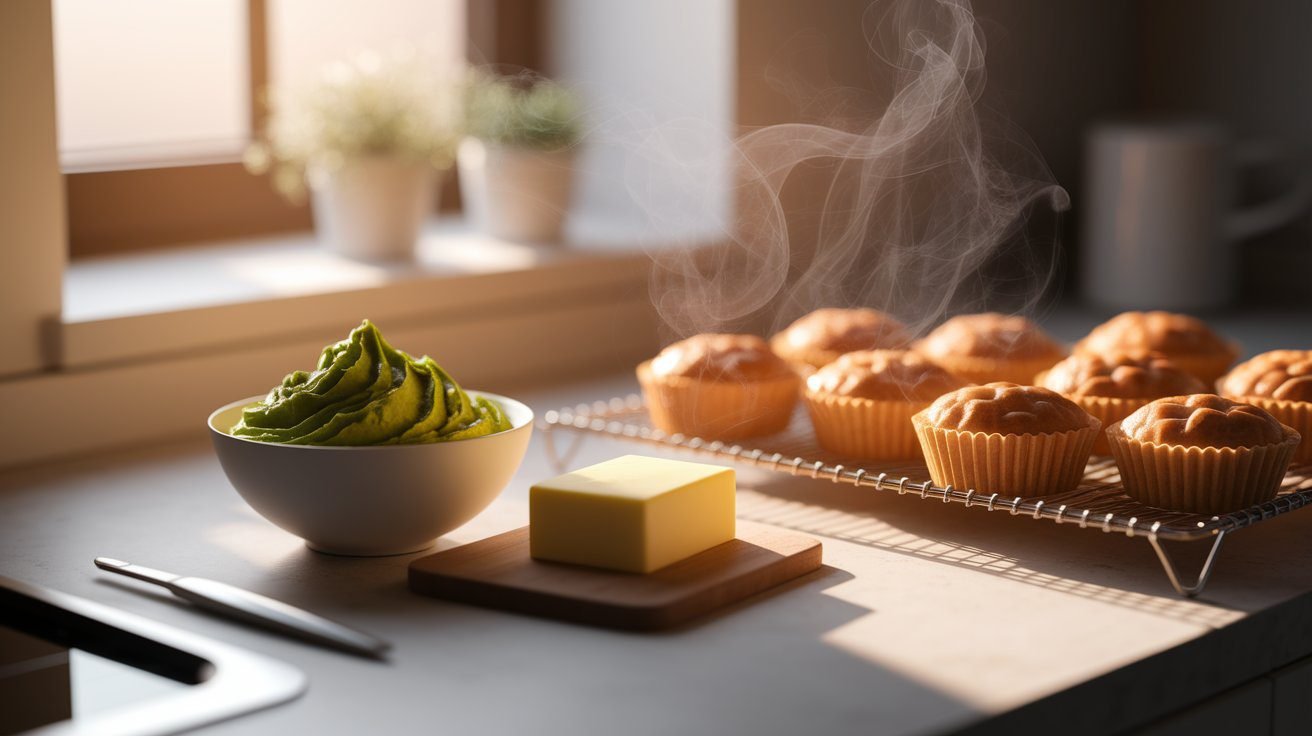
Swap #1 – Avocado for Butter (creamy fats, plant-forward)
- Ratio: 1:1 by volume; for delicate cakes, start at 50% replacement.
- Best for: Brownies, quick breads, cocoa-forward cakes where avocado’s whisper disappears.
- Why: Monounsaturated fats keep crumbs plush without the dairy heaviness.
- Flavor nudge: A touch more vanilla or espresso tightens the chocolate note.
Swap #2 – Oat Flour for White Flour (fiber + tenderness)
- Ratio: Replace 25–50% of AP with fine oat flour.
- Best for: Cookies, muffins, snack cakes—anything where slight chew is welcome.
- Why: Beta-glucan fiber holds moisture; bakes feel satisfying, not heavy.
- Lift insurance: Add ~1/4 tsp extra baking powder per cup swapped.
Swap #3 – Greek Yogurt for Sour Cream (protein + tang)
- Ratio: 1:1 with thick 2–5% yogurt.
- Best for: Coffee cakes, cheesecakes, quick breads, tangy frostings.
- Why: More protein, comparable acidity, gentler calories.
- Stability tip: If runny, strain first or add 1 tsp cornstarch per cup for bakes.
Swap #4 – Unsweetened Applesauce for Oil (moisture without the deluge)
- Ratio: 1:1 by volume; reduce other liquids 2–3 Tbsp per cup swapped.
- Best for: Muffins, snack cakes, breakfast loaves.
- Why: Pectin acts like a moisture magnet; crumb stays soft.
- Mouthfeel fix: Add 1 Tbsp oil per cup if texture reads gummy.
Swap #5 – Monk Fruit–Erythritol Blend for White Sugar (sweetness with guardrails)
- Ratio: Usually 1:1 with sugar—check brand.
- Best for: Cookies, cakes, buttercreams (expect minor tweaks).
- Why: Lower glycemic punch; close to sugar’s sweetness index.
- Browning boost: Add 1–2 Tbsp milk/yogurt to help color and tenderness.
Swap #6 – Date Paste for Brown Sugar (caramel depth, actual fiber)
- Ratio: About 2/3 cup date paste + 2 Tbsp water per 1 cup brown sugar; adjust to taste.
- Best for: Bars, brownies, sticky loaves, spice cakes.
- Why: Natural caramel notes, minerals, and moisture.
- Pro move: Reduce overall liquid 1–3 Tbsp; a pinch of baking soda aids browning.
Swap #7 – Almond Flour (Partial) for AP Flour (luxe texture)
- Ratio: Swap 25–40% of flour with super-fine almond flour.
- Best for: Cookies, shortbreads, cakes that welcome richness.
- Why: Fat + protein = moisture and satiety with a tender bite.
- Structure assist: Add an egg or 1 Tbsp flax gel if crumb feels fragile.
Swap #8 – Flax or Chia “Egg” for Egg (vegan binder)
- Ratio: 1 Tbsp ground flax/chia + 3 Tbsp water = 1 egg (rest 5–10 minutes).
- Best for: Brownies, muffins, quick breads, pancakes.
- Why: Gel network binds batter and adds omega-3s.
- Note: Not ideal for angel food or chiffon where whipped whites do the heavy lifting.
Swap #9 – Aquafaba for Egg Whites (air without the egg)
- Ratio: 3 Tbsp aquafaba = 1 egg white; whip to soft peaks.
- Best for: Meringues, macarons (with practice), airy mousses.
- Why: Foams like albumen; delivers lift and lightness.
- Stability: 1/8 tsp cream of tartar per white keeps peaks proud.
Swap #10 – Light Coconut Milk or Evaporated Milk for Heavy Cream (when volume isn’t the point)
- Ratio: 1:1 in batters, custards, and sauces that don’t require whipping.
- Best for: Quick breads, custard pies, lighter ganache.
- Why: Comparable mouthfeel with a leaner profile.
- Set it right: For ganache, add 1–2 tsp cornstarch and chill thoroughly.
Swap #11 – Black Bean Purée for Flour in Brownies (fudge factor)
- Ratio: 1 (15-oz) can beans, rinsed + blended ≈ 1 cup flour.
- Best for: Dense brownies and truffle-ish bars.
- Why: Protein and fiber add body; cocoa covers the bean story.
- Flavor polish: Espresso powder amplifies chocolate and masks beany edges.
Swap #12 – Pumpkin or Zucchini Purée for Butter/Oil (Partial) (moisture magic)
- Ratio: Replace 25–50% of fat with purée.
- Best for: Fall loaves, spiced muffins, brownies.
- Why: Fiber and water bring tenderness without greasiness.
- Season well: Cinnamon, ginger, nutmeg, and vanilla make it feel decadent, not “healthy.”
Swap #13 – Ripe Banana for Sugar/Fat (Partial) (aroma that reads as sweet)
- Ratio: 1/2–3/4 cup mashed banana per 1 cup sugar or per 1/2 cup fat.
- Best for: Muffins, pancakes, snack cakes.
- Why: Pectin + natural sugars + perfume = big satisfaction.
- Clean finish: Pair with a monk fruit blend for brightness without cloying.
Swap #14 – Whole-Wheat Pastry Flour for AP (more fiber, still tender)
- Ratio: 1:1 in cookies/muffins; 50–75% in cakes depending on delicacy.
- Best for: Scones, cookies, rustic cakes.
- Why: Fine grind and lower protein protect tenderness while adding nutrients.
- Lighten up: Sift twice to dodge density.
Swap #15 – Protein Powder (Whey/Casein/Plant) for 10–25% Flour (macro boost)
- Ratio: Replace 10–25% of flour; add 2–4 Tbsp extra liquid per cup.
- Best for: Muffins, pancakes, snack bars.
- Why: Lifts protein density; casein helps moisture retention.
- Binder cue: A flax gel or extra egg keeps the crumb from drying out.
Flavor Alchemy – How to Keep Dessert Tasting Like Dessert

Sweetness perception changes—bring in aroma, acid, and salt
Dial sugar down in gentle steps (10–15% per round). Then layer aroma (vanilla bean, citrus zest), a pinch of salt, and a thread of acid (yogurt, buttermilk, lemon). The tongue tastes sweetness, but the nose decides if it feels full and rounded. We feed both.
When to combine natural sweeteners (monk fruit + dates)
High-intensity sweeteners deliver the hit; whole-food sweeteners deliver body. Pair a monk fruit blend with date paste to restore moisture and browning. The result tastes like a classic recipe that went to therapy and worked on itself.
The “Health Halo” Illusion: Why Not All Swaps Are Equal

Easy mistakes that tank both flavor and nutrition
- Going 100% alternative flour too fast: Without gluten, tall cakes sink. Start partial and support with binders.
- Forgetting sugar’s other jobs: Less sugar can mean less moisture. Replace with yogurt, fruit purée, or a touch of glycerin if needed.
- Overusing sugar alcohols: Cooling effect and digestive drama are real. Blend and portion.
Labels don’t lie—if you know what to look for
- Pick nut flours with one ingredient; skip mystery blends.
- Choose sweeteners with transparent ratios and no oddball fillers.
- Gluten-free? Confirm certified GF oats and reputable processing.
Tools & Essentials for Healthier Baking
Non-toxic bakeware and portion helpers that make swaps painless
- Stainless-steel or ceramic pans: PFAS-free surfaces with reliable browning.
- Silicone baking mats: Cut added oils; consistent release.
- Digital scale: Precision is the antidote to dry “healthy” bakes.
- Silicone muffin and loaf molds: Gentle release for leaner batters.
- Portion scoops: Calories behave when portions do.
FAQs: Real-World Questions From Home Bakers
Can I swap all the flour for oat or almond in one go?
It’s tempting—don’t. Start at 25–50% and support structure with leavening and binders. Your texture (and ego) will thank you.
My low-sugar cookies turned dry. What did I miss?
Sugar locks in moisture. Add a splash of milk or yogurt—or blend in a spoon of date paste—so the crumb stays soft.
Is coconut sugar automatically “healthy”?
It’s delicious, but it’s still sugar. Use it when the flavor helps—caramel notes in cookies, for example—and keep amounts mindful.
What’s the least fussy egg replacer?
For dense bakes, flax or chia “eggs” are easy and dependable. For airy cakes, whipped aquafaba gets you closer to the real lift.
Protein baking keeps turning out chalky. Fix?
Blend proteins (casein helps), add liquid, include a little fat or fruit purée, and yank it from the oven the minute it’s set.
How do I swap without freaking out my family?
Quietly. Start with 10–25% swaps, keep favorite textures, and build aroma. They’ll notice the flavor, not the edit.
Products / Tools / Resources
These are the exact ingredients and tools that make the swaps above painless. Links open in a new tab.
- Avocado Oil • Ripe Avocados
- Finely Milled Oat Flour
- Greek Yogurt (2–5%)
- Unsweetened Applesauce
- Monk Fruit–Erythritol Sweetener
- Date Paste
- Super-Fine Almond Flour
- Ground Flaxseed • Chia Seeds
- Aquafaba (or canned chickpeas)
- Light Coconut Milk • Evaporated Milk
- Canned Black Beans
- Pumpkin Purée • Zucchini
- Ripe Bananas
- Whole-Wheat Pastry Flour
- Unflavored Whey/Casein Protein • Unflavored Plant Protein
- Stainless-Steel Sheet Pan • Ceramic Bakeware • Silicone Baking Mat • Digital Kitchen Scale
Disclosure: As an Amazon Associate, I earn from qualifying purchases.