

How to Get Kids to Eat Healthy Meals: A Brain-Based Parenting Blueprint
Every parent has been there—offering a colorful, nutritious healthy meals only to be met with a pout, a whine, or outright refusal. But what if the problem isn’t the food… but the wiring behind how your child sees it?
Jump to:
- Why Kids Refuse Healthy Food
- Why Mealtimes Become Power Struggles
- The 48-Hour Reset Method
- Parent Success Stories
- Recommended Tools & Resources
What’s Really Going On When Kids Reject Healthy Food

Inside the Mind of a Picky Eater
Refusal isn’t rebellion—it’s biology. Kids are neurologically wired to fear bitterness and unfamiliar textures. That broccoli floret? It triggers the same ancient caution that once kept our ancestors alive.
The Junk Food Trap: A Chemical Hijack
Ultra-processed snacks flood your child’s brain with dopamine. After repeated exposure, real food starts to feel… disappointing. It’s not disobedience. It’s addiction, driven by engineered bliss points.
When Sensory Overload Kicks In
Kids absorb the world with their senses. One funky smell, mushy texture, or strange color can ignite a visceral “no” response. Understanding this is key to helping them embrace variety.
Why Mealtimes Become Power Struggles

The Battle Between Autonomy and Obedience
Refusing food is one of the few ways young kids can feel in control. That pushback? It’s an act of autonomy, not stubbornness. The more you push, the deeper they dig in.
When Pressure Makes Everything Worse
“Just try a bite” sounds harmless—but to a child, it’s a challenge to their independence. Research shows that pressure reduces veggie intake and boosts resistance.
Early Childhood Scripts That Shape Food Identity
“Eat your veggies so you can have dessert.” It sounds innocent, but it trains kids to view healthy food as punishment and treats as reward. Over time, that mindset becomes permanent.
The 48-Hour Reset Method
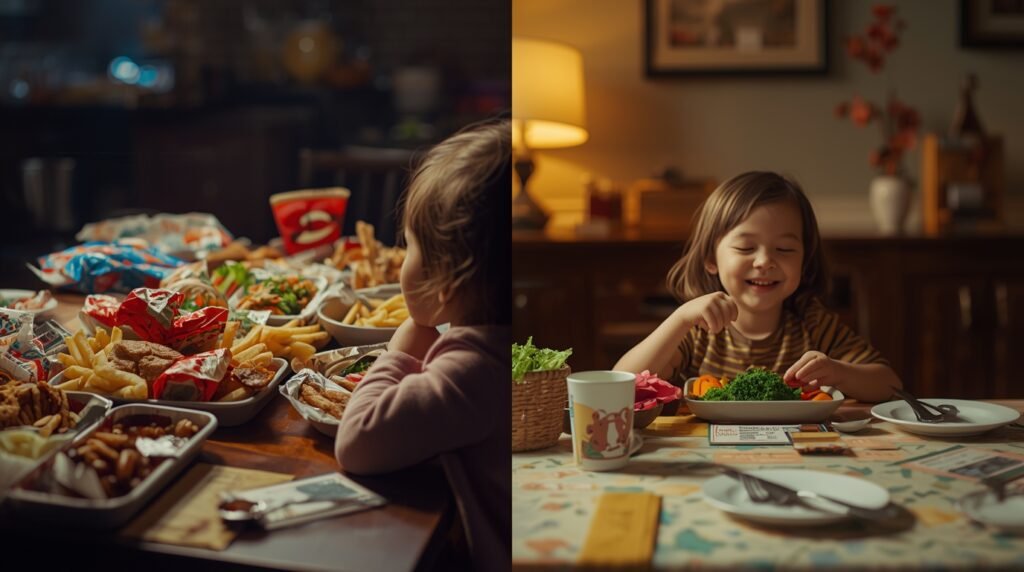
Step 1: Rebuild the Environment
Remove processed snack packaging from sight. Restructure your table: soft lighting, no screens, and involve kids in setting it up. You’re not serving food—you’re shaping emotion.
Step 2: Taste Training, Not Taste Testing
Pair new foods with favorites. Try carrots with maple glaze, spinach in smoothies, cauliflower mashed with parmesan. Kids don’t resist flavor—they resist surprise.
Step 3: Turn Food Into a Story Worth Eating
“Ninja noodles,” “Superpower soup,” “Space broccoli.” When food becomes part of a story, kids don’t feel tricked—they feel seen. Story-based eating builds identity, not resistance.
Parent Success Stories
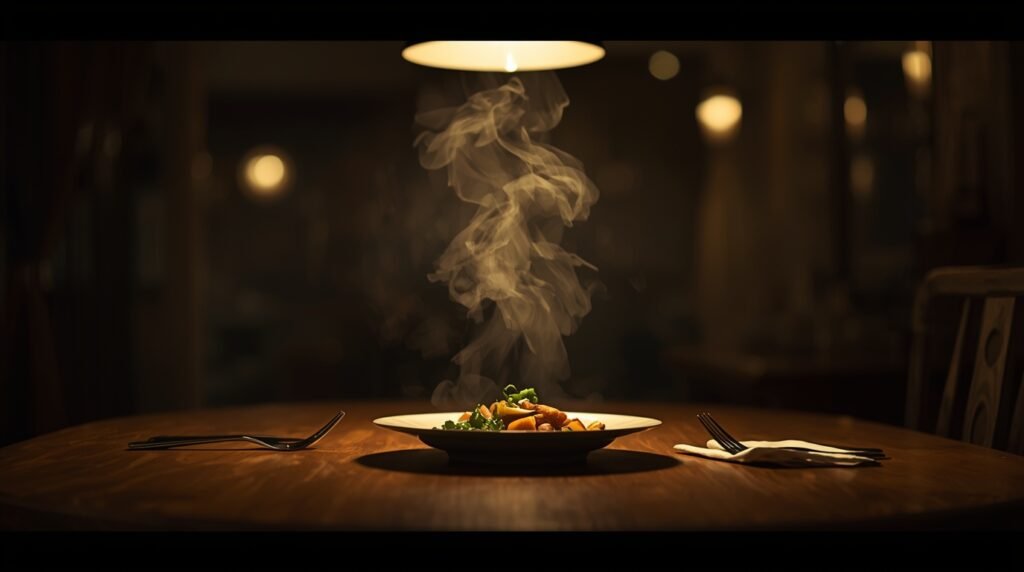
“I Watched My Son Go From Screaming to Serving Broccoli”
After implementing the 48-hour reset, Tara’s son not only tried broccoli—he plated it. Giving him control (an apron, tongs, the lead role) flipped the script in 2 days.
Use These 3 Phrases Tonight at Dinner
- “You don’t have to eat it. But you can try it if you’re curious.”
- “Want to be tonight’s flavor tester for the superhero stir-fry?”
- “If we built a brain tower with foods, what would go first?”
Recommended Tools & Resources
Cookbooks That Kids Actually Love
- Eat the Rainbow Cookbook – Turn food into a colorful game with weekly produce goals and sticker rewards.
- Nurture Life Recipe Guide – Includes story-based recipes and character-driven meal adventures.
Apps That Make Meal Planning Fun
- Yummly Kids Mode – Lets kids browse and swipe recipes based on image appeal.
- MealHero App – Gamifies meal prep with animated guides for kids.
Mealtime Tools That Reinforce Routine
- Bento Box Lunch Containers – Great for picky eaters who like food separated visually.
- Mini Chef Apron + Tools – Empower kids to take charge of prep and plating.
- Story Card Deck for Mealtimes – Create new rituals using short, themed prompts to build connection at the table.
As an Amazon Associate, I earn from qualifying purchases.



One Comment