Eggplant Lasagna: The Low-Carb Cheat Code for Diabetic-Friendly Comfort Food
Table of Contents
There’s something almost magnetic about a bubbling pan of lasagna. The layered heat, the smell of garlic and tomato in the air, the molten cheese pulling into long strands as you lift the first slice. But if you’re trying to manage blood sugar or keep carbs under control, traditional lasagna can feel like a trap in a baking dish.
That’s where an underrated move changes the entire game: using eggplant slices instead of lasagna sheets. With one strategic swap, you turn a high-carb classic into a diabetic-friendly ingredient swap that still delivers unapologetic comfort food energy.
This version doesn’t taste like compromise. It doesn’t read as “diet food.” It feels like a smarter evolution of the original. Rich, layered, deeply satisfying — and far kinder to your glucose.

Why Eggplant Beats Pasta (Even If You’re a Pasta Purist)
Eggplant isn’t just a stand-in for pasta; it behaves like it was engineered for layered baking. When you slice it right, treat it properly, and give it enough heat, it turns into a structural, flavor-absorbing base that holds the entire dish together.
Texture That Actually Holds Up
Where wheat pasta can turn soft or gummy if overcooked, roasted eggplant hits a sweet spot: tender but stable, flexible but firm. It stacks into clean layers, holds saucy fillings without collapsing, and slices beautifully once rested.
Low Carb, Low Glycemic, High Payoff
Traditional lasagna noodles are made from refined wheat, which can send blood sugar soaring. Eggplant flips that script. It’s naturally low in carbs, relatively low in calories, and offers fiber that slows digestion. For anyone designing low-carb comfort food or diabetic-friendly meals, it’s a quiet powerhouse.
Flavor That Works With the Dish — Not Against It
Instead of being neutral like pasta, eggplant brings a subtle earthiness that deepens the entire flavor profile. It soaks up tomato, garlic, basil, meat juices, cheese — everything — and sends it back in layered waves of richness. Rather than diluting your sauce, it amplifies it.

The Core Technique: Turning Eggplant Into “Lasagna Sheets”
Here’s where most attempts fail: eggplant thrown into a pan with minimal prep turns the whole dish into a watery, shapeless mess. To make this swap work at a high level, technique matters.
Step 1: Slice Lengthwise for Real Lasagna Vibes
Cutting eggplant into long, flat planks mimics the look and feel of classic lasagna sheets. Aim for about ¼ inch (0.6 cm) thick. Too thin and they disintegrate; too thick and they won’t soften into the right bite.
Lengthwise slices stack neatly, cover the pan evenly, and give you that familiar cross-section when you cut into the finished bake.
Step 2: Salt to Draw Out Moisture
Eggplant holds a lot of water. If you skip the salting step, that water ends up in your lasagna. A simple fix:
- Lay the slices out in a single layer.
- Sprinkle generously with salt.
- Let them rest for 20–30 minutes.
- Pat dry with paper towels.
You’ll see beads of moisture on the surface — that’s water you’ve intentionally removed before it had the chance to destroy the structure of your lasagna.
Step 3: Roast Before You Build
Assembling lasagna with raw eggplant is a shortcut to a soggy, steamed dish. Roasting fixes everything. Spread the salted, dried slices on a sheet pan, brush lightly with olive oil, and roast at 425°F / 220°C for 15–20 minutes.
Roasting:
- Evaporates extra moisture
- Concentrates flavor
- Softens the flesh while keeping structure
- Adds a touch of caramelization that makes the final dish taste deeper and more complex
Step 4: Treat Them Like Actual Layers, Not a Garnish
The swap works because eggplant isn’t just “added in” — it fully replaces the pasta. Lay the slices in solid, overlapping rows, just as you would with real lasagna sheets. You want full coverage, no gaps. The cleaner your layers, the more professional the finished slice will look and feel.

Why Eggplant Lasagna Works So Well for People With Diabetes
From a blood-sugar perspective, this swap does a lot more than shave off a few carbs. It alters the metabolic impact of the whole meal.
Near-Zero Glycemic Punch From the “Noodle” Layer
White pasta hits the bloodstream fast. Eggplant doesn’t. With its low carbohydrate content and fiber, eggplant barely nudges glucose compared to standard noodles. That means fewer spikes, fewer crashes, and more predictable numbers after eating.
Fiber That Supports a Steadier Response
The fiber in eggplant — especially in the skin — helps slow down digestion. Paired with protein and healthy fats from cheese and optional meat, it creates a more balanced, stabilizing meal instead of a sugar bomb disguised as comfort food.
Comfort Without the Crash
One of the biggest issues with “diabetic-friendly” recipes is that they often feel like pale copies of the real thing. Here, you keep the layered, cheesy, saucy experience of lasagna — but without the heavy, exhausted feeling that usually follows. It’s comfort food your body can actually work with.

Flavor Synergy: How Eggplant Makes Lasagna Taste Even Better
One of the most surprising things people say after trying eggplant lasagna is, “I didn’t miss the pasta at all.” That’s not an accident — it’s the result of how eggplant interacts with the other ingredients.
It Acts Like a Flavor Sponge
Eggplant doesn’t just sit there. It drinks in tomato sauce, garlic, basil, meat juices, olive oil, and melted cheese. Each bite tastes like all the pieces have had time to get to know each other instead of stacking separate components on top of bland noodles.
It Brings Natural Umami
When roasted, eggplant develops a mellow, savory depth that makes sauces taste richer and vegetarian versions feel more substantial. It’s a subtle shift, but once you notice it, regular pasta can start to feel strangely flat by comparison.
It Lightens the Dish While Keeping You Full
You still get a hearty, layered meal, but without the heavy carb load. That means you leave the table feeling satisfied, not sluggish. For anyone focused on healthy recipes that still feel indulgent, that’s a huge win.

Step-by-Step: Building the Ultimate Eggplant Lasagna
Here’s a clear, practical blueprint you can follow and customize. Once you’ve run through it once, it becomes a weeknight-ready staple.
Core Ingredients
- 2 large eggplants
- Olive oil
- Salt & black pepper
- 2 cups ricotta cheese
- 2 cups shredded mozzarella
- 1 cup grated parmesan
- 1 egg
- 1 teaspoon dried oregano
- 1 teaspoon dried basil
- 1 lb (450 g) ground beef or turkey (optional, for a meat sauce)
- 2 cups low-sugar marinara sauce
Step 1: Prepare the Eggplant Layers
- Slice the eggplants lengthwise into ¼-inch planks.
- Lay them on a board or tray and salt generously.
- Let them sit for 20–30 minutes to draw out moisture.
- Pat dry thoroughly with paper towels.
- Arrange on a sheet pan, brush lightly with olive oil, and roast at 425°F / 220°C for 15–20 minutes until softened and lightly golden.
Step 2: Mix the Ricotta Filling
In a bowl, combine:
- Ricotta
- Egg
- Parmesan
- Dried basil
- Freshly ground black pepper
Stir until smooth. This is your creamy anchor layer.
Step 3: Build the Sauce
- Brown the ground beef or turkey in a skillet, if using.
- Drain excess fat if necessary.
- Add low-sugar marinara, garlic, oregano, and a small handful of parmesan.
- Simmer until slightly thickened; you want a sauce that clings, not runs.
Step 4: Layer Like a Pro
- Spread a thin layer of sauce across the bottom of your baking dish.
- Add a full layer of roasted eggplant “sheets.”
- Spoon on dollops of ricotta mixture and gently spread.
- Sprinkle with mozzarella.
- Repeat: sauce, eggplant, ricotta, mozzarella — until you reach the top.
- Finish with a final layer of sauce, mozzarella, and a generous dusting of parmesan.
Step 5: Bake and Rest
Bake at 375°F / 190°C for 35–40 minutes, until the top is bubbling and golden. If you like extra color, flip on the broiler for the last 3–4 minutes — but keep an eye on it.
Once it’s out of the oven, resist the urge to cut immediately. Let the lasagna rest for 10–15 minutes so the layers can settle and firm up. That’s the difference between a clean, restaurant-style slice and a delicious but messy pile.

How to Avoid Watery Eggplant Lasagna
Even with great ingredients, a few small missteps can lead to excess moisture. These tweaks make a big difference:
- Go lighter on the sauce than you would with pasta; eggplant doesn’t need as much to pop with flavor.
- Thicken your ricotta by adding extra parmesan or a tablespoon of almond flour if it looks too loose.
- Always pre-roast the eggplant to drive off water before layering.
- Give the lasagna time to rest after baking, so the structure can set.
Variations to Keep Things Interesting
Once you’re comfortable with the basic version, it’s easy to evolve this into a full rotation of diabetic-friendly dinners.
Mediterranean Eggplant Lasagna
Swap the meat for a mix of spinach, artichokes, olives, and sun-dried tomatoes. The briny and bright flavors pair beautifully with eggplant and ricotta.
White Sauce Eggplant Lasagna
Skip the tomato and build a creamier profile: ricotta, parmesan, garlic, sautéed spinach, and maybe a touch of nutmeg. It’s comforting and lower in acidity.
Pesto Eggplant Lasagna
Dot or spread basil pesto between layers for a fresh, aromatic hit. The combination of roasted eggplant, pesto, and melty mozzarella is dangerously good.
Eggplant Rollatini
Take the same concept and change the shape: roll ricotta filling inside roasted eggplant slices, line them up in a baking dish, cover with sauce and cheese, and bake. Same flavors, different format.
Crispy-Layer Eggplant Lasagna
For extra texture, lightly coat roasted eggplant with a mix of almond flour and parmesan before layering. It adds a subtle crunch that contrasts beautifully with the creamy filling.

Macro Snapshot: How Eggplant Lasagna Compares
Exact numbers depend on your specific ingredients, but broadly, the difference looks like this:
Traditional Lasagna (Per Serving, Approximate)
- 350–500 calories
- 45–60g carbohydrates
- Substantial glycemic impact
Eggplant Lasagna (Per Serving, Approximate)
- 250–320 calories
- 8–18g carbohydrates
- Lower glycemic impact
- More fiber, more nutrient density
Same comfort. Very different outcome.
Why This Swap Actually Sticks in Real Life
The reason eggplant lasagna works long-term isn’t just about nutrition — it’s about psychology and habit. It checks the boxes people silently use to decide whether a “healthy” version is worth keeping:
- It looks familiar — layered, cheesy, golden on top.
- It feels comforting — you still get that first-slice anticipation.
- It aligns with your goals — fewer carbs, better blood sugar behavior.
- It’s actually easier — no boiling noodles, no sticking, no tearing.
Once you’ve made it a few times, traditional pasta lasagna can start to feel like the clunky, outdated version of a dish you’ve upgraded.
FAQ: Eggplant Lasagna & Diabetic-Friendly Cooking
Is eggplant lasagna really good for people with diabetes?
Yes. When you use roasted eggplant slices instead of lasagna sheets, you dramatically reduce the refined carbs. Combined with protein, fiber, and fat from the filling and sauce, it becomes a more balanced, blood-sugar-friendly option than traditional lasagna.
How do I keep eggplant lasagna from turning watery?
Salt and drain the eggplant before roasting, roast the slices before layering, don’t overload the pan with sauce, and let the baked lasagna rest before cutting. Those four steps are the difference between soggy and structured.
Do I need to peel the eggplant first?
No. The skin adds color, texture, and extra fiber. As long as the eggplant is fresh and not overly mature, the skin will soften nicely during roasting and baking.
Can I freeze eggplant lasagna?
Yes. Let it cool completely, portion if desired, and freeze in an airtight container. Reheat gently in the oven so the layers stay intact and the cheese remelts instead of drying out.
Products / Tools / Resources
If you want to make this swap part of your regular cooking routine, a few tools and resources make the process smoother and more enjoyable:
- Wide Mandoline Slicer – Helps you create consistent eggplant slices quickly, which means even cooking and better layering.

- SAFETY MANDOLINE SLICER: This mandoline slicer whit build-in blades design, no need to touching blades,safe & quickly sl…
- FASTER THAN KNIFE : Choose your desired slice thickness(0.1-8mm), the you just need to push the vegetable slicer ‘s hand…
- HIGH-QUALITY MATERIAL: Our vegetable & food slicer features sharp, heavy-duty stainless-steel blades for easy and fast c…
- Heavy-Duty Sheet Pans – Essential for roasting eggplant properly; a sturdy pan gives you even browning instead of pale, steamed slices.

- Durable Baking Pan -18″ × 13″ aluminum alloy baking pan, moderate weight, sturdy when holding hands, not easy to warp in…
- High-quality Health Material – these baking pans are made of food-grade aluminum alloy, NSF certified, rust-proof, anti-…
- Mirror Finish Design – these cookie sheets’ surfaces are high mirrors polished to reduce the risk of food sticking toget…
- Low-Sugar Marinara Sauce – Look for jars with no added sugar and 5g or less of carbs per serving to keep the dish truly diabetic-friendly.
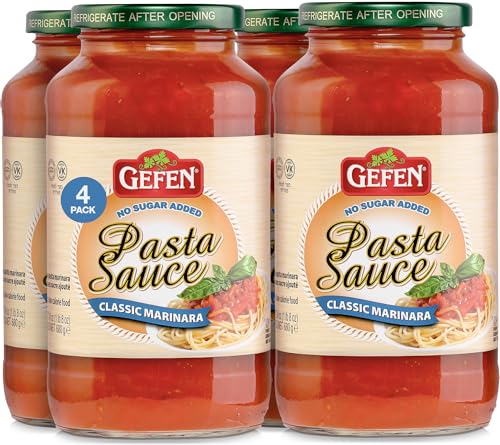
- NO SUGAR ADDED – Our marinara sauce is meticulously crafted without any added sugars, making it an ideal choice for thos…
- Glass or Ceramic Baking Dish – Holds heat well, bakes evenly, and lets you see the layers as they set.

- 【3 SIZES TO MEET ALL NEEDS】(Including handles size) ①14.5″L x 8.5″W x 3.3″H, 4QT ②13″L x 7.5″W x 2.9″H, 2.8QT ③10.5″L x …
- 【MADE OF DURABLE CERAMIC】A type of premium LEAD-FREE, CADMIUM-FREE and NON-TOXIC ceramic that is anti-chip, scratch resi…
- 【ELEGANT DESIGN】The TARA series features a unique sesame seed speckle pattern against a warm khaki base with crisp white…
- Microplane Grater – Freshly grated parmesan melts better and tastes more intense than pre-shredded versions.

- ULTRA SHARP BLADES – Made in USA! Blades are made of US Stainless Steel, at our facility in Russellville Arkansas; *Supp…
- NON-SLIP -The base of the frame has a non-slip foot to keep the grater from slipping while you cook and preventing any s…
- ERGONOMIC SOFT TOUCH HANDLE: The Microplane Gourmet Series family of graters features a soft grip ergonomic handle ident…
- Food-Logging or Diabetes App – If you track macros or blood sugar responses, logging this dish a few times helps you see how well it fits your personal targets.
From there, you can plug this recipe into your own rotation of diabetic meal prep, pair it with a simple salad, and know you’re eating something that feels like comfort food while behaving like smart nutrition in the background.