
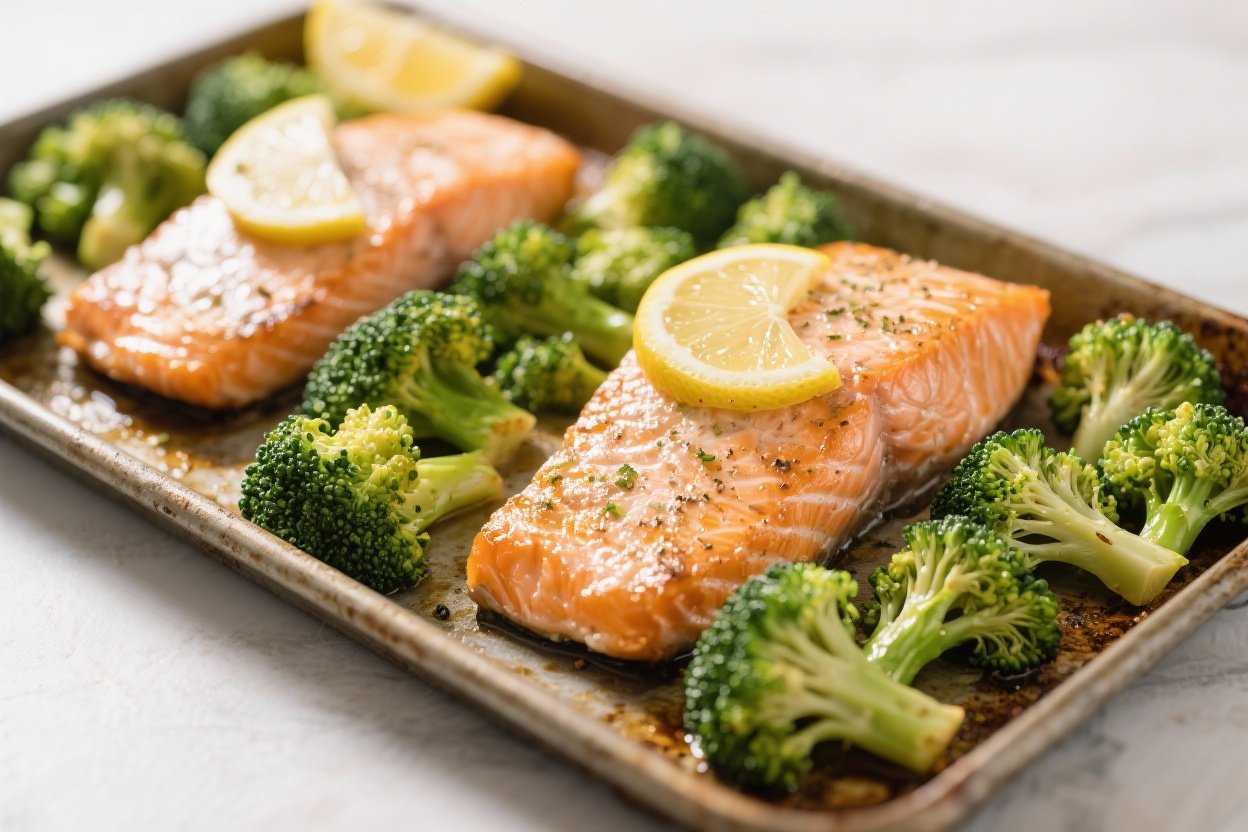
Sheet-Pan Salmon With Frozen Broccoli and Lemon – A Fast, Fresh Weeknight Dinner
If you’re craving a healthy dinner that doesn’t take over your evening, this sheet-pan salmon with frozen broccoli and lemon is your new go-to. It’s bright, satisfying, and ready in about 25 minutes, start to finish. The salmon turns tender and flaky, the broccoli roasts into crisp edges, and the lemon ties everything together with a clean, citrusy finish.
You don’t need fancy ingredients or lots of prep—just a baking sheet, a handful of pantry staples, and a bag of frozen broccoli.
Why This Recipe Works
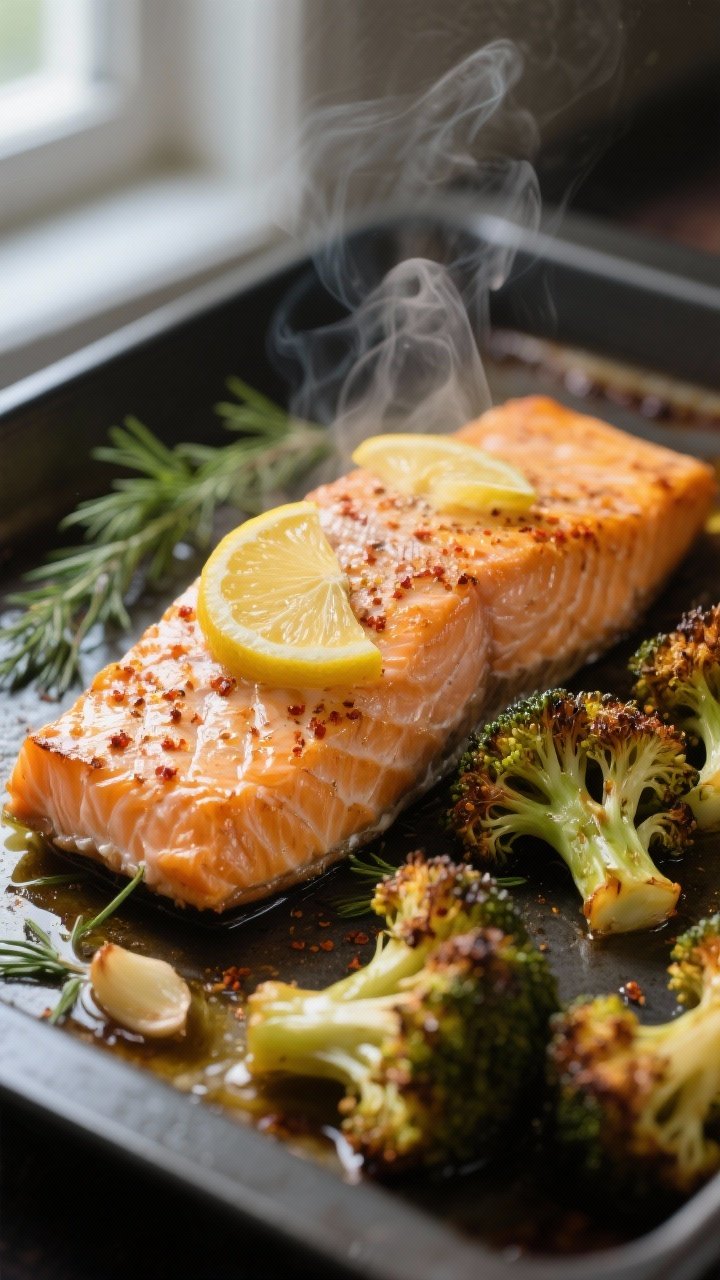
This recipe keeps things simple while delivering big flavor. The oven’s high heat does the heavy lifting—roasting the broccoli straight from frozen so it gets some char and a pleasantly chewy bite. Meanwhile, the salmon cooks quickly and evenly, thanks to a thin coat of oil and a punchy seasoning blend.
Lemon slices and zest add brightness without extra sauces or fuss.
A quick sheet-pan setup means minimal cleanup, and the timing is built around frozen vegetables, so there’s no thawing required. It’s reliable, flexible, and weeknight-friendly, which is exactly what most of us want at 6 p.m.
Shopping List
- Salmon fillets (4 pieces, 5–6 ounces each; skin-on preferred)
- Frozen broccoli florets (1 standard 12–16 ounce bag)
- Lemon (1 large; you’ll use zest and juice, plus a few slices)
- Olive oil (or avocado oil)
- Garlic powder
- Paprika (smoked or sweet)
- Red pepper flakes (optional, for heat)
- Salt and black pepper
- Honey or maple syrup (optional, a small drizzle)
- Fresh parsley or dill (optional, for garnish)
Step-by-Step Instructions
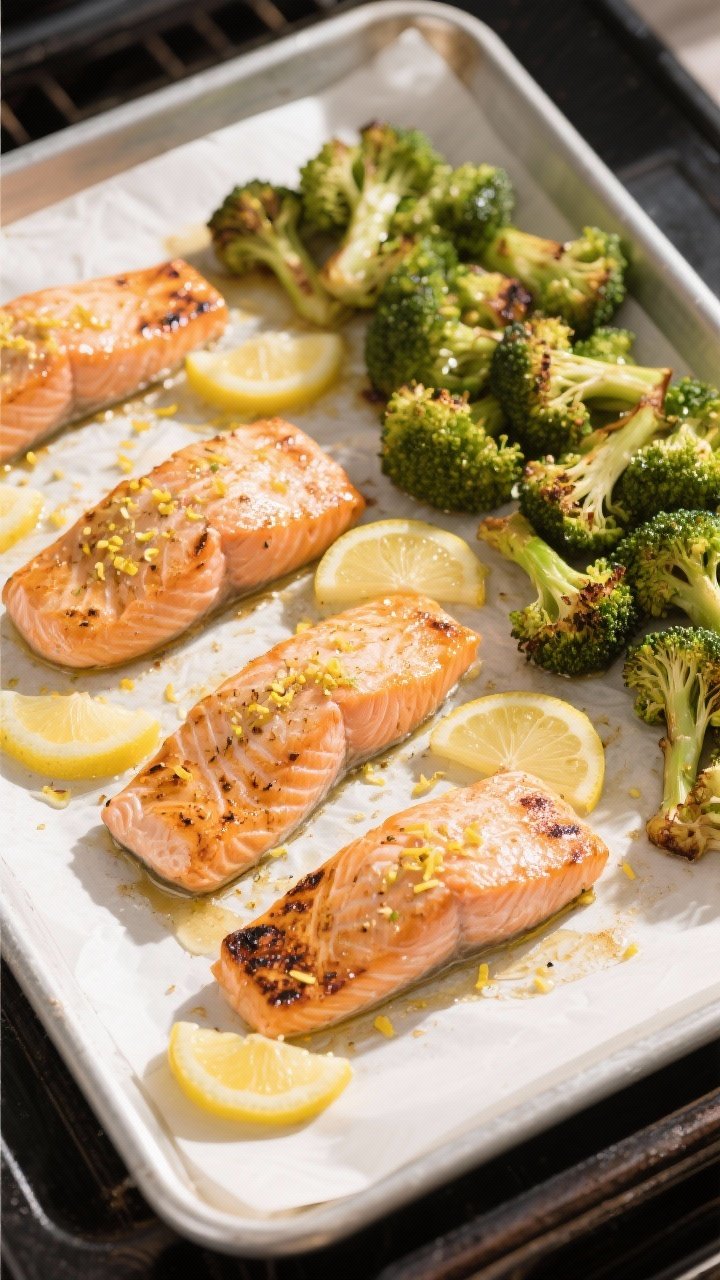
- Preheat the oven. Set your oven to 425°F (220°C). Line a large sheet pan with parchment paper or foil for easy cleanup. If you have a dark, heavy sheet pan, use it—it helps the broccoli brown.
- Season the broccoli. Spread the frozen broccoli florets on half to two-thirds of the pan.
Drizzle with 1–2 tablespoons olive oil. Sprinkle with 1 teaspoon salt, 1/2 teaspoon black pepper, 1 teaspoon garlic powder, and 1 teaspoon paprika. Toss right on the pan to coat.
Don’t worry about thawing; they’ll roast beautifully from frozen.
- Start roasting the broccoli. Roast for 10 minutes to let the broccoli release steam and begin to crisp. This head start ensures the salmon and broccoli finish at the same time.
- Prepare the salmon. While the broccoli roasts, pat the salmon dry with paper towels. Rub each fillet with a thin coat of olive oil.
Season with 3/4 teaspoon salt and 1/2 teaspoon black pepper total, plus a light dusting of garlic powder and paprika. Zest half the lemon over the salmon for extra brightness.
- Add salmon and lemon. Pull the sheet pan from the oven. Scoot the broccoli to one side to make space.
Lay the salmon fillets skin-side down on the clear side. Scatter a few thin lemon slices around the fish and broccoli. If you like a hint of sweetness, add a light drizzle of honey or maple syrup over the broccoli.
- Roast to finish. Return the pan to the oven and roast for 8–12 minutes, depending on thickness.
You’re aiming for salmon that flakes easily with a fork and registers about 125–130°F (52–54°C) in the center for medium. The broccoli should have browned tips and tender stems.
- Hit it with fresh lemon. Squeeze the remaining lemon half over everything. Taste the broccoli and add a pinch of salt if needed.
Garnish with chopped parsley or dill for a fresh finish.
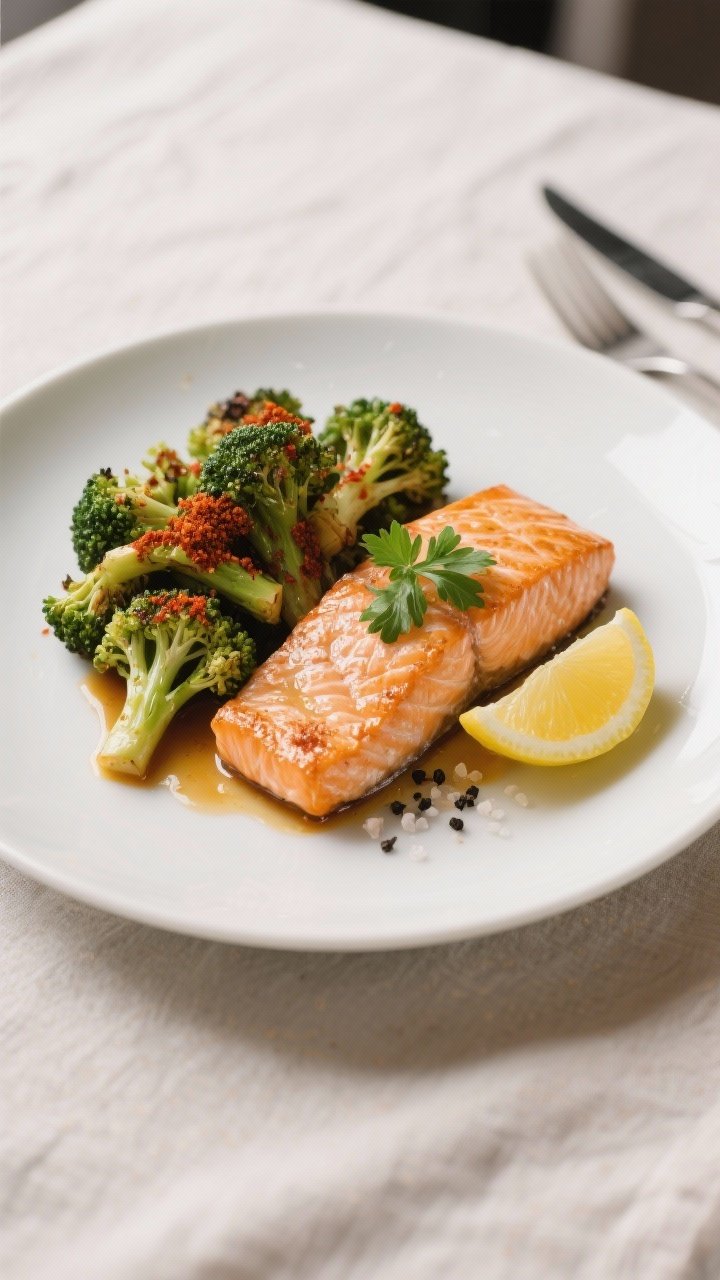
- Serve. Plate the salmon alongside a generous heap of broccoli. Spoon any pan juices over the top. Add extra lemon wedges if you like it more zesty.
How to Store
Let leftovers cool to room temperature, then transfer to airtight containers. Refrigerate for up to 3 days.
Reheat gently in a 300°F (150°C) oven for 8–10 minutes or in a skillet over low heat with a splash of water to keep the salmon from drying out.
Freezing is possible but not ideal, as salmon can turn a bit dry and broccoli may soften too much. If you do freeze, wrap tightly and use within one month. Thaw overnight in the fridge before reheating.
Benefits of This Recipe
- Fast and fuss-free: Everything cooks on one pan with little prep and quick cleanup.
- Balanced and nourishing: Protein-rich salmon, fiber-packed broccoli, and healthy fats from olive oil keep you satisfied.
- Budget-friendly: Frozen broccoli is affordable and often fresher than “fresh” options that have traveled far.
- Flexible seasoning: Adjust spices based on what you like—this base works with many flavor profiles.
- Consistent results: Cooking salmon with a broccoli head start ensures both components finish together.
What Not to Do
- Don’t thaw the broccoli first. Thawed broccoli tends to steam and turn mushy.
Roast straight from frozen.
- Don’t crowd the pan too much. If everything is jammed together, the broccoli won’t crisp. Use two pans if needed.
- Don’t overcook the salmon.</-strong> Pull it when it’s just turning opaque and flakes easily; carryover heat will finish it.
- Don’t skip drying the salmon. Moisture on the surface prevents good browning and can dilute the seasoning.
- Don’t forget the acid. Lemon juice at the end brightens everything and balances the richness.
Alternatives
- Different vegetables: Try frozen green beans, cauliflower, or Brussels sprouts. Adjust timing slightly; Brussels may need a few extra minutes of head start.
- Flavor swaps: Use cumin, coriander, and a squeeze of lime for a warm, earthy twist.
Or go Mediterranean with oregano, garlic, and a sprinkle of feta after baking.
- Protein options: Cod, trout, or steelhead work well. For chicken thighs, start them first for 20 minutes, then add broccoli, then finish.
- Add carbs: Toss small cubed potatoes or canned chickpeas (drained) with the broccoli. Potatoes need a longer head start—about 20 minutes before adding salmon.
- Dairy finish: A spoonful of Greek yogurt mixed with lemon and dill makes a quick sauce.
Or use a light drizzle of tahini-lemon dressing.
FAQ
Can I use fresh broccoli instead of frozen?
Yes. Fresh florets will cook a bit faster and may not need the full head start. Roast them for 5–7 minutes before adding the salmon, then finish together until the fish flakes.
How do I know when the salmon is done?
Look for salmon that flakes with a fork and appears just opaque in the center.
An instant-read thermometer should read around 125–130°F (52–54°C) for medium. If you prefer it more done, go up to 135°F.
What if my salmon fillets are very thin or very thick?
Thinner fillets may be done in 7–8 minutes; thicker ones can take up to 12–14. Start checking early.
You can also remove thinner pieces early and let the rest finish.
Can I make this without lemon?
Absolutely. Use a splash of red wine vinegar, apple cider vinegar, or a squeeze of lime. A little acid is key to balancing flavors, but it doesn’t have to be lemon.
Is skin-on salmon necessary?
No, but skin-on helps protect the fish from overcooking.
It also makes it easier to lift from the pan. If you use skinless, oil the pan well and keep an eye on doneness.
What sides go well with this?
It’s great over quinoa, couscous, or rice. A simple green salad or garlic bread on the side also works nicely.
If you want extra sauce, try yogurt-dill or a quick mustard vinaigrette.
How can I make it spicier?
Add more red pepper flakes or a drizzle of chili crisp after baking. Smoked paprika plus cayenne is another easy way to dial up the heat.
Can I cook the broccoli on a separate pan?
Yes. Using two pans is helpful if you’re feeding a crowd or want maximum crispiness.
Rotate the pans halfway through for even roasting.
What if I only have lemon juice, not fresh lemons?
Bottled lemon juice will do in a pinch. You’ll miss the zest and fresh aroma, but the acidity still balances the dish. Use about 1–2 tablespoons to finish.
How do I avoid soggy broccoli?
Use a hot oven, don’t thaw the florets, and give them space on the pan.
A dark, heavy sheet pan helps. If the pan gets watery, roast a few extra minutes to evaporate moisture.
In Conclusion
Sheet-pan salmon with frozen broccoli and lemon is the kind of meal you can rely on when you want something fresh and simple without a lot of fuss. The flavors are clean and bright, the method is forgiving, and cleanup is minimal.
Keep a bag of frozen broccoli and a lemon on hand, and you’re only a few steps away from a dinner that feels both easy and intentional. It’s proof that weeknight cooking can be fast, wholesome, and full of flavor.





2 Comments