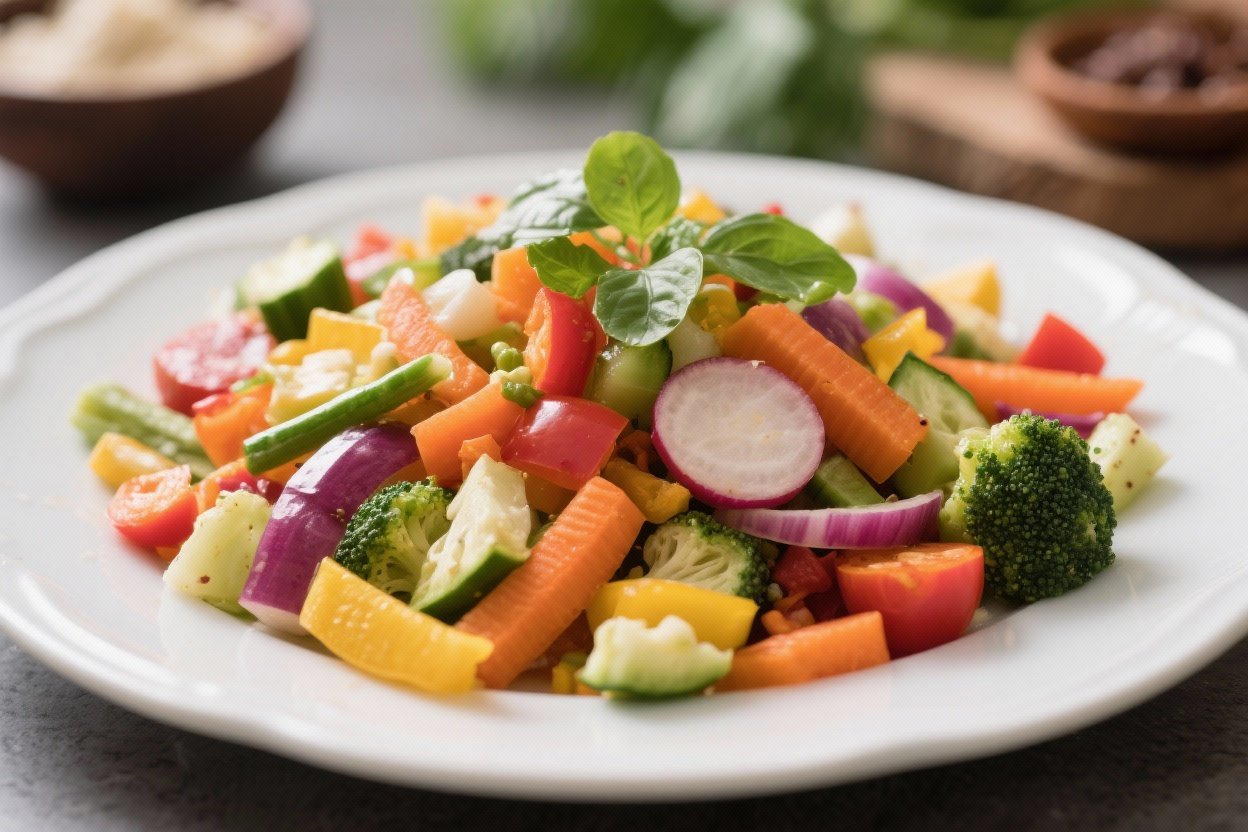
Colorful Veggie Mixes You Can Use With Anything – Simple, Bright, and Versatile
Some recipes earn a permanent spot in your routine because they just work with everything, this colorful veggie mixes is one of those. It’s quick, flexible, and makes any meal feel fresher and more complete.
Table of Contents
You can toss it into pasta, spoon it over rice, tuck it into wraps, or serve it next to grilled chicken or fish. It’s bright, tasty, and easy to customize with whatever you have on hand.
What Makes This Recipe So Good
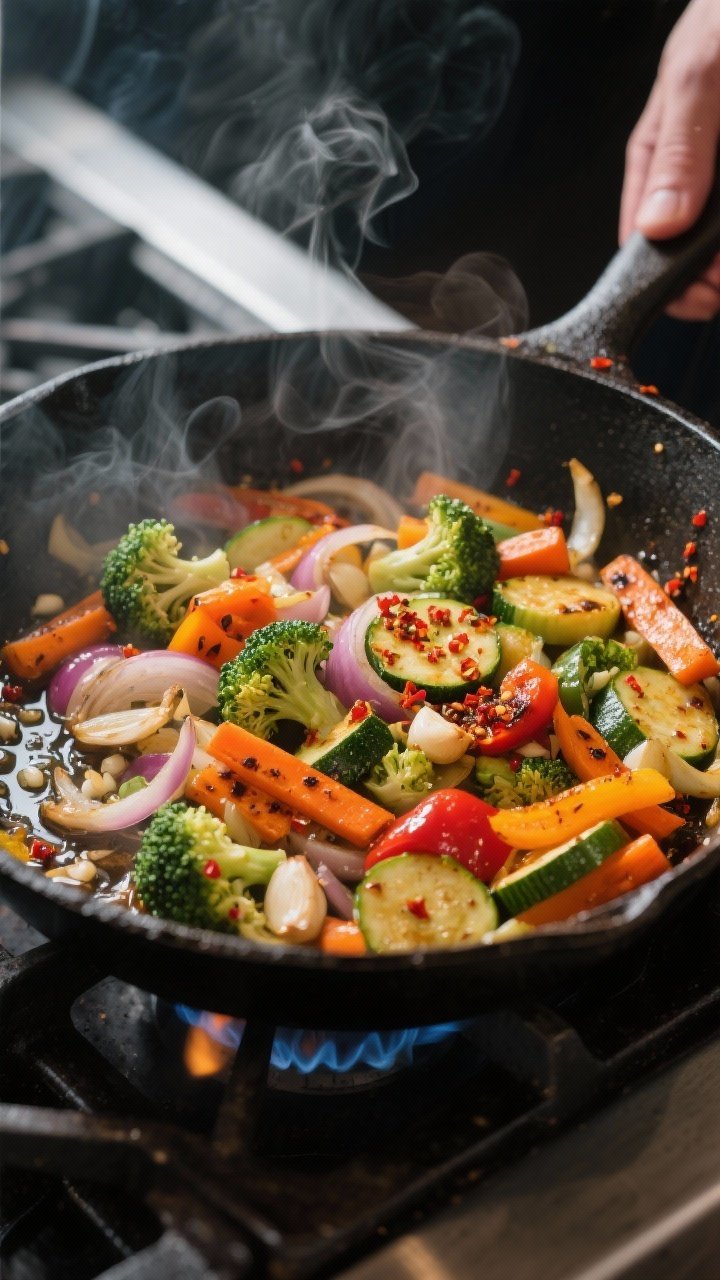
- Endlessly adaptable: Use any veggies you like or need to use up. The method stays the same.
- Fast and weeknight-friendly: You’ll have a big batch in about 20–25 minutes.
- Works with any cuisine: Season it Italian, Mexican, Asian-inspired, or keep it simple.
- Meal prep hero: Keeps well and reheats nicely without turning soggy if you cook it right.
- Budget-friendly: Uses basic produce and pantry staples to make a vibrant, nutrient-dense side.
Ingredients
- 1 red bell pepper, sliced into thin strips
- 1 yellow bell pepper, sliced into thin strips
- 1 medium red onion, thinly sliced
- 2 medium carrots, peeled and cut into thin matchsticks
- 2 small zucchinis, halved lengthwise and sliced into half-moons
- 1 cup cherry tomatoes, halved
- 2 cups broccoli florets, bite-sized
- 2 cups baby spinach or chopped kale
- 3 cloves garlic, minced
- 2 tablespoons olive oil (plus more as needed)
- 1 tablespoon lemon juice or red wine vinegar
- 1 teaspoon dried Italian seasoning or oregano
- 1/2 teaspoon smoked paprika (optional, for depth)
- 1/4–1/2 teaspoon crushed red pepper flakes (optional, for heat)
- Salt and black pepper, to taste
- Fresh herbs for finishing (parsley, basil, or cilantro), chopped
- Optional add-ins: 1 cup corn kernels, 1 cup mushrooms (sliced), 1 can chickpeas (drained and rinsed), or 1/2 cup crumbled feta
How to Make Colorful Veggie Mixes
- Prep the veggies: Keep pieces similar in size so they cook evenly.
Tougher veggies (carrots, broccoli) should be a bit smaller than quick-cooking ones (zucchini, peppers).
- Heat your pan: Set a large skillet over medium-high heat. Add olive oil and let it shimmer. A hot pan helps you get color without steaming.
- Sauté the aromatics: Add the onion and a pinch of salt.
Cook 2–3 minutes until it softens and gets a little color. Stir in garlic and cook 30 seconds until fragrant.
- Add the sturdy veggies: Add carrots and broccoli. Cook 3–4 minutes, stirring occasionally so they char slightly but don’t burn.
If it looks dry, drizzle in a little more oil.
- Add the quick-cooking veggies: Stir in bell peppers and zucchini. Cook another 3–4 minutes until crisp-tender. You want them bright and slightly snappy, not limp.
- Season well: Sprinkle in Italian seasoning, smoked paprika, red pepper flakes, salt, and black pepper.
Toss to coat evenly.
- Finish with freshness: Add cherry tomatoes and spinach. Cook just until the tomatoes soften slightly and the greens wilt, about 1–2 minutes.
- Brighten it up: Turn off the heat. Stir in lemon juice or vinegar and fresh herbs.
Taste and adjust salt, pepper, and acid.
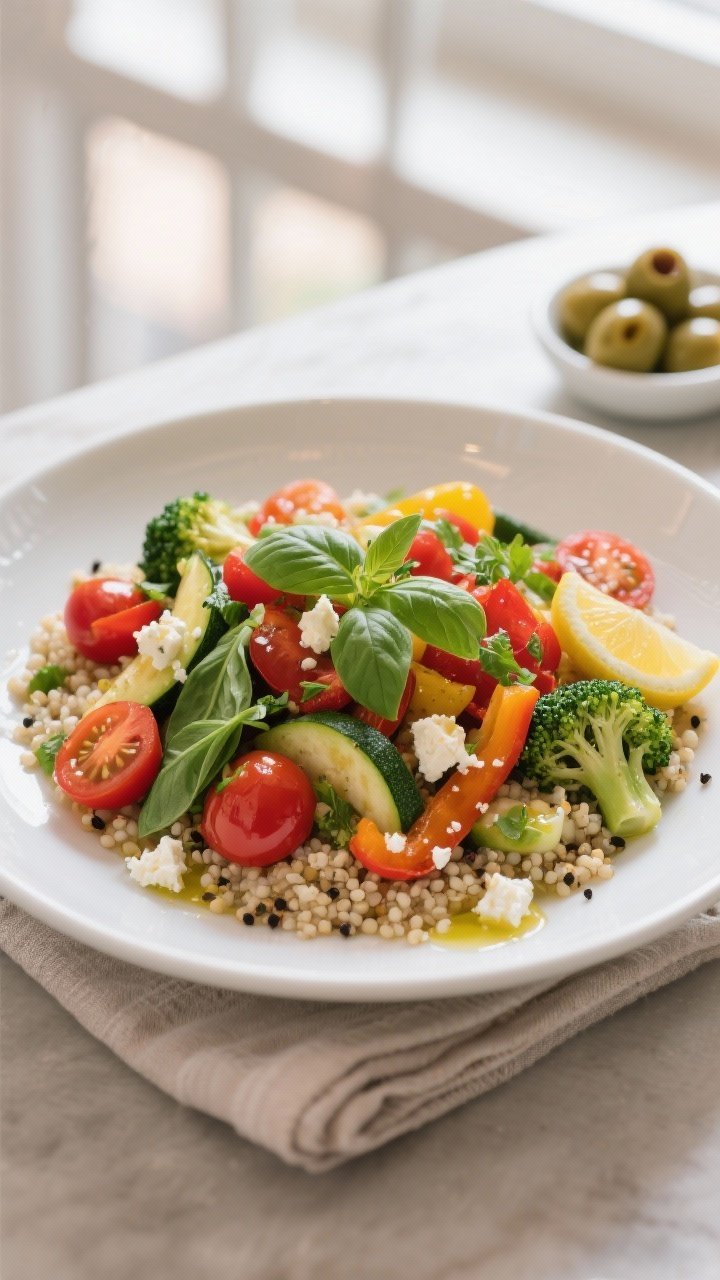
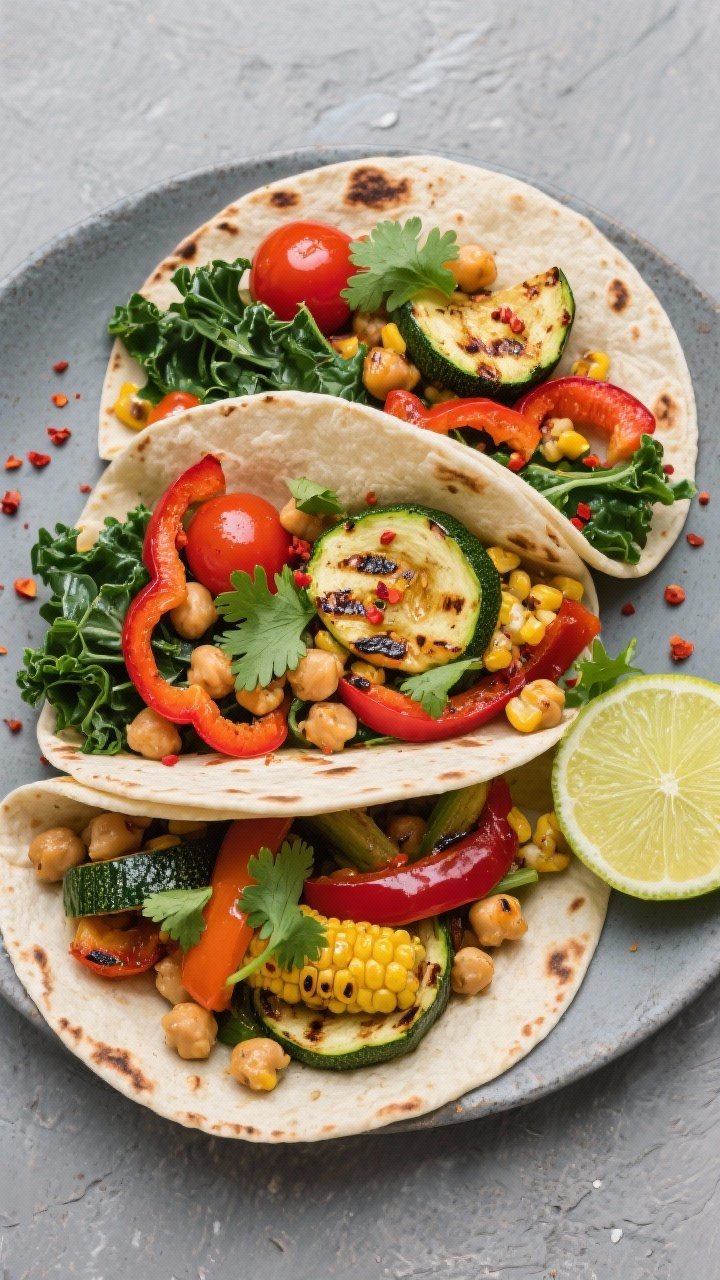
- Serve your way: Spoon over rice or quinoa, toss with pasta, pile into tacos or wraps, or serve alongside your favorite protein. Add chickpeas or feta if you want extra protein or richness.
Storage Instructions
- Fridge: Cool completely, then store in an airtight container for up to 4 days.
- Freezer: Yes, but skip the spinach and tomatoes if freezing; add them fresh when reheating. Freeze up to 2 months.
- Reheat: Warm in a skillet over medium heat with a splash of water or broth to keep it juicy.
Microwaving works too, but stop before it gets mushy.
- Meal prep tip: Keep a small jar of lemon juice or a wedge of lemon handy. A fresh squeeze after reheating brings the flavors back to life.
Why This is Good for You
- Fiber-packed: A mix of cruciferous veggies, leafy greens, and peppers supports digestion and helps you feel full.
- Vitamins and antioxidants: Bright colors mean a variety of nutrients, including vitamin C, A, K, and phytonutrients that support overall health.
- Healthy fats: Olive oil helps your body absorb fat-soluble vitamins and adds satisfying richness.
- Balanced building block: Add beans, tofu, chicken, or fish and you’ve got a complete, balanced meal in minutes.
Pitfalls to Watch Out For
- Overcrowding the pan: Too many veggies at once can steam instead of sear. Use a big skillet or work in batches.
- Overcooking: Aim for crisp-tender.
If you cook until soft, colors dull and texture suffers.
- Under-seasoning: Veggies need salt and acid. Taste and adjust before serving.
- Skipping the heat: A hot pan gives you caramelization and flavor. Lukewarm pans lead to soggy results.
- Adding greens too early: Spinach or kale should go in at the end to keep them vibrant.
Alternatives
- Flavor profiles:
- Mexican-style: Cumin, chili powder, lime juice, cilantro.
- Asian-inspired: Ginger, garlic, soy sauce or tamari, a touch of sesame oil, scallions.
- Mediterranean: Oregano, lemon zest, olives, feta.
- Indian-inspired: Curry powder or garam masala, turmeric, squeeze of lime, chopped cilantro.
- Veggie swaps: Cauliflower, green beans, snap peas, asparagus, eggplant, or Brussels sprouts work well.
Adjust cook times accordingly.
- Protein add-ins: Chickpeas, white beans, tofu, tempeh, rotisserie chicken, shrimp, or sliced steak.
- Carb bases: Rice, quinoa, couscous, farro, pasta, polenta, baked potatoes, or flatbreads.
- Sauce boosters: Pesto, tahini-lemon drizzle, yogurt-garlic sauce, chimichurri, sriracha-mayo, or a balsamic glaze.
FAQ
Can I roast the veggies instead of sautéing?
Yes. Toss the veggies (except spinach and tomatoes) with oil and seasonings, then roast at 425°F (220°C) for 18–25 minutes, stirring once. Add tomatoes for the last 8 minutes and stir in spinach right after baking so it wilts gently.
How do I keep the veggies from getting soggy?
Use a hot pan, don’t overcrowd, and add veggies in stages.
Keep them moving so they sear but don’t steam. Finish with acid off the heat to prevent wilting.
What if I only have frozen vegetables?
It works. Cook from frozen in a hot pan with a bit more oil.
Let excess moisture evaporate before adding seasonings. Add leafy greens and tomatoes at the end for better texture.
How can I make this kid-friendly?
Go lighter on spice, cut veggies into small, even pieces, and finish with a touch of honey or a sprinkle of shredded cheese. Serving with pasta or rice also helps.
Can I make it oil-free?
Yes.
Sauté with a splash of vegetable broth instead of oil. Finish with extra lemon and herbs for flavor. Note the texture will be a bit less caramelized.
What’s the best pan to use?
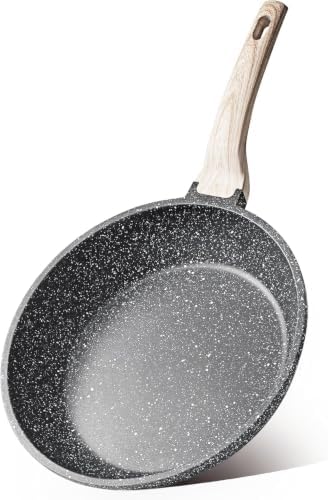
- A large stainless steel or cast-iron skillet is ideal for browning.


2. A nonstick pan works too, especially if you want to use less oil, but you’ll get less sear.


Wrapping Up
This colorful veggie mix is the kind of recipe you rely on all week long. It’s quick, flexible, and pairs with almost anything. Keep the method the same, swap in what you have, and finish with fresh herbs and a bright splash of lemon.
Once you make it a couple of times, you’ll know it by heart and never worry about “what’s for dinner” again.