
AI-Driven Longevity Meal Recipes: Turn Your Biomarkers Into Daily Nutrition
Precision nutrition isn’t about “eating clean.” It’s about translating real health signals—biomarkers, sleep, stress, and lifestyle—into meals that reduce friction and compound results over time. This guide shows how AI-driven longevity meal recipes work in practice, with clear steps, meal structures, and tool recommendations you can use right now.
Quick promise: You’ll understand what data matters, how AI turns that data into daily meals, what longevity meal structures look like, and which tools make the system easy to follow—without tracking your life to death.
Table of Contents
- What Data Powers AI-Driven Longevity Meal Recipes?
- Step-by-Step: How AI Turns Health Data Into Daily Meals
- Longevity-Focused Meal Categories AI Optimizes Best
- Sample AI-Driven Longevity Meal Structures
- Tools and Platforms That Enable Precision Longevity Nutrition
- Is AI-Driven Precision Nutrition Worth It?
- FAQs (Real Questions People Actually Ask)
- Products / Tools / Resources
Most nutrition advice collapses under real life. It sounds clean and logical—eat this, avoid that, balance macros—but it falls apart when your energy dips, your training stalls, or your lab results refuse to move.
The reason is simple: your body isn’t generic, and neither is the way it ages. AI-driven longevity meal recipes for precision nutrition exist because guesswork doesn’t scale over decades. Longevity rewards systems that listen, adapt, and respond.
This isn’t about perfection. It’s about clarity—turning what your body is already saying into meals you can repeat.
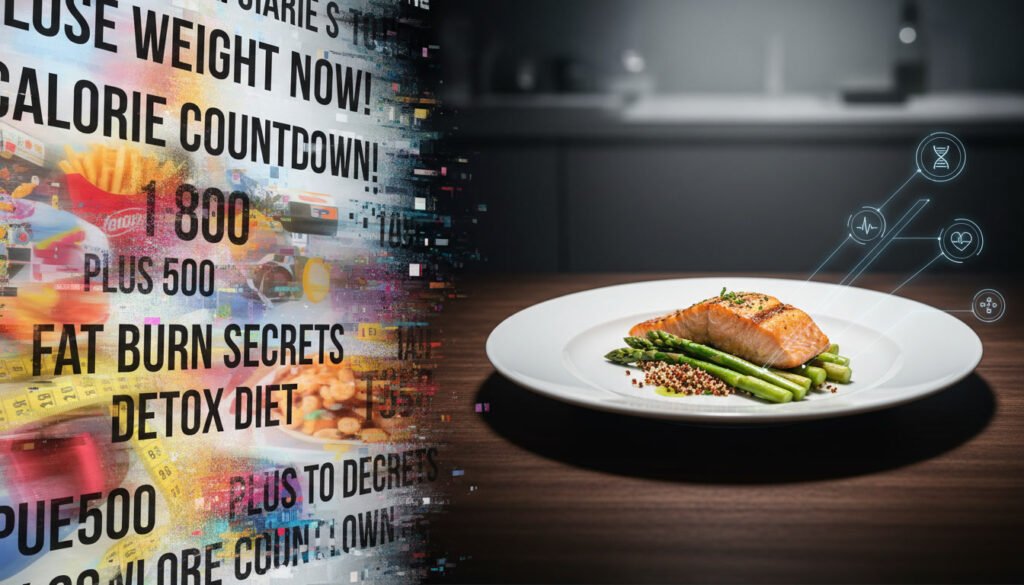
What Data Powers AI-Driven Longevity Meal Recipes?
Food doesn’t operate in isolation. It collides with hormones, sleep, stress, genetics, training load, and habits. Precision nutrition starts by respecting that complexity—then simplifying it into decisions you can actually follow.
Biomarkers, lifestyle inputs, and health goals
At the foundation of AI-driven longevity nutrition is signal collection—not obsession. Most systems pull from a layered data stack that includes:
- Blood biomarkers (metabolic markers, lipid panel, inflammation indicators, nutrient status)
- Body composition trends (muscle retention, fat distribution, weight trajectory)
- Lifestyle inputs (sleep quality, stress load, activity level, work schedule)
- Diet constraints (preferences, allergies, cultural patterns, budget)
- Longevity goals (muscle preservation, cognition, metabolic stability, inflammation control)
Entity map: biomarkers → metabolic health → inflammation → muscle preservation → cognitive longevity → precision nutrition → AI meal planning → longevity meal recipes.
How algorithms prioritize longevity risk factors
Not all signals matter equally. Longevity-focused systems typically prioritize the risk factors that compound over time:
- Muscle loss risk → protein density, protein timing, recovery support
- Insulin dysregulation → carb quality, meal sequencing, fiber strategy
- Chronic inflammation → polyphenol-rich foods, fat balance, cooking methods
- Cognitive decline risk → stable glucose delivery, omega-3s, key micronutrients
This hierarchy prevents the classic mistake: optimizing for short-term “diet wins” while ignoring the biology that drives aging.
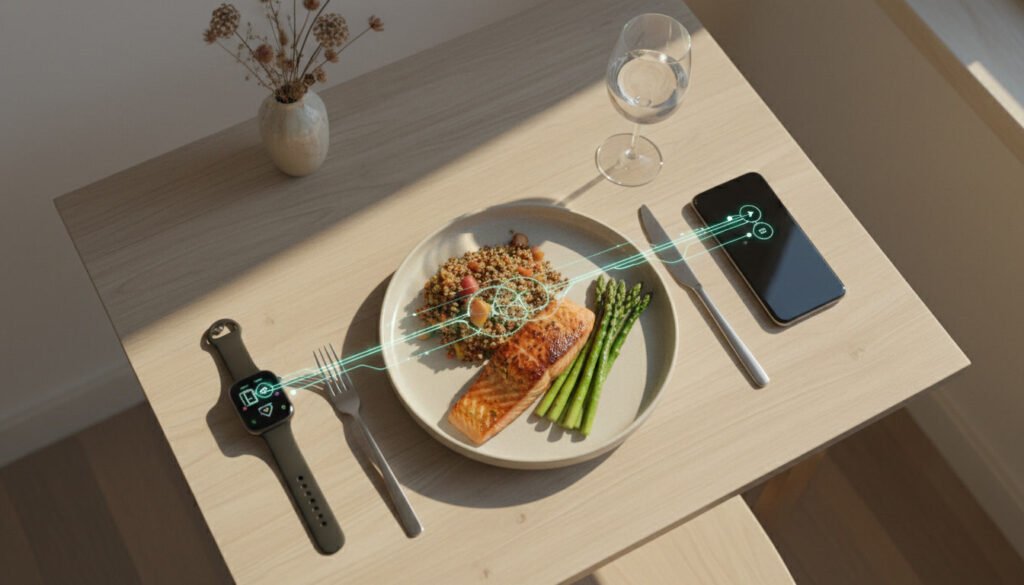
Step-by-Step: How AI Turns Health Data Into Daily Meals
This is where abstraction ends and execution begins. The goal isn’t more information—it’s fewer decisions.
Input → analysis → recommendation pipeline
Most AI meal planning follows a repeatable loop:
- Data ingestion (biomarkers, sleep, stress, activity, diet history)
- Pattern recognition (what’s driving energy dips, spikes, cravings, recovery issues)
- Constraint modeling (time, budget, preferences, cooking skill)
- Meal synthesis (recipes built to meet biological targets)
- Delivery (simple meals, grocery list, meal prep guidance)
Why this sticks: AI reduces decision fatigue. When the “next best meal” is obvious, compliance becomes frictionless.
Adjusting meals based on feedback and outcomes
Static plans fail because bodies aren’t static. AI-driven precision nutrition adapts based on what your data and outcomes reveal:
- If glucose spikes show up → carb sources and meal sequencing adjust
- If recovery lags → protein timing and micronutrient density increase
- If energy crashes persist → fiber, fats, and meal structure get refined
Over time, the meal plan stops feeling “assigned” and starts feeling like the natural way you eat.

Longevity-Focused Meal Categories AI Optimizes Best
Longevity nutrition isn’t about novelty. It’s about repeating the right biological wins until they compound.
High-protein meals for muscle preservation
Muscle is metabolic armor. AI-driven longevity meal recipes often prioritize protein density, amino acid quality, and timing that supports recovery and aging physiology.
- Protein density per meal without excess calories
- Amino acid profiles that support muscle repair
- Timing around activity and recovery
Anti-inflammatory recipes for cellular aging
Chronic inflammation compounds quietly. Precision nutrition tends to emphasize diverse plants, polyphenol-rich foods, and fat balance—plus cooking methods that preserve nutrient activity.
- Polyphenol stacking (berries, greens, herbs, spices)
- Omega-3 to omega-6 balance
- Gentle cooking methods for nutrient preservation
Brain-supportive meals for cognitive longevity
Cognitive decline is often metabolic before it’s neurological. AI-optimized meals focus on stable glucose delivery, omega-3 density, and micronutrients tied to neurotransmitter synthesis.
- Stable energy delivery (reduced glycemic swings)
- Omega-3–rich foods for neural support
- Micronutrients supporting cognition and mood

Sample AI-Driven Longevity Meal Structures
These aren’t rigid recipes. They’re repeatable blueprints that make daily execution easier—especially on busy weeks.
A precision breakfast blueprint
The goal: cognitive stability and muscle signaling. A typical structure includes a protein anchor, optional low-glycemic carbs, and fats that support satiety and focus.
- Protein anchor to support muscle preservation
- Low-glycemic carbs (or none) based on your response
- Supportive fats for satiety and mental clarity
Midday metabolic stabilization meals
The goal: energy without insulin chaos. AI-driven meals often balance protein-to-carb ratio, add fiber-rich plants, and minimize processed inputs to prevent the afternoon crash.
- Balanced protein-to-carb ratio
- High fiber, high volume plants
- Minimal ultra-processed foods
Evening recovery-focused dinners
The goal: repair, not stimulation. Dinners often include protein for overnight repair, micronutrient density for recovery, and carbs timed for sleep support (if appropriate).
- Protein for overnight muscle repair
- Micronutrients that support cellular recovery
- Carbs timed for sleep (when helpful)
High-protein recipes, anti-inflammatory meals, and brain-healthy foods to strengthen topical authority and session depth.
Tools and Platforms That Enable Precision Longevity Nutrition
Systems beat motivation. Tools make systems frictionless—especially when your goal is to stay consistent without turning nutrition into a second job.
AI meal planning software
Nutrition tracking platforms increasingly support micronutrient analysis and personalization. Used well, they reduce blind spots and improve repeatability.
Smart kitchen tools and trackers
Precision nutrition thrives on feedback. Smart scales and wearables help you spot patterns without obsessing—especially around sleep, activity, and recovery.
Integrating grocery delivery and meal prep systems
When your meals connect to automated grocery lists, delivery services, and batch-prep workflows, compliance becomes your default setting.
Food Scale (Precision Portions Without Guesswork)
A simple digital food scale helps you get consistent portions fast—especially when you’re dialing in protein and carbs for metabolic stability.
- Faster meal assembly
- More accurate protein portions
- Less decision fatigue
Shop top-rated digital food scales on Amazon
Meal Prep Containers (Make Consistency Automatic)
When meals are pre-portioned, the “what do I eat?” question disappears. Great for high-protein longevity meal recipes and weekday compliance.
- Supports batch cooking and planning
- Reduces reliance on willpower
- Keeps protein and veggies consistent
Browse BPA-free meal prep containers on Amazon
High-Speed Blender (Fiber + Polyphenols Made Easy)
A powerful blender helps you build anti-inflammatory, brain-supportive meals fast—especially when you’re stacking berries, greens, and seeds.
- Smoothies with higher fiber density
- Faster prep for busy mornings
- Helps hit micronutrients consistently
Find a high-speed blender for precision nutrition
Air Fryer (Lean Protein + Fast Weeknight Meals)
If you want high-protein longevity meals without spending your life cooking, an air fryer is one of the highest ROI tools you can buy.
- Fast, consistent cooking
- Great for lean proteins and veggies
- Easy cleanup = higher compliance
Shop best-selling air fryers on Amazon
Is AI-Driven Precision Nutrition Worth It?
This is where skepticism usually lives—and where clarity matters. Precision nutrition can feel like “one more thing” until you see what it replaces: chaos, decision fatigue, and inconsistent results.
Cost vs long-term health ROI
Upfront costs exist (tools, better groceries, sometimes app subscriptions). But compare that to reactive healthcare costs, lost productivity, and years spent guessing. Precision nutrition is preventive compounding.
Who benefits the most
AI-driven longevity meal recipes tend to work best for busy professionals, adults 35+ focused on aging well, and anyone overwhelmed by conflicting nutrition advice. If decision fatigue is your bottleneck, this approach removes it.
Common mistakes and how to avoid them
- Chasing perfection instead of repeatable consistency
- Ignoring feedback loops (data only works when you use it)
- Using AI as a shortcut instead of a system
Behavioral insight: Longevity is built on boring consistency. The best system is the one you repeat when you’re tired, busy, and not motivated.
FAQs (Real Questions People Actually Ask)
Do I need lab tests for AI-driven precision nutrition?
Lab tests help, but they’re not mandatory to start. Many people begin with lifestyle inputs (sleep, activity, goals, diet preferences) and layer in biomarkers later to refine results.
Is this just another diet trend?
No. Diet trends push one-size-fits-all rules. AI-driven longevity meal recipes for precision nutrition are about adaptive decision-making based on your signals and outcomes.
How do I avoid getting overwhelmed by tracking?
Start small: focus on repeatable meal structures (protein + plants + smart carbs) and use tools only to reduce friction. If tracking increases stress, you’re doing it wrong.
What’s the simplest “AI-like” way to eat for longevity today?
Build consistent templates: a high-protein breakfast, a balanced lunch that avoids energy crashes, and a dinner structured for recovery and sleep. Then adjust based on how you feel and perform.
Products / Tools / Resources
If you want AI-driven longevity meal recipes to feel effortless, focus on tools that remove friction and make consistency automatic:
- Digital food scale for consistent portions and faster assembly
- Meal prep containers to eliminate daily decision fatigue
- High-speed blender for fiber and polyphenol stacking
- Air fryer for quick high-protein weeknight meals
Internal link prompt: Link this resource section to your “Meal Prep Systems,” “High-Protein Functional Meals,” and “Anti-Inflammatory Recipes” category pages to strengthen topical coverage and keep readers exploring.
As an Amazon Associate, I earn from qualifying purchases.