
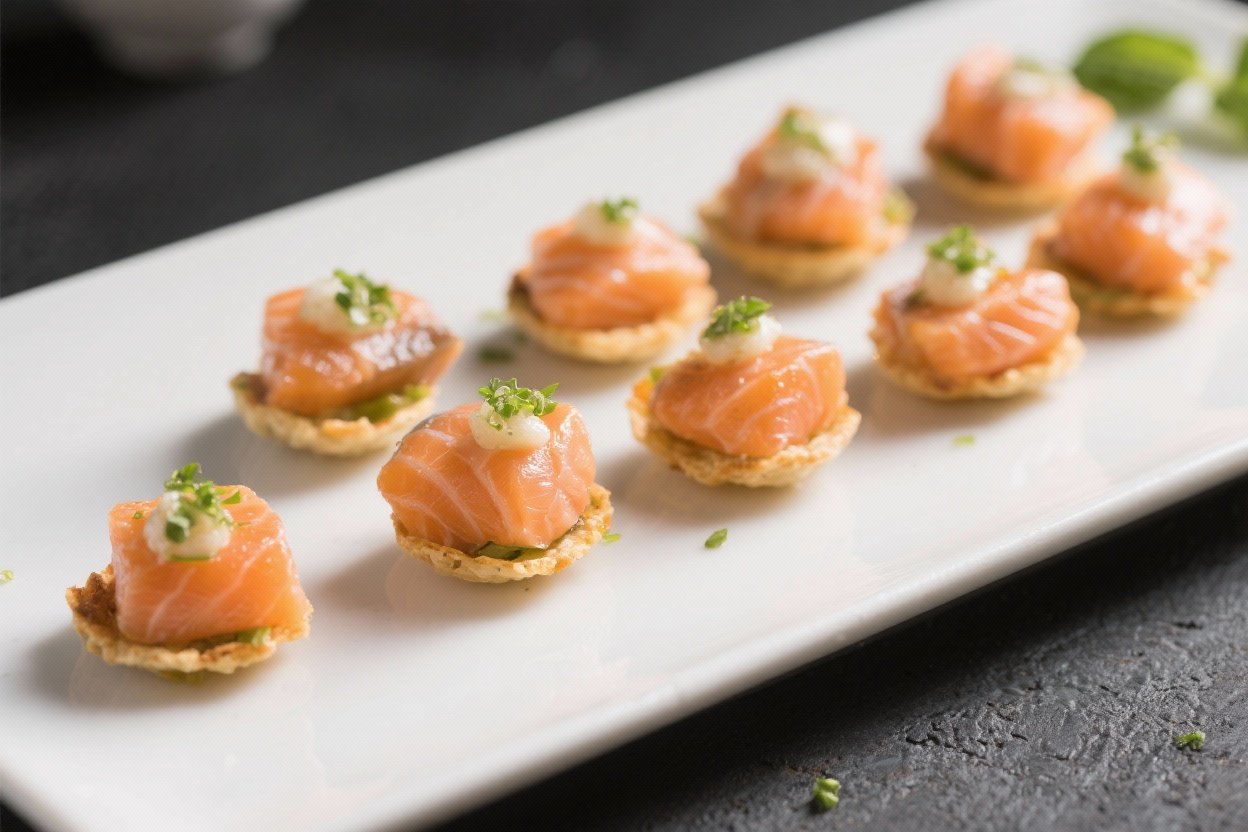
Anti-Inflammatory Salmon Bites – Crispy, Flavorful, and Good for You
These salmon bites are a fast, feel-good dinner that doesn’t taste like a compromise. They’re crisp on the outside, tender inside, and loaded with bright flavors from lemon, garlic, and herbs. The best part is they’re packed with nutrients known to help calm inflammation.
Serve them over greens, tuck them into tacos, or pair them with a creamy yogurt sauce. It’s a simple recipe you’ll keep coming back to on busy weeknights or when you want something light but satisfying.
Why This Recipe Works
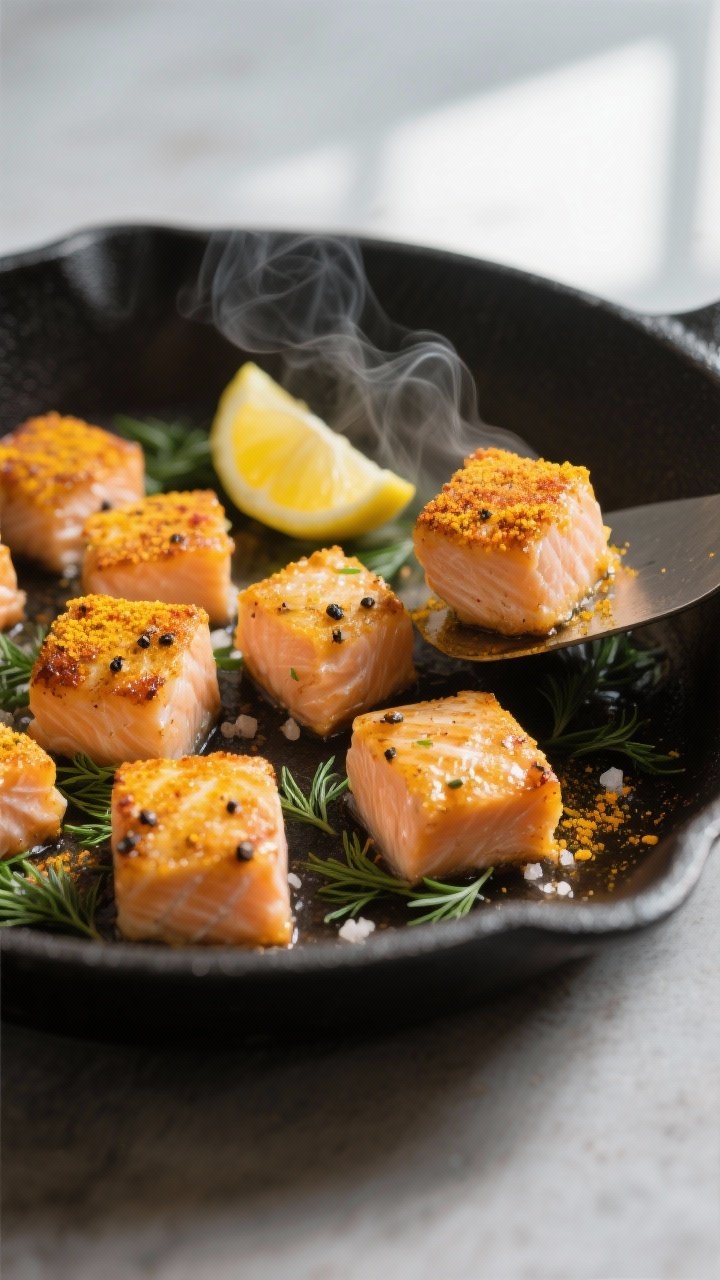
Salmon is rich in omega-3 fats, which may help reduce inflammation. This recipe adds turmeric, garlic, and olive oil—ingredients known for their anti-inflammatory properties.
A quick cornstarch or almond flour coating gives the bites a crisp finish without deep frying. High-heat roasting or pan-searing seals in moisture, so the salmon stays juicy and flaky. Fresh lemon and herbs brighten everything and balance the richness.
Shopping List
- Fresh salmon (skinless, 1 to 1.5 pounds), cut into 1-inch cubes
- Extra-virgin olive oil (2 to 3 tablespoons)
- Garlic (2 cloves, minced) or 1 teaspoon garlic powder
- Turmeric (1/2 teaspoon)
- Smoked paprika (1 teaspoon) for warmth and color
- Ground black pepper (1/2 teaspoon)
- Sea salt (3/4 to 1 teaspoon)
- Cornstarch or almond flour (1 to 2 tablespoons) for light crisping
- Lemon (zest and juice of 1)
- Fresh herbs (dill, parsley, or cilantro, chopped)
- Optional add-ins: red pepper flakes, ground cumin, or a pinch of ginger
- Optional sauce: Greek yogurt, lemon juice, olive oil, chopped dill, pinch of salt
Instructions
- Prep the salmon: Pat the salmon dry with paper towels.Cut into 1-inch cubes. Drying helps the coating stick and improves browning.
- Mix the seasoning: In a large bowl, combine olive oil, garlic, turmeric, smoked paprika, black pepper, sea salt, lemon zest, and a squeeze of lemon juice. Stir well.
- Coat the salmon: Add the salmon bites to the bowl and toss gently to coat.Sprinkle cornstarch or almond flour over the salmon and toss again until lightly dusted.
- Choose your cooking method: For roasting, preheat the oven to 425°F (220°C). Line a sheet pan with parchment for easy cleanup. For pan-searing, heat a large nonstick or well-seasoned skillet over medium-high heat with a drizzle of olive oil.
- Roast option: Spread the salmon bites in a single layer on the sheet pan, spacing them out.Roast for 8–10 minutes, flipping once halfway, until the edges are crisp and the centers are just opaque. Avoid overcooking.
- Pan-sear option: Add the salmon bites to the hot skillet in batches, not crowding the pan. Cook 2–3 minutes per side until golden and just cooked through.
- Finish with freshness: Transfer to a plate, squeeze over more lemon juice, and shower with chopped herbs.Taste and adjust salt if needed.
- Make a quick sauce (optional): Stir Greek yogurt with lemon juice, a little olive oil, chopped dill, and a pinch of salt. Serve alongside for dipping.
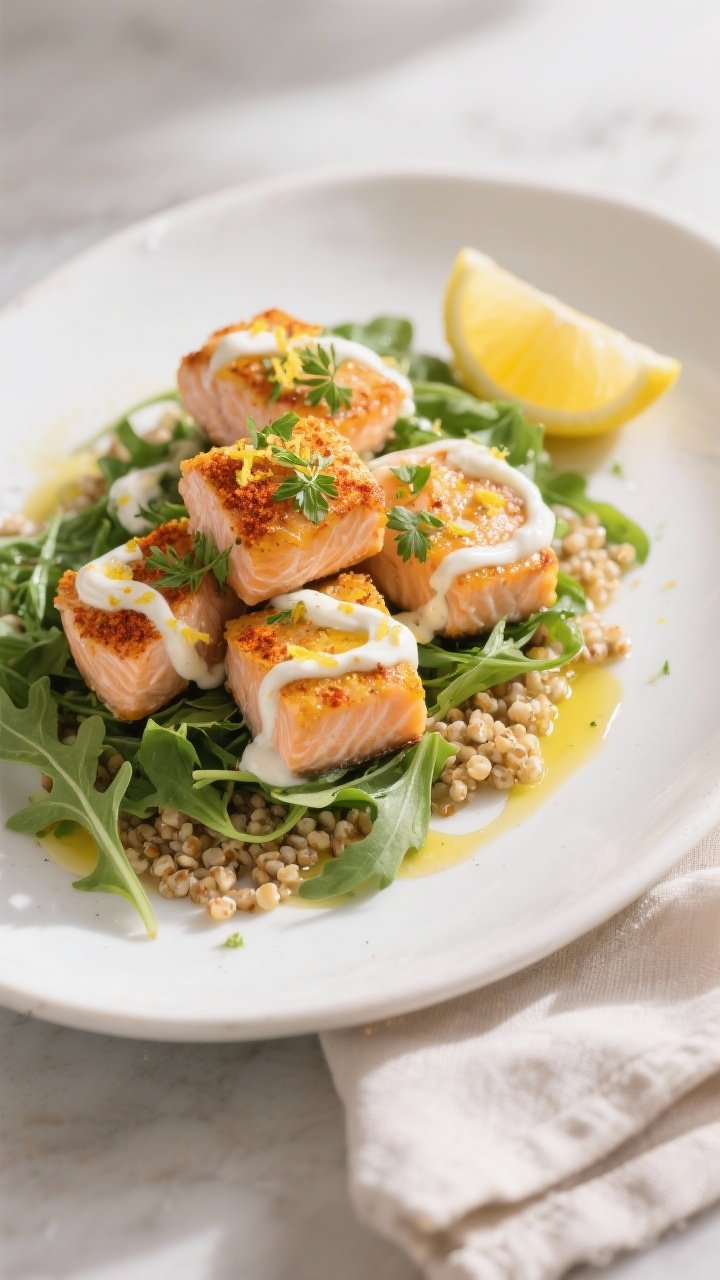
- Serve: Enjoy over a simple arugula salad, tucked in lettuce cups, or with quinoa and roasted vegetables.
Storage Instructions
Let the salmon bites cool to room temperature, then store in an airtight container in the fridge for up to 3 days. Reheat gently in a skillet over medium heat with a touch of olive oil for 2–3 minutes to revive the crisp edges.
You can also reheat in a 350°F (175°C) oven for 5–7 minutes. Avoid microwaving if you can—it can make the fish rubbery. For longer storage, freeze on a sheet pan until solid, then transfer to a freezer bag and keep up to 2 months.
Reheat from frozen in a 375°F (190°C) oven for 10–12 minutes.
Benefits of This Recipe
- Omega-3 rich: Salmon provides EPA and DHA, which are linked to supporting heart and brain health and may help tame inflammation.
- Anti-inflammatory spices: Turmeric and garlic add flavor and may support the body’s natural inflammatory response.
- Balanced fats: Olive oil brings heart-healthy monounsaturated fats and helps you absorb fat-soluble nutrients.
- Protein-packed: Each serving delivers satisfying protein to keep you full without heaviness.
- Flexible and fast: Cooks in under 15 minutes and works with many sides or dietary needs.
What Not to Do
- Don’t skip drying the fish: Wet salmon won’t crisp and the coating won’t stick well.
- Don’t overcrowd the pan: Give the bites space or they’ll steam instead of brown.
- Don’t overcook: Salmon goes from perfect to dry quickly. Pull it when just opaque and flaky.
- Don’t drown it in sauce while cooking: Sauces are great after, but too much liquid in the pan will prevent crisping.
- Don’t forget acid and herbs: Lemon and fresh herbs brighten the dish and balance richness.
Recipe Variations
- Ginger-Sesame: Swap paprika for 1 teaspoon grated ginger and 1 teaspoon sesame oil. Finish with toasted sesame seeds and scallions.Serve with brown rice and steamed bok choy.
- Chili-Lime: Use lime zest and juice, add a pinch of cumin and red pepper flakes. Finish with cilantro and sliced jalapeño.
- Herb-Crusted: Mix almond flour with finely chopped parsley and dill. Press onto oiled salmon bites and roast until crisp.
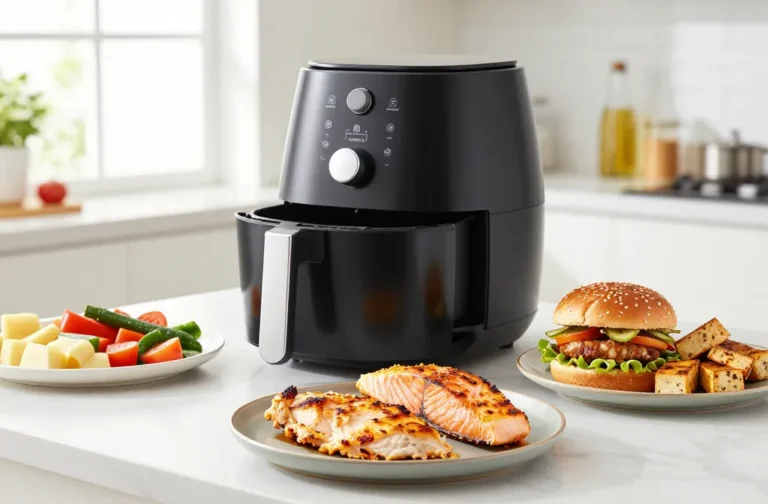
- Air Fryer: Cook at 390°F (200°C) for 7–9 minutes, shaking once.This gives great crunch with very little oil.
- Dairy-Free Sauce: Blend avocado with lime juice, olive oil, cilantro, and a pinch of salt for a creamy, dairy-free dip.
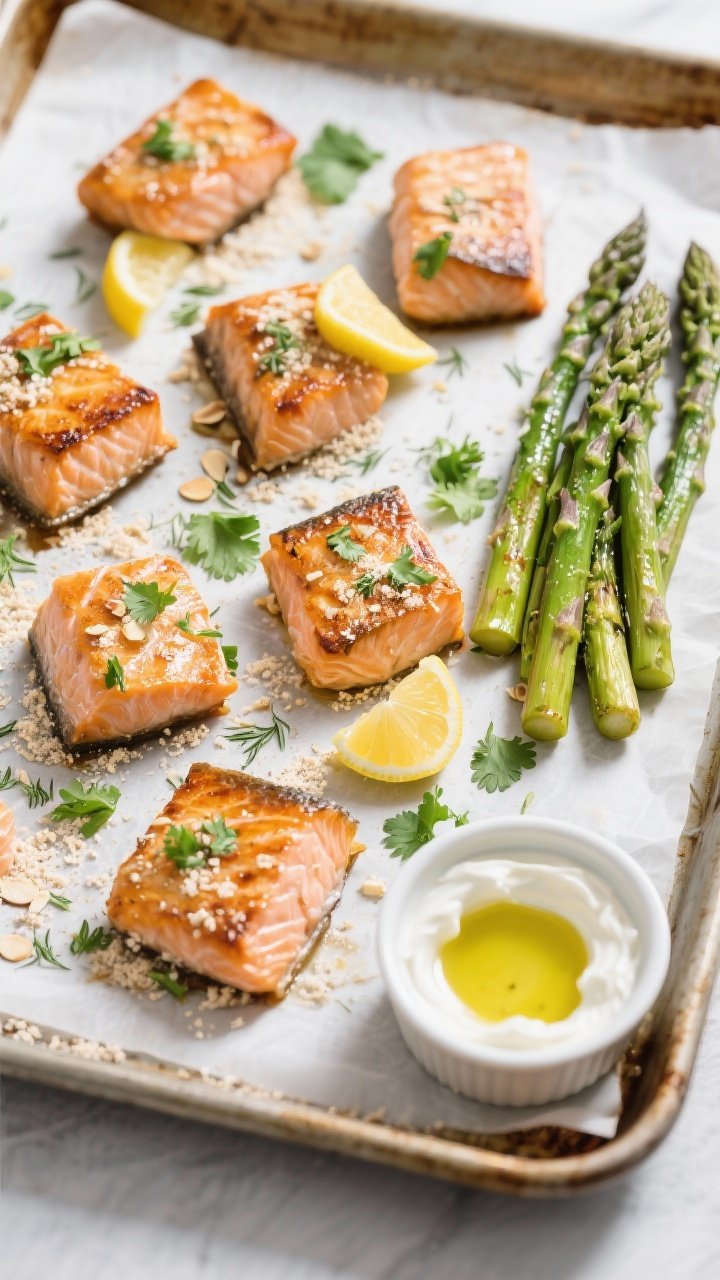
- Sheet-Pan Meal: Add broccoli florets or asparagus to the pan. Toss veggies with olive oil, salt, and pepper, and roast alongside the salmon.
FAQ
Can I use frozen salmon?
Yes. Thaw it fully in the fridge overnight, then pat very dry before seasoning.
Excess moisture is the main reason frozen fish won’t crisp up.
What kind of salmon works best?
Skinless fillets from Atlantic, coho, or sockeye all work. Choose what’s available and fresh. Sockeye is leaner and cooks a bit faster, so keep an eye on it.
Is there a substitute for cornstarch?
Almond flour is a great gluten-free option and adds a nutty flavor.
You can also use arrowroot starch for a similar light crust.
How do I know when the salmon is done?
Look for opaque flesh that flakes easily with a fork. The internal temperature should reach about 125–130°F (52–54°C) for a medium, tender result.
What can I serve with these salmon bites?
They’re great with a simple arugula salad, quinoa, roasted sweet potatoes, or tucked into lettuce cups with avocado and cucumbers. A lemony yogurt or tahini sauce pairs well.
Can I make them ahead?
You can cut and season the salmon up to 6 hours ahead and keep it chilled.
Add the cornstarch or almond flour right before cooking to keep the coating crisp.
Are these kid-friendly?
Yes. If serving kids, skip the red pepper flakes and go light on the smoked paprika. Serve with a mild yogurt dip to make it extra approachable.
How do I keep the kitchen from smelling like fish?
Use very fresh salmon, preheat your oven well, and open a window during cooking.
A quick simmer of lemon slices and water afterward helps clear lingering aromas.
Wrapping Up
Anti-Inflammatory Salmon Bites are simple, fast, and packed with feel-good ingredients. You get crisp edges, tender centers, and lively flavor without heavy cooking methods. Keep this recipe in your weekly rotation, and mix up the variations to suit your mood.
It’s a low-effort, high-reward meal that tastes as good as it is for you.




One Comment