

Clean and Simple Meal Prep: The 2-Hour Habit That Saves Time, Money, and Stress
Most weeks don’t fall apart all at once. They unravel quietly—one rushed lunch, one “what’s for dinner?” spiral, one grocery bill that feels oddly high. Clean and simple meal prep isn’t about cooking more. It’s about thinking less. A short weekly routine that gives you your time back, steadies your budget, and lowers the mental noise that follows you around all week.
Quick note: This guide is designed to be “system-first.” No marathon Sundays. No complicated recipes. Just a clean workflow that runs in the background of your life.
Table of Contents
- The Hidden Cost of Not Meal Prepping
- Clean Meal Prep as a Stress-Reduction System
- The 2-Hour Weekly Workflow
- Budget-Friendly Clean Eating
- How Clean Meal Prep Supports Long-Term Health
- Scaling the System Over Time
- Rapid-Fire Questions People Actually Ask
- Products / Tools / Resources
The Hidden Cost of Not Meal Prepping
When people say Clean and Simple Meal prep is “too much work,” they’re usually counting the visible effort and ignoring the invisible drain. The real cost shows up as time leakage, financial drain, and stress accumulation—small hits that stack up into a week that feels heavier than it should.
Time Leakage
Every unplanned meal creates friction: opening the fridge, second-guessing what you have, scrolling menus, driving somewhere “quick,” waiting for delivery. It doesn’t feel dramatic. But those 5–15 minute fragments add up. Clean and simple meal prep compresses dozens of daily decisions into one weekly block. One decision replaces many.
Behavioral win: You’re not “being disciplined.” You’re removing decision fatigue before it can tax your day.
Financial Drain
Unplanned eating is expensive by default: convenience pricing, delivery fees, duplicate groceries, and food waste hiding in plain sight. Meal prep flips the model—you buy intentionally, use what you bought, and stop paying the “panic premium.”
- Last-minute grocery runs often mean paying more for less.
- Takeout and delivery stack fees on top of markup.
- Food waste is money you never got to use.
Stress Accumulation
Stress isn’t always loud. Sometimes it’s the quiet irritation of asking yourself the same question every day: What am I going to eat? When that question disappears, something softens. Evenings feel longer. Your mind stops sprinting in circles.
If you’re building a broader routine, you may also like: Meal Prep and Healthy Eating.
Clean Meal Prep as a Stress-Reduction System
This is the part people miss: Clean and Simple Meal meal prep isn’t just a food plan. It’s a stress plan. It creates predictability, and predictability changes how your week feels.
Predictability = Calm
Humans relax when outcomes are known. Knowing your next meal is handled gives you a steadier baseline—less urgency, less improvisation, fewer “I’ll just grab something” moments that turn into expensive, low-satisfaction meals.
Habit Automation & Cognitive Offloading
Think of meal prep like a calendar or a checklist. You’re not being rigid—you’re offloading mental load. Food decisions get made once per week, then executed on autopilot. That frees attention for everything else you actually care about.
The 2-Hour Weekly Workflow
You don’t need a full Sunday sacrificed to containers and chaos. You need a tight workflow. Two hours. Start to finish. The magic is not the recipes—it’s the rhythm.
Planning (20 Minutes)
Plan components, not perfection. Aim for a simple structure:
- 2–3 proteins (chicken, eggs, beans, fish, tofu)
- 3–4 vegetables (fresh or frozen)
- 1–2 smart carbs (rice, potatoes, quinoa, lentils)
- 1 flavor direction (Italian herbs, lemon-garlic, smoky paprika, ginger-soy)
Cooking (90 Minutes)
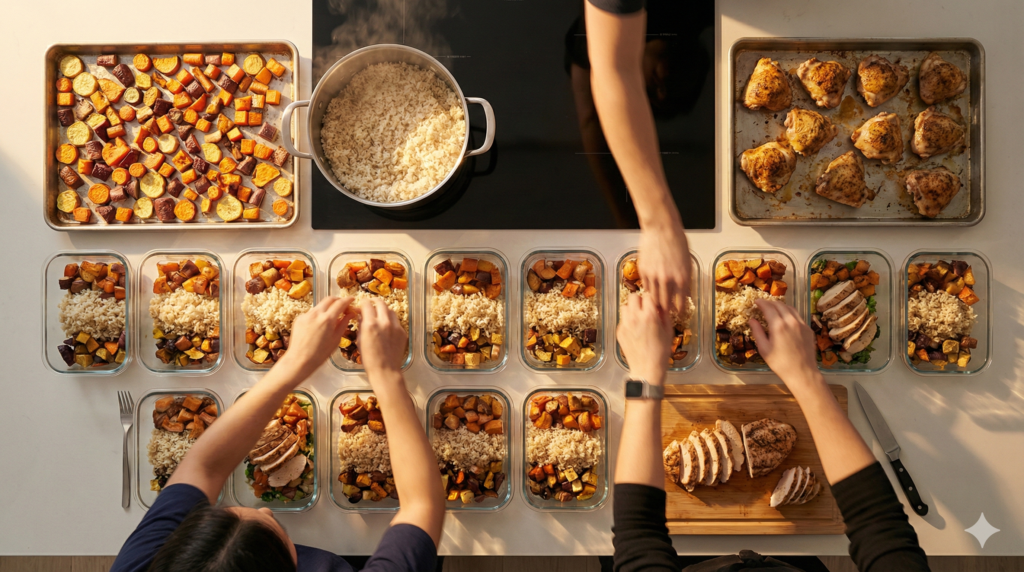
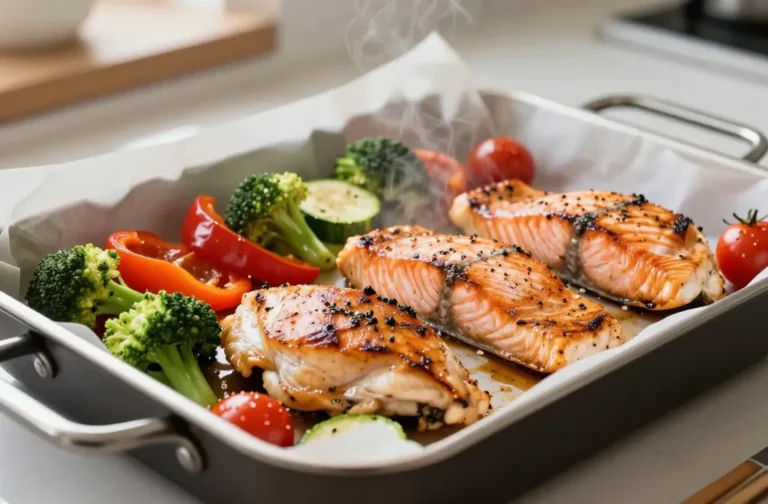
Batch cooking works because it’s parallel. While sheet pans roast, something simmers. While carbs cook, proteins rest. This isn’t creative cooking—it’s efficient assembly. And once you stop trying to make it fancy, it feels strangely calm.
Reset & Storage (10 Minutes)
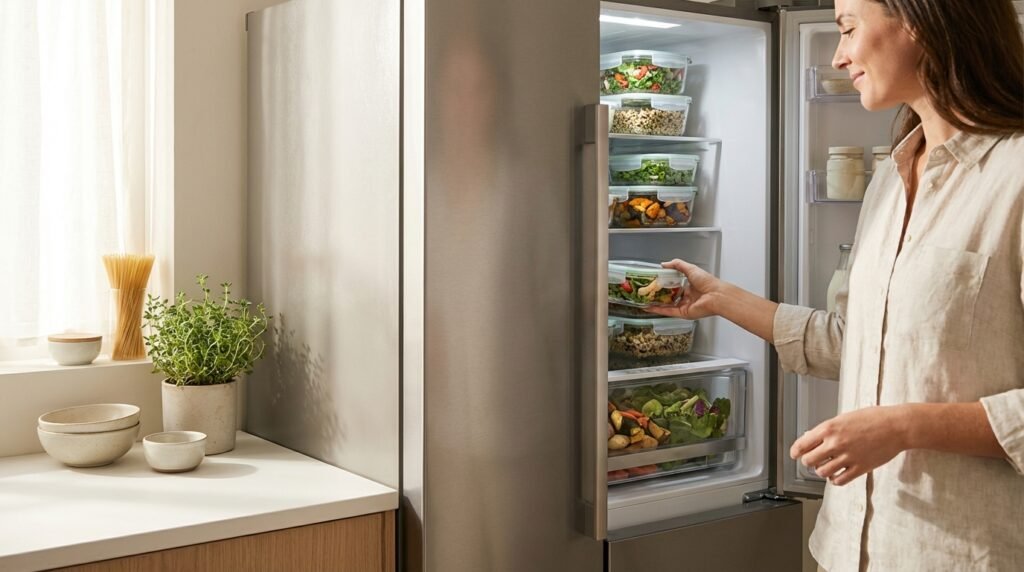
Portion. Store. Reset the kitchen. This last step locks the benefit in. Monday is easier when your fridge looks like a plan instead of a mystery.
Food safety quick tip:
Cool hot foods before sealing containers, store in the fridge promptly, and rotate older meals forward so they’re used first.
Budget-Friendly Clean Eating
Clean eating doesn’t fail because it’s expensive. It fails because it’s unplanned. Once you decide ahead of time, costs settle down fast.
Cost per Meal Breakdown
A typical week of Clean and Simple Meal prep can land around $3–$6 per meal depending on ingredients and where you shop—often far less than a few takeout orders. The bigger win is that you stop buying the same ingredients twice and throwing food away.
Bulk Buying & Seasonal Produce
You don’t need variety from new ingredients—you need it from combinations. Buy staples in bulk. Buy produce in season. Keep the structure stable and rotate flavors to stay interested without creating chaos.
For more money-saving meal ideas, browse: Budget Healthy Meals.
How Clean Meal Prep Supports Long-Term Health
The reason this works long-term is simple: the system aligns with how bodies actually respond to consistent meals—especially when protein, fiber, and healthy fats are present.
Blood Sugar Stability
Predictable meals can reduce spikes and crashes. When blood sugar stays steadier, cravings calm down. Your mood becomes less reactive. And you stop chasing “fixes” in the afternoon.
Energy Consistency
Random meals often create random energy. Clean and Simple Meal prep tends to do the opposite: fewer extremes, fewer crashes, more steady focus. You feel like your day is yours again.
Weight Management Without Dieting
This isn’t about tracking or restriction. It’s about removing chaos. When decisions are pre-made, impulse eating becomes less likely—without needing constant willpower.
Scaling the System Over Time
Once the base workflow is stable, it becomes flexible. You keep the structure and simply evolve the inputs—slowly, calmly, without resetting your entire routine.
Adding Variety Without Chaos
- Rotate sauces and dressings (same base meals, new feel).
- Swap one protein weekly (chicken → salmon → tofu).
- Change the spice profile (Italian → smoky → citrus).
Family & Partner Buy-In
Meal prep scales socially when base components are shared and customization happens at serving. Same protein, different sides. Same vegetables, different sauces. Less friction, more consistency.
Rapid-Fire Questions People Actually Ask

Is Clean and Simple Meal prep really worth it?
Yes—because the payoff starts immediately. Less stress, fewer decisions, lower food costs, steadier energy. Most people feel the difference within days, not months.
How long does it actually take each week?
About two hours total—planning, cooking, and cleanup—often less once you’ve done it a few times and the workflow becomes automatic.
What if I get bored?
Boredom usually comes from overcomplication fatigue, not repetition. Keep the structure simple, rotate flavors, and you’ll get variety without losing momentum.
Products / Tools / Resources
You don’t need a kitchen makeover to make clean meal prep work. But the right tools reduce friction dramatically—faster prep, cleaner storage, easier reheating, fewer “I don’t feel like it” moments.
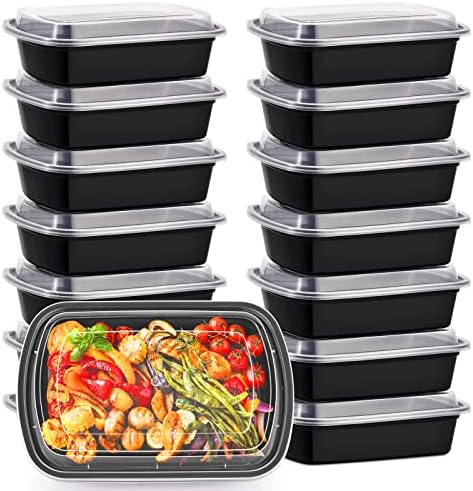
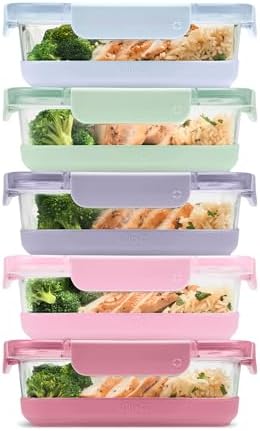
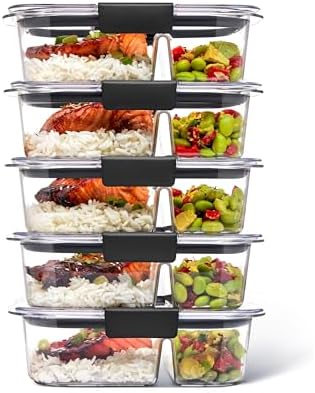
Glass Meal Prep Containers (Leak-Resistant)
Stackable, microwave-friendly, and built for weekly portioning—this is the “make it automatic” upgrade.
- Keeps food fresh longer
- Easy reheat, easy clean
- Reduces food waste
Shop glass meal prep containers on Amazon

![[8-Pack,30 oz]Glass Meal Prep Containers,Glass Food Storage Conta...](https://m.media-amazon.com/images/I/51Xx2N0Mc7L._AC_.jpg)
![Freshware Food Storage Containers [24 Set] 32 oz Plastic Deli Con...](https://m.media-amazon.com/images/I/51LkptMffAL._AC_.jpg)
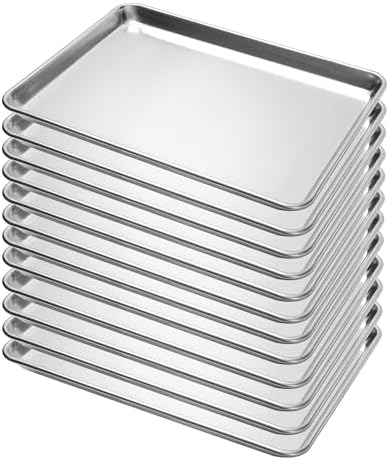
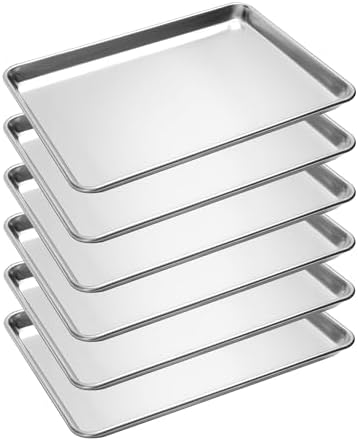
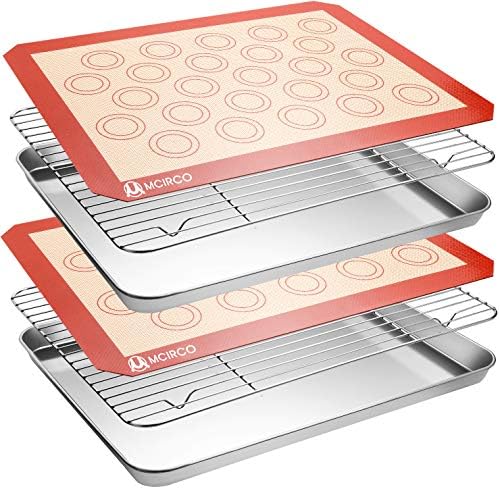
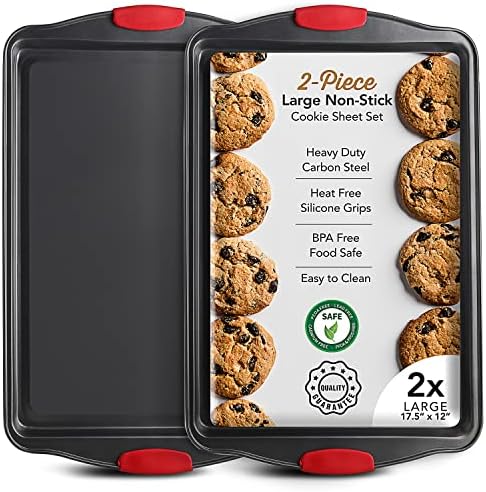
Heavy-Duty Half Sheet Pans
The fastest way to batch-cook vegetables and proteins with minimal cleanup.
- Parallel cooking = shorter prep time
- Better roasting, better texture
- Easy weekly repetition
Shop half sheet pans on Amazon





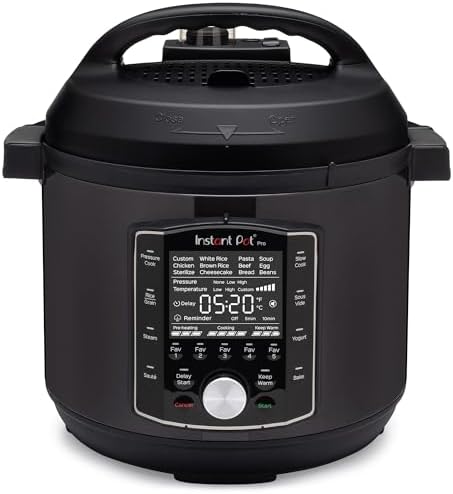
Instant Pot / Multicooker (Time-Saver)
Batch-cook proteins, grains, and soups quickly—ideal for the “2-hour workflow.”
- Hands-off cooking
- Fast meal prep proteins
- Great for beans, rice, chili
Shop Instant Pot multicookers on Amazon


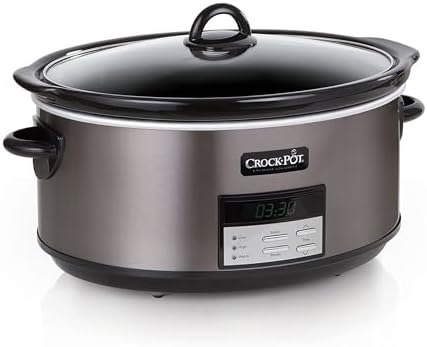
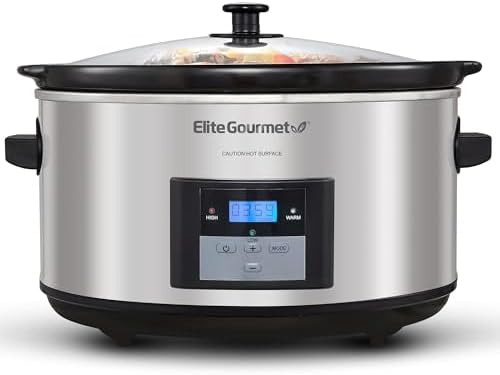
Slow Cooker (Set-and-Forget)
Perfect for shreddable chicken, turkey chili, and meal prep staples while you do other things.
- Low effort, high output
- Great for batch proteins
- Reduces cooking stress




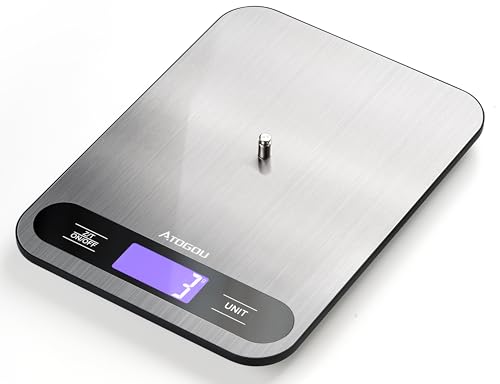
Not for dieting—just for repeatable portions and smoother weekly planning.
- Consistent portions
- Better meal prep math
- Faster planning next week
Shop digital kitchen scales on Amazon





Want to go deeper? Pair this workflow with High-Protein Meal Prep or Clean Eating for a tighter weekly system.
As an Amazon Associate, I earn from qualifying purchases.





2 Comments