Clean & Simple Meal Prep Recipes for ADHD Adults
Table of Contents
Clean & Simple Meal Prep Recipes for ADHD Adults aren’t a trend response or a wellness workaround. They exist because many adults with ADHD run into the same wall, over and over: the fridge is stocked, the intention is there, yet feeding yourself still feels oddly exhausting. It’s not laziness, and it’s not a lack of discipline. It’s the friction created when food systems demand more sequencing, timing, and decision-making than your brain wants to give.
This article starts from that reality. Not the idealized version of meal prep, but the lived one—where energy fluctuates, attention wanders, and hunger doesn’t always announce itself politely. If you want a broader baseline for this style of cooking, start with Recipes built for real life and treat this guide as the ADHD-specific version of the same principle: fewer decisions, fewer steps, and meals that support focus rather than drain it.
Why Traditional Meal Prep Fails ADHD Adults
Most meal prep advice is built for people who can plan linearly, execute consistently, and recover quickly when plans change. ADHD doesn’t always cooperate. What looks like “simple planning” can turn into a pile-up of micro-decisions, and the moment the plan slips, the whole structure can feel unusable.
- Too many upfront decisions—recipes, shopping lists, prep order, storage
- Recipes with narrow tolerances, where one missed step derails the whole thing
- Rigid schedules that collapse when attention or energy dips
- Food fatigue, leading to half-eaten containers and quiet guilt
Over time, these small failures stack. Meal prep becomes something you “should” do, then something you avoid entirely. Clean and simple approaches succeed because they remove pressure at the system level, not because they demand better follow-through.
What “Clean & Simple” Actually Means (and What It Doesn’t)
“Clean” and “simple” are often misunderstood, so it’s worth grounding them. Here, they’re not moral labels. They’re operational choices designed to reduce friction.
Clean means:
- Short, predictable ingredient lists
- Foods that digest consistently and don’t spike energy unpredictably
- Fewer additives that muddy appetite and focus
Simple means:
- Steps you can complete even when distracted
- Recipes that tolerate substitutions and small mistakes
- Meals that still taste fine after reheating
It does not mean:
- Perfect nutrition or rigid rules
- Endless repetition without variation
- Cooking everything from scratch
The ADHD-Friendly Meal Prep Framework
1. Build Meals from Repeatable Components
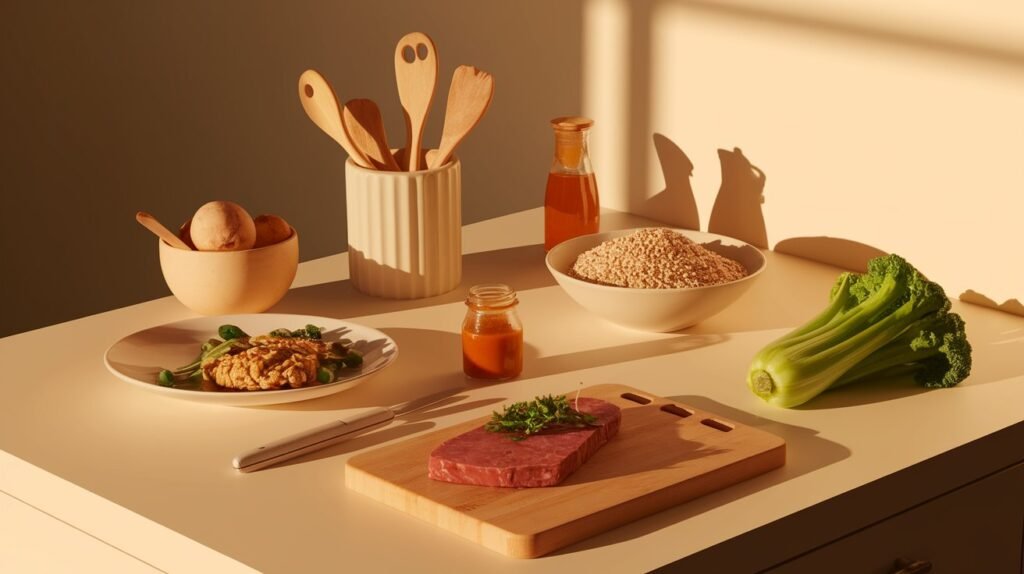
Instead of committing to full recipes, think in building blocks. Components are easier to prepare, easier to mix, and easier to abandon without guilt. This is also where “meal prep” becomes more flexible: one prep session can create multiple meals without requiring your brain to “start over” each time.
A basic structure:
- One protein
- One carbohydrate
- One or two vegetables
- One flavor element
If you’re balancing food timing with appetite patterns, the same component strategy works well for time-restricted plans too—see Recipes for intermittent fasting for a parallel setup you can borrow from without adding complexity.
2. Cap Each Prep Session at 60–90 Minutes
Long prep sessions look efficient on paper and fail in practice. Energy drops, attention wanders, and unfinished tasks linger. Shorter sessions are easier to repeat, and repetition is what makes the system reliable. When time is tight, it helps to keep a “minimum viable prep” list—ideas similar to Metabolic cooking for busy people can slot in on low-capacity days without blowing up your week.
3. Design for Reheating and Forgetfulness
Meals should hold up if they’re reheated unevenly, sit an extra day in the fridge, or get eaten later than planned. If a meal only works under perfect conditions, it’s fragile. Fragile systems don’t last—especially when attention and time don’t behave predictably.
Clean & Simple Meal Prep Recipes for ADHD Adults
The options below prioritize tolerance—of time, of distraction, and of imperfect execution. They’re meant to be repeated, remixed, and kept easy enough that you don’t dread doing them again.
Protein Bases (Prep Once, Use All Week)
1. Sheet-Pan Chicken Thighs
Olive oil, salt, pepper, paprika. Roast at high heat until done.
Why it works: forgiving texture, steady flavor, and reliable reheating.
2. Ground Turkey Skillet
Onion, garlic, salt. Brown once and portion out.
Why it works: neutral enough to pair with different sides or sauces without extra effort.
3. Baked Tofu or Tempeh
Soy sauce and oil, roasted until firm.
Why it works: stable texture and minimal prep, especially useful for plant-based routines.
Helpful tool: A sturdy sheet pan set makes batch roasting simpler and cleanup faster.
Browse sheet pan sets that roast evenly
Carbohydrate Bases (Low Effort, High Stability)
1. Rice Cooker Grains
White rice, brown rice, or quinoa.
Why it works: minimal attention and consistent results.
2. Roasted Potatoes or Sweet Potatoes
Oil and salt, nothing fancy.
Why it works: flexible portions and good flavor even when reheated.
3. Pasta with Olive Oil
Why it works: filling, affordable, and forgiving when timing isn’t perfect.
Helpful tool: A rice cooker reduces timing decisions and frees attention for the rest of your prep.
See rice cookers that do set-and-forget grains
Vegetable Prep (Don’t Overthink This)
Frozen vegetables are often the most reliable option—not a compromise. They shorten prep time, remove chopping friction, and keep your plan intact when attention is low.
Good choices include:
- Steam-in-bag broccoli or green beans
- Sheet-pan mixed vegetables
- Raw vegetables you already enjoy eating
Avoid vegetables that require precise timing or constant monitoring. Attention is a finite resource.
Sauce = Dopamine Without Complexity
A single sauce can quietly reset your appetite. It’s one of the easiest ways to keep meals interesting without adding new cooking steps. If you rely heavily on quick cooking appliances, pairing sauces with crisped proteins works especially well—see Air Fryer meal prep recipes for combinations that stay simple.
Options that keep prep manageable:
- Tahini with lemon
- Greek yogurt with garlic
- Soy sauce with sesame oil
- Store-bought pesto or salsa
Make one. Use it broadly. Let it do the heavy lifting.
Example 3-Day ADHD Meal Prep Rotation
This rotation keeps prep tight and decisions minimal. It’s also short enough to reduce boredom and waste.
Day 1–3 Lunch
Chicken thigh
Rice
Broccoli
Lemon–tahini sauce
Day 1–3 Dinner
Ground turkey
Roasted potatoes
Mixed vegetables
Yogurt–garlic sauce
Common Mistakes That Undermine Consistency
- Preparing too much food, which creates pressure instead of relief
- Choosing aspirational recipes rather than realistic ones
- Ignoring sensory preferences—texture often matters more than nutrition theory
- Storing food out of sight, where it quietly disappears from memory
If a meal consistently goes untouched, remove it from rotation. Systems should adapt to you, not the other way around.
ADHD Meal Prep FAQs

How many meals should I prep at once?
Three to six meals tends to work best. It’s enough to reduce daily stress without creating overwhelm or waste.
Is eating the same meal repeatedly bad?
Not inherently. Variety matters over time, not at every sitting. Reliability often matters more for ADHD adults than novelty.
What if I forget to eat the prepped meals?
Use visual cues—clear containers, front-of-fridge placement—or reminders tied to time, not hunger signals.
Do I need to track macros or calories?
Only if it genuinely helps. For many people with ADHD, tracking adds friction and leads to abandonment.
Products / Tools / Resources
The right tools can reduce effort without demanding extra attention. None of these are requirements. They’re supports—meant to keep your prep routine steady on low-capacity days.
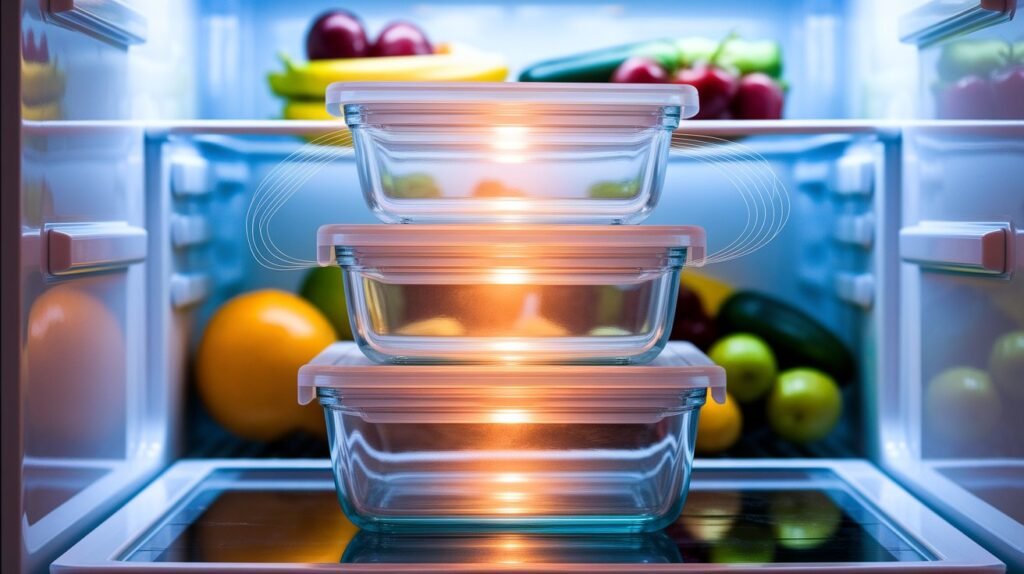
Clear, stackable food containers help keep meals visible and easy to grab.
Find glass meal prep containers that stack cleanly
Pre-chopped and frozen vegetables shorten prep time and reduce decision load.
Browse bulk-friendly frozen vegetables
Simple sauces and condiments make repeat meals feel new without extra cooking steps.
Shop tahini for quick lemon-tahini sauces
As an Amazon Associate, I earn from qualifying purchases.