

Clean & Simple Meal Prep Recipes for Intermittent Fasting
Clean & Simple Meal Prep Recipes for Intermittent Fasting are one of those ideas that sound calm, almost monk-like, until you try to execute them on a Wednesday when your inbox is feral, your fast just ended, and your brain is vibrating like a cheap refrigerator.
You don’t fail fasting because you’re weak. You fail because the moment your eating window opens, you’re expected—apparently—to make excellent nutritional decisions while mildly lightheaded and emotionally fragile. Absurd. That’s like asking someone who just came up for air to also recite poetry.
And so the spiral begins. A “small bite.” A snack that becomes a meal. A meal that becomes a justification. Then the quiet resentment toward intermittent fasting itself, as if the protocol betrayed you rather than the system around it collapsing like wet cardboard.
Table of Contents
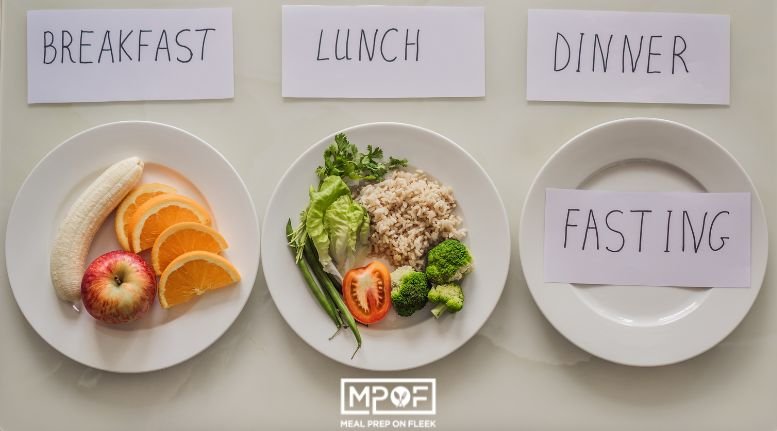
Visual context for clean & simple meal prep recipes for intermittent fasting
Sometimes you need a visual reminder of what you’re building: a repeatable system, not a “food mood board.”
The uncomfortable truth about clean & simple meal prep recipes for intermittent fasting
Most meal prep advice is decorative. Pretty bowls. Color gradients. Twelve ingredients doing interpretive dance in a glass container.
Looks great. Performs terribly.
Intermittent fasting doesn’t reward novelty—it punishes it. Every extra choice, every exotic ingredient, every “this sounded good on Sunday” recipe becomes friction when your blood sugar is low and your patience has clocked out.
The people who succeed—the ones who fast for years, not weeks—do something almost insulting in its simplicity.
They repeat meals. Relentlessly.
Same textures. Same macros. Same containers stacked like disciplined little soldiers in the fridge.
Pro Tip: If your meal prep plan needs a spreadsheet to survive, it won’t survive your first stressful week.
Build a rotation of 2 proteins + 2 vegetables + 1 “optional carb” and stop auditioning meals like it’s reality TV.
What “clean” means for intermittent fasting meal prep (and what it doesn’t)
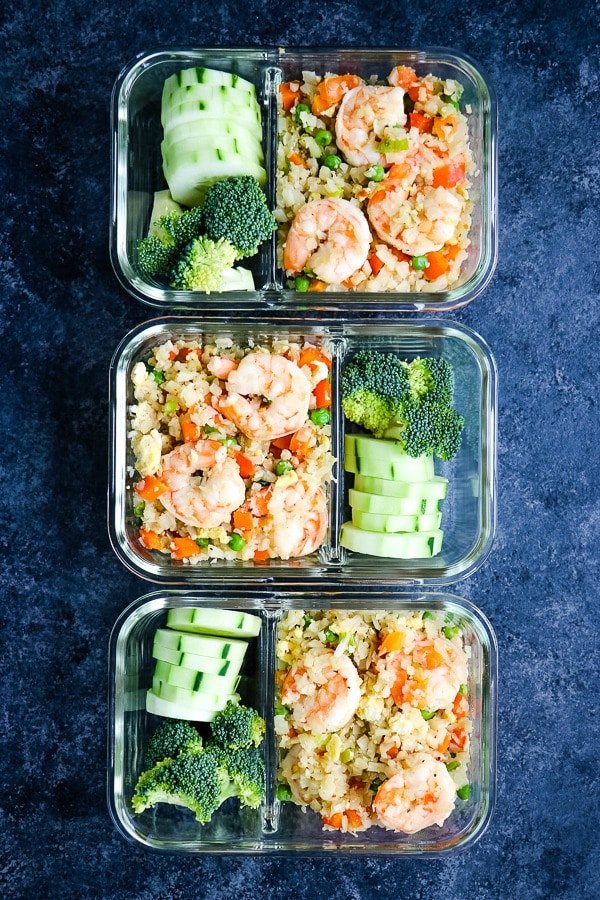
Clean does not mean virtuous. Clean does not mean joyless. Clean definitely does not mean raw vegetables assaulting an empty stomach like gravel in a washing machine.
Clean, in the context of intermittent fasting, means digestive civility.
- Foods that arrive quietly.
- Foods that don’t spike, crash, or argue with your gut.
- Foods that let your body transition from fasting to feeding without setting off alarms.
Cooked proteins. Soft textures. Fats that behave themselves. And sugar—real or disguised—kept on a short leash.
People love to break fasts with “healthy” foods that feel morally impressive and physiologically disastrous. Raw kale. Protein bars engineered in a lab. Fiber bombs that turn your abdomen into a live percussion instrument.
That’s not discipline. That’s self-sabotage with a wellness accent.
If you want a more automated cooking lane for this style of eating, you’ll like Instant pot meal recipes because they reduce the “standing around hungry” problem—the part nobody admits is the real enemy.
Clean & simple meal prep recipes for intermittent fasting that actually work
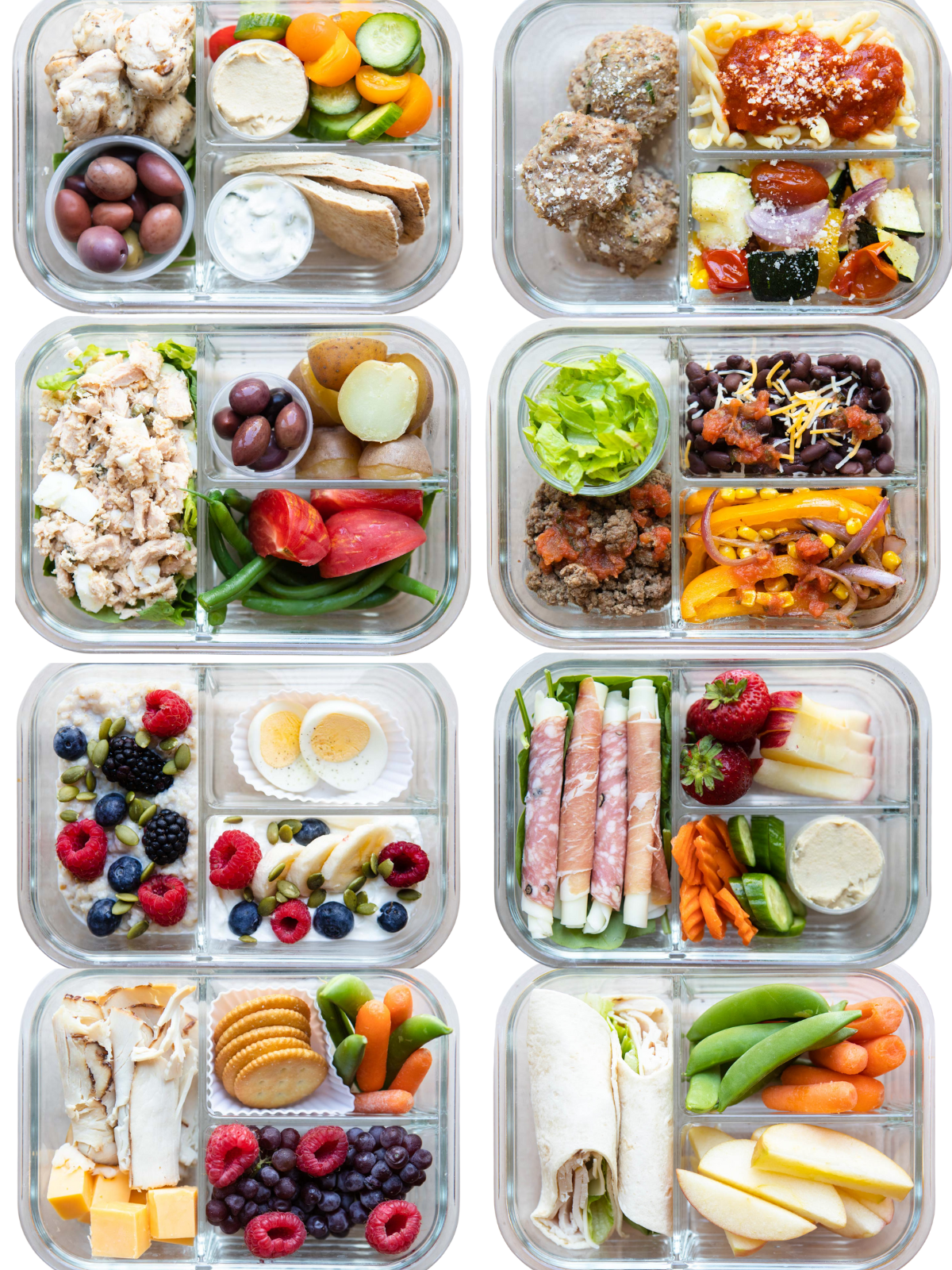
This isn’t a recipe collection. It’s a compliance engine. The goal is fewer decisions during your eating window—because willpower is a limited resource, and you’re spending it on real life.
If you want a container-first approach (the kind that makes consistency almost automatic), start with recipes using meal prep container setups so your portions and timing stop being a daily debate.
The first meal after a fast: break-fast bowls that don’t backfire
The opening meal after a fast isn’t just food—it’s a tone setter. A signal flare.
Get it wrong and the rest of the day becomes damage control. Get it right and hunger… behaves. Not disappears. Behaves.
Think:
- Eggs, softly scrambled, with a spoonful of cottage cheese melted in
- Greek yogurt that tastes faintly of nothing, with cinnamon and maybe berries if you earned them
- Chicken thighs, not breasts (dry food after a fast is a crime)
Protein first. Always. Not because protein is magical, but because it’s predictable.
Pro Tip: If sweetness hits first (even “natural”), appetite hormones wake up like a fire alarm.
Keep your first 20–30 minutes savory and protein-forward, then layer carbs or fruit if your day actually demands it.
Lunch meal prep for intermittent fasting: sturdy, repeatable, calm
Lunch should feel like a sturdy chair. Not thrilling. Not fragile. Something you sit on without thinking.
Cook once. Eat three times.
- Salmon with olive oil and squash
- Turkey mince with spinach cooked until it gives up
- Lentils simmered in bone broth (quietly underrated for digestion after a fast)
If your weekday schedule is the real battlefield, borrow structure from recipes for busy weeknights systems—because the fewer moving parts you have, the fewer excuses your future self can invent.
Dinner during intermittent fasting: not fireworks, just closure
Dinner ruins more fasting schedules than skipped breakfasts ever did.
Why? Because it becomes symbolic. Emotional. A closing act instead of a biological one.
But dinner, for intermittent fasting, should feel like shutting down a laptop—not fireworks.
Bone broth doesn’t scream wellness. It murmurs competence. It makes digestion smoother, transitions gentler, and somehow takes the edge off that post-fast intensity that turns people into snack hunters.
- Lean protein
- One cooked vegetable
- One fat that knows its place
No sauces you didn’t make. No “I deserve this” monologues. Those conversations are expensive.
Finish light and tomorrow’s fast feels like a glide, not a punishment.
Clean & simple meal prep system for intermittent fasting schedules
Prep components. Not meals.
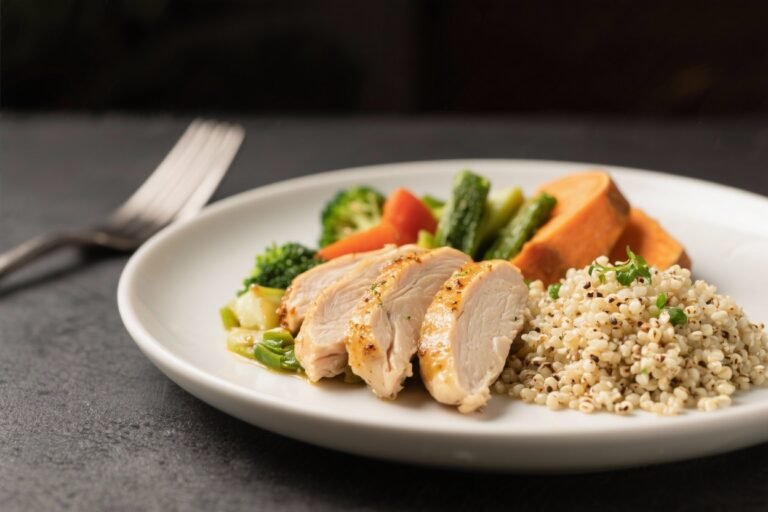
- Two proteins
- One carb option, maybe
- Two vegetables
- One fat
Mix as needed. Repeat until bored. Then repeat again.
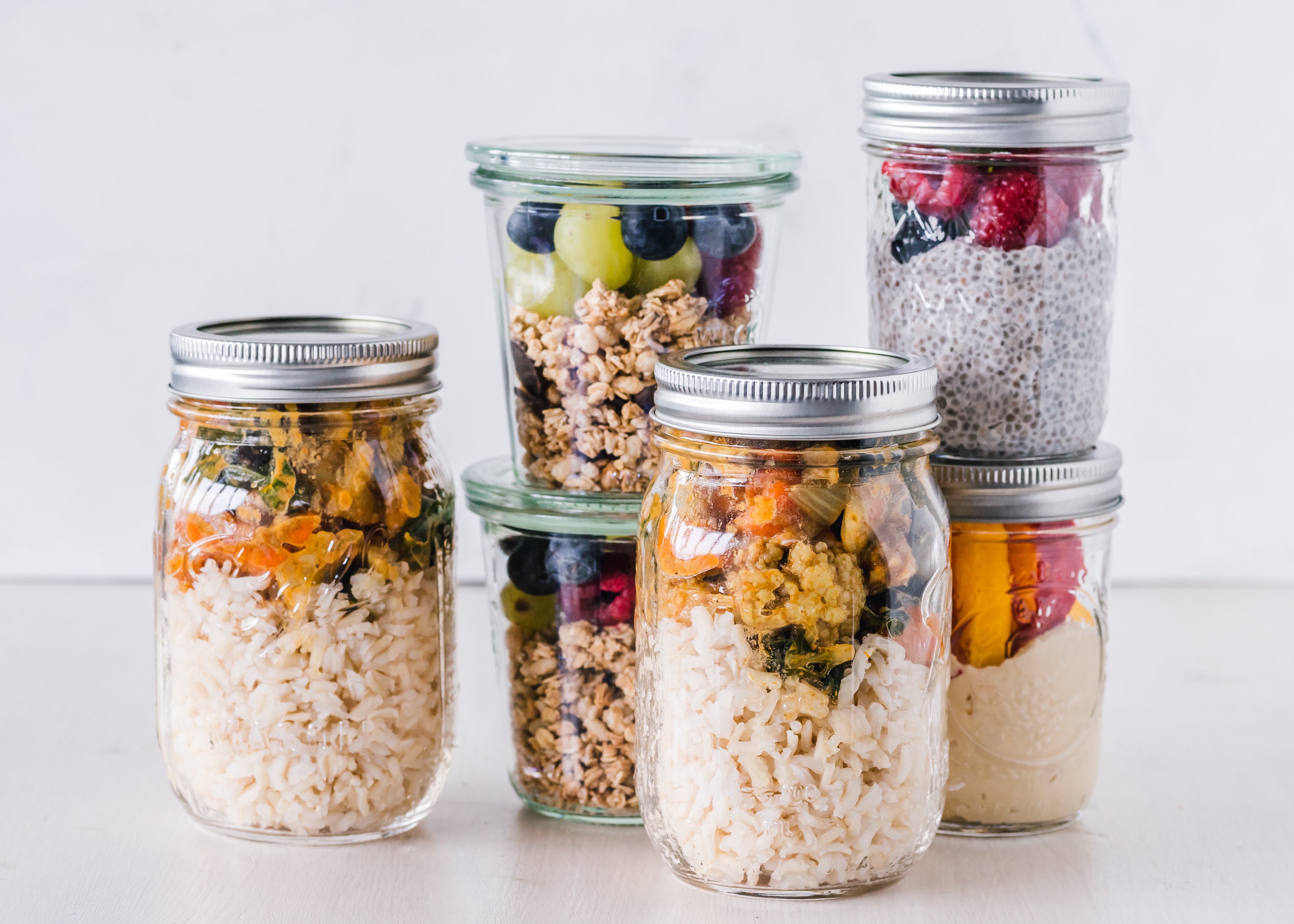
Clear containers matter more than you think. Seeing food reduces decision fatigue. Opaque lids hide intentions. Transparent ones keep you honest.
Cook twice a week. Sunday and Wednesday. Long gaps breed improvisation. Improvisation is where fasting goes to die.
Key Takeaway: The best intermittent fasting meal prep plan is the one you can repeat under stress.
If you need a time-boxed method that forces consistency without turning your weekend into a cooking hostage situation, lean on the two hour recipes approach.
Timing for clean & simple meal prep recipes for intermittent fasting
Macros get all the attention. Timing does the real work.
Breaking a fast with sweetness—even “natural” sweetness—wakes appetite hormones like a fire alarm. Delay it. If not forever, then at least until your system settles.
Fats can wait. Protein shouldn’t.
These aren’t preferences. They’re patterns observed over and over by people who stopped treating fasting like a moral test and started treating it like a machine.
You don’t need more recipes. You need fewer decisions. And maybe—just maybe—the humility to accept that repetition isn’t failure. It’s design.
Products / Tools / Resources
Glass meal prep containers — Not aesthetic. Functional. You see what you’ll eat before your brain negotiates otherwise.
Large non-stick skillet — Eggs, mince, vegetables. One pan. Minimal drama.
Slow cooker or Dutch oven — For bone broth and forgiving proteins that don’t punish forgetfulness.
Slow cooker options Dutch oven options
Digital kitchen scale — Not for obsession. For consistency. Consistency buys freedom.
Good olive oil — You don’t need twelve fats. You need one that behaves.
As an Amazon Associate, I earn from qualifying purchases.



2 Comments