
Clean & Simple Meal Prep Recipes Using Meal Prep Containers
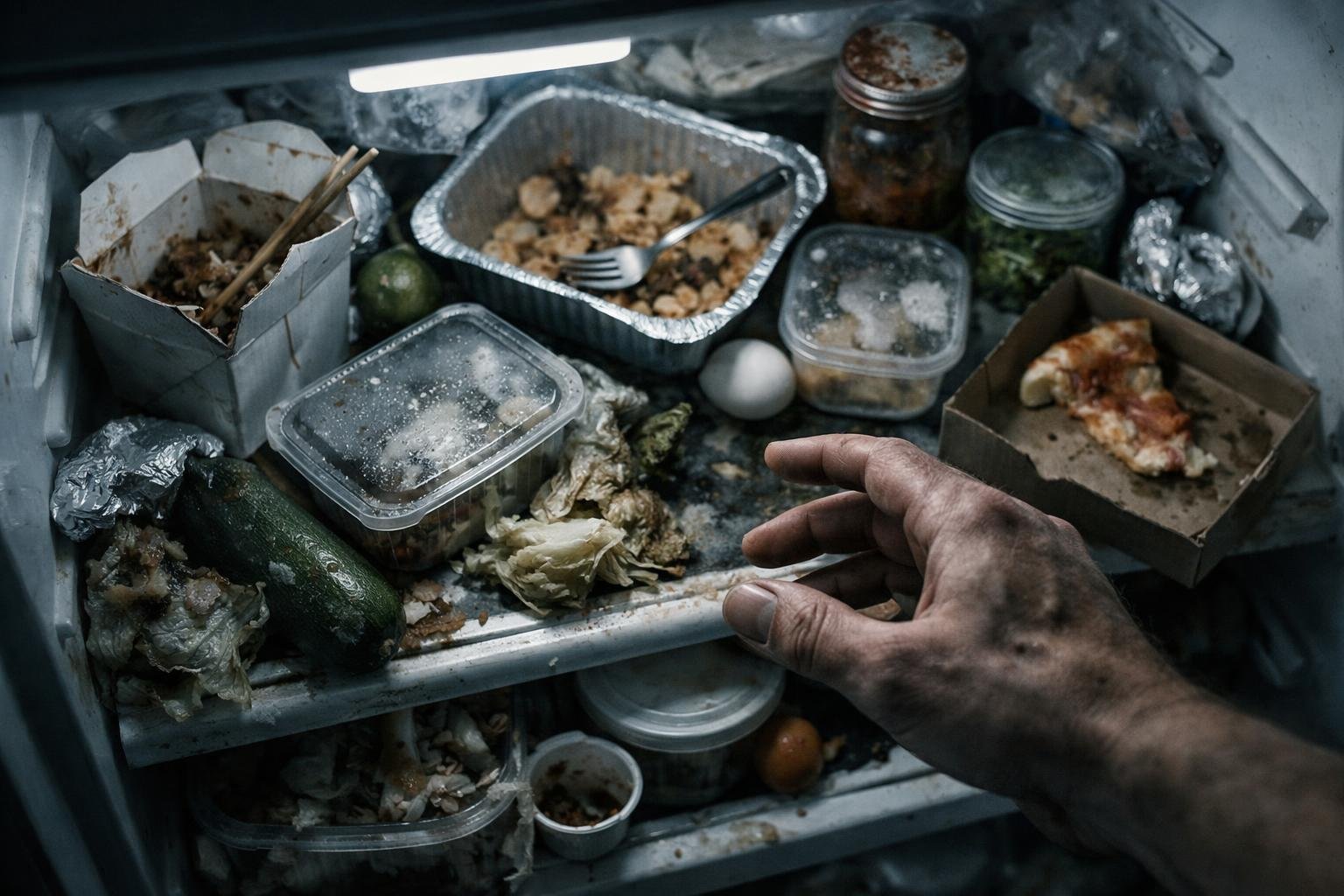
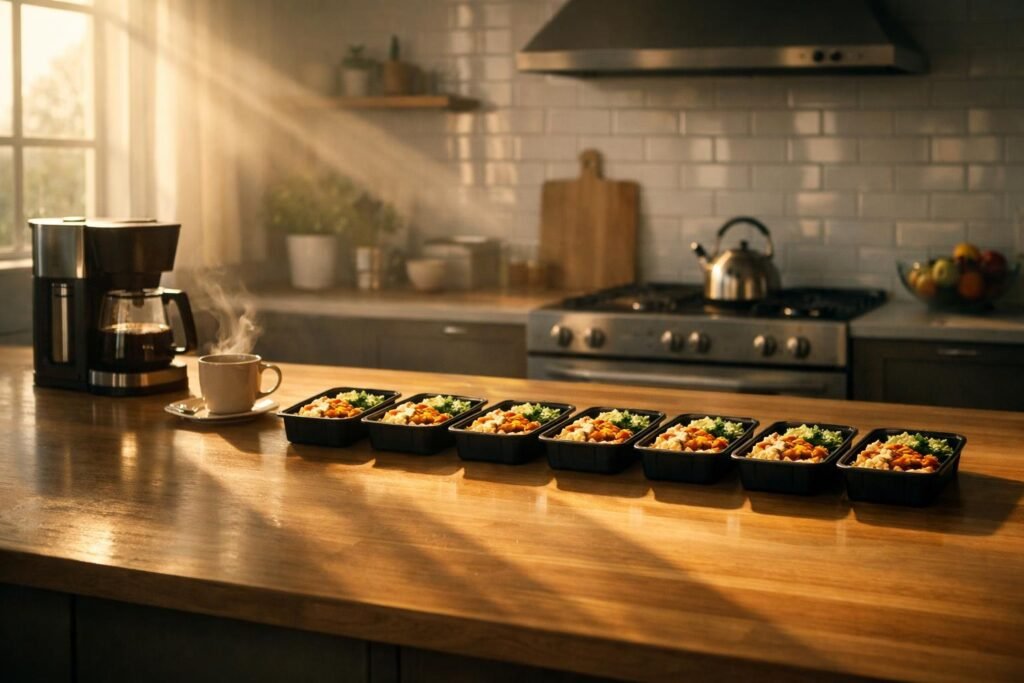
Clean & Simple Meal Prep Recipes Using Meal Prep Containers sounds like a promise you’ve heard before—eat better, save time, stay consistent. Yet somehow, it often turns into fridge clutter, soggy lunches, and that quiet guilt of another plan that didn’t stick. This isn’t about “willpower.” It’s about building meals that work with real life—texture, freshness, portions, and momentum included.
Core idea: You don’t need more motivation. You need a tighter system—recipes engineered for storage, containers that protect quality, and a workflow that doesn’t hijack your weekend.
Table of Contents
- Why healthy eating breaks down when life gets busy
- The framework: Clean & Simple Meal Prep Recipes Using Meal Prep Containers
- What “clean” and “simple” actually look like
- Container strategy: freshness, texture, and sanity
- The 3-part recipe blueprint that holds up all week
- The 90-minute prep workflow that saves your weekend
- Myths that quietly sabotage meal prep
- FAQs (quick answers that feel like your inner voice)
- Make consistency automatic (without tracking fatigue)
- Products / Tools / Resources
Why Healthy Eating Breaks Down When Life Gets Busy
You start strong. You shop with intention. You cook with hope. Then the week hits—meetings, errands, random fatigue—and your plan starts leaking energy. Meals lose texture. Flavors flatten. Portions drift. By Wednesday, convenience wins, not because you don’t care, but because the system wasn’t designed to survive reality.
The friction most people never name
- Recipes taste amazing once… and fall apart after storage.
- Moisture migrates, vegetables steam, sauces take over everything.
- Prep takes too long for too little payoff.
- Containers warp, leak, or make meals feel unappetizing.
Shift this: Stop treating meal prep like “cooking ahead.” Start treating it like a repeatable workflow that protects freshness, portions, and your mental bandwidth.
The Framework: Clean & Simple Meal Prep Recipes Using Meal Prep Containers
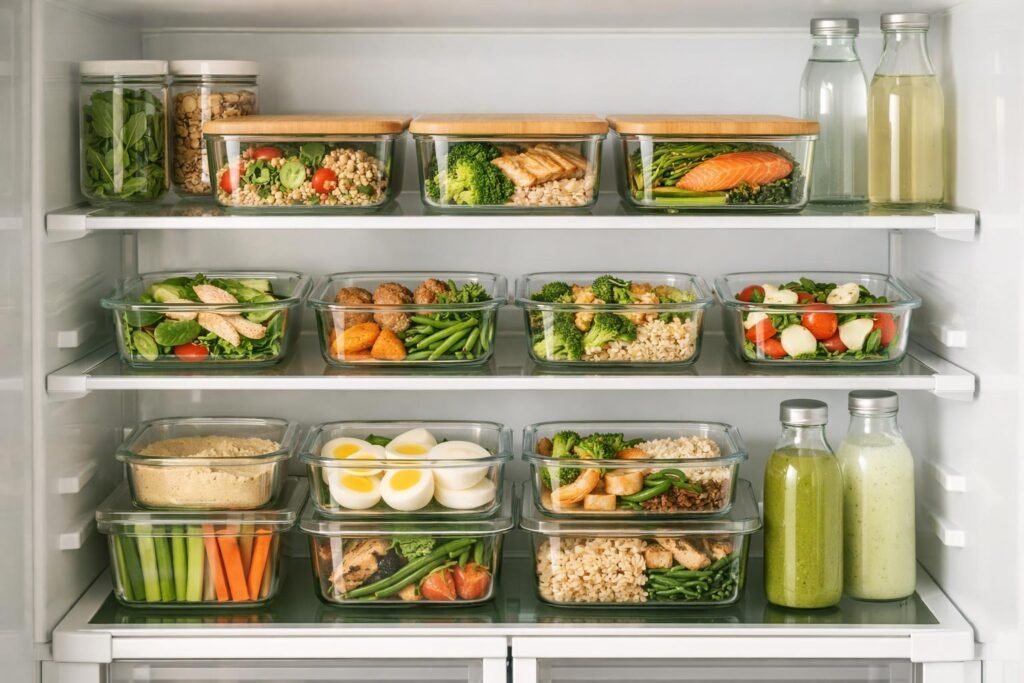
The fastest way to make meal prep stick is alignment: recipes engineered for storage, containers matched to food physics, and a prep flow that doesn’t drain your entire Sunday. The outcome you’re after is calm consistency—meals that reheat well, taste good on day four, and don’t feel like punishment.
What changes when the system is designed properly
- Less decision fatigue (you already know what’s ready).
- Less food waste (ingredients get used with intention).
- More stable energy (balanced portions and whole foods).
- Fewer “I’ll just grab something” moments.
What “Clean” and “Simple” Actually Look Like
Clean means whole ingredients, minimal processing, predictable digestion, and fewer energy crashes. Not restrictive. Just cleaner inputs.
Simple means short ingredient lists, one main cooking method, minimal assembly, and easy reheating—because your future self shouldn’t need a pep talk to eat the food you prepped.
Rule of thumb: If a meal can’t survive refrigeration without turning sad, it’s not a meal-prep meal. Choose ingredients that keep their texture and flavor under storage.
Container Strategy: Freshness, Texture, and Sanity
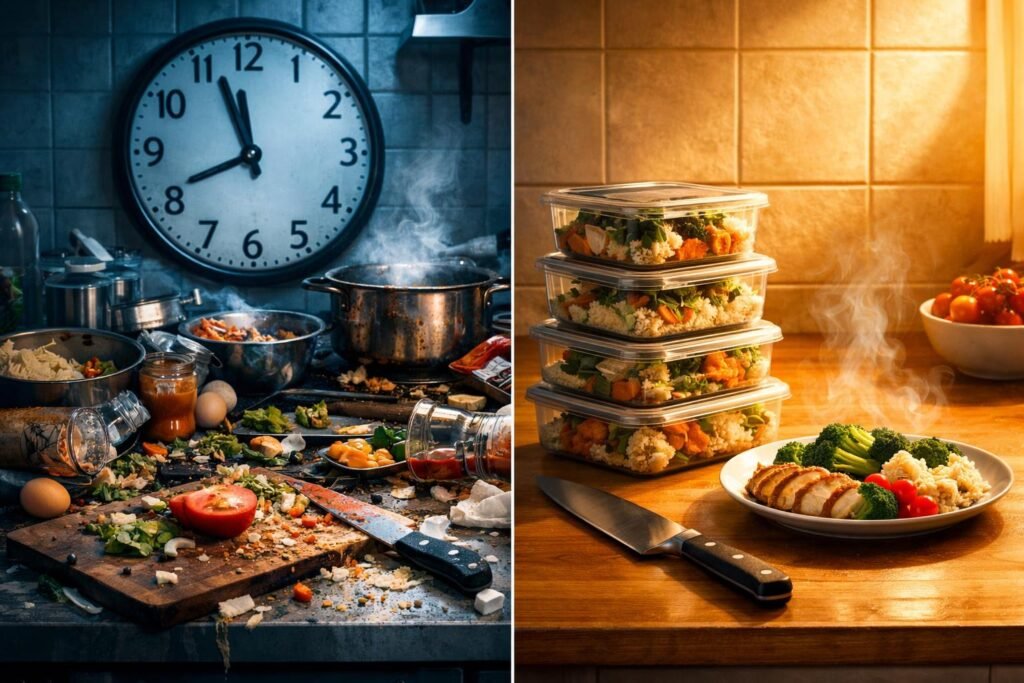
Containers are not an accessory. They’re the infrastructure. The wrong container turns crisp vegetables into steam-bath mush and makes even good food feel… off. The right container keeps moisture where it belongs and makes your fridge feel like a plan instead of a junk drawer.
What to look for in meal prep containers
- Compartments to separate wet from dry.
- Secure lids that don’t leak in your bag.
- Microwave-safe materials that don’t warp.
- Uniform sizing so stacking is effortless.
Glass typically wins for reheating and flavor integrity. BPA-free plastic often wins for portability. The real win is standardization: pick one ecosystem and stop reinventing your storage every week.
The 3-Part Recipe Blueprint That Holds Up All Week
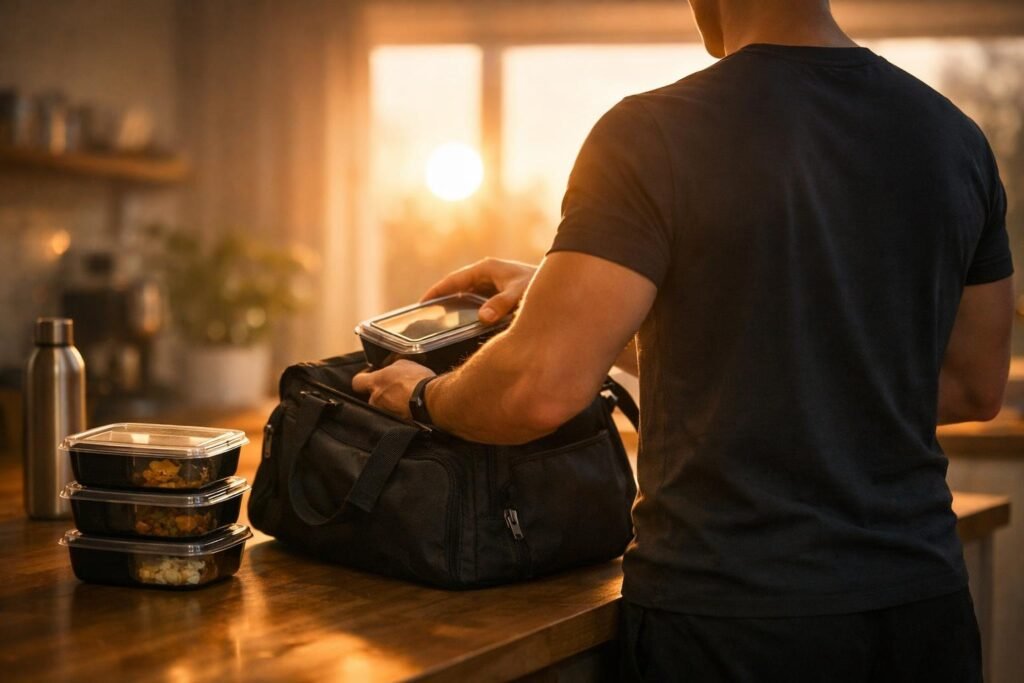
The most reliable clean meal prep recipes follow a quiet structure that scales—especially for busy schedules. It keeps portions predictable and meals satisfying without getting complicated.
The formula
- Protein anchor (baked, roasted, grilled, or slow-cooked)
- Volume vegetable (fiber-rich, sturdy, reheats well)
- Smart carb or fat (measured, intentional, consistent)
Examples that stay good through day 4
- Lemon-herb chicken + roasted broccoli + quinoa
- Ground turkey taco bowl + peppers + cilantro rice
- Baked salmon + green beans + sweet potato
Texture insurance: Keep sauces in a separate compartment (or small container) and add them right before eating. Your meals will taste freshly made instead of “stored.”
The 90-Minute Prep Workflow That Saves Your Weekend
Most people prep sequentially: cook this, then cook that, then assemble everything. It’s slow and mentally draining. The higher-leverage move is parallel cooking—letting oven and stovetop run together while you assemble in the gaps.
Parallel cooking checklist
- Start the longest-cook protein first.
- Roast vegetables on a second tray at the same time.
- Cook grains while the oven works.
- Assemble cold items (salads, chopped veggies) during cook time.
- Cool food quickly before sealing containers to reduce condensation.
Myths That Quietly Sabotage Meal Prep
“Meal prep food is bland.”
Bland happens when you season like you’re eating immediately. Flavors mellow in the fridge—season with a bit more confidence up front, and keep sauces separate for freshness.
“Healthy meal prep is expensive.”
The real budget leak is unplanned eating. Rotate proteins, lean on frozen vegetables, and build repeatable grocery lists. Costs stabilize fast.
“I need new recipes every week.”
You need a small set of reliable staples. Change sauces, spice blends, and toppings—keep the base stable. Consistency beats novelty.
FAQs (The Stuff You’re Probably Thinking)
How long do meal prep recipes last in containers?
Most cooked meals last 4–5 days in the fridge if you cool them quickly, seal them well, and avoid trapping steam inside the container.
Is glass better than plastic for meal prep?
Glass usually reheats more evenly and holds flavor better. Plastic is lighter for commuting and school/work lunches. Choose based on your routine, then standardize.
Can I freeze clean meal prep recipes?
Yes—proteins, grains, and sturdy vegetables freeze well. Skip watery greens and dairy-heavy sauces if you want the meal to reheat like it’s meant to.
Make Consistency Automatic (Without Tracking Fatigue)
The real win isn’t a perfect week. It’s a system that compounds. Roast extra vegetables so tomorrow’s salad is halfway done. Cook a little more protein so dinner becomes lunch without extra effort. Keep a short list of sauces that instantly change the mood of a meal.
Portion control without obsessing
Let the container do the governing. Large compartment for protein + vegetables. Medium for carbs. Small for fats/sauces. Less math. More consistency.
Quick win: Pick 2 proteins, 2 veggies, 1 grain, and 1 sauce for the week. That’s enough variety to stay interested and enough structure to stay consistent.
Products / Tools / Resources
If you want Clean & Simple Meal Prep Recipes Using Meal Prep Containers to feel effortless (instead of aspirational), these tools do the heavy lifting—freshness, texture, speed, and stackability.
Glass Meal Prep Containers (Compartmented)
Best for reheating, flavor integrity, and meals that still taste “fresh” on day 4.
- Helps prevent sogginess with compartments
- Microwave + dishwasher friendly
- Stacks cleanly for fridge organization
Shop glass meal prep containers on Amazon
BPA-Free Plastic Meal Prep Containers (Leak-Resistant)
Ideal for commuting, work lunches, and lighter carry—especially if you pack multiple meals.
- Lightweight and travel-friendly
- Often cheaper for bulk sets
- Great for rotating sauces separately
Find BPA-free meal prep containers on Amazon
Sheet Pan + Wire Rack Set (Crisper Roasting)
A small upgrade that protects texture—less steaming, better browning, and cleaner workflow.
- Improves airflow for crisp results
- Makes parallel cooking easier
- Reduces soggy vegetables after storage
Browse sheet pan + rack sets on Amazon
Digital Kitchen Scale (For Setup Weeks)
Useful when dialing in portions and macros—especially early on. After habits lock in, you’ll use it less.
- Makes portioning consistent
- Helpful for meal prep recipes and tracking
- Supports repeatable grocery planning
Shop digital kitchen scales on Amazon
All-Purpose Spice Blends (Fast Flavor Rotation)
The fastest way to keep “simple” from feeling boring—without changing your base recipes.
- Instant variety with the same ingredients
- Works across chicken, turkey, veggies, and grains
- Supports consistent meal prep without novelty burnout
Explore spice blends on Amazon
As an Amazon Associate, I earn from qualifying purchases.




4 Comments