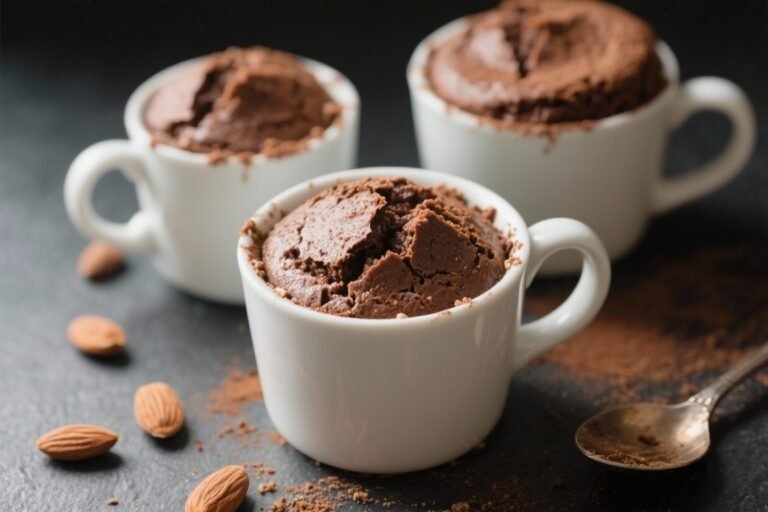
Healthy Desserts and Indulgences Recipes for Clean Eating Families: Real Treats That Don’t Hijack Your Week
If you’ve been searching for Healthy Desserts and Indulgences Recipes for Clean Eating Families, you already know what you’re not looking for. You don’t want diet desserts that punish you for wanting something sweet. You don’t want elaborate, Pinterest-perfect confections that demand a free evening and a second mortgage. You want desserts that land softly in real life—on a Tuesday, after dinner, when the kitchen is half-clean and the kids are still awake.
And you want them to feel like dessert.
That’s where most advice collapses. It either strips the joy out entirely—protein powder masquerading as brownies—or it quietly hands you the same old sugar bomb dressed up in better branding. Clean-eating families need something sturdier than trends. They need a logic for indulgence: better ingredients, smarter structure, and desserts that satisfy without triggering the familiar spiral of cravings and negotiations.

What you’re actually trying to solve (even if you didn’t phrase it that way)
The real goal isn’t “healthier dessert.” It’s keeping dessert in the house without it running the house.
Families want to:
- Serve something sweet without metabolic whiplash
- Avoid nightly debates, bargaining, or second helpings that feel endless
- Maintain clean-eating principles without turning food into a moral project
That’s a hybrid need—part information, part execution. And it requires a shift in how dessert is built, not just what it’s called.
What “clean eating desserts” really means at the family level
Clean eating isn’t a purity test. In a household context, it’s pragmatic and behavioral.
It usually looks like:
- Mostly whole-food ingredients
- Minimal ultra-processing
- Sugar and refined flour used intentionally, not automatically
- Portions that don’t destabilize mood, energy, or appetite
What it doesn’t require:
- Zero sugar
- Keto absolutism
- Artificial sweetness overload
- Rotating the same three “approved” treats until everyone’s bored
The difference-maker is structure—pairing sweetness with fiber, fat, and protein so desserts still deliver pleasure, but land with control.

The “Indulgence Without Regret” framework
Every dessert that works—really works—leans on three quiet levers:
Sweetness strategy
- Reduce overall sweetness by 20–40% and let fruit, spice, and vanilla do the heavy lifting.
Texture strategy
- Creamy, crunchy, fudgy, chewy—this is where indulgence actually lives.
- Greek yogurt, nut butters, oats, eggs, chia, and good fats do more for satisfaction than sugar ever will.
Stabilizer strategy
- Sugar alone invites a spike. Sugar paired with fiber, protein, or fat creates calm.
- Examples: berries with yogurt; oats with nut butter; dark chocolate with nuts.
Get these right, and dessert stops being a gamble.
Featured Q&A
What are the best healthy desserts for clean eating families?
The best healthy desserts for clean eating families rely on mostly whole foods, modest added sugars, and built-in fiber, protein, or healthy fats. Greek yogurt parfaits, baked fruit crisps, banana-oat cookies, chia pudding, and dark-chocolate nut clusters balance indulgence with stability.
Healthy Desserts and Indulgences Recipes for Clean Eating Families: the core recipes
These aren’t novelty desserts. They’re repeatable, forgiving, and designed for real households.
Greek Yogurt “Cheesecake” Parfaits (5 minutes, no bake)
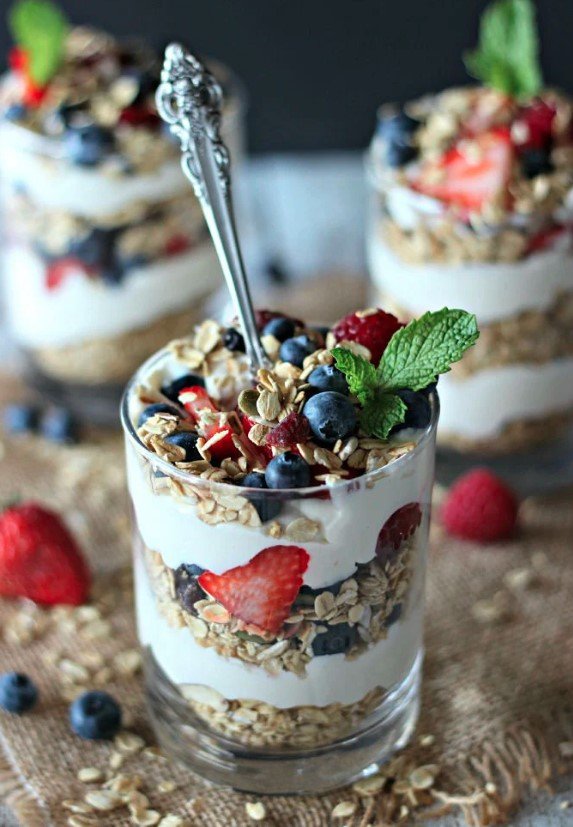
Creamy without excess. Sweet without overload. This is dessert that knows when to stop.
Why it works: protein-forward, texture-rich, endlessly adaptable.
Greek yogurt carries weight here—thick, tangy, grounding. Vanilla rounds it out. A small drizzle of maple syrup or honey does just enough. Berries brighten. Nuts give resistance. Chill it briefly and the texture tightens into something unmistakably dessert-like.
How to make yogurt desserts taste indulgent without extra sugar
Salt, vanilla, and acid change perception. Lemon zest or a pinch of salt amplifies sweetness without adding any. Use thicker yogurt. Let it rest cold. Texture does the rest.
Warm Apple-Cinnamon Oat Crisp (family-size, weeknight safe)
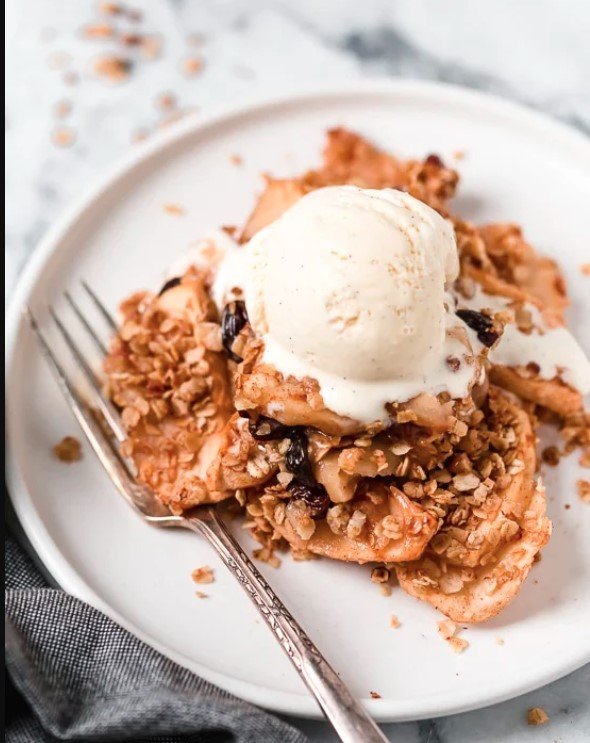
This feels nostalgic in the best way—soft fruit, warm spice, a golden top that cracks under a spoon.
Why it works: fruit supplies sweetness, oats add fiber, nuts slow the hit.
The mistake most crisps make is sugar masquerading as topping. Keep it oat- and nut-forward, lightly bound with butter or coconut oil. Cinnamon and lemon sharpen the apples so you don’t miss the sugar.
Banana-Oat “Blender” Pancake Cookies
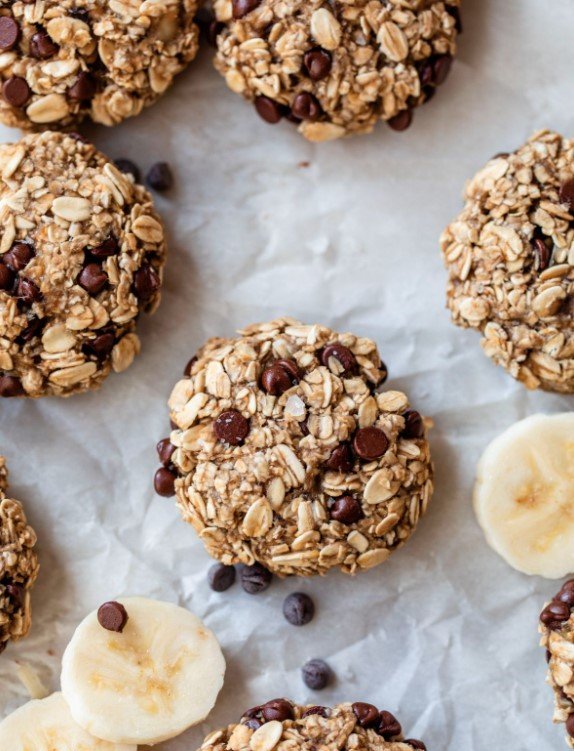
These disappear faster than you expect—and that’s the point.
Why it works: naturally sweet, no refined flour, fast enough to make on autopilot.
Ripe bananas do the sweetening. Oats provide structure. Cinnamon warms everything up. Bake them small. Mini size delivers satisfaction without escalation.
Dark Chocolate Nut Clusters (10 minutes, no bake)

This is restraint disguised as indulgence.
Why it works: intensity over quantity.
High-cocoa dark chocolate brings depth. Nuts and seeds slow digestion. Sea salt sharpens the bite. One or two clusters feel complete, not performative.
Chia Pudding (make once, eat all week)
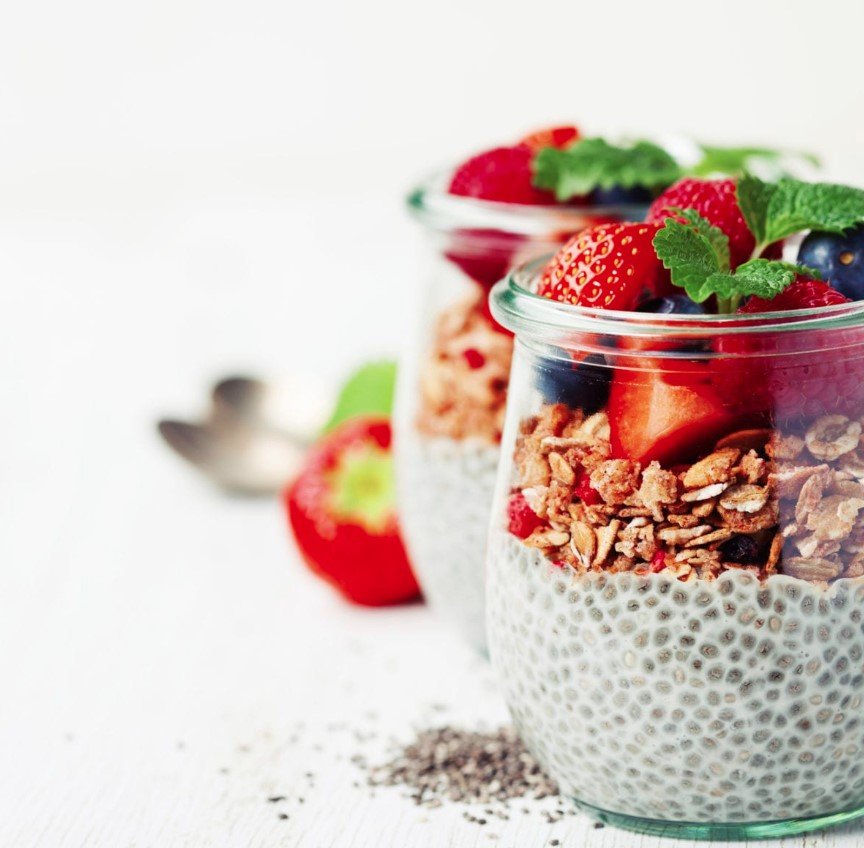
Quietly effective. Almost boring—until you realize how useful it is.
Why it works: fiber-heavy, customizable, stable.
Cocoa for depth. Berries for brightness. A spoon of Greek yogurt turns it creamy and rich. Portion it once and dessert decisions vanish for days.
“Nice Cream” that doesn’t taste like frozen banana
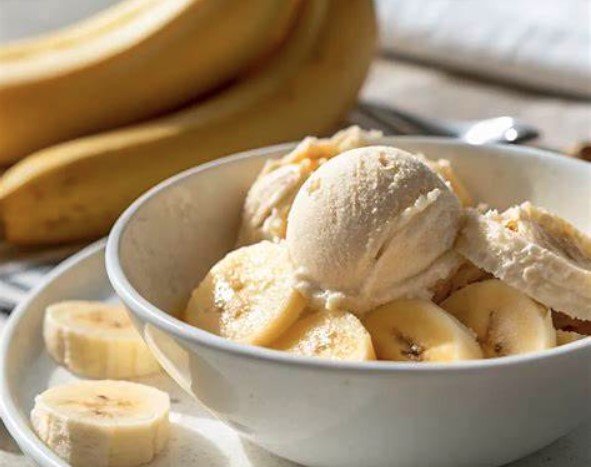
Done wrong, it’s a smoothie. Done right, it’s ice cream with self-control.
Frozen fruit blended thick. Minimal liquid. Nut butter for body. Serve immediately while the texture still holds.
Choosing the right dessert for real-life constraints
- No time: yogurt parfaits, chocolate clusters
- Sugar crashes: chia pudding, nut-based desserts
- Picky kids: banana-oat cookies, apple crisp
- Portion battles: pre-portioned puddings, mini cookies
- Budget pressure: baked fruit, oat-based recipes
Why “healthy desserts” often fail
Most approaches fixate on ingredients. Outcomes matter more.
The questions that decide success:
- Are you satisfied—or hunting for more 20 minutes later?
- Do cravings escalate?
- Does dessert trigger negotiation or calm it?
If a dessert invites spiraling, it’s not working—no matter how clean the label reads.
The clean-eating family dessert system
This is how dessert becomes routine instead of friction:
- Two default weeknight desserts: yogurt parfaits, fruit crisp
- One prep-ahead option: chia pudding or banana-oat cookies
- One high-indulgence, low-frequency treat: dark chocolate clusters
Predictability lowers tension. Structure reduces negotiation. Dessert stops being an event.
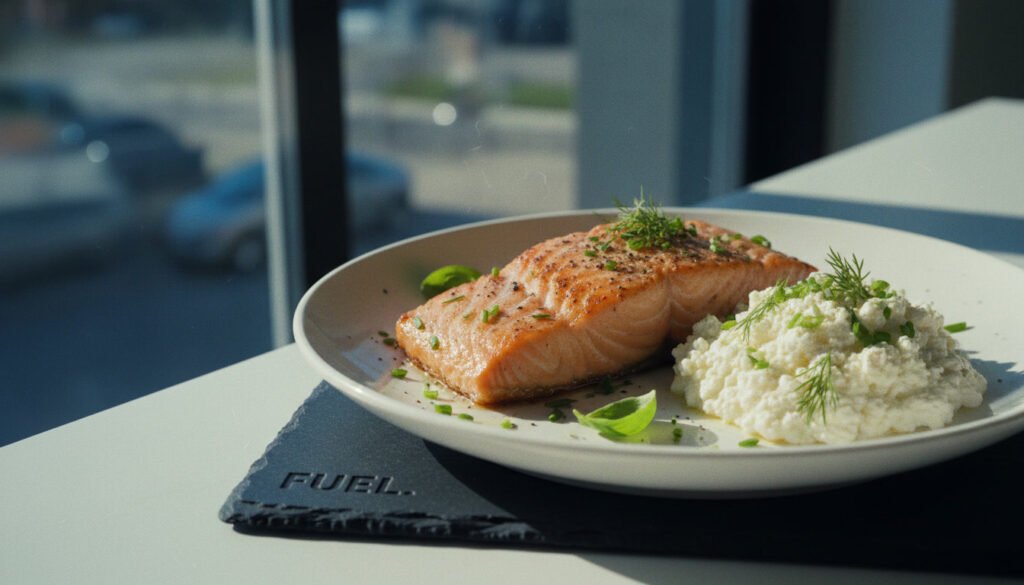
How to reduce dessert battles without banning dessert
Serve it consistently. Same days. Same portions. Same expectations. And always after a protein- and fiber-rich meal. Stability beats restriction every time.
Old Way vs. New Way
| Old Way | New Way |
|---|---|
| Swap ingredients and hope it tastes good | Build desserts using sweetness, texture, and stabilizers |
| Chase “healthy” labels | Optimize for outcomes: satisfaction, calm cravings, fewer snack spirals |
| Make dessert unpredictable and negotiable | Use a repeatable system with defaults and portions |
| Rely on sugar for indulgence | Use flavor depth: vanilla, salt, citrus zest, cocoa, spice |
Ingredient upgrades that actually matter
- Higher-cocoa chocolate (70%+): stronger flavor, smaller portions
- Fruit and spice over sweetener: cinnamon, vanilla, citrus zest
- Built-in structure: yogurt, oats, nuts, chia, eggs
Healthy desserts don’t need to apologize. When built correctly, they’re calm, satisfying, and quietly indulgent—exactly what Healthy Desserts and Indulgences Recipes for Clean Eating Families are supposed to be.