
Healthy Desserts Explained: What to Eat, What to Avoid
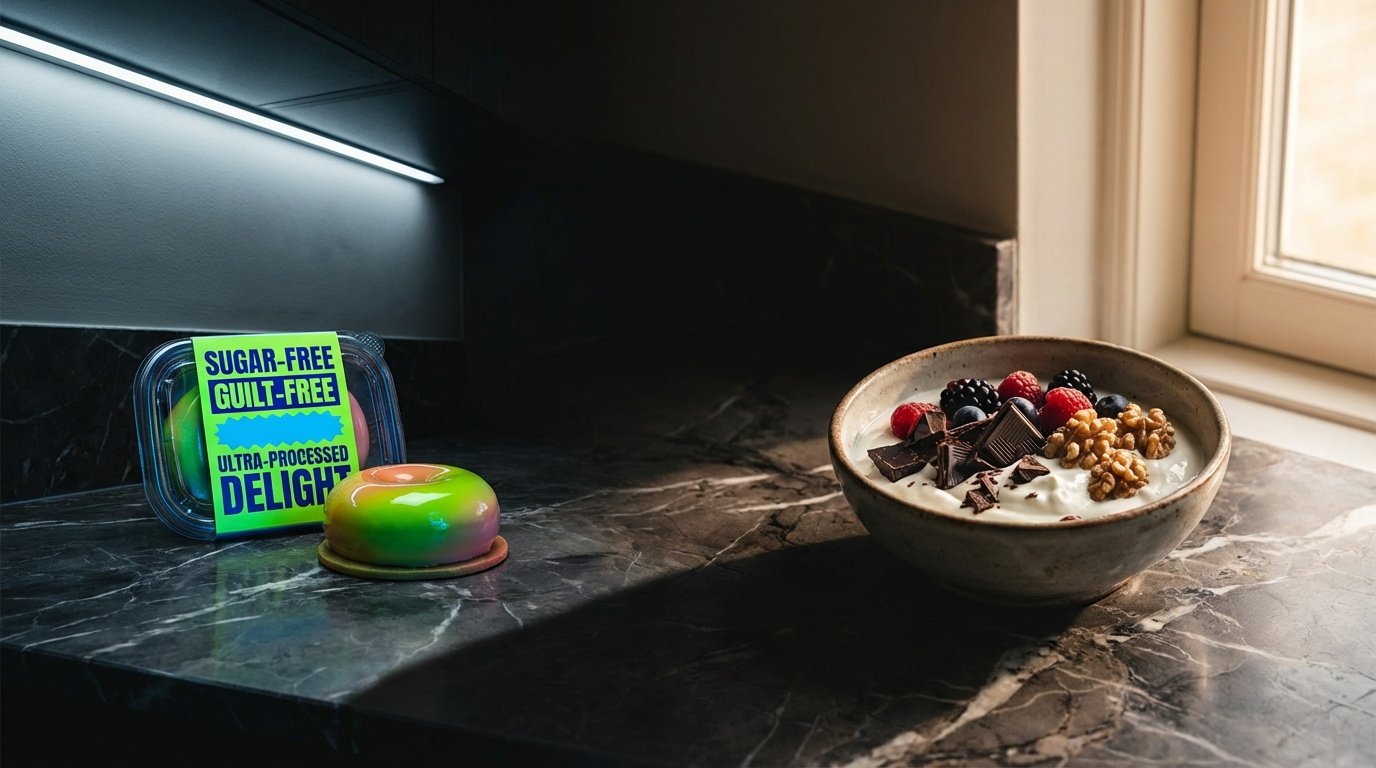
There’s a moment most people recognize—even if they’ve never named it. You’re holding a dessert that claims to be healthy. The label is clean. The promises are loud. Sugar-free. Keto-friendly. Guilt-free. And yet… something in you hesitates.
That hesitation is earned. Because not all healthy desserts are built the same—and some of the worst offenders are hiding in plain sight, wrapped in good intentions and better marketing. This is your decision engine: what actually works, what to avoid, and why it matters.
Table of Contents:
- The Two Types of Healthy Desserts (Only One Works)
- Ingredient Red Flags That Kill “Healthy” Desserts
- Ingredients That Upgrade Desserts Without Sacrifice
- Best Healthy Dessert Categories (Ranked)
- How Often Can You Eat Desserts and Stay Healthy?
- Rapid-Fire SERP Questions
- Products / Tools / Resources
Quick filter: A truly healthy dessert supports satisfaction + stability. A “healthy” dessert often just reduces guilt.

The Two Types of Healthy Desserts (Only One Works)
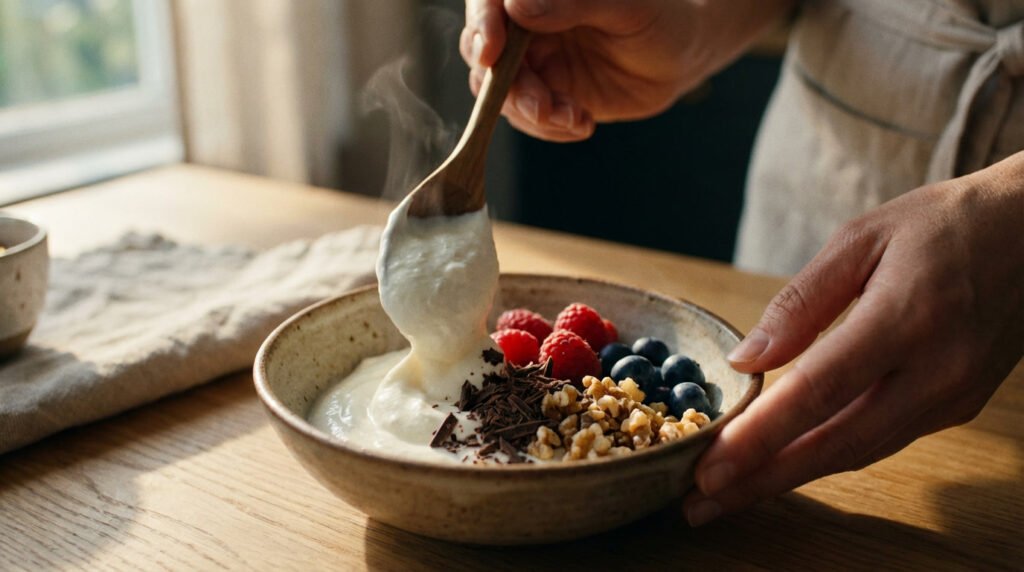
Every dessert that calls itself “healthy” tends to fall into one of two buckets. Once you see the split, your shopping decisions get easier—and your cravings get quieter.
Nutrient-dense indulgence vs diet marketing
Nutrient-dense indulgence desserts start with real structure: whole foods, balanced macros, and enough richness to actually end the craving loop. Think: fiber + fat + protein working together so sweetness doesn’t hit your system like a solo act.
Diet-marketed desserts are built for optics: calories shaved down, sugar replaced with aggressive substitutes, texture simulated, satisfaction rationed. You eat them and feel unfinished—so you keep grazing, thinking, negotiating.
Label tricks and misleading claims
“Sugar-free.” “Keto-friendly.” “Low-cal.” “Plant-based.” These claims trigger a health halo, but they don’t guarantee metabolic stability, digestive comfort, or real satiety.
- Sugar-free can mean sugar alcohol overload.
- Keto-friendly can still mean ultra-processed ingredients.
- Low-calorie often means low satisfaction (and rebound cravings).
- Plant-based doesn’t automatically mean nutrient-dense.
Related reading on HealthyRecipesCo
- Healthy ingredient hacks & swaps that actually work
- Clean & simple meal prep systems for consistency
- High-protein & functional meals for satiety
Ingredient Red Flags That Kill “Healthy” Desserts
You don’t need to memorize every label. You just need to recognize the patterns that consistently turn “healthy” desserts into hidden stressors.
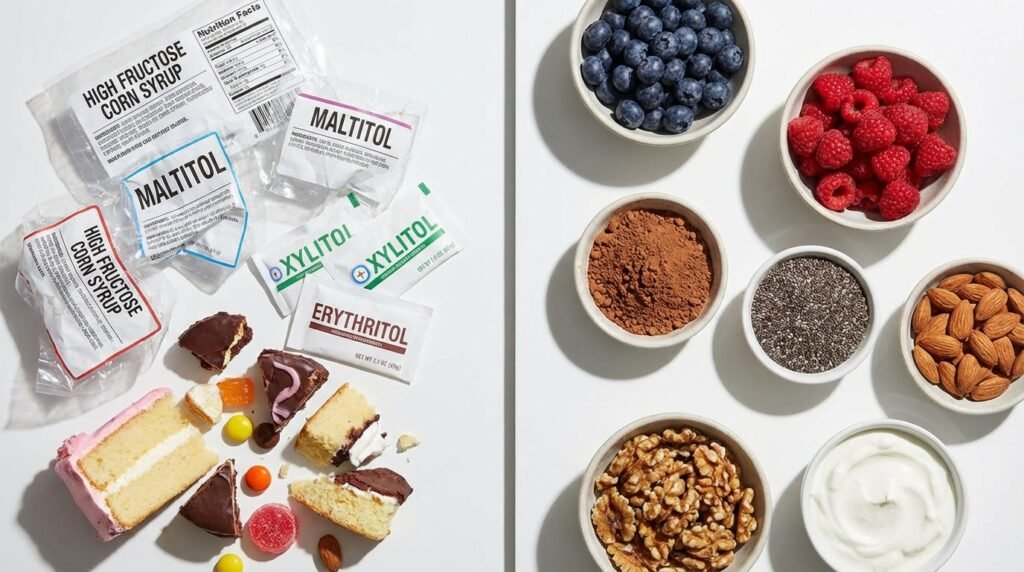
Sugar alcohol overload
Sugar alcohols like erythritol, maltitol, sorbitol, and xylitol can cause bloating, discomfort, and a weird “sweet but unsatisfied” feeling that keeps the craving alive.
Red flag: If a dessert’s sweetness comes mostly from sugar alcohols, expect more appetite “noise” and potential gut backlash.
Ultra-refined starches
Ingredients like modified tapioca starch, refined rice flour, and other isolates are often used to mimic texture after real structure was stripped away. They digest fast and can spike glucose nearly as aggressively as sugar.
Seed oils and inflammatory fillers
Soybean oil, canola oil, sunflower oil—these show up in a lot of packaged “healthy” desserts because they’re cheap and shelf-stable. They’re also heavily processed and can quietly increase inflammatory load when consumed regularly.

Ingredients That Upgrade Desserts Without Sacrifice
Healthy desserts aren’t about subtraction. They’re about structure: pairing sweetness with ingredients that slow absorption, increase satiety, and make the whole experience feel complete.
Natural sweeteners ranked
From most supportive to least:
- Whole fruit (especially berries; fiber + micronutrients)
- Raw honey (small amounts; best when buffered)
- Maple syrup (use deliberately, not as a base)
- Coconut sugar (still sugar—context matters)
- Stevia / monk fruit (pure, without filler blends)
Fats that enhance satisfaction
- Nut butters (almond, peanut, cashew)
- Coconut milk (adds richness + slows digestion)
- Greek yogurt / skyr (protein + creamy texture)
- Dark chocolate (70%+ cacao for deeper satisfaction)
Functional add-ins (collagen, cacao, nuts)
This is where indulgence becomes functional nutrition: cacao for antioxidants and depth, nuts and seeds for crunch + minerals, collagen peptides to boost protein without changing texture, and fermented dairy to support gut comfort and fullness.
Best Healthy Dessert Categories (Ranked)
Not every dessert serves the same goal. Some stabilize blood sugar. Some support weight management. Some calm the gut. Here’s how the best categories stack up.
Best for blood sugar control
- Greek yogurt + berries + nuts
- Chia pudding with full-fat coconut milk
- Dark chocolate + almonds
Best for weight management
- Protein-forward desserts (yogurt bowls, collagen-enhanced treats)
- Portion-built baked goods using whole ingredients
- Frozen yogurt bowls with intentional toppings
Best for gut health
- Fermented dairy-based desserts (plain yogurt + whole toppings)
- Fruit-forward desserts with intact fiber
- Simple desserts with minimal sweetener stacks
How Often Can You Eat Desserts and Stay Healthy?
Under most searches, this is the real question: “How often can I do this and still feel good?” The answer isn’t a moral rule. It’s a quality and context conversation.
Frequency vs quality
A nutrient-dense dessert eaten regularly often reduces binge cycles and lowers food noise. A diet-marketed dessert—even occasionally—can leave you unsatisfied and prone to compensation later.
Context matters (meals, workouts, sleep)
Desserts land differently depending on the moment. After a balanced meal, post-workout, and on days with decent sleep, your body handles sweetness more smoothly. Context shapes impact more than most people realize.
Rapid-Fire SERP Questions
Are keto desserts healthy long-term?
Some can be, especially when they’re built from whole-food fats and moderate sweetness. But many rely heavily on sugar alcohols and ultra-processed ingredients. Long-term health usually rewards flexibility and ingredient quality over rigid elimination.
Is fruit dessert good or bad?
Fruit-based desserts are among the most consistently supportive options—especially when paired with fat or protein. Fiber plus micronutrients makes fruit behave differently than refined sugar.
What’s the healthiest dessert after dinner?
Greek yogurt with berries, dark chocolate with nuts, or chia pudding with coconut milk are strong default choices because they pair sweetness with satiety and steadier blood sugar.
Products / Tools / Resources
If you want to apply this framework without turning every dessert into a research project, these are simple upgrades that make “healthy desserts” easier to build (and easier to enjoy).

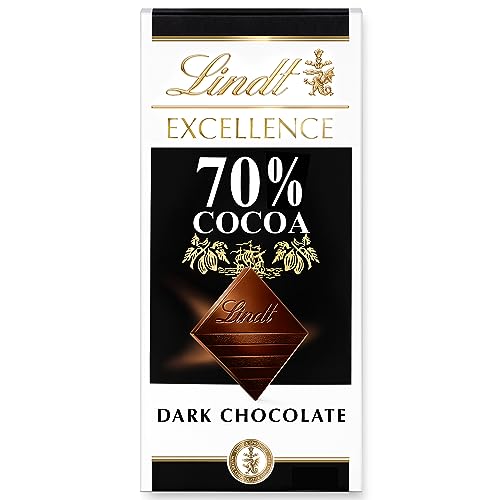

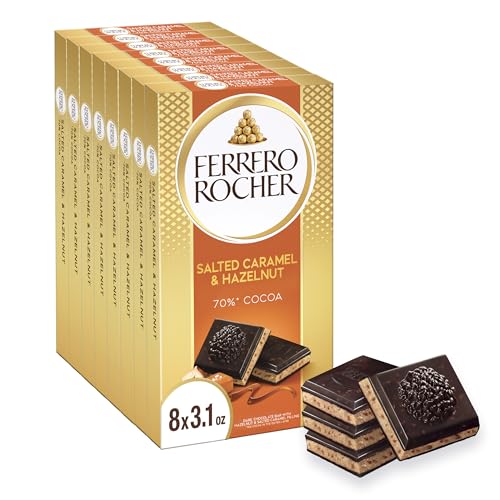
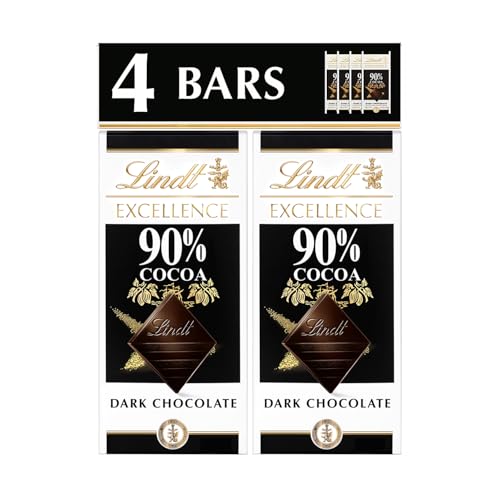
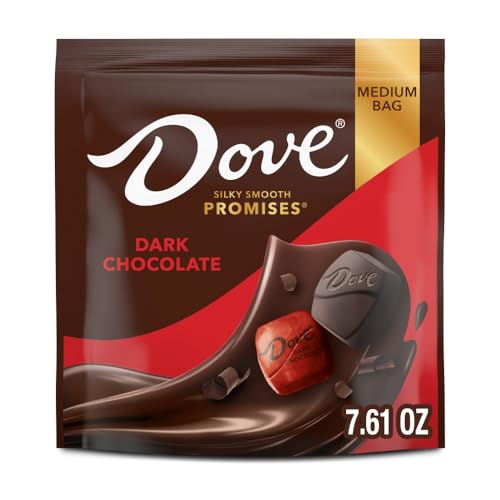
70%+ Dark Chocolate (Real cacao, real satisfaction)
A small amount of quality dark chocolate often ends cravings faster than “diet” sweets because it delivers richness, bitterness, and satiety.
- Look for 70% cacao or higher
- Short ingredient list
- Pairs perfectly with nuts
Shop 70%+ dark chocolate on Amazon


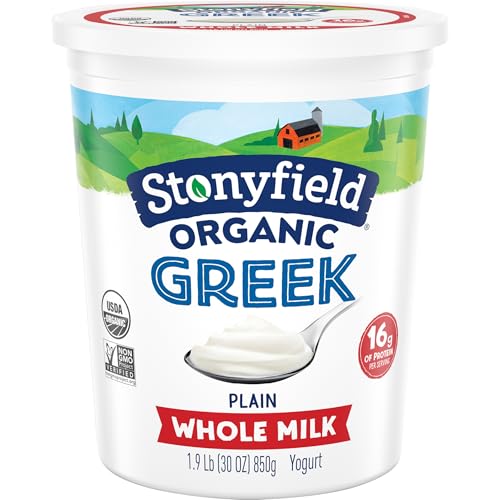
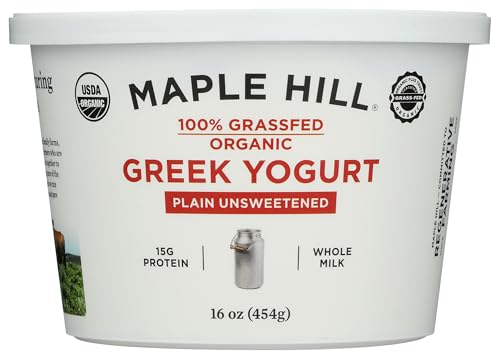
Greek Yogurt / Skyr (Protein-forward dessert base)
One of the easiest ways to turn “something sweet” into a stable, satisfying dessert—especially with berries and nuts.
- High protein = better satiety
- Great for blood sugar control
- Works with fruit, cacao, chia
Find Greek yogurt & skyr options on Amazon

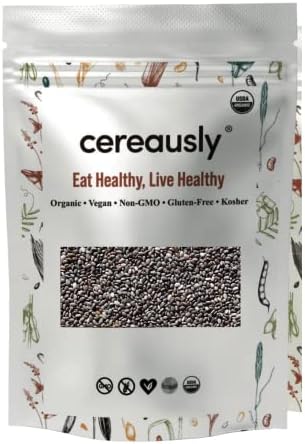

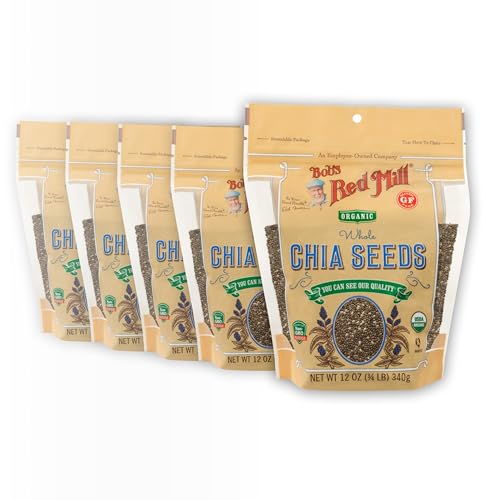
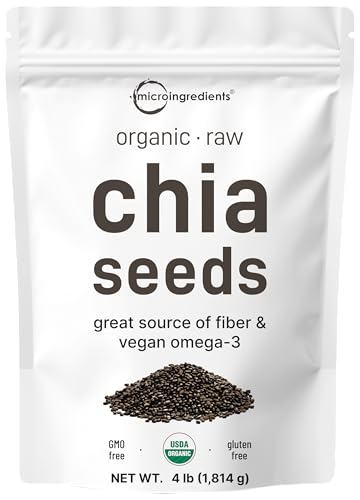

Chia Seeds (Dessert structure + fiber)
Chia pudding is the simplest “healthy dessert” formula: fiber + fat + gentle sweetness, with a texture that feels indulgent.
- Adds fiber for steadier glucose
- Great for gut-friendly desserts
- Pairs well with coconut milk
Shop chia seeds for dessert recipes on Amazon

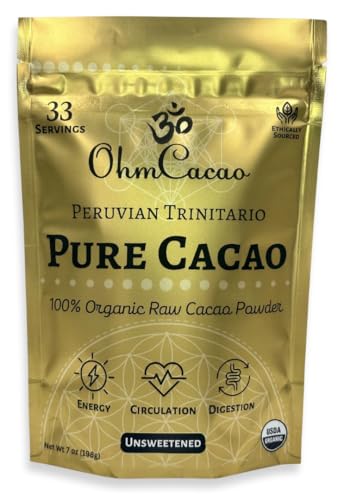


Pure Cacao Powder (Deep flavor, less sugar)
Cacao adds depth and antioxidant punch, making desserts feel richer without needing heavy sweeteners.
- Supports “satisfaction per bite”
- Pairs with yogurt and smoothies
- Better taste without extra sugar
Get pure cacao powder on Amazon

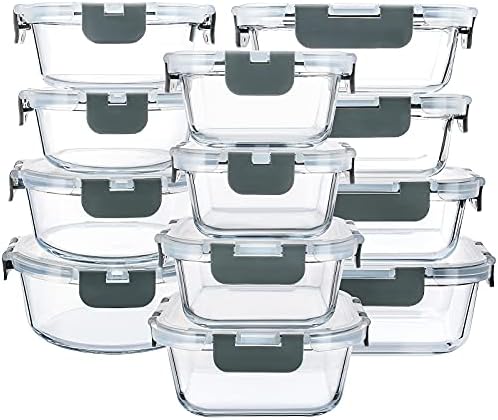
![Glass Food Storage Containers with Lids, [18 Piece] Glass Meal Pr...](https://m.media-amazon.com/images/I/412VqTwCi+L._AC_.jpg)


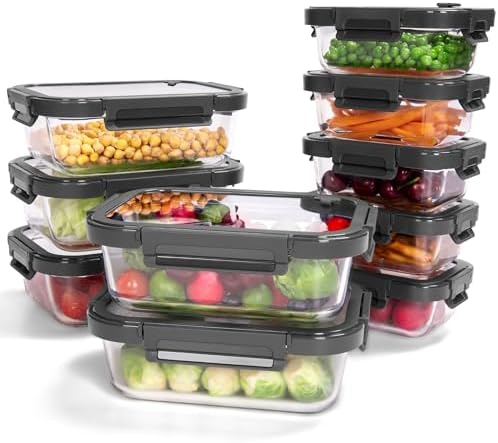
Glass Storage Containers (Portion + consistency tool)
If you want desserts to feel effortless, pre-portioning is the quiet cheat code—less decision fatigue, more consistency.
- Makes “healthy desserts” automatic
- Great for chia pudding + yogurt bowls
- Helps prevent mindless overeating
Shop glass containers for portioning on Amazon
As an Amazon Associate, I earn from qualifying purchases.




13 Comments