

High-Protein and Functional Meals: Complete Guide
(Read This Before You Scroll)
If you’ve ever searched for high-protein and functional meals and walked away more confused than informed, you’re not the problem. The internet is. Most content either talks at you like a textbook or sells you meals that look impressive but fall apart the moment real life shows up—busy schedules, cravings, energy crashes, or stalled results.
Here’s the real issue: people confuse “high-protein” with “healthy” and “functional” with “complicated.” That misunderstanding leads to meals that don’t keep you full, don’t stabilize energy, and don’t move the needle long term. Worse, it tricks you into blaming yourself when the plan was the thing that failed you.
This guide fixes that—not with trends or fitness-bro dogma, but with clear systems, honest opinions, and meals that actually do something for your body. I’ll show you how to build meals that deliver protein and purpose, without turning your kitchen into a lab.
By the end, you’ll know how to build meals that support fat loss, muscle, focus, recovery, and longevity—without turning food into a second job or a personality trait. Stick with me. This is the last guide you’ll need. 🙂
Table of Contents
- What Are High-Protein and Functional Meals?
- The 101: Definitions, History, and Core Terms
- Why High-Protein and Functional Meals Matter Right Now
- The Step-by-Step System for Building Them Correctly
- Tools & Tech Stack That Actually Help
- Common Mistakes & Myths (What to Stop Doing)
- Advanced Strategies for the Top 1%
- Future Trends: Where This Is Headed
- The Ultimate FAQ
- Final Takeaway
What Are High-Protein and Functional Meals?
High-protein and functional meals are meals designed to deliver sufficient protein to support muscle, metabolism, and satiety, while also providing targeted nutrients that improve specific outcomes like energy, focus, gut health, recovery, or longevity—without unnecessary calories or metabolic disruption.
Let’s talk like real people. “High-protein” tells you what the meal does for your body composition and appetite. “Functional” tells you what the meal does for your life—energy, focus, digestion, recovery, and the “please don’t let me crash at 3 p.m.” vibe.
A high-protein meal isn’t just “add chicken and call it discipline.”
A functional meal isn’t a smoothie with 19 superfoods and zero strategy.
A properly designed high-protein, functional meal does three things at once:
- Feeds muscle and metabolism
- Solves one clear problem (energy, hunger, recovery, focus)
- Fits real life, meaning you’ll actually repeat it
Miss any one of those, and the meal stops working long-term. You might still “eat healthy,” but you won’t get the outcomes you want. And outcomes are the whole point.
Here’s a quick gut-check: if your meal looks healthy but leaves you hungry an hour later, it probably lacks protein leverage or functional structure—or both.
The 101: Definitions, History, and Core Terms
What “High-Protein” Actually Means
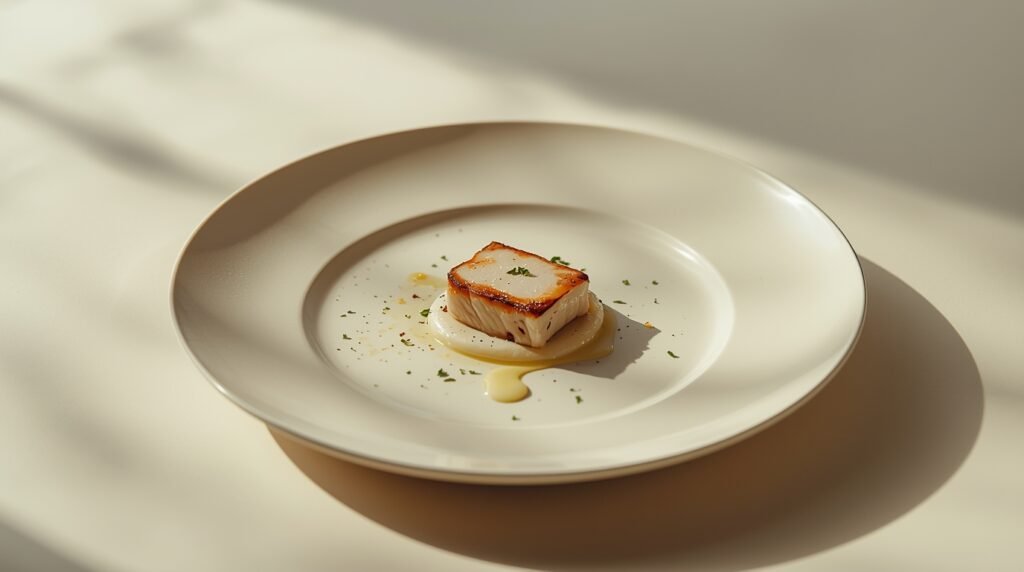
A meal earns the label “high-protein” when protein leads the plate, not when it shows up accidentally. If your meal’s “protein” is two tablespoons of hummus, I’m not judging you… but your body will.
Practical benchmark (no spreadsheets required):
- 25–40g protein per meal for most adults
- Protein-first planning, not carb-first with protein sprinkled on top
Protein matters because it:
- Preserves lean mass during fat loss
- Improves appetite regulation
- Stabilizes blood sugar
- Increases diet adherence (this one matters more than macros)
Here’s the part people miss: protein works best when it’s consistent, not when it’s extreme. “High-protein” doesn’t mean you need to eat like a bodybuilder on a dare. It means you stop under-eating protein by accident.
Pro tip: when people say “I eat a lot of protein,” they usually mean they ate protein once today. Your body prefers a steady supply.
What Makes a Meal “Functional”
Functional meals exist to do something specific, not just look “clean.” Function means you choose ingredients for a job: steady energy, calmer digestion, better recovery, or less snack-hunting later.
Examples:
- Breakfast that improves focus and stress tolerance
- Lunch that prevents the 3 p.m. crash
- Dinner that supports recovery and sleep
This concept isn’t new. Traditional cultures nailed this:
- Bone broth for recovery
- Fermented foods for digestion
- Bitter greens for metabolic support
We forgot… then tried to replace food with supplements. That experiment didn’t go great. Food works because it’s a system: protein, fiber, micronutrients, hydration, and satisfaction all show up together.
Under-the-radar tactic: define “functional” based on your bottleneck. If you always crash after lunch, your function is glycemic stability. If you always snack at night, your function is satiety. Keep it simple and aim it where it counts.
Core Functional Nutrition Terms (Plain English)
- Satiety signaling: How full your brain feels
- Glycemic stability: Keeping blood sugar boring (boring is elite)
- Micronutrient density: Nutrients per calorie, not per label
- Anabolic support: Conditions that allow muscle repair
- Anti-inflammatory load: Whether a meal calms or irritates your system
These concepts matter more than chasing “perfect macros.” Macros tell you the budget. Function tells you where to spend it.
Myth-busting: “functional” doesn’t mean expensive. A bowl with eggs, spinach, and potatoes can be more functional than a fancy bar with 14 ingredients and no fiber.
Why High-Protein and Functional Meals Matter Right Now
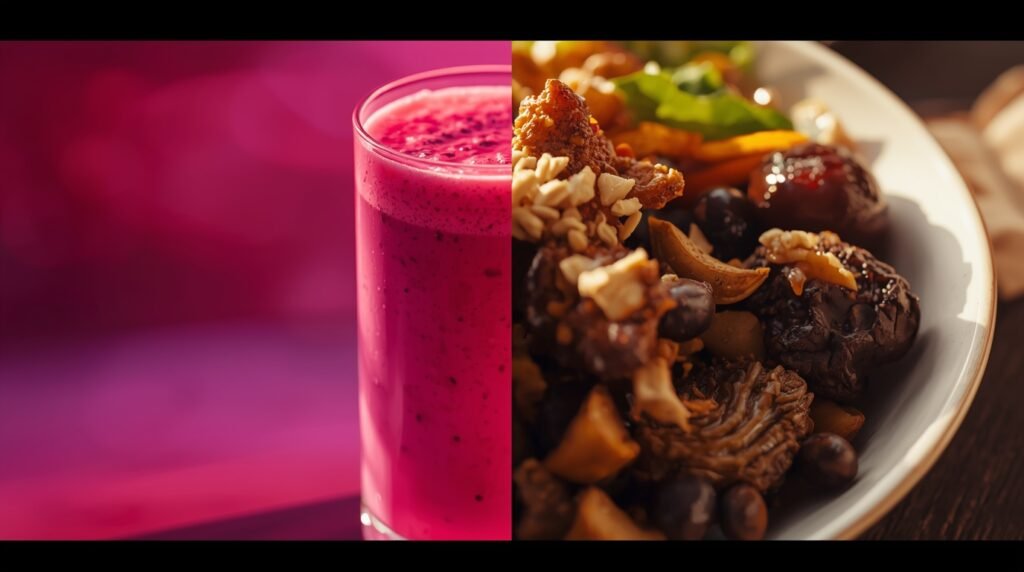
Let’s be blunt: modern eating patterns are working against us. Food got easier to buy, harder to use. Convenience skyrocketed, and nutritional signal got buried under marketing noise.
Ultra-processed foods, erratic schedules, stress, and sedentary lifestyles create a perfect storm where:
- Hunger feels constant
- Energy feels fragile
- Progress feels temporary
You don’t need more motivation. You need better defaults. That’s what a high-protein, functional approach builds—defaults that protect you when life gets messy.
The Problems They Solve
High-protein and functional meals directly address:
- Constant hunger despite “eating enough”
- Energy crashes after meals
- Muscle loss during dieting
- Brain fog and poor focus
- Accelerated aging markers
This isn’t about aesthetics. It’s about performance, resilience, and staying functional as you age. Muscle is a metabolic organ. Energy is a decision-making tool. Food influences both.
Pro tip: the goal isn’t “never eat treats.” The goal is “treats don’t run your calendar.” Functional meals reduce the chaos, so you can enjoy flexibility without consequences stacking up.
Why This Approach Works
Consistent patterns show:
- Higher protein improves body composition without calorie obsession
- Functional nutrients reduce metabolic stress
- Stable blood sugar improves mood, focus, and decision-making
Translation: you feel better, stick longer, and stop restarting every Monday. You also stop living in the “I ate healthy but I’m still starving” loop—because protein and fiber fix that loop fast.
Under-the-radar tactic: treat energy like a metric. If a “healthy” lunch makes you sleepy, it wasn’t functional. Your body gives feedback immediately. Listen to it.
Who Benefits Most
This approach shines for:
- Busy professionals
- Parents
- Adults over 35
- Chronic dieters
- Anyone tired of food feeling fragile
If you’ve got a schedule that doesn’t care about your goals, this strategy helps because it builds meals that are hard to mess up. You’re not chasing perfection. You’re chasing reliability.
High-Protein Meals for Busy Professionals
The Step-by-Step System (The Core Framework)
This is where most guides wave their hands. We won’t. I’m going to give you a build system you can use for breakfast, lunch, dinner, and even “I have 7 minutes and I’m starving” situations.
Step 1: Choose a Protein Anchor
Every functional meal starts with one clear protein anchor. This anchor sets satiety, supports recovery, and prevents the “I’m hungry again immediately” rebound.
Top-tier options:
- Eggs (whole eggs > whites for function)
- Greek yogurt or skyr
- Lean meats (chicken, turkey, beef)
- Fish (especially fatty fish)
- Tofu, tempeh, legumes (when structured correctly)
Rule:
If protein doesn’t dominate the plate visually, it won’t dominate physiologically.
Common mistake: people pick a “healthy base” (salad, oats, fruit) and then sprinkle protein like it’s garnish. Flip it. Protein is the base. Everything else supports it.
Step 2: Pick ONE Functional Goal
This is the difference between random eating and intentional nutrition. Choose one outcome so the meal has a job. One job. Not five.
Choose one:
- Energy & focus
- Fat loss & satiety
- Muscle recovery
- Gut health
- Longevity & inflammation control
Trying to hit all five in one meal creates noise. You end up with a “kitchen-sink bowl” that looks functional but digests like a brick. Function improves with focus.
[Link Opportunity: Functional Meals for Energy and Focus]
Step 3: Layer Supporting Nutrients
Now the meal earns the word “functional.” This is where you stop eating ingredients and start eating outcomes. You’re building a response: stable energy, better digestion, calmer cravings.
Examples:
- Energy: Magnesium-rich foods, B-vitamins, slow carbs
- Satiety: Fiber, fats, volume vegetables
- Recovery: Potassium, antioxidants, collagen sources
- Gut health: Fermentable fiber, fermented foods
Food beats supplements here. Almost every time. If you want a practical shortcut for blending protein into a functional meal without turning it into dessert, check out protein-forward blender meal ideas.
Pro tip: when in doubt, add one supportive element, not three. A meal with protein + vegetables + one functional add-on (like berries or olive oil) beats a mega-mix that bloats you and drains your willpower.
Step 4: Control Carb Context (Not Carb Fear)
Carbs aren’t the enemy. Context is everything. The same bowl of rice can be perfect after training and nap-inducing during a sedentary afternoon.
Ask:
- When am I eating this?
- What’s my activity level after?
- Do I need fast or slow energy?
Best functional carb sources:
- Oats
- Potatoes
- Rice
- Fruit
- Beans and lentils
Paired correctly, carbs behave. Pair them with protein + fiber and you get steady energy. Pair them with “just vibes” and you get cravings.
Under-the-radar tactic: if carbs make you crash, don’t remove carbs first—fix the pairing. Add more protein, add vegetables, add a little fat, and watch your energy stabilize.
Step 5: Add Fat With Intent
Fat amplifies function—or quietly sabotages it. The right fats support hormones and satiety. The wrong dose turns “healthy” into “why did my progress stall?”
Smart additions:
- Olive oil
- Avocado
- Nuts and seeds
- Fatty fish
Watch for:
- Hidden fat stacking
- “Healthy” meals quietly becoming calorie bombs
Pro tip: measure fats for a week if progress feels weird. Not forever. Just long enough to learn what “a tablespoon” actually looks like in your kitchen. Eyes lie.
Step 6: Build Repeatable Templates (How This Actually Sticks)
Systems beat motivation. Always. If you rely on willpower, you’ll eventually run out. If you rely on templates, you’ll keep winning even when you’re tired and busy.
Create 5–7 templates:
- Protein-forward breakfast bowl
- Functional smoothie (protein-first)
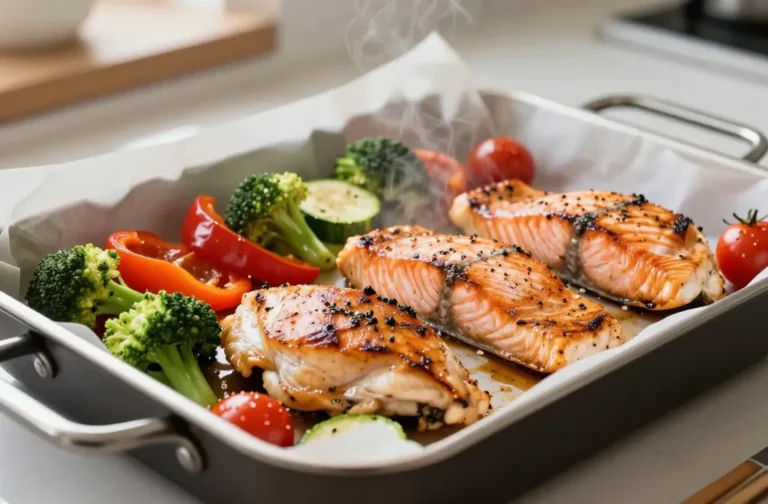
- Protein + veg + carb plate
- Recovery-focused dinner
Same structure. Different flavors. Minimal thinking. If you like precision cooking that keeps protein tender and meals more consistent, you’ll probably enjoy low-temperature cooking techniques.
Here’s how templates look in real life: you keep the structure and swap the ingredients. Chicken becomes salmon. Rice becomes potatoes. Spinach becomes broccoli. The meal stays functional because the architecture stays intact.
High-Protein Meal Prep Systems

Real-World Example: Bad vs Optimized Meal
Bad:
Granola + almond milk + fruit
→ High sugar, low protein, hunger rebound
Optimized:
Greek yogurt + berries + chia seeds
→ Protein-led, fiber-rich, stable energy
Want a lunch version? “Bad” is a giant salad with light dressing and a sad protein sprinkle. “Optimized” is a salad where protein leads (chicken, tuna, tofu) plus beans or grains for steady energy, plus olive oil for satiety.
This pattern repeats everywhere. Once you see it, you can fix almost any meal in 60 seconds.
Tools & Tech Stack (What’s Worth It)
Kitchen Tools That Earn Their Spot
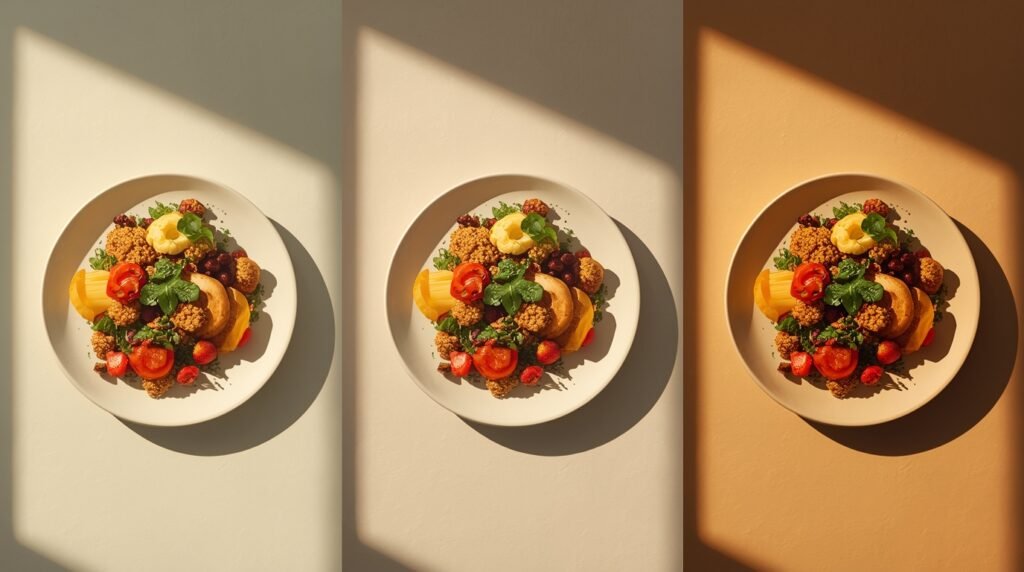
Non-negotiables don’t mean expensive. They mean repeatable results with less effort. The right tools reduce friction, and friction is what kills consistency.
Non-negotiables:
- Digital food scale (short-term calibration)
- High-speed blender
- Sheet pans + slow cooker
- Quality pan
Everything else is optional noise. If you want the fastest “less guessing, more consistency” upgrade, a simple digital kitchen scale that calibrates portions pays for itself in fewer “why am I still hungry?” moments.
For protein-forward smoothies that don’t taste like sadness, a high-speed blender that handles ice and frozen fruit makes functional meals feel effortless.
Batch cooking gets dramatically easier with a durable sheet pan set for high-heat roasting and a reliable slow cooker for hands-off protein.
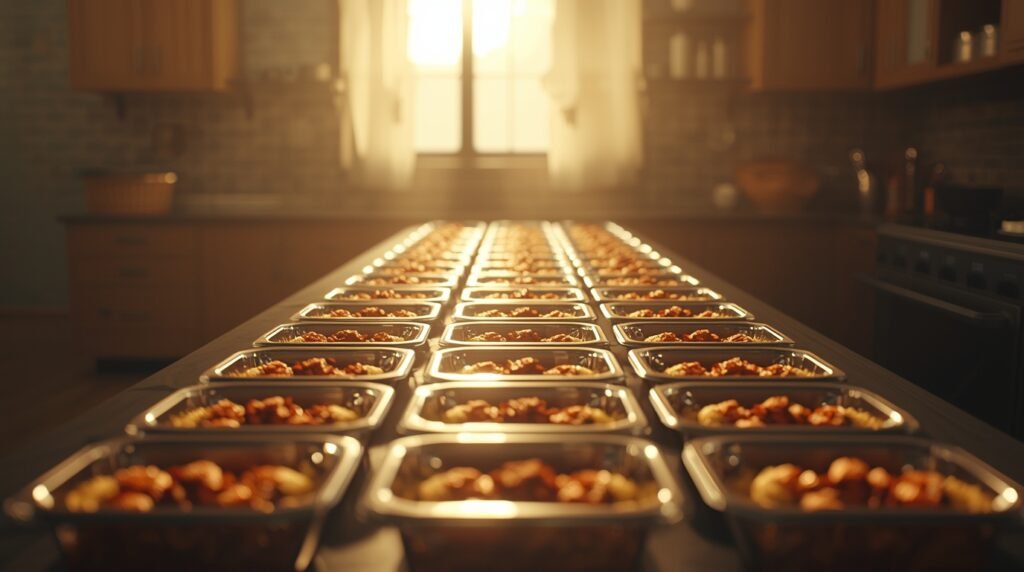
If you meal prep even a little, you’ll also love sturdy meal prep containers that stack cleanly. That’s not glamorous, but neither is eating out three days in a row because storage failed.
Tracking Tools (Use Lightly)
Tracking works best as a short-term diagnostic, not a lifelong religion. Use it to learn where your protein actually lands and where your “healthy” meals quietly drift. Data helps—until it becomes noise.
Useful for:
- Identifying protein gaps
- Spotting calorie creep
- Learning carb timing
Avoid tools that create food anxiety. If a tracking app makes you feel like you “failed” because you ate a banana, that’s not a nutrition tool. That’s a stress machine.
High-Protein Macro Planning Without Obsession
Supplements (Strategic Only)
Supplements should support meals, not replace them. Think of them like a spare tire. Useful when needed. Weird if you drive on it every day.
Worth it:
- Protein powder
- Creatine
- Electrolytes
A clean whey protein powder for meal-building helps when you need protein fast, not when you need a personality reset.
If you want a simple performance lever, basic creatine monohydrate usually beats fancy blends—fewer ingredients, clearer outcomes.
For days when energy feels fragile (and cravings get loud), sugar-free electrolyte powder can make “functional” feel immediate.
If you cook protein often, a fast instant-read thermometer for perfect doneness saves more meals than any supplement ever will.
Overrated:
- Fat burners
- Detox blends
- Ingredient salads with no clarity
Common Mistakes & Myths

Myth: More Protein Is Always Better
Past a point, you crowd out fiber, micronutrients, and enjoyment. More isn’t better; better is better. Hit a solid baseline, spread it across the day, and stop treating protein like a competition.
Myth: Functional Meals Must Be Complicated
Simple meals work better. Complexity kills consistency. The best meal is the one you repeat without resentment—because that’s the meal that becomes a habit.
Myth: Smoothies Are Automatically Healthy
Liquid calories without structure rebound as hunger. Smoothies become functional when protein leads, fiber supports, and sugar stays controlled. For practical templates, start with these blender-based protein meal ideas and keep the build tight.
Pro tip: if your smoothie drinks like juice, it’ll behave like juice. Add protein and fiber until it acts like a meal.
Functional Smoothies Done Right
Myth: This Is Only for Athletes
This approach works best for non-athletes because it fixes the stuff that breaks most people: appetite, energy, and consistency. You don’t need a six-pack. You need a body that feels good to live in.
Advanced Strategies (Top 1%)
Protein Cycling
- Higher protein on training days
- Moderate protein on rest days
- Always hit minimums
Protein cycling improves digestion, appetite, and adherence. It also prevents the “protein fatigue” that shows up when you force the same intake every day. Structure stays; intensity flexes.
Under-the-radar tactic: keep your protein anchors consistent, but adjust portions. On rest days, you might reduce the “extra” protein add-ons (powders, bars) and let whole foods do the work.
Circadian Nutrition
- Protein-heavy mornings improve appetite control
- Carbs later can improve sleep
- Lighter dinners support recovery
Circadian nutrition matters because your body processes food differently throughout the day. Most people do better when they start the day with protein + fiber and avoid the sugar-rocket breakfast that detonates at lunchtime.
If you want another quiet upgrade, keep protein juicy and consistent with low-temperature cooking methods—less overcooking means fewer “this tastes like punishment” meals.
Functional Stacking
Stack functions across meals, not inside one plate. That keeps digestion happy and execution simple. Your day becomes a system.
Example:
- Breakfast: Focus
- Lunch: Stability
- Dinner: Recovery
Functional stacking also makes “imperfect days” less damaging. If breakfast was chaotic, lunch can restore stability. You don’t need perfection. You need recovery mechanisms.
Functional Meal Timing Strategies
Future Trends (1–5 Years)
- Personalized nutrition becomes standard
- Protein quality > quantity
- Longevity-focused eating dominates
- Functional convenience foods replace diet foods
This isn’t a trend. It’s a correction. People want food that works—not food that performs in photos. Outcome-driven eating will keep growing because it reduces friction and improves quality of life.
Expect more “protein-forward” packaged options, more functional ingredients (fiber blends, fermented components), and more emphasis on how meals affect energy and mood. The best part? Your plate architecture stays the same. Only the tools evolve.
The Ultimate FAQ
Are high-protein and functional meals good for fat loss?
Yes—because they improve satiety, muscle retention, and metabolic stability. Fat loss sticks when hunger is manageable and your energy stays steady enough to make good decisions.
Can I eat this way every day?
Yes. That’s the design goal. The point is repeatability—meals you can run on autopilot and still feel like a human, not a dieting robot. Systems beat motivation.
How much protein per meal?
25–40g for most adults. Start with consistency, then adjust by outcomes: appetite, training recovery, and body composition. Your results give the final number.
Do plant-based versions work?
Yes, when structured correctly. Prioritize protein density, use complementary sources, and don’t forget fiber and minerals. Plant-based works best with planning, not wishful thinking.
Do I need supplements?
Only to fill gaps. Whole foods should handle most of the job, and supplements should support convenience or specific needs. If supplements replace meals, function usually drops.
Does this work for families?
Absolutely. The easiest family version is “protein + produce + carb” in a format kids tolerate. Keep sauces and toppings flexible so everyone can customize without you cooking two dinners.
Who should be cautious?
People with medical conditions should individualize—but the framework still applies. If digestion or sensitivity becomes the bottleneck, build your plate around gut-friendly high-protein meal strategies and keep ingredients simple. Function should feel better, not heavier.
Final Takeaway
High-protein and functional meals work because they respect biology, behavior, and real life. They prioritize protein without obsession, add function without chaos, and replace willpower with systems. Once meals serve a purpose, energy stabilizes, cravings fade, and progress stops feeling fragile.
Remember this:
Meals should work for you—not demand discipline from you.
Now go build meals that earn their calories.
As an Amazon Associate, I earn from qualifying purchases.




3 Comments