

High-Protein and Functional Meals That Boost All-Day Energy
High-protein and functional meals have shifted from niche trends to essential components of a performance-driven lifestyle. Consumers today expect food to deliver more than flavor—they want energy stability, metabolic advantages, muscle support, and long-term wellness benefits. By applying expert insights, proven techniques, and overlooked nutritional “hidden gems,” anyone can upgrade their daily eating with precision and efficiency.
Below is a deep-dive framework built for readers who want high-impact meals that actually work.
Table of Contents
- Why High-Protein & Functional Meals Matter Right Now
- Expert Insights: What Professionals Prioritize
- Proven Techniques for Building High-Protein & Functional Meals
- Hidden Gems Most People Miss
- Practical High-Protein & Functional Meal Ideas
- Key Takeaways
- FAQs
Why High-Protein & Functional Meals Matter Right Now
High-protein and functional meals are dominating nutritional conversations because they deliver results traditional “healthy eating” often misses. People are no longer satisfied with generic advice—they want meals that improve measurable outcomes.
High-protein, functional-focused eating supports:
- More consistent energy levels
- Reduced appetite and cravings
- Better workout recovery
- Improved blood sugar control
- Enhanced gut health
- Better long-term metabolic function
Protein is the cornerstone. Pairing it with functional ingredients compounds benefits and unlocks superior nutritional returns.
Expert Insights: What Professionals Prioritize
Nutrition specialists, sports dietitians, and functional health experts follow several core principles when designing high-protein and functional meals. Here are the three priorities professionals emphasize.
1. Consistency Beats Timing
The myth of “perfect protein timing” is outdated. Experts focus on consistent daily protein distribution, recommending 20–40g of protein per meal, spaced evenly throughout the day.
2. Functional Ingredients Multiply Impact
Adding functional components boosts digestion, energy, and inflammation control. Common functional enhancers include:
- Turmeric, ginger, cinnamon
- Berries, leafy greens, cruciferous vegetables
- Fermented foods like kimchi and kefir
- High-fiber carbs like oats, quinoa, and lentils
3. Composition Is More Important Than Calories
Experts use a simple but powerful structure: Protein + Functional Carbs + Clean Fats. This combination stabilizes blood sugar, improves satiety, and regulates hormonal balance.
Proven Techniques for Building High-Protein and Functional Meals
To get consistent performance benefits, execution has to be strategic. These field-tested techniques are used by coaches, nutritionists, and high-performing individuals.
1. Start Every Meal With a Protein Anchor
This ensures a strong nutritional base. Examples:
- Chicken breast, turkey, lean beef
- Salmon, tuna, sardines
- Greek yogurt, cottage cheese, eggs
- Tofu, tempeh, lentils
- Clean protein powder
Anchor goal: 25–40g of protein per meal.
2. Layer Functional Enhancers
Functional ingredients add power without adding empty calories:
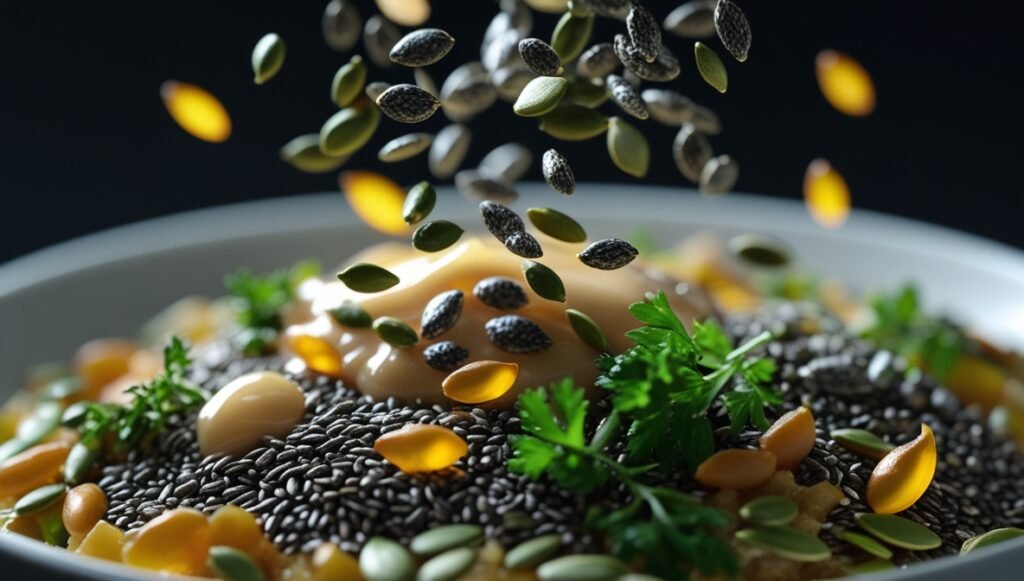
- Chia or flax seeds (fiber, omega-3s)
- Fresh herbs (antioxidants)
- Lemon or apple cider vinegar (digestion support)
- Fermented toppings (microbiome balance)
- Turmeric and black pepper (anti-inflammatory synergy)
3. Use Slow-Digesting Carbs for Stable Energy
Avoid carb sources that spike blood sugar. Experts prefer:
- Quinoa
- Farro
- Sweet potatoes
- Brown rice
- Beans and legumes
4. Add Clean Fats for Hormone Balance
Healthy fats support satiety and nutrient absorption:
- Avocado
- Olive oil
- Walnuts or almonds
- Tahini
- Hemp and pumpkin seeds
5. Choose Cooking Methods That Protect Nutrients
Best techniques:
- Steaming
- Baking
- Grilling
- Light sautéing
- Air frying
Hidden Gems Most People Miss
Experts and nutrition insiders often rely on ingredients that the general population overlooks. These “hidden gems” deliver outsized impact.
1. Cottage Cheese
A single cup provides ~25g of protein and blends easily into sweet or savory dishes.
2. Tahini
Loaded with calcium, healthy fats, and a creamy texture, tahini elevates salads, bowls, and marinades.
3. Pumpkin Seeds
One of the highest-magnesium foods available. Excellent for protein, minerals, and hormone support.
4. Nutritional Yeast
Adds B12, enhances flavor, and replaces cheese in a healthier format.
5. Sardines
High in omega-3s, protein, and essential minerals. One of the strongest nutritional ROI foods.
Practical High-Protein & Functional Meal Ideas

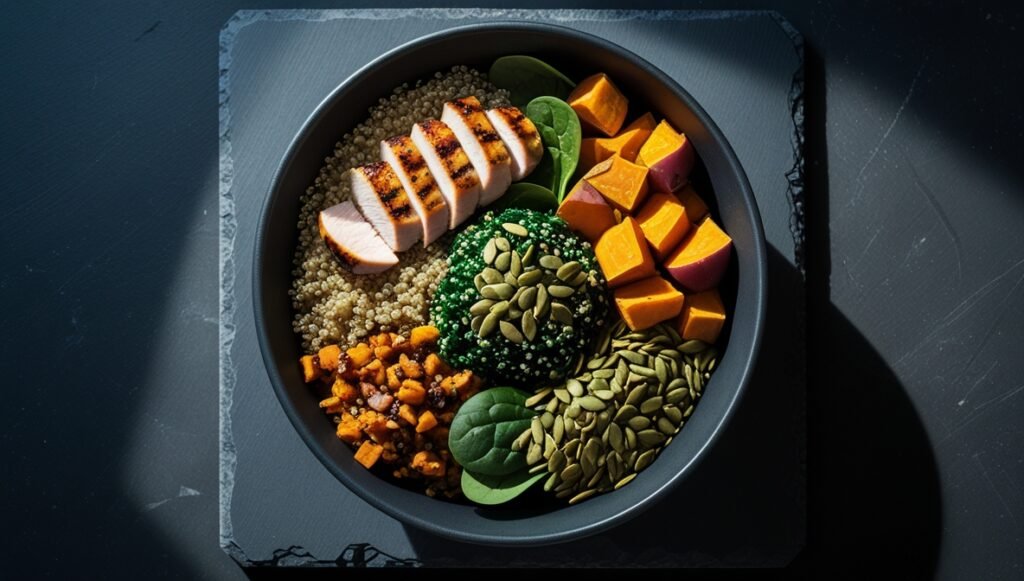
1. High-Protein Power Bowl
- Grilled chicken
- Quinoa
- Spinach
- Sweet potatoes
- Pumpkin seeds
- Lemon-tahini dressing
2. Functional Breakfast Parfait
- Greek yogurt
- Berries
- Oats
- Chia seeds
- Almond butter
3. Lean Muscle Wrap
- Turkey slices
- Avocado
- Fermented pickles
- Arugula
- Whole-grain wrap
4. Gut-Supporting Salmon Plate
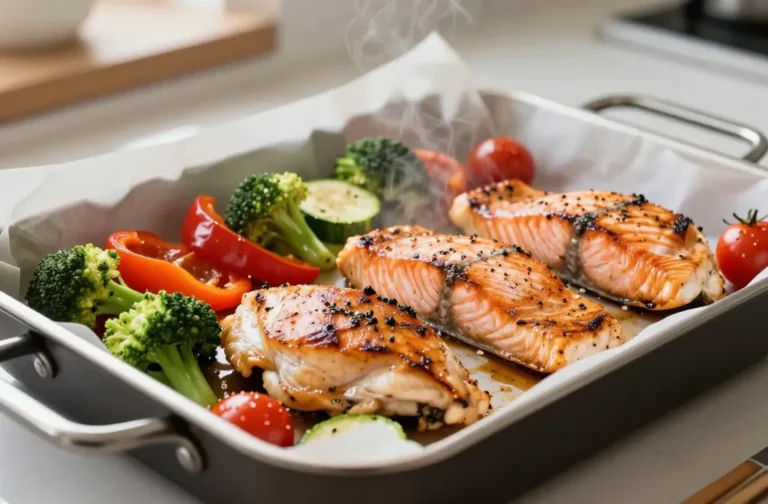
- Baked salmon
- Brown rice
- Broccoli
- Sesame oil drizzle
5. Protein-Loaded Veggie Stir Fry
- Tofu or tempeh
- Mixed vegetables
- Ginger and garlic
- Low-sodium tamari
Key Takeaways
- High-protein and functional meals deliver measurable improvements in energy, metabolism, appetite control, and recovery.
- Experts prioritize consistency, functional food combinations, and strategic nutrient pairing.
- Proven techniques—such as protein-anchored meals and slow-digesting carbs—ensure sustained performance.
- Hidden gem ingredients can dramatically elevate nutritional value with minimal effort.
- Functional nutrition is simple when built on a structured, strategic approach.
FAQs
1. How much protein should an average adult eat per meal?
Typically 20–40g, depending on activity level, age, and overall goals.
2. Do functional ingredients really make a big difference?
Yes—functional foods improve digestion, reduce inflammation, stabilize blood sugar, and enhance nutrient absorption.
3. Can high-protein meals help with fat loss?
Absolutely. Protein boosts metabolic rate, increases satiety, and reduces cravings.
4. Are plant-based proteins sufficient for functional meals?
Yes. Lentils, tofu, tempeh, chickpeas, and plant protein powders can deliver excellent results when used strategically.
5. Is it expensive to eat high-protein and functional meals?
No. Many functional foods—beans, eggs, seeds, herbs, yogurt—are cost-effective and widely accessible.



One Comment