

High-Protein and Functional Recipes for Energy, Muscle, and Longevity
High-protein and functional recipes. Most people who eat “high-protein” are doing everything right on paper—and still feel off. They hit the numbers. Count grams. Buy the powders. Yet energy fades by mid-afternoon, workouts feel heavier than they should, and recovery drags. That gap isn’t discipline. It’s design.
What you’re building here: a high-protein and functional recipes system—meals engineered to produce outcomes (stable energy, clean recovery, lean muscle support, long-term health), not just macro totals.
Table of Contents
- What Makes a Recipe “Functional” (Beyond Protein Count)
- Energy-First Functional Nutrition
- Muscle Support Without Overeating
- Longevity-Driven Recipe Engineering
- High-Protein Functional Recipes by Use Case
- The Functional Protein Kitchen Stack
- Mistakes Killing Results (And How to Fix Them)
- FAQs (The Questions You’re Probably Thinking)
- Products / Tools / Resources
What Makes a Recipe “Functional” (Beyond Protein Count)
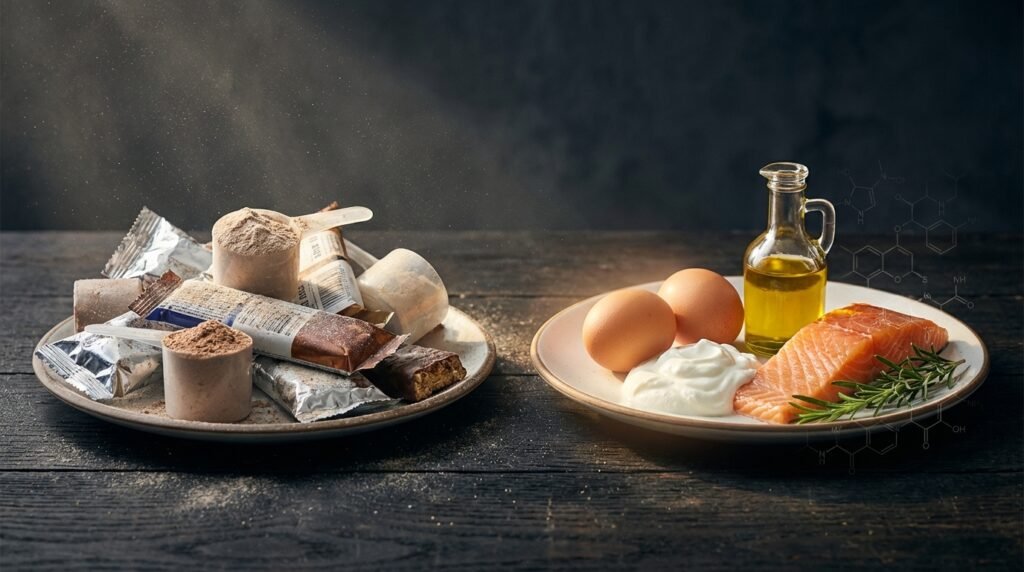
High-protein meals are common. Functional meals are deliberate. A functional recipe isn’t defined by how much protein it contains, but by what that protein does once it’s inside your body: digestion, absorption, muscle repair signaling, blood sugar stability, and inflammation control.
Bioavailability vs. Label Protein
A label tells you what went into the food. Bioavailability tells you what actually makes it into you. Proteins like eggs, Greek yogurt, skyr, whey isolate, fish, and lean poultry typically digest efficiently and deliver complete amino acid profiles. That matters because “usable protein” drives outcomes—stable energy, recovery, and muscle protein synthesis—not just totals.
Quick rule: Usable protein beats impressive protein. If a meal looks perfect on paper but leaves you bloated, tired, or snacky an hour later, that’s a functional failure.
Functional Synergy: Protein + Micronutrients
Protein is a biological signal. Signals need support. Functional recipes pair protein with micronutrients that help it do its job: magnesium (energy metabolism), zinc (recovery and immune function), B vitamins (ATP production), iron (oxygen delivery), and omega-3 fats (inflammation modulation).
- Protein + magnesium-rich foods (leafy greens, seeds) supports energy and muscle function.
- Protein + omega-3 sources (salmon, sardines) supports recovery and long-term health.
- Protein + B vitamins (eggs, dairy, lean meats) supports cellular energy production.
Anti-Nutrient Avoidance
Some foods can reduce mineral absorption if they’re not prepared well. Common examples include phytates (in some grains/legumes), oxalates (in excess raw greens), and lectins (in undercooked beans). Functional cooking methods—soaking, fermenting, cooking thoroughly—reduce these blockers. Same ingredients. Higher return.

Energy-First Functional Nutrition
Energy isn’t about eating more. It’s about staying stable. Functional protein meals are built to prevent crashes—physiological, mental, and emotional.
Blood Sugar Stability Principles
Stable blood sugar creates reliable focus and stamina. The functional approach is simple: protein first, fiber and fat to slow digestion, and carbohydrate choices that support performance rather than trigger a spike-and-drop loop.
- Protein-first meals reduce “snack gravity” later.
- Fiber + fat buffers smooth glucose response.
- Whole-food carbs beat refined sugars for consistent output.
Functional Fats for Mental Clarity
Fats aren’t filler. They’re cognitive tools. Extra virgin olive oil supports anti-inflammatory pathways, avocado provides potassium alongside fat, MCT oil offers rapid fuel, and fatty fish supports brain health through DHA.
Hydration and Electrolyte Leverage
Fatigue often isn’t a food failure—it’s a mineral deficit. Sodium supports nerve signaling, potassium supports muscle contraction, and magnesium supports energy production. If your protein intake increases and you train or sweat regularly, electrolytes become non-negotiable.
Muscle Support Without Overeating
Muscle isn’t built by excess. It’s built by precision: protein quality, amino acid profiles, timing, and recovery. Functional recipes support muscle without forcing you into overeating or all-day tracking.
Protein Density vs. Calorie Load
A functional meal delivers more usable protein per calorie. That supports lean mass, improves satiety, and keeps energy stable—especially for people who want performance without constant bulking cycles.
- Greek yogurt bowls (protein + probiotics + easy digestion)
- Egg-based meals (complete amino acids, adaptable)
- Lean protein + functional fats (steady energy + recovery support)
Amino Acid Profiles That Matter
Leucine is a key trigger for muscle protein synthesis, but it works best inside a complete amino acid profile. Functional recipes favor complete proteins and digestion patterns that keep muscle repair signaling consistent without stressing your gut.
Recovery Meals vs. Growth Meals
Not every meal has the same job. Recovery meals emphasize minerals, hydration, anti-inflammatory foods, and calm digestion. Growth meals emphasize higher protein density and strategic carbohydrates to support adaptation. Functional systems rotate both, preventing burnout while sustaining progress.

Longevity-Driven Recipe Engineering
Longevity isn’t about eating less protein. It’s about using protein intelligently—quality, timing, and context—so you get strength now and resilience later.
Inflammation Control Through Food
Chronic inflammation quietly accelerates aging and slows recovery. Functional meals reduce inflammatory load through omega-3 fats, polyphenol-rich plants, and spices like turmeric and ginger.
Protein Cycling for Lifespan Support
Constantly high protein isn’t necessary for everyone. Functional systems flex with training and stress: higher protein on demanding days, moderate on rest days, and optional fasting windows when appropriate. The goal is sustainable strength and metabolic stability, not extremes.
Aging-Resistant Meal Composition
As digestion and recovery change over time, meals should feel lighter, cleaner, and more nutrient-dense. Longevity-forward recipes prioritize digestibility, micronutrient density, and low oxidative stress.
High-Protein Functional Recipes by Use Case
Context changes everything. Functional eating adapts to what you’re doing, not what a trend says you should do. Use these use-case frameworks to build recipes that match your real life.
Morning Focus Meals
- High protein + moderate fat for stable energy and attention
- Low sugar impact to avoid a mid-morning crash
- Examples: eggs with greens, Greek yogurt with seeds, protein smoothie with electrolytes
Post-Training Recovery Meals
- Protein + carbohydrates to replenish glycogen and support repair
- Electrolytes to restore hydration and performance
- Examples: whey isolate shake, rice + lean protein + olive oil, yogurt + fruit + salt pinch
Evening Anti-Aging Dinners
- Moderate protein to support overnight repair
- Anti-inflammatory fats (olive oil, fatty fish) for recovery and long-term health
- Lower glycemic load to support sleep and metabolic stability
Longevity-focused dinners that support recovery
The Functional Protein Kitchen Stack
Consistency beats motivation. A functional kitchen setup removes friction so you can eat well on your busiest days—without turning cooking into a second job.
Tools That Reduce Friction
- Blender for smoothies, sauces, quick recovery meals
- Air fryer for fast, clean protein cooking
- Meal prep containers for compliance and time control
- Digital food scale (optional) for learning phases and portion accuracy
Ingredients With Multi-Benefit ROI
- Eggs (complete amino acids, versatile)
- Greek yogurt / skyr (high protein, gut-friendly)
- Extra virgin olive oil (functional fat, anti-inflammatory)
- Frozen vegetables (convenient micronutrients)
- Spices like turmeric and ginger (inflammation support)
Prep Once, Eat All Week
Batch-cooked protein anchors + modular sides = repeatability without boredom. Cook a few staples, rotate sauces and sides, and your week stays functional even when your schedule isn’t.
Mistakes Killing Results (And How to Fix Them)
Too Much Protein, Wrong Timing
More protein isn’t always better. Match protein intake to activity and recovery demands. Training days often benefit from higher protein density and recovery support. Rest days often do better with moderate intake and nutrient focus.
Ignoring Micronutrient Density
Macros don’t run your metabolism by themselves. Minerals and vitamins decide whether your body can turn food into energy and recovery. If you feel flat while “hitting numbers,” look at electrolytes, magnesium, omega-3 intake, and overall food quality.
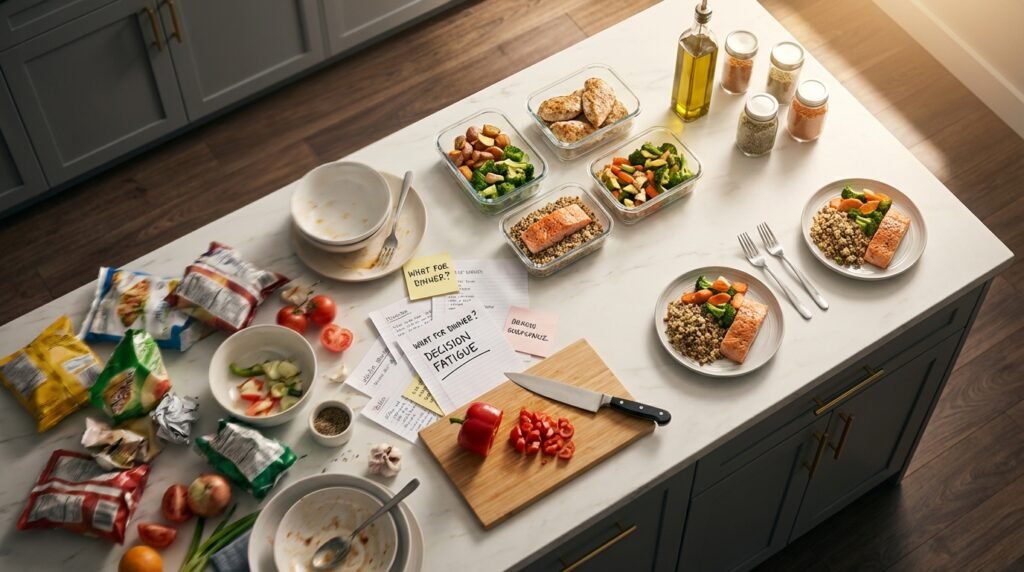
Overcomplicating Meals
When meals become projects, consistency collapses. Build a short list of functional defaults you can repeat under pressure. That’s how performance becomes sustainable.
FAQs (The Questions You’re Probably Thinking)
“I’m eating high-protein… why am I still tired?”
Most often: blood sugar swings, low electrolytes, or low micronutrient density. Protein can’t deliver stable energy if hydration and minerals are off, or if meals are missing fiber and functional fats.
“Do I need protein powder to make this work?”
No. Whole foods can do the job. Protein powder is a convenience tool—especially post-training or on busy mornings—when you need clean protein fast. If you use it, choose a simple formula and pair it with fiber, fats, or electrolytes depending on your goal.
“How do I support muscle without overeating?”
Focus on protein density and quality: complete amino acids, leucine-rich options, and meals that digest cleanly. Add carbohydrates strategically around training, not randomly throughout the day.
“What’s the simplest functional meal I can repeat?”
A high-protein base (eggs, Greek yogurt, fish, lean poultry) + a fiber source (vegetables, berries, legumes prepared well) + a functional fat (olive oil, avocado). Add electrolytes if you train, sweat, or feel consistently drained.
Products / Tools / Resources
If you want this playbook to feel effortless in real life, the right tools and staples remove friction fast. Here are practical, high-ROI picks you can use immediately.
Whey Protein Isolate (Clean, Fast Post-Training Recovery)
Great for recovery meals when you need digestible protein quickly—especially after training or on rushed mornings.
- High protein density
- Fast absorption
- Easy to combine with electrolytes and fiber
Shop Whey Protein Isolate on Amazon
Blender (Smoothies, Sauces, Zero-Friction Protein Meals)
The fastest way to turn functional ingredients into a meal you’ll actually stick with.
- Smoothies for post-training recovery
- High-protein sauces and dressings
- Consistency without cooking time
Find a High-Speed Blender on Amazon
Air Fryer (Fast, Clean Protein Cooking)
High-protein meals become automatic when cooking is quick and cleanup is painless.
- Lean proteins in minutes
- Crisp texture with less oil
- Batch-cook for the week
Glass Meal Prep Containers (Compliance + Portion Control)
The quiet hero of functional eating: fewer decisions, fewer missed meals, more consistency.
- Prep once, eat all week
- Microwave + fridge friendly
- Keeps portions predictable
Get Glass Meal Prep Containers on Amazon
Electrolyte Powder (No Sugar) for Energy + Training Support
A simple fix for “I’m doing everything right but still feel drained,” especially if you sweat, train, or walk a lot.
- Supports hydration and nerve signaling
- Helps prevent training fatigue
- Pairs well with high-protein routines
Browse Sugar-Free Electrolytes on Amazon
Extra Virgin Olive Oil (Functional Fat for Daily Cooking)
An everyday upgrade that supports inflammation control, taste, and meal satisfaction.
- Pairs with lean proteins and vegetables
- Supports anti-inflammatory eating patterns
- Improves satiety and flavor
Shop Extra Virgin Olive Oil on Amazon
As an Amazon Associate, I earn from qualifying purchases.






7 Comments