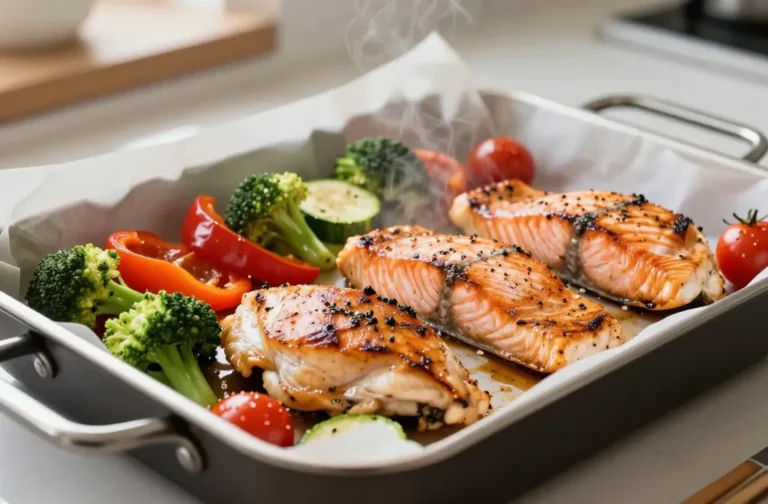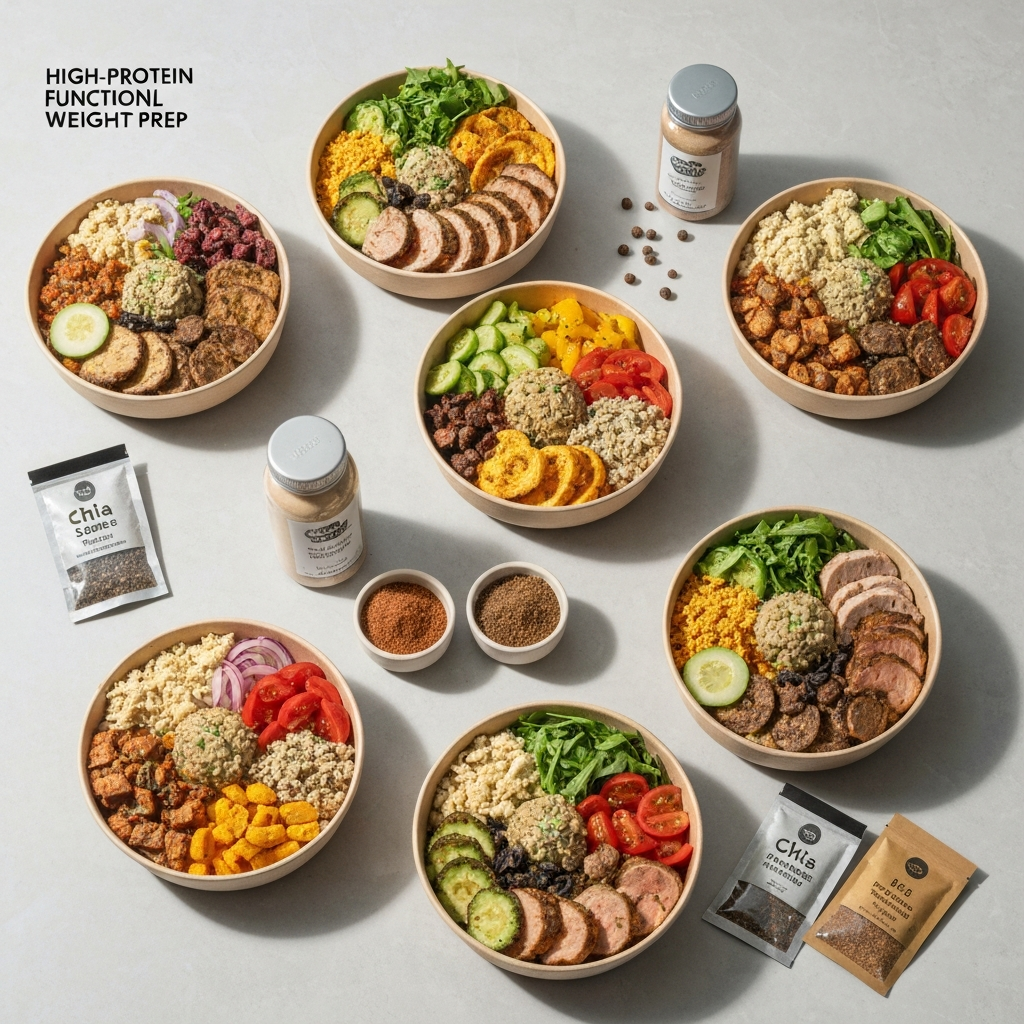
High-Protein Functional Meals for Weight Loss: The No-BS Blueprint
Here’s the truth: high-protein functional meals for weight loss aren’t “a hack.” They’re a system. And most people don’t have a system—they have vibes, snack dust, and a half-used jar of chia seeds.
The problem is simple: you’re trying to lose fat while fighting hunger, low energy, and a calendar that hates you. If your meals don’t pull their weight—protein for satiety, fiber for control, and “functional” add-ons that improve consistency—you’ll white-knuckle it for two weeks and then faceplant into a croissant.
Table of Contents
- Why High-Protein Works (and what people screw up)
- What “Functional” Actually Means (no fairy dust)
- The Meal Template That Scales
- Functional Add-Ons That Earn Their Calories
- Common Failure Modes (and how to fix them)
- A Realistic Sample Day (not a fantasy menu)
- Tools & Staples Worth Buying
- Frequently Asked Questions
- Bottom Line
Why High-Protein Works (and what people screw up)
Snippet Trap (read this if you’re busy): High-protein meals support weight loss by improving satiety, helping preserve lean mass during a calorie deficit, and making it easier to hit a consistent calorie target. “Functional” add-ons like fiber-rich plants and fermented foods improve appetite control and adherence—without turning meals into calorie grenades.
Fast forward to the part nobody wants to hear: weight loss still comes down to an energy deficit. But the easiest deficit is the one you don’t feel like you’re suffering through. That’s where protein shines.
Higher-protein diets tend to increase satiety and can help preserve lean mass while dieting—especially when paired with resistance training. That’s not “biohacking,” that’s physiology. If you want the boring, official version, the NIH has a clear overview of protein’s role in the body and daily needs. NIH research summaries on protein and muscle preservation back the big idea: don’t diet like you’re trying to become smaller and weaker at the same time.
Now the screw-ups.
- They go “high-protein” but forget calories. Protein bars plus nuts plus “healthy” oil glugs. Congrats, you built a surplus with better branding.
- They under-dose protein per meal. A sad 12g at breakfast, 15g at lunch, then a monster dinner. Appetite control usually works better when protein is distributed.
- They eat dry, joyless chicken until they hate their life. You don’t need punishment meals. You need meals you can repeat.
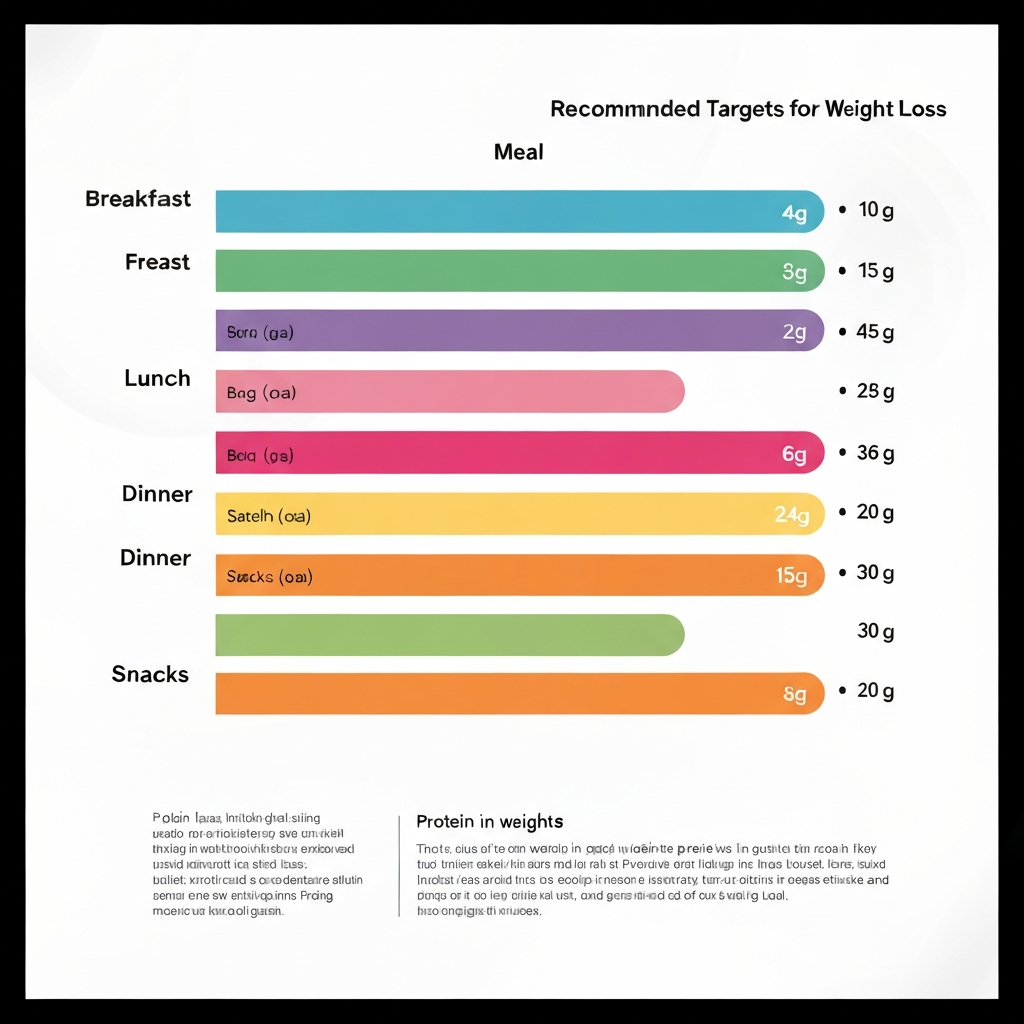
Bottom line: protein is the anchor. But anchoring isn’t enough—you also need steering. That’s where functional elements come in.
What “Functional” Actually Means (no fairy dust)
“Functional” gets abused. A blueberry doesn’t become magical because someone put it in a mason jar.
Here’s a technical definition that won’t make your eyes roll: a functional meal includes components that measurably improve the outcome you care about—satiety, blood sugar stability, gut comfort, recovery—at a reasonable calorie cost.
Examples of “functional” that actually matters:
- Fiber for satiety and better appetite control. Harvard’s nutrition team consistently points out fiber’s role in fullness and metabolic health. Harvard T.H. Chan on dietary fiber.
- Fermented foods (yogurt, kefir, kimchi) for gut support and palatability. If you’re curious where “probiotics” starts and nonsense begins, even Wikipedia’s overview is a decent baseline. Wikipedia: Probiotic.
- Omega-3 rich foods (salmon, sardines) for general health support and better “meal value.” The FDA has plain-language guidance on omega-3s and seafood. FDA: Omega-3 fatty acids in fish.
What’s not functional?
Anything that adds calories without improving adherence or outcomes. If your “functional” smoothie has 900 calories and still leaves you hungry, it’s not functional. It’s just expensive liquid.
If you want a tighter framework for building your base meals before layering “functional” extras, start with the pillar guide: high-protein and functional meals complete guide. It lays the foundation so you’re not improvising your way into a pantry disaster.
The Meal Template That Scales
This is the part that makes the whole thing repeatable. Don’t chase recipes. Chase templates.
The template:
- Protein anchor (25–40g per meal as a practical range for many people): chicken, turkey, lean beef, eggs + egg whites, Greek yogurt, cottage cheese, tofu/tempeh, fish, shrimp.
- High-volume plants (fiber + micronutrients): big salads, roasted vegetables, sautéed greens, cruciferous veggies.
- Smart carbs (optional, measured): potatoes, oats, rice, quinoa, beans, fruit. Choose based on activity and preference.
- Functional booster: fermented food, omega-3 source, legumes, berries, spices.
- Flavor system: sauces and spices that don’t nuke calories (Greek yogurt sauces, salsa, vinegar-based dressings, spice blends).
One sentence rule: If you can’t assemble it in 15 minutes on a weeknight, it’s not a template—it’s a hobby.
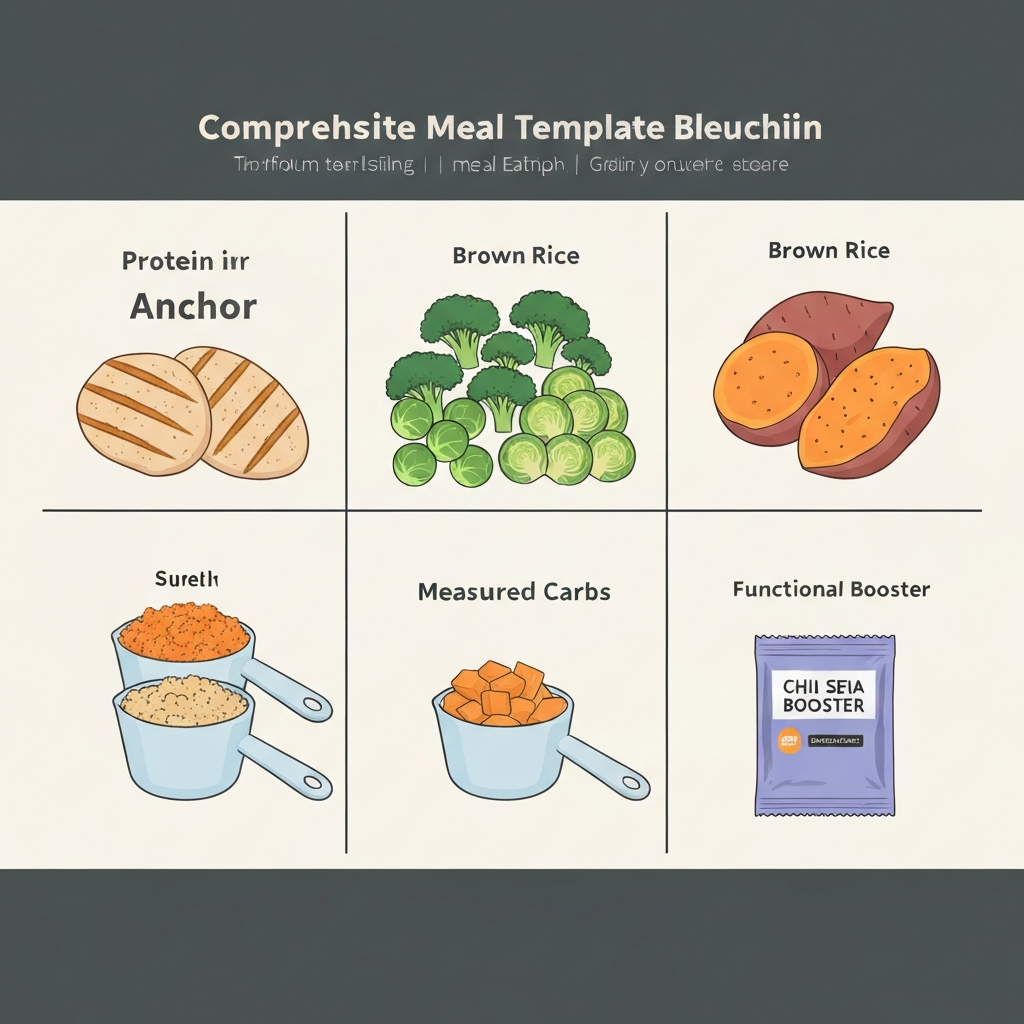
Here are three plug-and-play meal builds (not fragile recipes):
- Greek Bowl: grilled chicken + cucumber/tomato salad + chickpeas + tzatziki-style yogurt sauce + olives (watch portions) + herbs.
- Breakfast That Holds You: Greek yogurt + berries + chia/flax + cinnamon + a measured handful of high-protein granola (keyword: measured).
- Protein-Stir Fry (adult version): shrimp or tofu + frozen veggie mix + soy/ginger/garlic + optional rice portion + kimchi on the side.
Want the hidden upside nobody talks about? Templates reduce decision fatigue. And decision fatigue is the silent killer of diet adherence. That’s the real “function.”
Functional Add-Ons That Earn Their Calories
The problem is most “add-ons” are calorie landmines wearing a wellness costume.
Here are functional add-ons that actually pull ROI:
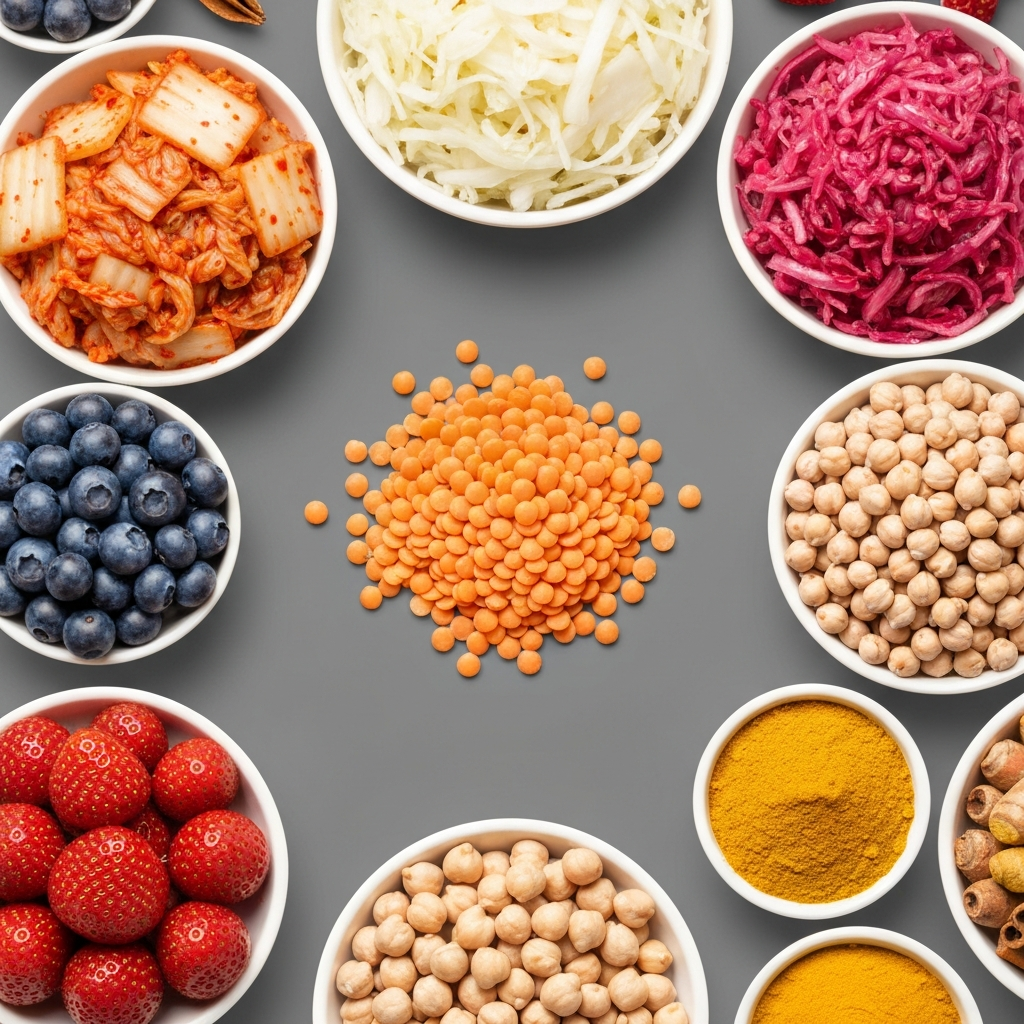
1) Fermented foods (taste + gut comfort)
Greek yogurt, kefir, kimchi, sauerkraut. They add tang, improve meal satisfaction, and can help meals feel less like punishment. Better taste = better adherence. That’s not psychology fluff; it’s reality.
2) Legumes (fiber + slow energy)
Beans and lentils are functional because they add fiber and help stabilize appetite. Use them as a partial carb swap: half rice, half lentils. Same “bowl,” better staying power.
3) Berries and cocoa (polyphenol-heavy, low drama)
Blueberries, raspberries, and even unsweetened cocoa can add flavor while keeping calories sane. The point isn’t “antioxidant magic.” It’s high flavor density without sugar explosions.
4) Spices that reduce “diet boredom”
Smoked paprika, cumin, curry blends, garlic, chili, black pepper, cinnamon. These don’t just add flavor—they keep you from “needing” high-calorie sauces to feel satisfied.
If you want more of the “why this works under the hood” angle, read: the hidden benefits of high-protein functional meals. It’s the stuff people skip—then wonder why they fall off track.
Common Failure Modes (and how to fix them)
Let’s talk about why “good” plans fail in the wild.
Failure #1: You’re hungry at 9 PM
This usually means your earlier meals were under-proteined, under-fibered, or both.
- Fix: Add 10–15g protein to breakfast and lunch, and add a high-volume vegetable side at dinner.
- Fix: Use a planned “protein snack” (Greek yogurt, cottage cheese, whey shake) instead of pretending snacks won’t happen.
Failure #2: “Healthy fats” quietly wreck your deficit
Olive oil is great. Nuts are great. Avocado is great.
They’re also the fastest way to turn a 500-calorie meal into an 850-calorie mystery.
- Fix: Measure oils and calorie-dense extras. Yes, measure. Your eyeballs are not a food scale.
Failure #3: Your meal prep tastes like cardboard by Wednesday
That’s not a willpower issue. That’s an engineering issue.
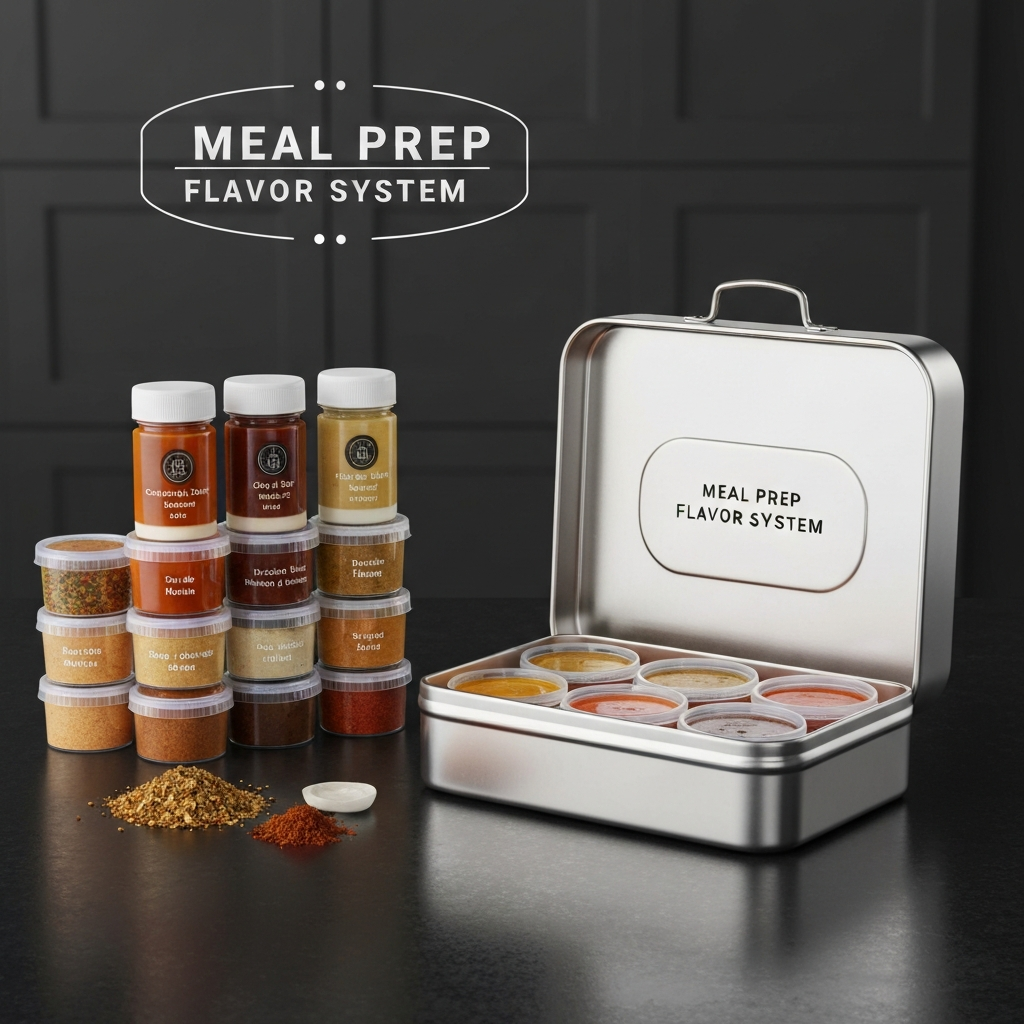
- Fix: Keep the base consistent, rotate the flavor system: Mexican bowl, then Greek, then curry, then Asian-style. Same macros, different planet.
- Fix: Store sauces separately so texture doesn’t go to war with your food.
One more insider note: your plan should work on your worst day. If it only works when you’re motivated, it’s not a plan. It’s fan fiction.
A Realistic Sample Day (not a fantasy menu)
This isn’t “eat like a fitness model.” This is “eat like a person with a job.”
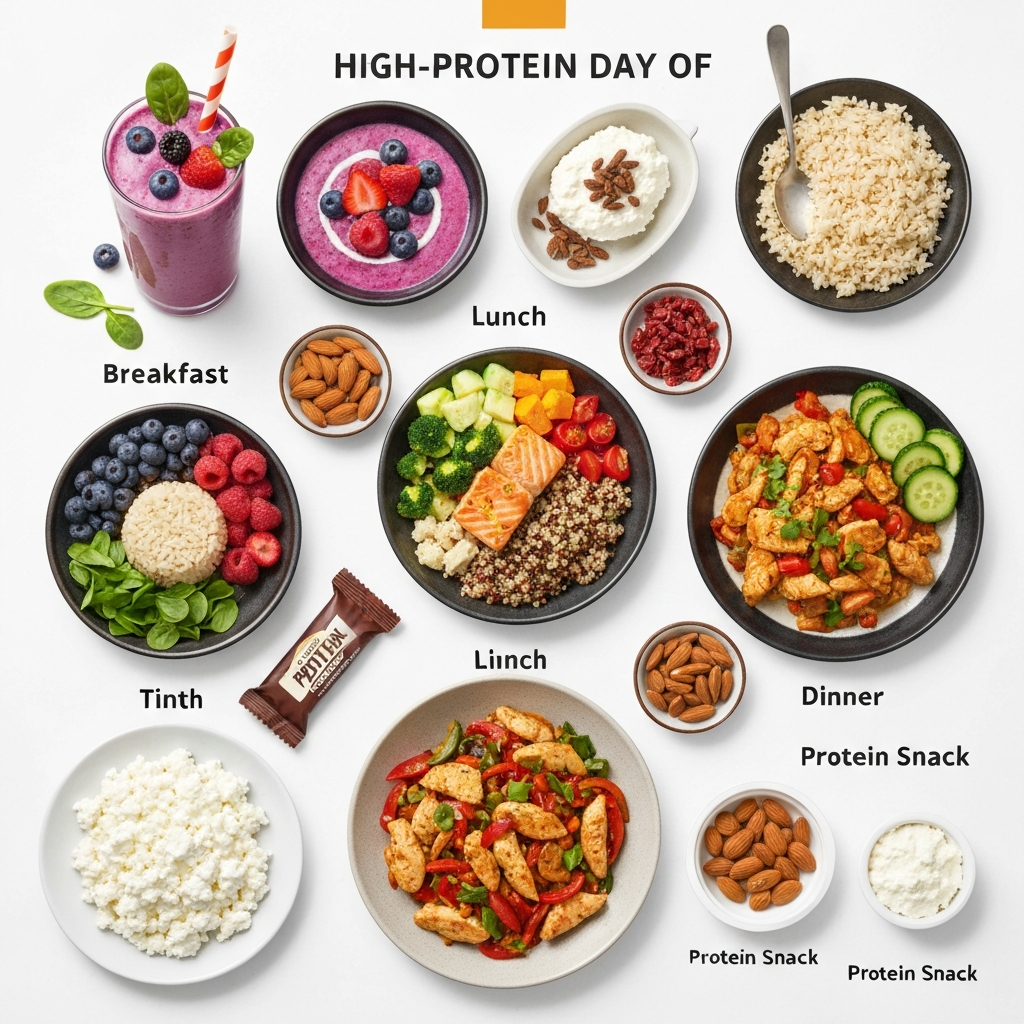
Breakfast
Greek yogurt power bowl: Greek yogurt + berries + chia/flax + cinnamon. Optional: a scoop of whey if you need a boost. If you’re lifting, this breakfast does its job without making you sleepy by 10 AM.
Lunch
Big salad + protein anchor: mixed greens + cucumbers + tomatoes + pickled onions + grilled chicken or tuna + beans or quinoa (measured) + vinegar-based dressing. Add a side of fruit if you need it.
Dinner
Protein + vegetables + optional carb: salmon or lean turkey + roasted broccoli/cauliflower + potatoes (measured) + a dollop of Greek yogurt sauce. That’s it.
“I’m still hungry” option
Planned protein snack: cottage cheese, kefir, or a protein shake. Not because you “failed.” Because your body isn’t impressed by your motivational quotes.
Notice what’s missing?
No “detox tea.” No starvation lunch. No miracle bar. Just meals that reduce friction.
Tools & Staples Worth Buying
These aren’t “must-haves.” They’re leverage. If you want consistency, remove excuses.
1) Whey protein powder (convenience, not magic)
If you struggle to hit protein, whey is the simplest fix. Use it to support your meals, not replace them.
2) Digital food scale (the truth machine)
Measure calorie-dense stuff (oils, nuts, cheese). Your results will improve fast. Your ego will complain for 48 hours.
3) Meal prep containers (reduces friction)
When food is already portioned and ready, your future self stops negotiating with the pantry.
4) Air fryer (fast protein, less mess)
It’s not trendy. It’s efficient. Chicken, fish, tofu—done fast, crisp, and less oil drama.
Frequently Asked Questions
How much protein do I actually need for weight loss?
Most people do well targeting 25–40g protein per meal (or about 1.2–1.6 g/kg/day if you want a more technical range), especially if you’re dieting and training. Bigger body, higher activity, and aggressive deficits usually push the need upward.
What makes a meal “functional” instead of just high-protein?
A functional meal adds ingredients that support a specific outcome—satiety, blood sugar stability, gut comfort—without blowing calories. Think fiber, fermented foods, omega-3s, and polyphenol-rich plants. Not random “superfoods” that taste like lawn clippings.
Can high-protein meals stall fat loss?
Protein doesn’t stall fat loss. Untracked calories do. The usual culprits are oils, nuts, cheese, and “healthy” sauces quietly stacking calories.
Do I need protein powder for this to work?
No. It’s optional. But it’s a clean way to hit protein when you’re busy, not hungry, or sick of chewing. Use it as support, not a lifestyle replacement.
What’s the biggest mistake people make with “healthy” meal prep?
They prep meals they don’t want to eat. Then they blame willpower. Build meals you’ll happily repeat, rotate flavors, and keep the template stable.
Bottom Line
Here’s the insider takeaway: weight loss isn’t about finding the perfect meal. It’s about building a repeatable system where meals do three jobs—hit protein, keep you full, and make the next good decision easier.
Action step: pick one template (bowl, salad, stir-fry), pick two flavor systems, and run it for 7 days. Track results. Adjust portions. Keep the machine running.
And if you’re waiting for motivation… good luck. I’ll be over here eating a chicken shawarma bowl that tastes like a reward and behaves like a diet meal.
As an Amazon Associate, I earn from qualifying purchases.