
High-Protein Recipes for Cognitive Performance and Focus
High-Protein Recipes for Cognitive Performance and Focus matter most when mental energy becomes unreliable. If concentration fades too quickly, if afternoons feel mentally heavier than they should, or if decision-making slows under pressure, nutrition is often part of the equation. Not in a dramatic way—but in a cumulative one. Protein intake, in particular, plays a quiet but meaningful role in how steadily the brain performs across the day. This guide explains the “why” behind the effect, then translates it into meal choices that hold up in real life.
Table of Contents
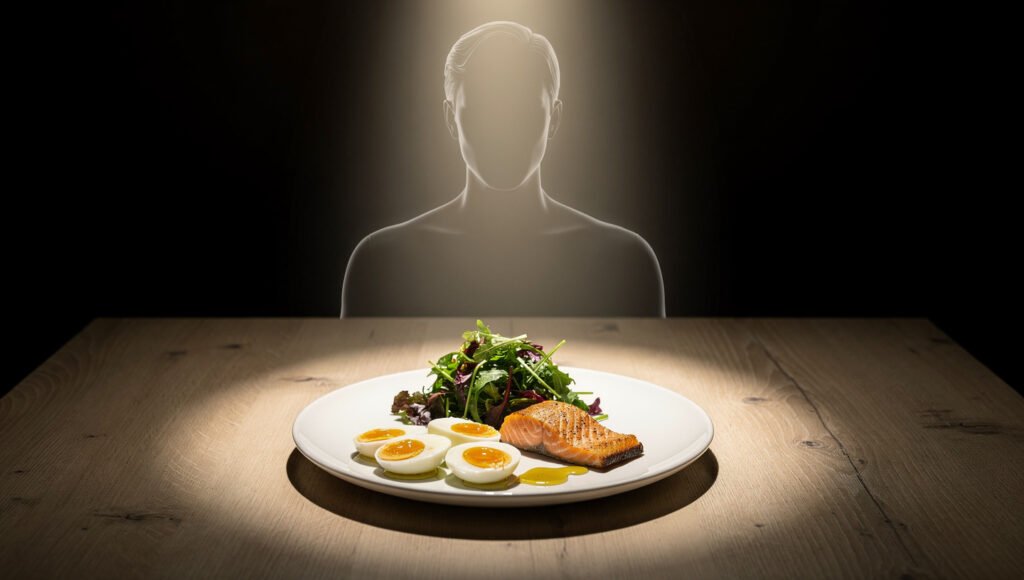
Why Protein Intake Directly Affects Focus and Mental Performance
Protein is frequently framed as fuel for muscles, but its relevance to cognitive work is just as concrete. The brain depends on a steady supply of amino acids to build and regulate neurotransmitters responsible for attention, alertness, and mental control. When protein intake is inconsistent—skipped at breakfast, delayed until dinner, or paired poorly with fast carbohydrates—the effects tend to show up subtly. Focus becomes more fragile. Mental fatigue arrives earlier. The ability to stay with complex tasks weakens.
What’s happening underneath is straightforward: protein slows digestion, moderates glucose response, and supplies the building blocks for neurotransmitters that keep mental processes running smoothly. When those inputs are missing or mistimed, the brain compensates poorly—often with more caffeine, more snacking, and less consistency.
How High-Protein Meals Support Cognitive Performance

Amino Acids and Neurotransmitter Production
Certain amino acids are directly involved in cognitive regulation. Meals that reliably include complete proteins—and not just “some protein”—help the brain access these precursors more consistently:
- Tyrosine supports dopamine and norepinephrine, which influence alertness and motivation.
- Tryptophan contributes to serotonin production, affecting mood stability and stress tolerance.
- Choline (often found in protein-rich foods) supports acetylcholine, which is central to memory and learning.
When protein is an afterthought—light breakfast, carb-heavy lunch, late dinner—the brain can end up working with fewer raw materials. Over time, that limitation can feel like persistent brain fog or reduced mental stamina rather than an obvious “problem” you can point to.
Protein and Glycemic Control
High-protein meals tend to produce a more gradual rise in blood glucose. That matters because sharp spikes followed by crashes are often paired with lapses in attention and slower reaction times. Stable energy availability translates into more consistent focus—especially during extended periods of cognitive work. If your schedule is demanding, it helps to treat protein as a stability tool, not a fitness checkbox. For practical meal structures built for demanding schedules, see recipes for busy professional.

What to Look for in High-Protein Recipes for Focus
Not every protein-heavy dish supports mental performance equally. Quantity alone doesn’t determine effectiveness. Meals that work well for focus are typically built with balance in mind: enough protein to steady the system, plus fats and micronutrients that keep the brain supported without creating a post-meal slump.
- Roughly 25–40 grams of protein per meal
- Low to moderate glycemic load to avoid rapid energy swings
- Inclusion of healthy fats, particularly omega-3s and monounsaturated fats
- Micronutrients linked to brain health such as iron, vitamin B12, and magnesium
A common misstep is combining high protein with refined carbohydrates or heavily processed sauces. The protein remains, but its stabilizing effect is diluted. Another issue is guessing portion sizes—especially when you’re trying to hit a consistent protein target. A basic, reliable tool is a kitchen scale; it’s not about obsession, it’s about removing guesswork.
Helpful tool (optional): A simple digital kitchen scale makes protein portions consistent without overthinking.
Shop digital kitchen scales on Amazon
High-Protein Breakfast Recipes That Support Mental Clarity
Breakfast plays an outsized role in cognitive consistency. Starting the day without adequate protein often leads to mid-morning fatigue that no amount of caffeine fully corrects. The goal isn’t a heavy meal—it’s a stable one.
1. Greek Yogurt, Berries, and Nuts
This combination can land around 30 grams of protein while staying light enough for morning digestion. The mix of fast- and slow-digesting proteins helps sustain mental energy without the “full stomach, slow brain” feeling. If your priority is keeping energy steady through long work blocks, the broader framework in meals that boost all-day energy is a useful companion.
2. Eggs with Spinach and Olive Oil
Eggs provide complete protein along with choline, which supports memory and attention. Paired with vegetables and healthy fats, this meal tends to deliver steady energy rather than a short-lived lift. One practical note: egg-based breakfasts can feel dense for some people early in the day; yogurt-based options often digest more quickly and may suit earlier starts.
High-Protein Lunch Recipes for Sustained Focus
Lunch is often where cognitive momentum breaks down. Large portions, refined carbohydrates, or protein-light meals tend to show their effects within an hour or two. A focus-friendly lunch usually feels “steady,” not heavy.
3. Grilled Chicken, Quinoa, and Roasted Vegetables
This combination balances complete protein with slower-digesting carbohydrates. The result is steadier afternoon focus without the post-lunch dip many people experience. If you’re also training regularly, the same meal structure can support performance demands; the approach overlaps with high-protein meals for endurance and recovery.
4. Lentil and Salmon Bowl
Here, plant-based protein and omega-3 fats work together. The combination supports cognitive endurance while helping manage inflammatory load, which can subtly affect mental clarity. Portion size still matters—especially on sedentary days. Even well-constructed meals can impair focus if total calories are excessive.
Meal prep support: If you batch lunches, sturdy containers reduce leaks and make portions consistent.
Browse glass meal prep containers on Amazon

High-Protein Dinner Recipes That Don’t Disrupt Sleep
Evening meals should support recovery without overstimulating the nervous system. Protein remains important, but balance becomes more sensitive—especially if you’re prone to sleep disruption or late-night reflux. Aim for satisfying, not oversized.
5. Turkey and Vegetable Stir-Fry
Turkey provides protein along with tryptophan, which supports neurotransmitter balance. Paired with vegetables, it offers nourishment without heaviness. If you’re also managing digestion or bloating, you may find it helpful to cross-reference meal choices with meals for gut health, since comfort and sleep quality often rise and fall together.
6. Cottage Cheese with Herbs and Seeds
Slow-digesting protein can support overnight recovery and next-day mental readiness. This option works well when portion sizes are kept moderate. One limitation to note: very high protein intake late at night can interfere with sleep for some people. Adjusting quantity often resolves this.
Frequently Asked Questions (Optimized for Quick Answers)
How much protein do I need for cognitive performance?
Most adults benefit from 1.2–1.6 grams of protein per kilogram of body weight per day when mental performance is a priority. This range supports neurotransmitter production without placing unnecessary strain on digestion.
Are plant-based high-protein recipes effective for focus?
They can be, provided amino acid completeness is addressed. Combining legumes, grains, seeds, and soy-based foods helps ensure the brain receives the essential amino acids it needs.
Does timing protein intake matter for focus?
Yes. Distributing protein evenly across meals tends to stabilize energy and attention more effectively than concentrating most intake in the evening.
Products / Tools / Resources
- Digital kitchen scale: helpful for consistent protein portions without mental math. View options on Amazon
- Glass meal prep containers: reliable for batching lunches and keeping portions stable across the week. See containers on Amazon
- Nonstick skillet or stainless pan: makes quick protein meals (eggs, turkey stir-fry, seared salmon) more repeatable and lower-friction. Browse pans on Amazon
As an Amazon Associate, I earn from qualifying purchases.