
High-Protein Recipes Using Blender for Fast, Filling Meals
Table of Contents
- High-Protein Recipes Using Blender: The No-Nonsense Playbook
- Why Most High-Protein Blender Recipes Fail (And How to Fix Them)
- What Are High-Protein Recipes Using a Blender? (Answer Target)
- The Protein-First Blender Framework I Use
- Recipe 1: 40g Vanilla Berry Power Shake (No Chalk, No Lies)
- Recipe 2: Blender Protein Pancake Batter (Gym-Day Staple)
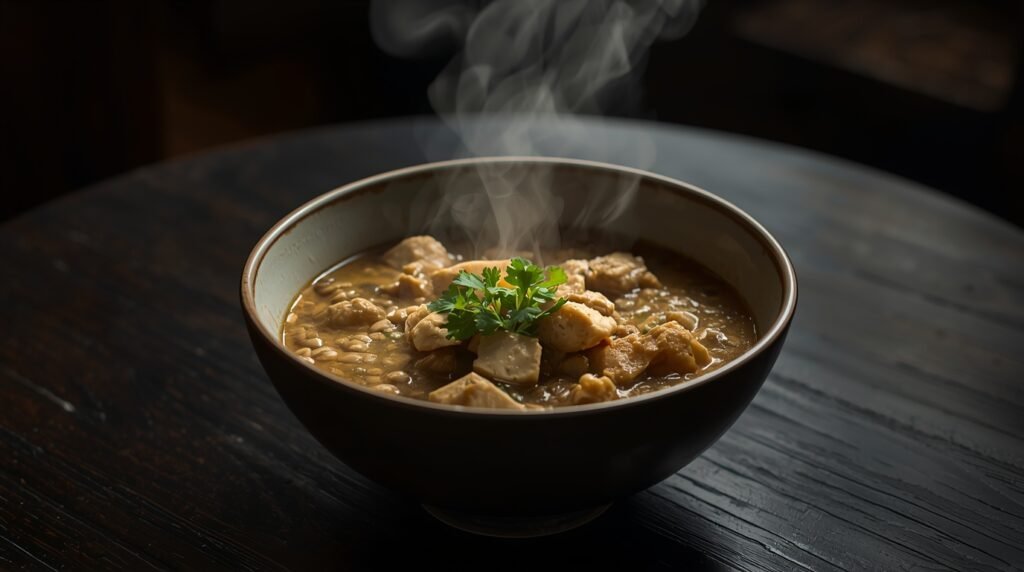
- Recipe 3: Savory High-Protein Blender Soup (Meal-Prep Gold)
- Recipe 4: Cottage Cheese Protein Spread (The TikTok Trick That’s Actually Legit)
- Blender Myths That Waste Your Gains
- Advanced Tactics Most Blogs Won’t Tell You
- Blender Selection Matters (But Not How You Think)
- Common Mistakes I Still See (Even From Pros)
- The Real Takeaway
High-Protein Recipes Using Blender: The No-Nonsense Playbook
If you’re Googling high-protein recipes using blender, I already know what went wrong. You want protein. You want speed. You don’t want another sad, chalky shake that tastes like regret. I’ve been there. I’ve tested this stuff for years, burned through cheap blenders, and learned a few truths the hard way. IMO, the blender is the most underrated protein weapon in the kitchen 🙂
Here’s the kicker: most people misuse it. They under-dose protein, over-blend junk, and wonder why results stall. Let’s fix that—fast.
Why Most High-Protein Blender Recipes Fail (And How to Fix Them)
People blame the blender. Wrong target.
The real issues:
- Protein dilution (too much liquid, not enough solids)
- Wrong protein formats (powder-only thinking)
- Texture sabotage (over-blending heat-sensitive proteins)
I learned this after turning Greek yogurt into hot foam one too many times. The fix? Think in layers, not liquids. A blender rewards structure. If you want more nerdy kitchen control, I also lean on a low-temperature cooking method mindset when I heat anything after blending.
Insider rule: If your recipe pours like juice, it won’t build muscle.
What Are High-Protein Recipes Using a Blender? (Answer Target)
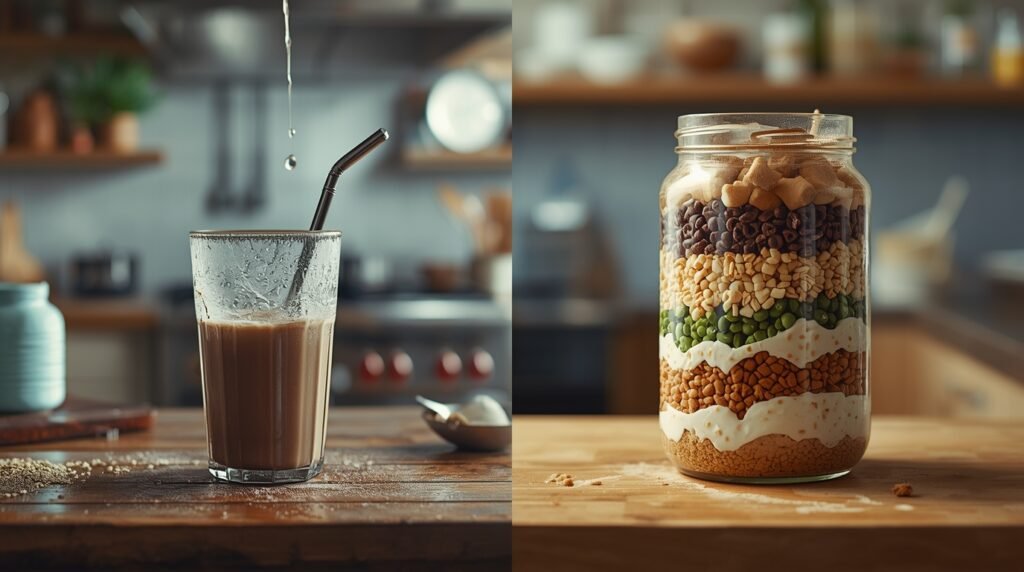
High-protein recipes using a blender are meals or snacks that deliver 20–50g of protein by blending whole protein-rich foods—not just powders—into shakes, batters, soups, or spreads. The best versions balance texture, digestibility, and amino acid density while staying fast and repeatable.
The Protein-First Blender Framework I Use
Before recipes, lock in the system. This is how I design every blend.
1) Pick a “Protein Anchor”
This does the heavy lifting.
- Greek yogurt (strained, full-fat if tolerated)
- Cottage cheese (yes, really)
- Silken tofu
- Eggs (raw pasteurized or blended into batter)
- Cooked lentils or white beans (underrated)
Anchor target: 15–25g protein minimum.
2) Add a “Texture Stabilizer”
Stops separation and foam.
- Frozen berries
- Rolled oats
- Chia or flax (small amounts)
- Cooked rice (for savory blends)
3) Finish With a “Protein Booster”
Optional, not mandatory.
- Whey isolate (neutral flavor)
- Pea protein (for savory)
- Collagen (texture > muscle)
Pro tip: I rarely exceed 1 scoop. Whole foods beat powder volume every time. If you train consistently (especially if you’re in that “strong over 40” zone), you’ll probably like these recipes for fitness after 40 too.
Recipe 1: 40g Vanilla Berry Power Shake (No Chalk, No Lies)
This one converted me from powder-only thinking.
Blend:
- 1 cup Greek yogurt
- ½ cup cottage cheese
- ¾ cup frozen mixed berries
- ½ cup unsweetened almond milk
- 1 scoop whey isolate (optional)
Why it works
- Dual dairy proteins = slower digestion
- Cottage cheese thickens without heating
- Berries control sweetness naturally
Macro reality: ~38–45g protein depending on brands. FYI, this keeps me full for hours.
Recipe 2: Blender Protein Pancake Batter (Gym-Day Staple)
Yes, the blender makes better pancakes than a bowl. Fight me.
Blend until just smooth:
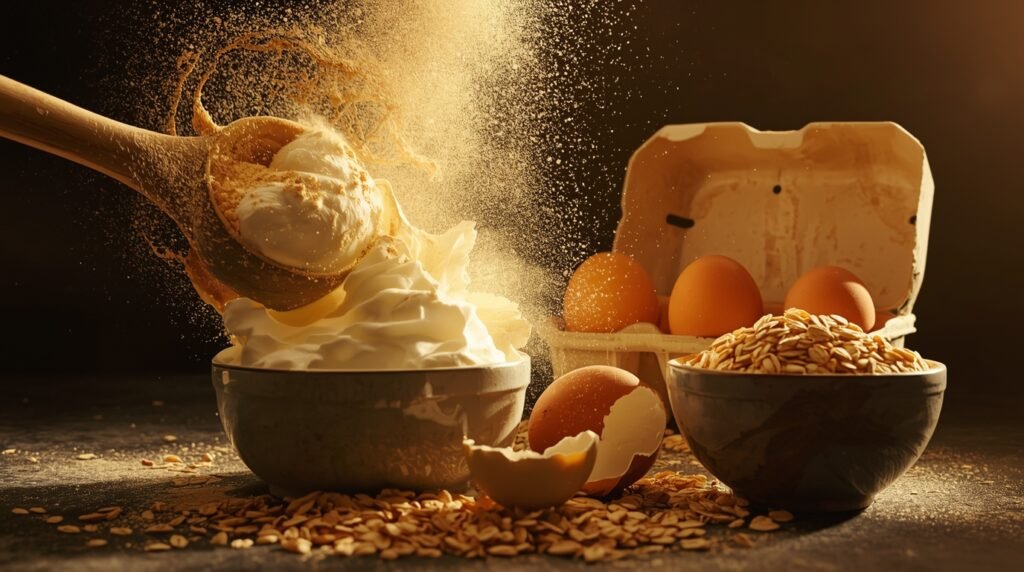
- ½ cup rolled oats
- 2 eggs
- ½ cup cottage cheese
- ½ tsp baking powder
- Pinch of salt
Cook low and slow. Overheat them and you’ll dry the protein.
Why this slaps
- Egg + dairy amino synergy
- Oats stabilize blood sugar
- No weird protein aftertaste
I batch this on Sundays. Zero shame.
Recipe 3: Savory High-Protein Blender Soup (Meal-Prep Gold)
Most people ignore savory blender recipes. Big mistake.
Blend, then heat gently:
- 1 cup cooked red lentils
- 1 cup low-sodium vegetable broth
- ½ cup silken tofu
- Garlic, cumin, black pepper
Why it works
- Lentils + tofu = complete profile
- Blending boosts digestibility
- Comfort food that actually feeds muscle
This crushes hunger without wrecking macros. If you like the “food as performance” approach, you’ll vibe with these longevity, energy and muscle functional recipes for the same reason: they keep the body fed without turning eating into a full-time job.
Recipe 4: Cottage Cheese Protein Spread (The TikTok Trick That’s Actually Legit)
I rolled my eyes at this trend—until I tried it.
Blend until whipped:
- 1 cup cottage cheese
- Olive oil drizzle
- Salt, pepper, herbs
Use it like:
- Sandwich spread
- Veggie dip
- Toast topper
Why it matters
- High protein, low sugar
- Replaces mayo quietly
- Crazy versatile
This one sneaks protein into “normal” meals 😉

Blender Myths That Waste Your Gains
Let’s clear some nonsense.
Myth 1: More blending = better
Nope. Over-blending heats proteins and ruins texture. Pulse when you can.
Myth 2: Protein powder is mandatory
False. Whole foods hit satiety harder and digest smoother.
Myth 3: Thin shakes absorb faster
Your gut isn’t a race track. Thickness often improves insulin response.
Advanced Tactics Most Blogs Won’t Tell You
Here’s the good stuff.
Use Frozen Protein Anchors
Freeze yogurt or tofu cubes. You get:
- Better texture
- Less heat
- Milkshake density without ice
Salt Your Sweet Blends
A tiny pinch boosts sweetness perception. Old chef trick, still undefeated.
Alternate Sweet & Savory Days
This improves compliance. Burnout kills consistency faster than bad macros.
Blender Selection Matters (But Not How You Think)
You don’t need a $600 blender. You need:
- Strong torque
- Wide blade base
- Pulse control
I’ve outperformed “luxury” blenders with mid-range models just by respecting load order. Liquids first, frozen last. Always.
Common Mistakes I Still See (Even From Pros)
- Skipping fat entirely (bad for hormones)
- Blending hot liquids at full speed (explosion risk, ask me how I know)
- Chasing novelty instead of repeatability
Winning blends feel boring. That’s how habits form.
The Real Takeaway
High-protein recipes using blender aren’t about hacks—they’re about structure, restraint, and repeatability. Build around whole-food protein anchors, respect texture, and stop overthinking powders. Do that, and your blender turns into a legit performance tool, not a dust-collector.
I’ll leave you with this: If your blend tastes good and keeps you full, you’ll stick with it. And consistency beats any “perfect” macro split every single time.
Products / Tools / Resources
A high-torque blender makes thick blends (yogurt, oats, frozen berries) feel effortless instead of like a motor torture test.
Shop high-power blenders built for thick protein blends
Whey isolate works best when you want a clean bump without changing texture too much (especially in berry shakes).
Find a neutral-tasting whey isolate for smoother shakes
Meal prep containers keep your batters and spreads grab-and-go, which makes the “repeatability” part actually happen.
Browse meal prep containers for portioned protein snacks
Chia or ground flax helps stabilize blends and improves texture when you want thicker shakes without extra powder.
Get texture-boosting chia or ground flax for smoother blends
Now go blend something thick—and don’t blame the blender 😄
As an Amazon Associate, I earn from qualifying purchases.





One Comment