
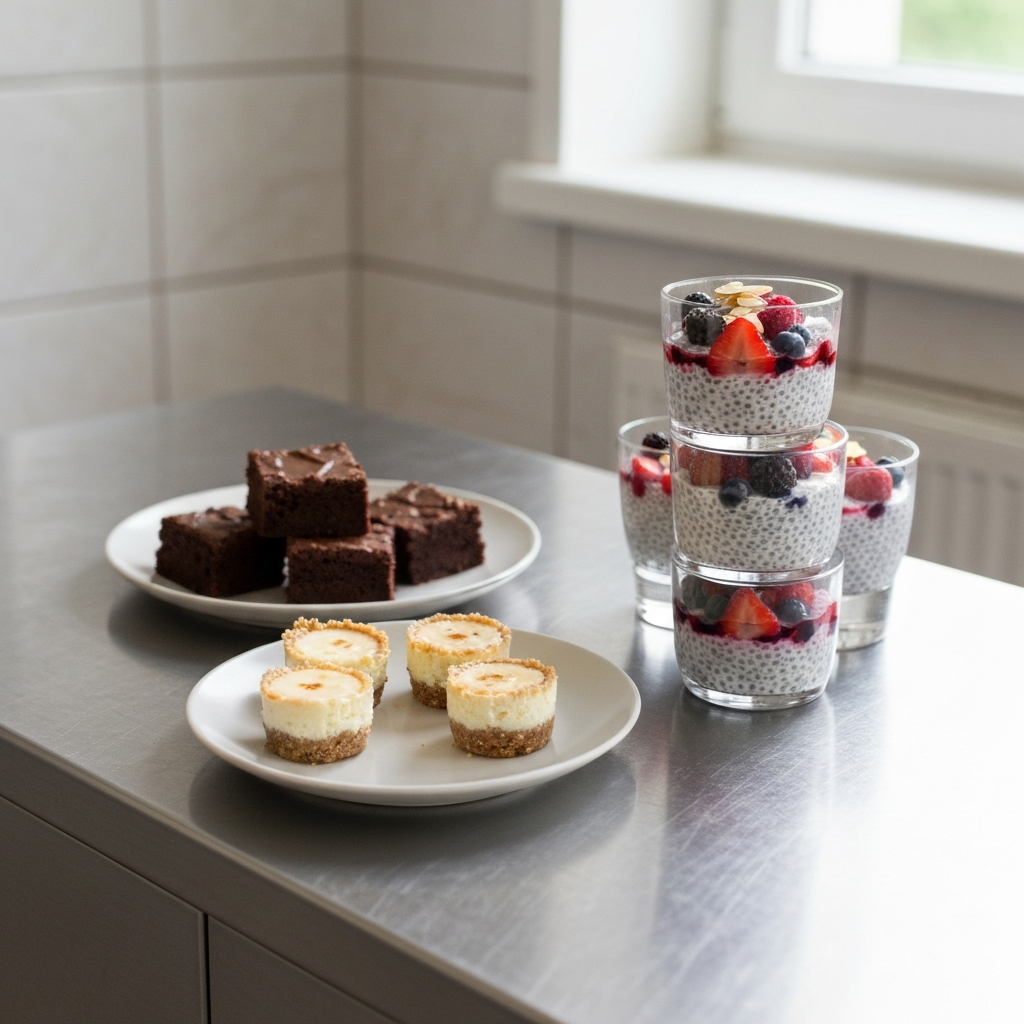
Keto Healthy Desserts: 7 Recipes That Don’t Suck
Let’s talk keto healthy desserts—the ones that don’t taste like sweetened drywall. The problem is most “keto desserts” are built by people who think swapping sugar for random powder magically creates joy.
Fast forward to your reality: you want something sweet, you want it low-carb, and you don’t want it to blow up your appetite like a fireworks show. Fair.
Here’s the truth: keto desserts only taste good when you treat them like real food engineering—texture, sweetness curve, fat balance, and bake chemistry. Ignore that, and you get sad, gritty muffins that crumble like your motivation on day 12.
Table of Contents
- Why most keto desserts taste terrible
- The ingredient rules that make or break flavor
- Keto dessert ideas that actually deliver
- Macros without lying to yourself
- How to avoid craving-trigger desserts
- Troubleshooting: fix grit, dryness, and weird aftertaste
- Frequently Asked Questions
- Final takeaway
Why most keto desserts taste terrible
Keto desserts fail for three boring reasons: bad sweeteners, wrong flour behavior, and people underestimating fat’s job.
If you’ve ever bitten into a “keto cookie” that felt like sand glued together with hope, you’ve experienced it.
Snippet answer: Keto & low-carb desserts taste good when you use the right sweetener (no harsh aftertaste), a flour blend that holds moisture, and enough fat to carry flavor. Keep sweetness moderate, don’t overbake, and pick dessert styles that naturally work low-carb (cheesecake, mousse, chia pudding).
And yeah—some “keto” products also play label games. If you want a deeper cheat-code list of desserts that won’t wreck you, bookmark this internal guide on healthy desserts that avoid the sugar crash.
Bottom line: if your dessert tastes like a science fair, it’s not because keto is hard. It’s because the recipe is bad.
The ingredient rules that make or break flavor
Think of this like building a reliable system. You don’t “wing it” with random parts and then act shocked when it fails under load.
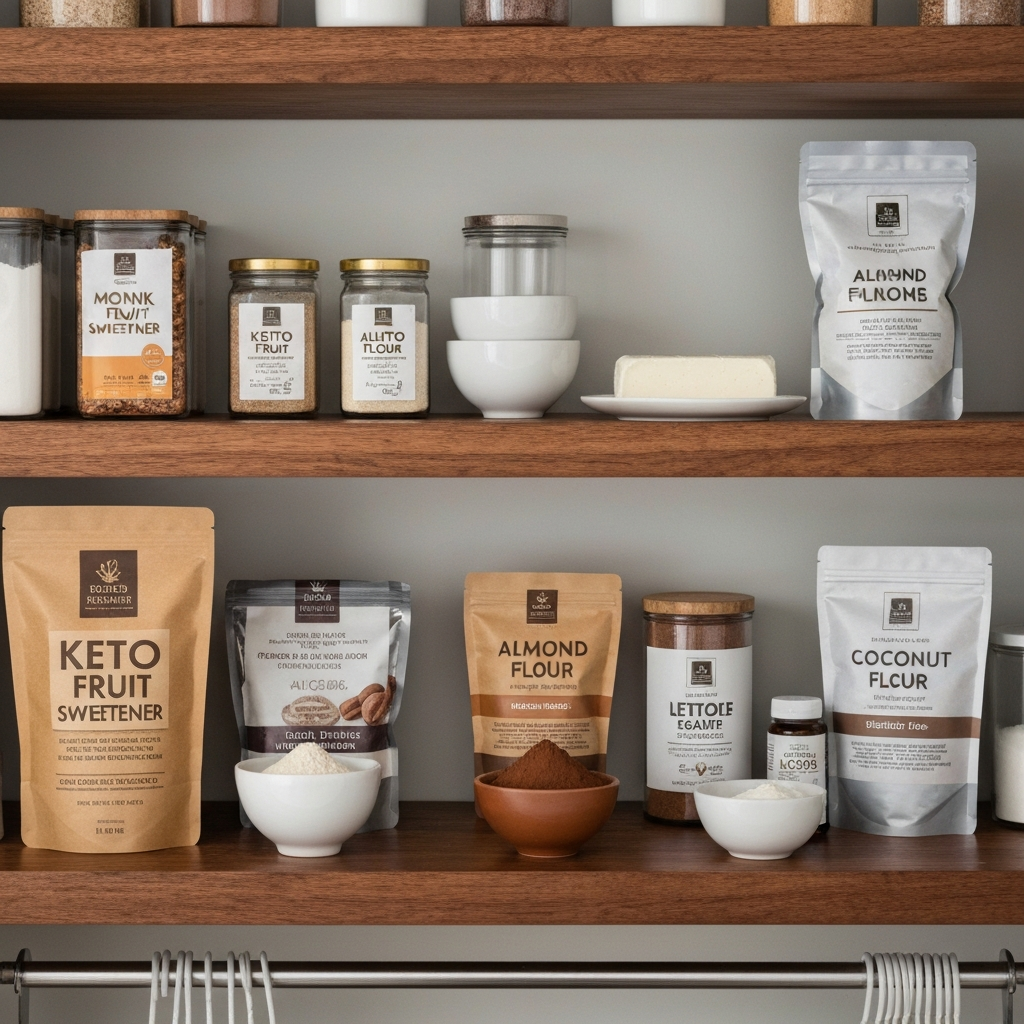
Rule #1: Pick sweeteners that behave like food
Avoid maltitol. It’s common in “sugar-free” candy, and it can spike blood sugar more than people expect (plus… stomach drama). If you need a refresher on sugar alcohols, start with the basics and definitions here: Sugar alcohol (Wikipedia).
Better options:
- Allulose for soft texture and browning (closest to sugar behavior). Technical background: Allulose (Wikipedia).
- Monk fruit + erythritol blends for a clean sweetness (but watch the “cooling” effect from erythritol).
- Stevia only if you like it—some brands taste bitter because they’re poorly formulated.
Rule #2: Stop treating almond flour like wheat flour
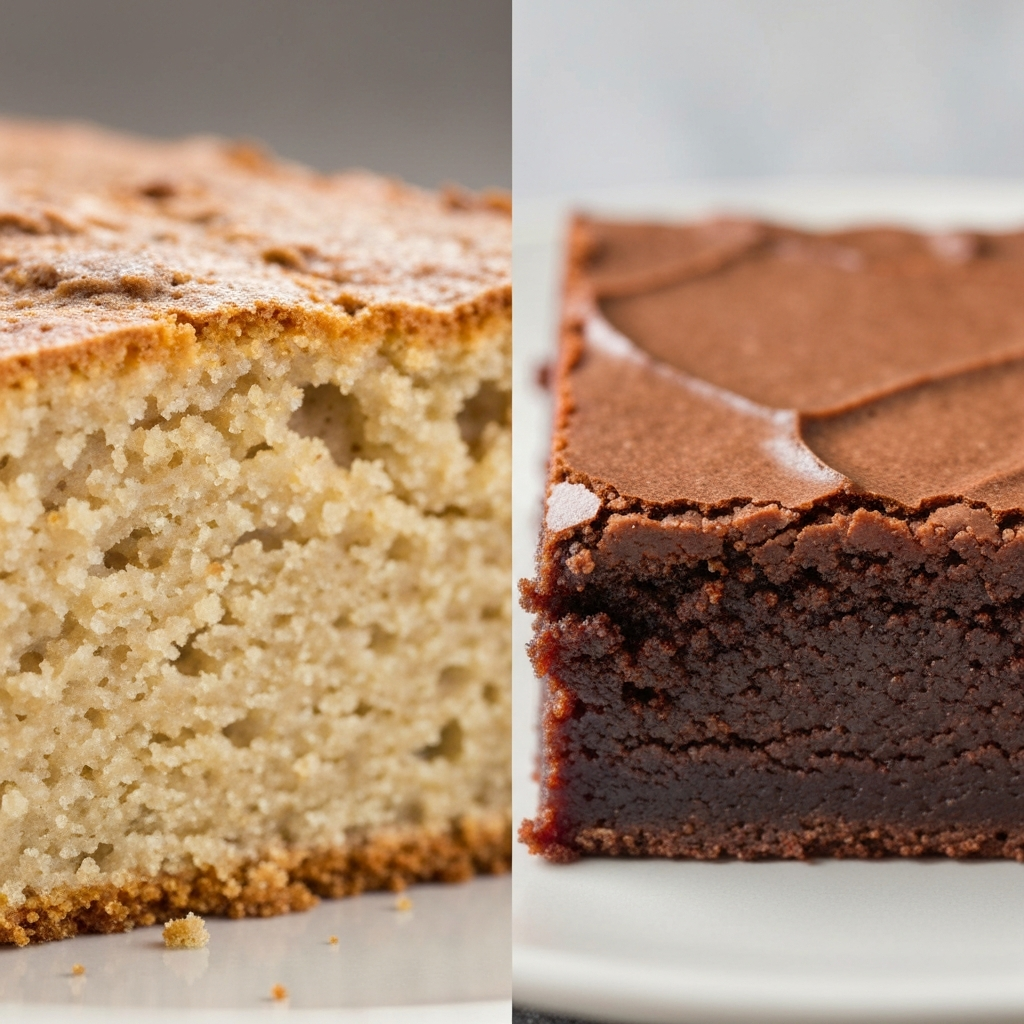
Almond flour is high-fat, low-starch. Wheat flour is basically starch and structure. If you swap 1:1, you’ll get a crumbly mess or a greasy brick.
Here’s the truth: great keto baking usually needs structure helpers—eggs, dairy, gelatin/collagen, or a tiny bit of xanthan gum.
Rule #3: Fat isn’t optional—it’s the flavor engine
You’re removing sugar. Cool. Sugar is a flavor amplifier and texture stabilizer. If you don’t replace that job with fat (and a little salt), your dessert tastes flat.
Use:
- Butter for richness and aroma
- Heavy cream for mouthfeel
- Cream cheese for tang and density
- Cacao + vanilla + espresso powder for depth (because “sweet” alone is boring)
And if you’re the type who wants dessert without the mental tug-of-war afterward, this guide on healthy desserts that don’t trigger cravings is worth your time.
Keto dessert ideas that actually deliver
I’m not going to hand you 27 sad mug cakes and call it a day. These are styles that naturally work low-carb because they rely on fat, dairy, and texture—not sugar scaffolding.
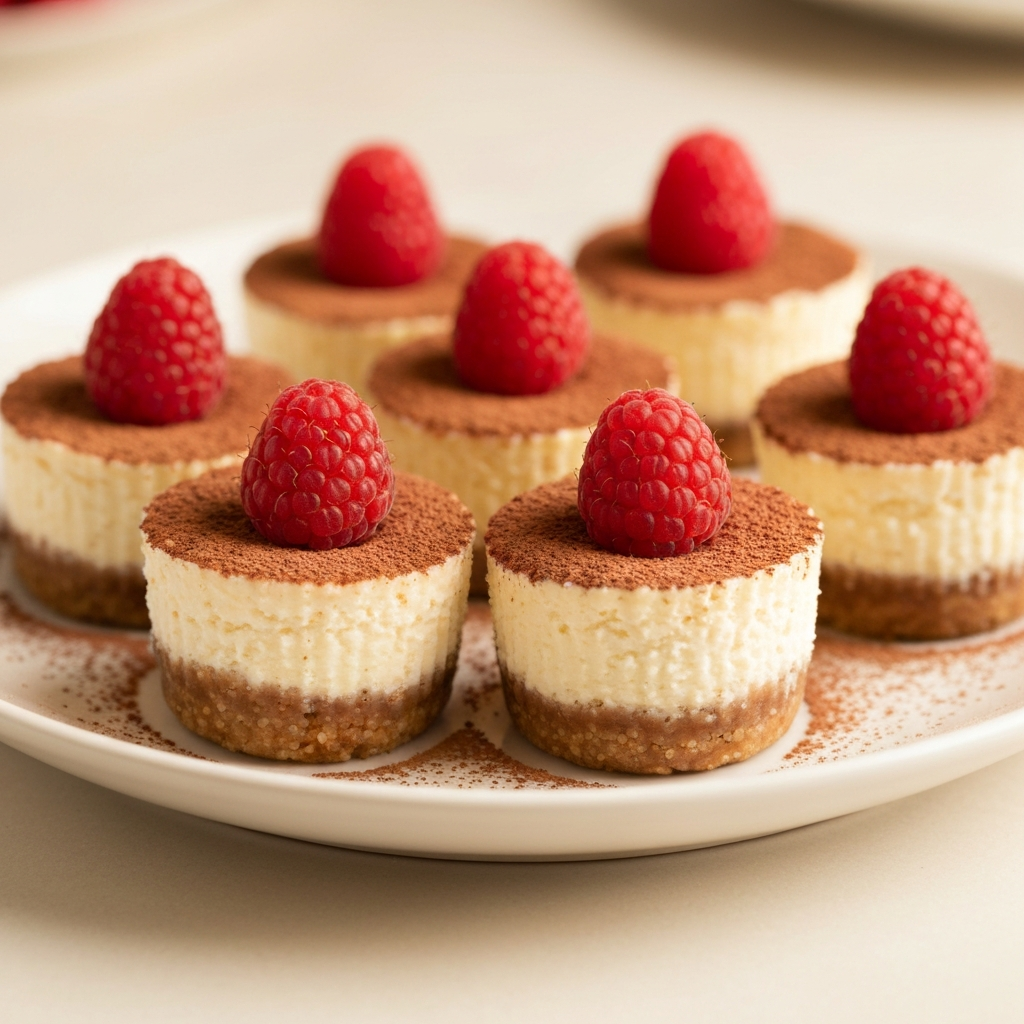
1) Cheesecake bites (the “I want real dessert” option)
Why it works: cream cheese does the heavy lifting. Sweetener just nudges it.
- Base: cream cheese + sour cream + eggs + vanilla
- Sweetener: allulose or monk fruit blend
- Crust: almond flour + butter + pinch of salt (or skip crust entirely)
2) Chocolate avocado mousse (yes, really)
People mess this up by under-salting it. Add salt. Add vanilla. Add cacao that tastes like chocolate and not regret.
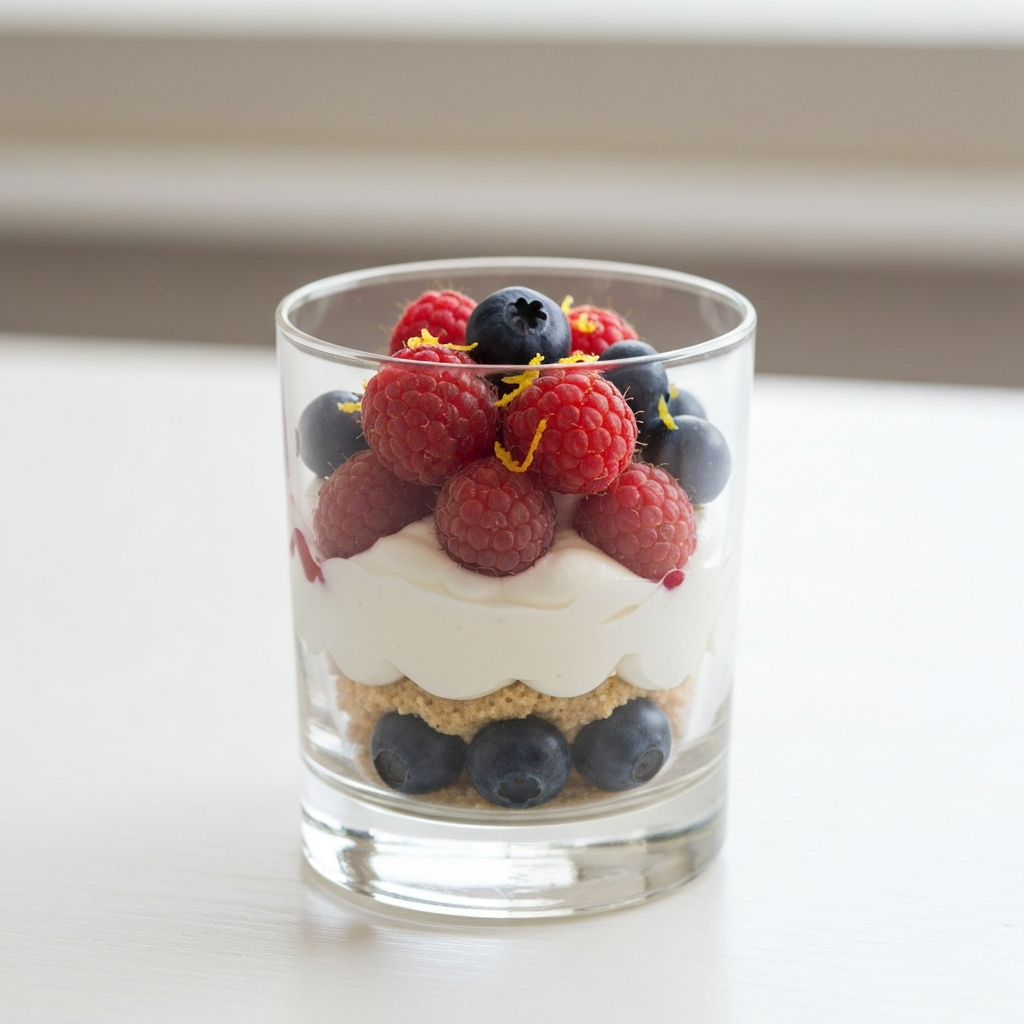
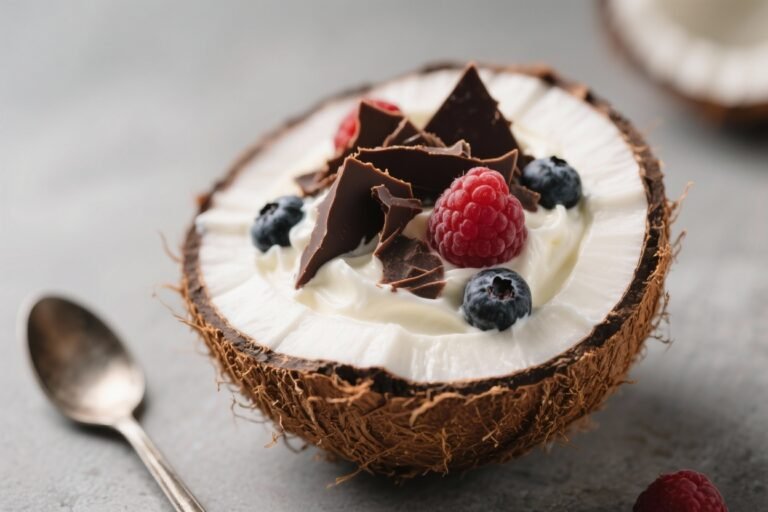
3) Berry + whipped cream bowl (the “don’t overthink it” move)
Pick berries that fit your carb budget. The USDA has a straightforward resource for food data if you want to sanity-check carbs: USDA FoodData Central.
Insider tip: add lemon zest and a tiny pinch of salt to whipped cream. It tastes “bakery,” not “diet.”
4) Chia pudding (the high-satiety option)
Chia pudding isn’t trying to be cake. That’s why it succeeds. Use unsweetened almond milk or coconut milk, vanilla, cinnamon, and a modest sweetener dose.
It’s also “cravings-safe” for a lot of people because it’s slower, thicker, and more filling than airy baked goods.
5) Almond flour brownies (fudgy, not cakey)
Here’s where most recipes faceplant: they chase “cakey brownie” vibes. Don’t. Fudgy brownies are more forgiving with keto flours.
- Use melted butter, not just oil
- Add espresso powder for depth
- Pull them early; let them set while cooling
6) Coconut macaroons (minimal-ingredient win)
Unsweetened shredded coconut + egg whites + sweetener + vanilla. That’s basically it. If they’re dry, you baked too long.
7) Frozen “fat bombs” that aren’t gross
Most fat bombs suck because they’re overly sweet and weirdly oily. Make them simple: cream cheese + cacao + peanut butter + salt. Freeze in silicone molds.
Macros without lying to yourself
Let’s be adults. “Keto” doesn’t mean “unlimited.” It means you manage carbs tightly and keep protein and fats aligned with your goals.
Net carbs usually means total carbs minus fiber (and sometimes sugar alcohols, depending on the type). This is where companies get “creative.” If you want the official FDA labeling context, start here: FDA: How to Understand the Nutrition Facts Label.
Practical macro rule for desserts: keep it to one serving, make it fat-forward, and avoid stacking sweeteners + “keto” snacks in the same day. The body notices.
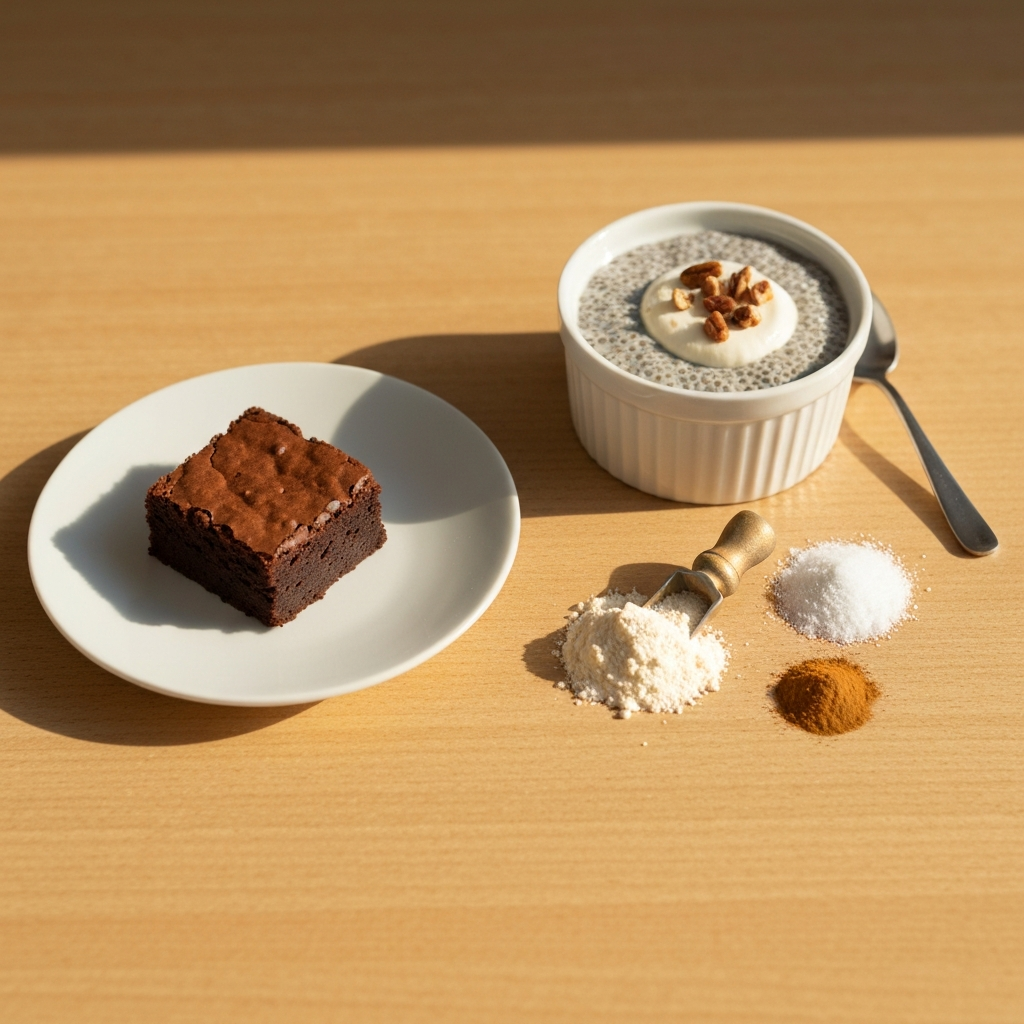
And yes, you can keep this “healthy dessert” lane even if you’re not strict keto. That’s the whole point: better ingredients, less blood sugar chaos, and more control.
How to avoid craving-trigger desserts
Some keto desserts still light up cravings because sweet taste is a behavior trigger, not just a carb trigger.
So if you’re trying to stay steady:
- Keep sweetness lower than what you’re used to. Your palate adapts faster than your brain complains.
- Prefer spoon desserts (chia pudding, mousse, yogurt bowls) over baked goods. Baked goods feel “snackable.” That’s dangerous.
- Add protein nearby (Greek yogurt base, collagen in hot cocoa, etc.) so dessert doesn’t become a sugar-replacement binge ritual.
One more time: the best keto dessert is the one that ends the craving, not the one that keeps you circling the kitchen like a raccoon with a Wi-Fi addiction.
Troubleshooting: fix grit, dryness, and weird aftertaste
If your keto desserts “almost” taste good but still annoy you, it’s usually one of these.
Problem: gritty texture
- Use powdered sweetener for frostings/mousse.
- Let batters rest 5–10 minutes so coconut flour hydrates.
- Buy fine-grind almond flour, not coarse meal.
Problem: dry and crumbly
- Add moisture: sour cream, Greek yogurt, cream cheese.
- Reduce bake time. Keto bakes set as they cool.
- Use an extra egg yolk for richness and binding.
Problem: chemical or bitter aftertaste
- Try a different brand/blend (stevia varies wildly).
- Add salt and vanilla like you mean it.
- Use allulose for baked goods that need browning and softness.
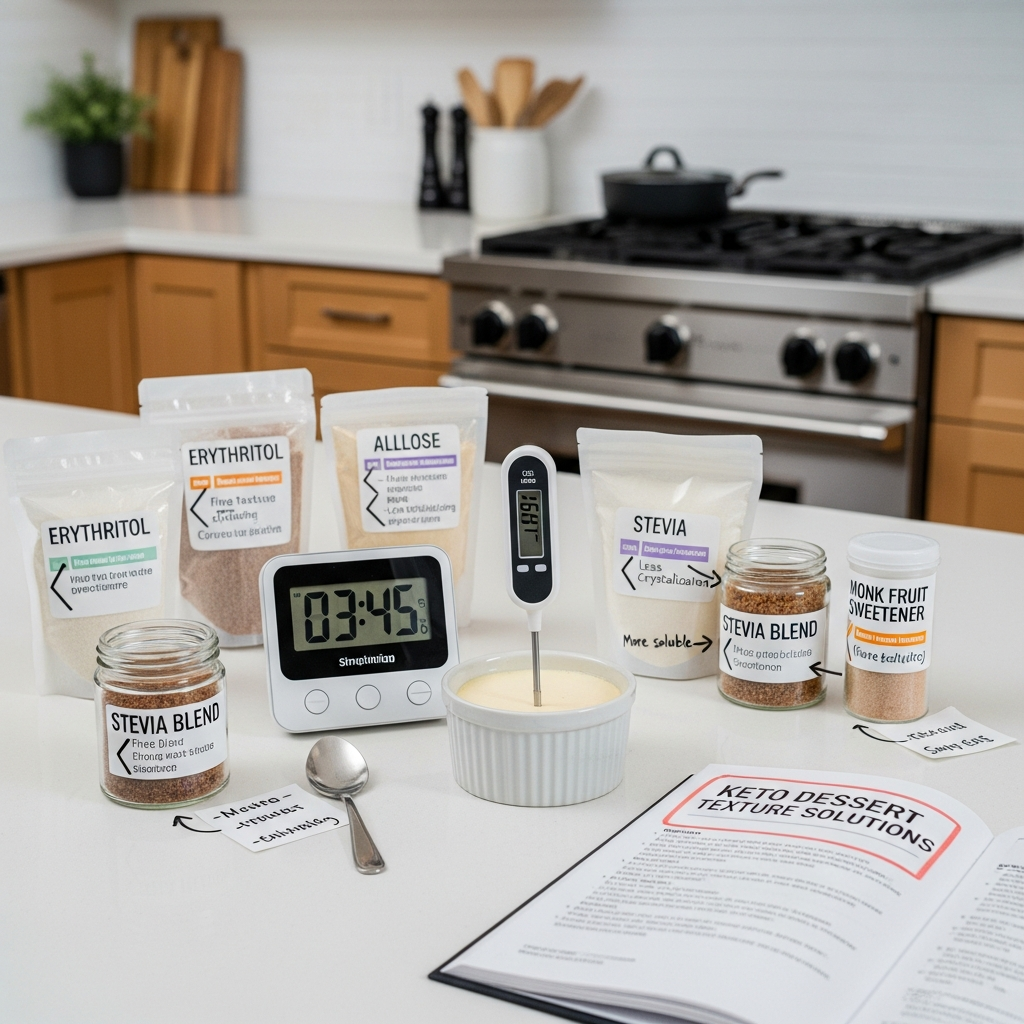
Bottom line: stop blaming keto. Start blaming the recipe. Then fix the variables like a competent adult with a whisk.
Frequently Asked Questions
Why do keto desserts cause stomach issues for some people?
Sugar alcohols can be the culprit—especially maltitol, and sometimes large amounts of erythritol blends. Start with smaller portions, avoid maltitol, and consider allulose or monk fruit blends if you’re sensitive.
What sweetener tastes closest to real sugar in keto baking?
Allulose often comes closest for browning and soft texture. Monk fruit + erythritol blends can be great too, but some people detect a cooling effect from erythritol.
How do I stop keto desserts from turning out dry and crumbly?
Add moisture (cream, sour cream, Greek yogurt), use eggs strategically, and avoid overbaking. Keto bakes keep cooking while they cool, so pull them early and let them set.
Can keto desserts trigger cravings even if they’re low-carb?
Yes. Sweet taste can reinforce the habit loop. If cravings spike, use less sweet desserts (berries + cream) and keep portions tight. The goal is satisfaction, not chasing candy-level intensity.
Are “keto” packaged desserts worth buying?
Sometimes, but read labels like a skeptic. Watch for maltitol, hidden starches, and “fiber math” that looks better than it behaves. Homemade usually wins on taste; packaged wins on convenience.
Final takeaway
Here’s the truth: the best keto healthy desserts aren’t “fake sugar + fake flour” projects. They’re desserts that lean into what low-carb does well—fat, dairy, rich chocolate, spoonable textures, and sane sweetness.
If you want a simple operating system: pick one dessert style from this list, use a sweetener you tolerate, don’t overbake, and keep portions honest.
Now go make something that tastes like dessert—because life’s too short for crumbly keto sadness. I’ll be over here, aggressively salting my whipped cream like it’s a personality trait.
As an Amazon Associate, I earn from qualifying purchases.




One Comment