

Kids Meals With Allergy-Aware Formulation: What Actually Works (and What’s Pure Noise)
Table of Contents
- Kids Meals With Allergy-Aware Formulation: What Actually Works (and What’s Pure Noise)
- Why Most “Allergy-Friendly” Kids Meals Miss the Mark
- What Does “Allergy-Aware Formulation” Really Mean?
- The Big 8 Allergens—and Why Kids Meals Need a Wider Lens
- Insider Rule #1: Start With Naturally Safe Foods (Not Substitutes)
- Cross-Contact: The Silent Dealbreaker Parents Miss
- Nutrition Reality Check: Allergy-Safe ≠ Nutrient-Safe
- Texture and Taste: Where Most Parents Lose the Battle
- School-Safe Meals: The Hidden Compliance Layer
- DIY vs Store-Bought: My Honest Verdict
- Under-the-Radar Formulation Tactics Pros Use
- Red Flags I Never Ignore
- Quick Framework: Building Kids Meals With Allergy-Aware Formulation
- Final Take (From Someone Who’s Done This the Hard Way)
Kids meals with allergy-aware formulation sound great on paper—until you’re the one reading microscopic labels at 7 a.m., coffee in hand, wondering why “may contain traces of everything” even exists. I’ve been there. Parents feel overwhelmed, kids feel restricted, and brands love slapping “allergy-friendly” on boxes that barely qualify. This guide cuts through the nonsense, calls out the myths, and shows you how pros actually build meals that work in the real world—without turning dinner into a chemistry exam.
Why Most “Allergy-Friendly” Kids Meals Miss the Mark
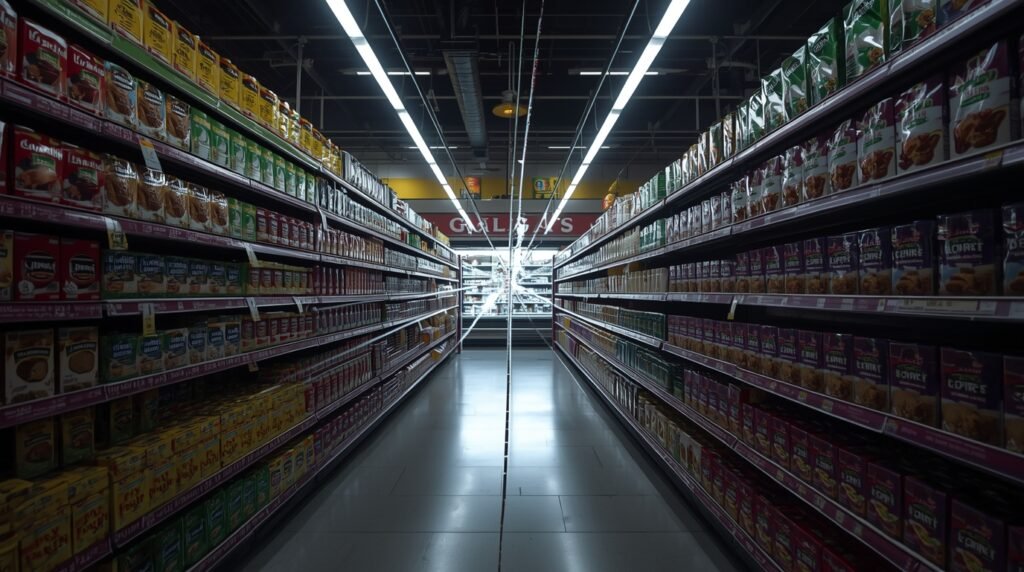
Let me be blunt: most products optimize for marketing, not safety or nutrition. They remove one allergen, replace it with ultra-processed fillers, and call it a win. Parents assume “free-from” equals healthy. It doesn’t. IMO, that shortcut causes more issues than it solves 🙂
Here’s what actually goes wrong:
- Single-allergen thinking: Brands drop peanuts but ignore dairy, eggs, or soy cross-contact.
- Label gymnastics: “Made in a facility that also processes…” basically means “good luck.”
- Nutrition trade-offs: Protein and micronutrients disappear once allergens leave the building.
Key takeaway: Allergy-aware formulation demands systems thinking, not checkbox compliance.
What Does “Allergy-Aware Formulation” Really Mean?

What is allergy-aware formulation in kids meals?
Allergy-aware formulation means designing kids meals from the ground up to minimize allergen exposure, reduce cross-contact risk, and maintain nutritional adequacy—without relying on ultra-processed substitutes. It accounts for multiple common allergens, sourcing transparency, preparation controls, and realistic kid acceptance.
That’s the grown-up definition. Everything else is branding.
The Big 8 Allergens—and Why Kids Meals Need a Wider Lens
Everyone knows the Big 8: milk, eggs, peanuts, tree nuts, soy, wheat, fish, shellfish. Smart formulation treats them as a starting point, not the finish line.
Advanced operators also watch:
- Sesame (now a major trigger in schools)
- Corn (sneaky, everywhere, and disruptive)
- Legumes (pea protein causes issues for some kids)
- Oats (cross-contaminated unless certified)
Bold truth: If a meal only avoids one allergen, it’s not allergy-aware—it’s allergy-adjacent.
Insider Rule #1: Start With Naturally Safe Foods (Not Substitutes)
Here’s a hill I’ll die on: whole, naturally allergen-light foods beat engineered replacements every time.
I see too many meals built like this:
Remove dairy → add gums, oils, and starches → texture improves, nutrition tanks.
Instead, pros anchor meals around:
- Rice, quinoa, millet
- Fresh vegetables (squash, carrots, zucchini)
- Simple proteins like turkey, chicken, lentils (carefully vetted)
- Healthy fats from olive or avocado oil
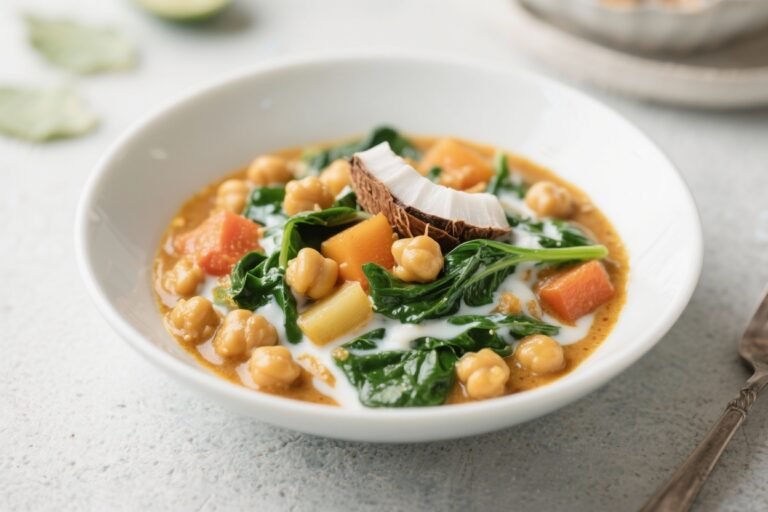
Why this works: fewer ingredients = fewer failure points = easier traceability. If you want more “real-life” meal patterns that keep things simple without feeling restrictive, I’d borrow a few moves from plant-forward healthy meals and adapt them to your kid’s allergen profile.
Quick tool pick (for safer prep)
Dedicated color-coded cutting board set helps you separate allergen and non-allergen prep without relying on memory (or luck).
See color-coded cutting board sets on Amazon
Cross-Contact: The Silent Dealbreaker Parents Miss
Most reactions don’t come from ingredients. They come from process failure. This part gets ignored because it’s unsexy, but it matters most.
Real allergy-aware formulation includes:
- Dedicated prep zones or days
- Supplier allergen affidavits (not just labels)
- Sanitation validation, not vibes
- Batch-level documentation
If a brand can’t explain its cross-contact controls in plain language, walk away. When you need a “default dinner plan” that reduces chaos, I like borrowing the structure from modern healthy family meals—then I apply strict ingredient and prep controls for allergy safety.
Simple upgrade that reduces cross-contact
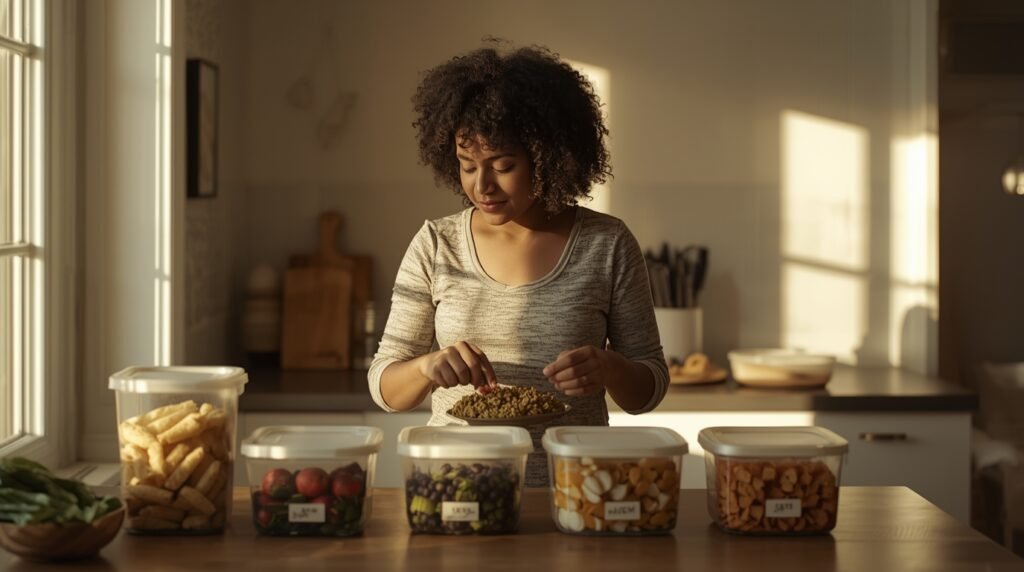
Digital food scale + labeled storage containers makes batching and portioning consistent (and helps you avoid mystery leftovers).
Browse digital food scales on Amazon Browse meal prep containers on Amazon

Nutrition Reality Check: Allergy-Safe ≠ Nutrient-Safe
Removing allergens often removes:
- Calcium
- Vitamin D
- Complete proteins
- B vitamins
Kids still need to grow, allergies or not. Smart meals rebuild nutrition intentionally.
I look for:
- Calcium from fortified rice beverages or greens
- Protein blending (grain + legume, where tolerated)
- Iron + vitamin C pairing for absorption
- Omega-3s from flax or chia (fine-milled)
Bold this in your brain: safety without nutrition equals slow-motion failure. If you want a practical pool of meal ideas that stay “kid-first” while you tweak for allergies, you’ll get a lot of mileage from Easy, nutritious and kid-approved recipes—then you swap ingredients strategically instead of playing whack-a-mole.
Texture and Taste: Where Most Parents Lose the Battle
Let’s be honest—kids don’t care about formulation philosophy. They care if it tastes weird.
Advanced trick: texture matters more than flavor.
Winning moves:
- Mash + crisp combos (soft base, crunchy top)
- Familiar shapes (nuggets, patties, mini bowls)
- Mild seasoning, zero bitterness
- Consistent mouthfeel (no gritty protein powders)
FYI, kids reject meals for texture long before flavor. Fix that first 😉
Texture helper (especially for patties & nuggets)
Silicone baking mat helps you get crisp edges with less sticking (and less cleanup drama).
See silicone baking mats on Amazon

School-Safe Meals: The Hidden Compliance Layer
A meal can work at home and fail at school. Schools add another filter:
- No peanuts or tree nuts (even if the kid tolerates them)
- Limited heating options
- Long hold times in lunch boxes
School-proof allergy-aware meals usually feature:
- Shelf-stable or thermos-friendly formats
- No aerosolized allergens
- Minimal odor (fish = instant social exile)
If a brand ignores school realities, it ignores real life.
School lunch upgrade
Food thermos for kids keeps safe meals hot for hours, so you don’t rely on school microwaves (or sad cold pasta).
Shop kids food thermoses on Amazon
DIY vs Store-Bought: My Honest Verdict
I’ll keep this tight and opinionated.
DIY Pros
- Full control
- Lowest cross-contact risk (if you’re disciplined)
- Better nutrition per dollar
DIY Cons
- Time cost is brutal
- Ingredient sourcing fatigue
- Inconsistent kid acceptance
Store-Bought Pros
- Convenience
- Consistency
- Easier school compliance
Store-Bought Cons
- Label opacity
- Nutrient dilution
- Marketing nonsense
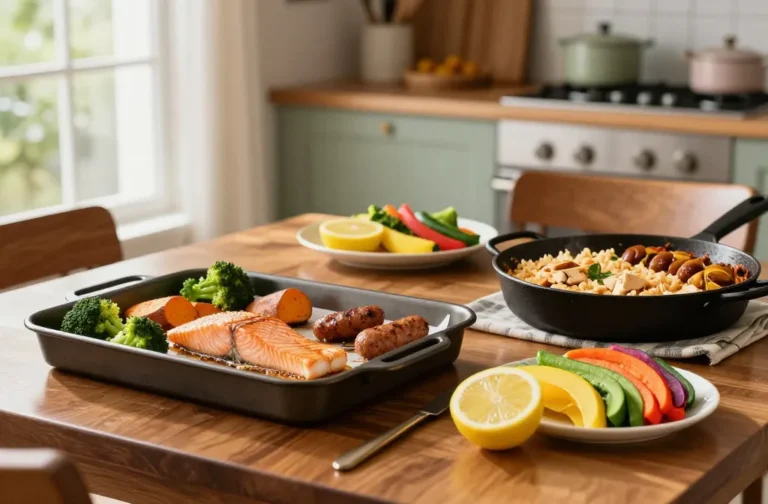
My call: Use hybrid strategy. Batch-cook safe bases at home, pair with vetted packaged sides.

Under-the-Radar Formulation Tactics Pros Use
This is the stuff most blogs skip.
- Ingredient rotation to reduce sensitivity buildup
- Seasonal menus to avoid overexposure
- Simple flavor anchors (tomato, olive oil, garlic-infused oil)
- Modular meals (base + add-ins per child)
Bold insight: variety protects tolerance better than restriction alone.
Red Flags I Never Ignore
If you remember nothing else, remember this list:
- “May contain” everywhere
- No third-party allergen testing
- Ingredient lists longer than the recipe
- Buzzwords with zero process detail
- Protein from mystery isolates
When I see these, I don’t negotiate. I move on.
Quick Framework: Building Kids Meals With Allergy-Aware Formulation
Use this mental checklist:
- Start with naturally safe foods
- Limit ingredients ruthlessly
- Control cross-contact
- Rebuild nutrition on purpose
- Optimize texture before flavor
- Test for school reality
- Rotate, don’t repeat endlessly
That framework saves time, money, and meltdowns.
Final Take (From Someone Who’s Done This the Hard Way)
Kids meals with allergy-aware formulation succeed when safety, nutrition, and kid psychology align. Miss one, and the whole system collapses. The shortcut culture won’t help you. Clear processes will.
Build meals like a pro, not a marketer. Your kid’s body—and your sanity—will thank you.
Now go feed someone small without stressing. I’m rooting for you 😄
Products / Tools / Resources: If you want to make this whole workflow easier (and safer), I keep these in heavy rotation because they reduce cross-contact mistakes and simplify lunch logistics without getting all “sales pitchy.”
- Color-coded cutting boards — simple separation system that saves you from “wait… which board did I use?” moments.
- Meal prep containers — consistent portions, cleaner storage, fewer mystery meals in the fridge.
- Kids food thermos — makes school lunches predictable even when the cafeteria setup isn’t.
- Digital food scale — helps batching and portioning stay consistent when you rotate ingredients.
- Silicone baking mat — improves texture (aka kid buy-in) and reduces sticking cleanup.
As an Amazon Associate, I earn from qualifying purchases.



One Comment