
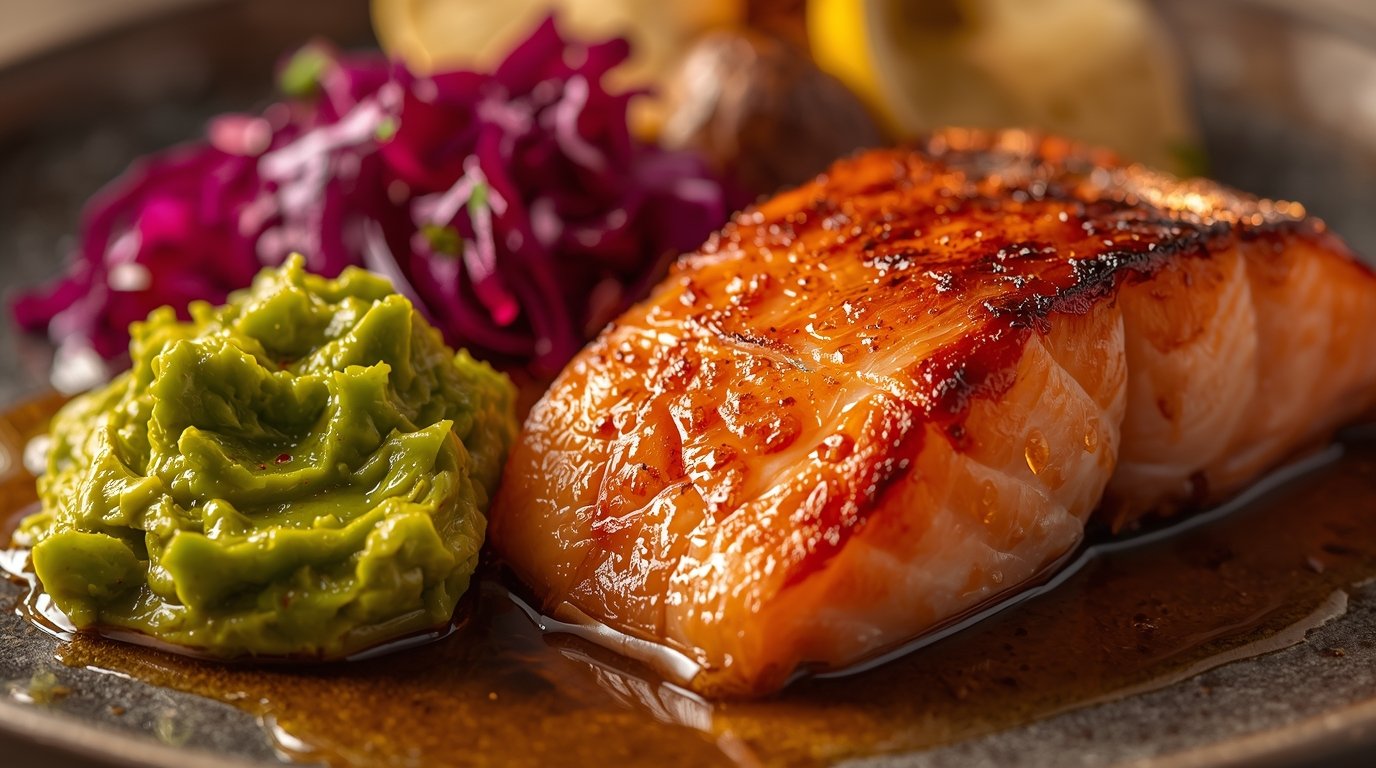
Lifestyle Nutrition and Longevity-Focused Meals 101
Let’s be real for a second. You are exhausted.
You’re tired of the noise. You are tired of influencers telling you to eat raw liver on Tuesday and go vegan by Thursday. You’re tired of yo-yo diets that demand you live on cabbage soup or weigh every gram of almond flour like you’re dealing contraband in a 1980s Miami nightclub.
You want a strategy that sticks. You want Lifestyle Nutrition and Longevity-Focused Meals that don’t just help you fit into your jeans for a wedding next month, but actually keep you hiking, thinking, and thriving well into your 90s.
Here is the brutal truth: Most “health” advice is marketing garbage wrapped in a pretty Instagram filter. It fixes a short-term problem (weight) by creating a long-term disaster (metabolic damage, muscle loss, and hormonal imbalance).
You don’t need another diet. You need a restructuring of your relationship with fuel.
I’ve spent over a decade in this industry, advising executives, athletes, and people who just want to see their grandkids grow up. I’ve watched trends burn out faster than a cheap candle. This guide isn’t about a “hack.” It’s about the science of healthspan—making sure your body doesn’t expire before your life does. We are going to break down exactly how to eat for longevity without hating your life.
Grab a coffee (black, preferably). Let’s get into the deep end.
Table of Contents
1. The 101: What Actually Is Lifestyle Nutrition?
Before we start throwing avocados at the problem, we need to define our terms. If you ask ten experts what “healthy eating” is, you’ll get twelve different answers. But when we look at longevity science—the actual data from centenarians and clinical trials—the picture is surprisingly consistent.
What is Lifestyle Nutrition?
The Definition: Lifestyle Nutrition is the consistent, non-restrictive application of dietary habits that prioritize metabolic flexibility, cellular repair, and inflammation reduction over calorie counting. Unlike short-term dieting, it is designed for sustainability and long-term “Healthspan” extension.
Lifestyle Nutrition and Longevity-Focused Meals differ from “diets” in one major way: Intent.
- Diets are about subtraction (don’t eat this, remove that) to manipulate scale weight.
- Lifestyle Nutrition is about addition (add fiber, add nutrients, add timing) to manipulate cellular aging.
The History: From Calories to Chemicals
In the 1990s, we thought the body was a simple combustion engine. “Calories In, Calories Out” (CICO) was the god we worshipped. If you were fat, you were just “fueling too much.”
We were wrong.
While thermodynamics matters, the human body is a chemistry lab, not a calculator. 100 calories of broccoli affects your hormones differently than 100 calories of soda. One builds structure; the other triggers insulin resistance. Longevity nutrition focuses on the signaling properties of food. What instructions is this meal giving your DNA?
The Blue Zone Reality Check
You’ve probably heard of the Blue Zones—those magical places like Okinawa (Japan), Sardinia (Italy), or Ikaria (Greece), where people regularly live to 100. I love looking at Blue Zones, but we have to be careful with the “copy-paste” mentality.
You can’t just eat purple sweet potatoes and expect to live forever if you also sit in a cubicle for 12 hours a day, stare at blue light all night, and stress about taxes. Blue Zone nutrition works because it is integrated into their lives. They don’t meal prep on Sundays. They don’t track macros. They just eat real food that grows near them.
Our goal here is to engineer that “natural” health in a modern, chaotic, sedentary world.
Pro Tip: Don’t try to replicate a specific culture’s diet perfectly. Your genetics and microbiome might not agree with a 100% Japanese diet if you grew up on meat and potatoes in the Midwest. Adapt the principles, not the recipes.
“Adapting Blue Zone Principles for Western Lifestyles”
2. The Strategic Why: Beyond “Looking Good Naked”
Why should you care about longevity nutrition right now? You might be 30, 40, or 50. Death feels far away. But here is the kicker: Aging starts at the cellular level decades before you see the wrinkles.
The Science of “Healthspan”
We need to shift your focus from Lifespan (total years alive) to Healthspan (years spent in good health, free from disability). Modern medicine is great at keeping sick people alive. It is terrible at keeping healthy people healthy. I don’t know about you, but I don’t want to spend my last 15 years in a nursing home bed. I want to be the 85-year-old skiing fast.

The Four Horsemen of Aging
When I build a meal plan for longevity, I am trying to fight four specific biological enemies. If your meal doesn’t address these, it’s not a longevity meal.
1. Chronic Inflammation (The Silent Killer)
Think of this as a slow-burning fire inside your body. Acute inflammation is good (it heals a cut). Chronic inflammation—caused by sugar, processed seed oils, and stress—damages arteries, joints, and brain tissue. It is the root cause of heart disease and Alzheimer’s.
2. Insulin Resistance
If your cells stop listening to insulin, your blood sugar stays high, and your body turns into a fat-storage machine. This is the fast track to Type 2 Diabetes. Longevity meals are designed to keep insulin quiet.
3. Nutrient Deficiency (Hidden Hunger)
You can be obese and malnourished at the same time. If you eat high-calorie, low-nutrient food, your cells are starving for magnesium, zinc, and B-vitamins. This “hidden hunger” drives overeating because your brain keeps signaling for food, hoping to finally get some nutrients.
4. mTOR vs. Autophagy (The Growth Switch)
This is technical, but stick with me because it’s the holy grail of anti-aging.
- mTOR is a growth pathway. It builds muscle and new cells. This is good when you are young or recovering from a workout.
- Autophagy is the cellular cleanup crew. It recycles old, damaged junk parts of the cell. This is anti-aging.
The Problem: mTOR and Autophagy cannot happen at the same time. If you are eating constantly (grazing), mTOR is always “on,” and you never clean up the junk. Lifestyle Nutrition balances these two states.
3. Step-by-Step Execution: Building Your Longevity Plate
Alright, theory class is over. Let’s get practical. How do you actually build Lifestyle Nutrition and Longevity-Focused Meals on a Tuesday night when you’re tired, the kids are screaming, and the pizza app is looking tempting?
I’ve broken this down into a modular system. Treat this like building blocks.
Step 1: The Foundation (Vegetables & Fiber)
Most people put the meat on the plate first. Stop doing that. The center of a longevity meal is fiber.
- The Rule: Half your plate (or bowl) must be vegetables.
- The Why: Fiber feeds your gut microbiome. A happy gut produces short-chain fatty acids (SCFAs) like Butyrate, which lower inflammation brain-wide. Plus, fiber blunts the insulin spike from anything else you eat.
- The “Eat the Rainbow” Cliché (But it’s true): Different colors signal different polyphenols.
- Red: Lycopene (Tomatoes, peppers) – Heart and skin protection.
- Purple/Blue: Anthocyanins (Blueberries, red cabbage) – Cognitive function.
- Green: Sulforaphane (Broccoli, kale, brussels sprouts) – Potent cancer-fighting compounds.
- Orange: Beta-carotene (Carrots, squash) – Immune support.
Insider Tactic: “Pre-loading” is my favorite hack. Eat your vegetables first before you touch the carbs or protein. Studies show this significantly reduces the glucose spike of the meal, sometimes by up to 30%. It’s the easiest biohack in existence.
Step 2: The Protein “Goldilocks” Zone
Protein is controversial in longevity circles. Too little, and you get sarcopenia (muscle loss) and become frail. Too much, and you over-stimulate mTOR, potentially accelerating aging.
What is the Protein Sweet Spot?
For most active adults aiming for longevity, you want 0.7 to 1.0 grams of protein per pound of ideal body weight. If you weigh 180lbs and want to be 160lbs, eat 160g of protein.
- Animal Sources: Focus on quality. Grass-fed beef (higher Omega-3), pasture-raised eggs (higher Vitamin D), and wild-caught fish (especially smashed sardines/anchovies for the Omega-3s).
- Plant Sources: Lentils, tempeh, natto, quinoa. Keep in mind plant protein is less bioavailable, so you need to eat about 20% more of it to get the same amino acid effect.
The Myth: “Animal protein kills you.”
The Reality: Processed meat (salami, hot dogs, pepperoni) is linked to health issues. High-quality, unprocessed meat eaten with fiber is a nutrient powerhouse. Don’t fear the steak; fear the bun and the fries served with it.
“Animal vs. Plant Protein: The Longevity Verdict”
Step 3: Smart Fats (The Structural Fuel)
For years, the government told us fat makes you fat. That was a lie. Fat is structural. Your brain is 60% fat. Your hormones are built from cholesterol. You need fat to function.
- The Heroes:
- Extra Virgin Olive Oil (EVOO): This is non-negotiable. I literally pour this on everything. It’s high in oleic acid and polyphenols. It acts like a natural ibuprofen.
- Avocados: High potassium + monounsaturated fats.
- Nuts (Walnuts/Macadamias): The ultimate snack. Walnuts are the only nut with significant Omega-3s.
- Omega-3s: Fatty fish (Salmon, Mackerel).
- The Villains:
- Vegetable Oils (Soybean, Corn, Canola, Sunflower): These are high in Omega-6 linoleic acid. While we need some Omega-6, the modern diet has way too much. Excess Omega-6 is pro-inflammatory. Avoid these in processed foods.
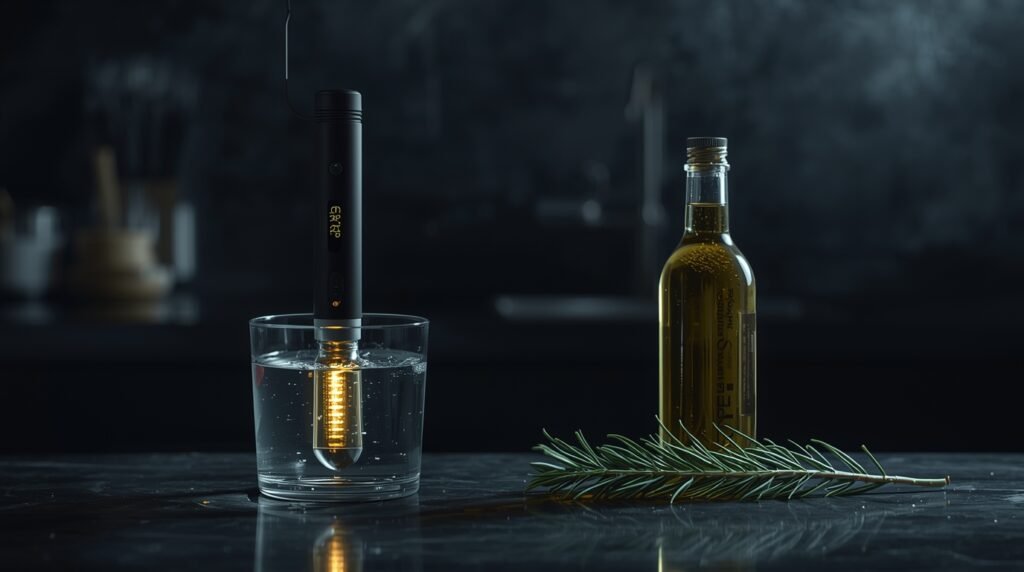
Pro Tip: Never cook with Extra Virgin Olive Oil at very high heat (searing). It oxidizes and loses its benefits. Cook with Avocado oil, Ghee, or Tallow, and drizzle the EVOO on after the food is plated.
Step 4: Carbohydrates (Earn Them)
Carbs are not evil, but in a sedentary world, they are dangerous fuel. Think of carbs like rocket fuel. If you are sitting on the couch, you don’t need rocket fuel. If you fill the tank and don’t drive the car, the fuel spills over (fat gain).
- The “Slow” Carbs: Legumes, beans, sweet potatoes, steel-cut oats, quinoa. These digest slowly, contain fiber, and keep insulin stable.
- The “Fast” Carbs: Bread, pasta, sugar, crackers. These hit your bloodstream instantly. Save these for immediately after a heavy workout (or a rare treat).
- Volume Control: If you aren’t working out that day, keep the starch portion small (maybe 1/4 of the plate). If you just ran a 10k or lifted heavy weights, load up—your muscles need the glycogen.
Step 5: The Secret Weapon (Fermented Foods)
This is the category most Americans miss completely. Fermented foods are “nature’s probiotics.” But unlike a pill that might die in your stomach acid, these foods create an environment where good bacteria thrive.
- The Menu: Sauerkraut, Kimchi, Kefir, Plain Greek Yogurt, Miso, Natto.
- The Dose: You don’t need a bowl. You need a forkful. Try to get one serving of fermented food every single day.
Step 6: Flavor with Purpose (Herbs & Spices)
This is where Lifestyle Nutrition goes from “boring health food” to “gourmet experience.” Herbs are the most nutrient-dense plants on earth by weight.
- Turmeric: Contains Curcumin. Potent anti-inflammatory (always pair with black pepper to increase absorption by 2000%).
- Rosemary/Thyme: Protects fats from oxidizing during cooking.
- Garlic/Onion: Allium family. Immune boosting sulfur compounds.
- Cinnamon: Helps regulate blood sugar. Add it to your coffee.
- Ginger: Great for digestion and gut motility.
Action Item: Stop using pre-mixed seasoning packets (which are mostly salt and fillers). Buy the actual spices. Your tastebuds will thank you.
4. Cooking Methods: It’s Not Just What You Eat
You can take the healthiest piece of wild-caught salmon in the world, deep fry it in old soybean oil, and turn it into an inflammation bomb. How you cook matters as much as what you buy.
Beware of AGEs
What are AGEs?
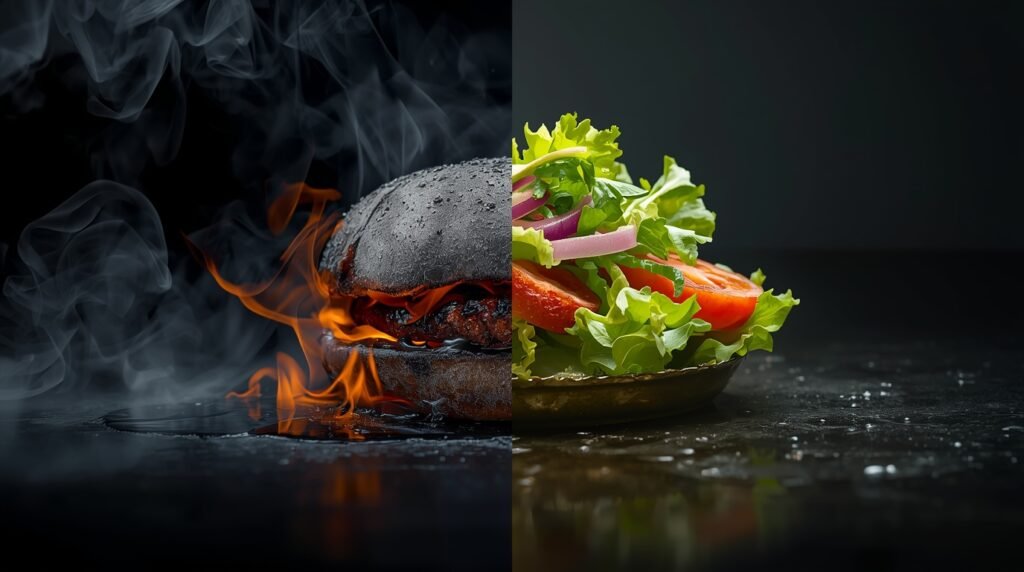
Answer Target: Advanced Glycation End-products (AGEs) are harmful compounds formed when protein or fat combine with sugar in the bloodstream, or when foods are cooked at very high temperatures (grilling, frying, charring). AGEs accumulate in tissues, stiffen arteries, and accelerate aging.
I love a charred steak as much as the next person, but eating charred meat every day is a bad idea.
The Best Longevity Cooking Methods:
- Steaming/Poaching: Boring? Maybe. But it preserves the most nutrients and creates zero AGEs.
- Slow Cooking/Stewing: Low temperature over a long time breaks down collagen into gelatin (great for your joints) without burning the food.
- Sous Vide: Precision cooking that keeps nutrients intact.
The “Cheat” Code: If you do grill or roast at high heat, marinate your meat in an acid (lemon juice, vinegar, wine) and antioxidant-rich herbs (rosemary) for at least 30 minutes first. This creates a chemical shield that significantly reduces AGE formation. Science is cool, right?
5. Timing and Frequency: When to Eat (Chrononutrition)
We can’t talk about longevity without talking about Time-Restricted Eating (TRE) and Circadian Rhythms. Our ancestors didn’t have a fridge stocked with snacks 24/7. They feasted, and they fasted.
The Problem with Snacking
Every time you eat, you spike insulin and activate digestion. If you eat breakfast, snack, lunch, snack, dinner, and a midnight snack, your insulin never drops. You never enter “repair mode” (autophagy). You are asking your body to work a 24-hour shift every day.
The Strategy: 12-16 Hour Fasting Window
I recommend starting with a simple 12-hour window. This matches your Circadian Rhythm.
- The Protocol: Finish dinner by 7 PM or 8 PM. Don’t eat until 7 AM or 8 AM.
- Level Up: Push it to 14 or 16 hours a few times a week (skip breakfast, eat lunch at 12 PM).
- Why: This gives your digestive system a break, improves insulin sensitivity, and activates cellular cleanup pathways.
Circadian Eating
Your pancreas basically goes to sleep when the sun goes down. Melatonin (sleep hormone) stops your pancreas from secreting insulin efficiently.
- The Mistake: Eating a huge meal at 9 PM. Your body can’t process the sugar, so it stays in your blood longer and gets stored as fat.
- The Fix: Make lunch your biggest meal. Make dinner lighter and earlier.
Common Myth-Busting: “Breakfast is the most important meal of the day.”
Verdict: False. This was a marketing slogan invented by cereal companies in the early 20th century. If you are hungry, eat breakfast. If you aren’t, skip it. Your metabolism won’t crash.
“Intermittent Fasting Schedules for Beginners”
6. Sourcing: The “Dirty Dozen” and Quality Control
I know, inflation is rough. Eating organic everything is expensive. But you don’t have to be perfect; you just have to be smart about where you allocate your budget.
Where to Spend vs. Where to Save
- Spend Money On:
- Animal Fat/Protein: Toxins are stored in fat. Conventional factory-farmed animals are often fed moldy grains and pumped with antibiotics. If you eat fat, buy high quality (Grass-fed, Pasture-raised).
- Thin-Skinned Produce: Strawberries, spinach, grapes, peaches. These soak up pesticides like a sponge. (Check the EWG’s “Dirty Dozen” list annually).
- Save Money On:
- Thick-Skinned Produce: Avocados, bananas, pineapples, onions. You discard the skin, so conventional is usually fine.
- Frozen Veggies: Often picked at peak ripeness and flash-frozen. They are cheaper and sometimes more nutritious than “fresh” produce that sat on a truck for two weeks losing vitamins.
Insider Opinion: I would rather you eat conventional broccoli than no broccoli at all. Don’t let the “perfect” be the enemy of the “good.” Just wash your veggies well (use a baking soda soak if you’re worried).
7. Sample Day: What This Actually Looks Like
Let’s put all this theory into a practical, delicious day of Lifestyle Nutrition and Longevity-Focused Meals.
Morning (Fasting Window):
- Black coffee or Green Tea (The catechins in tea are amazing for longevity).
- Large glass of water with electrolytes.
First Meal (11:00 AM or 12:00 PM):
- The “Big Ass Salad”: Arugula and spinach base (nitric oxide for blood flow).
- Protein: Can of wild sardines or grilled chicken breast.
- Fats: Half an avocado, pumpkin seeds (zinc), generous olive oil drizzle.
- Carb: 1/2 cup of chickpeas.
- Fermented: A side of Kimchi.
- Dressing: Apple cider vinegar and lemon (helps blunt blood sugar response).
Snack (Only if necessary, 3:30 PM):
- Handful of walnuts.
- A piece of dark chocolate (85% cocoa or higher). Yes, chocolate is a longevity food if it’s low sugar and high polyphenol.
Dinner (6:30 PM):
- Protein: Grass-fed beef stir-fry or baked salmon.
- Veg: Sautéed bok choy with garlic and ginger.
- Starch: Roasted sweet potato wedges (cooked with rosemary).
- Dessert: A small bowl of mixed berries.
Result: You are full. You hit your protein. You got a ton of fiber. You minimized sugar. You ate within a window. And it tasted great.
8. Tools & Tech Stack: Measuring What Matters
You wouldn’t drive a car without a dashboard, yet most people drive their bodies with zero data until the “Check Engine” light (disease) comes on. In 2026, we have the technology to peek under the hood.
Here is my recommended “Longevity Tech Stack,” ranked by impact.
The Software (Apps)
- Cronometer (The Micronutrient King): Most apps just track calories. Cronometer tracks nutrients. It tells you if you hit your magnesium, selenium, and B12 targets.
Why it wins: It uses verified lab data, not user-submitted guesses. If you want to know if your “superfood” smoothie actually has nutrients, use this. - MacroFactor (The Metabolism AI): If you are trying to lose or gain weight, this is the smartest algorithm on the market. It adapts to your metabolism weekly. It removes the shame from fluctuating scale weight and treats your body like a math problem to be solved.
The Hardware (Wearables & Bio-Data)
- Continuous Glucose Monitors (CGM): This is the biggest game-changer for Lifestyle Nutrition. You might think oatmeal is healthy, but a CGM might show it spikes your blood sugar to 180 mg/dL (diabetic range).
Recommendation: Dexcom Stelo or Abbott Lingo (the new OTC options for non-diabetics).
The Insight: Wear one for a month. Test your favorite foods. You will be shocked. - Smart Scales: Not just for weight, but for trends. Look for one that integrates with Wi-Fi so you don’t have to manually log it.
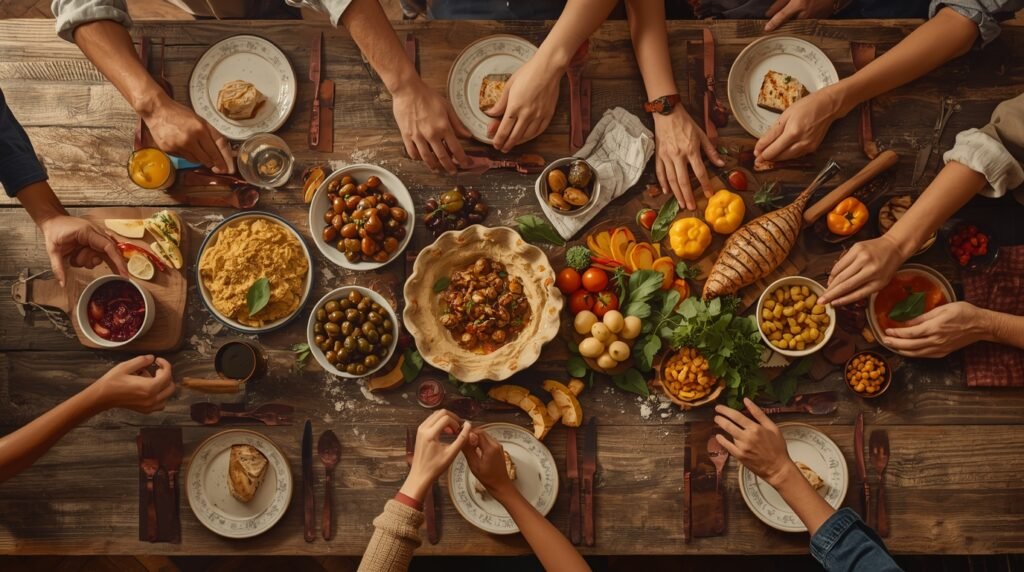
The Kitchen Laboratory
- Sous Vide Circulator: As mentioned, the ultimate tool for cooking meat perfectly without creating carcinogenic char.
- Glass Storage Containers: Toss the plastic Tupperware. Plastic leaches endocrine-disrupting chemicals (phthalates and BPAs) into your food, especially when hot. Glass is inert. This is a cheap, high-ROI upgrade.
- Water Filter: Tap water often contains microplastics, chlorine, and pharmaceutical runoff. Get a reverse osmosis system or a high-quality gravity filter (like Berkey).
The Blood Panel (Ask Your Doctor)
Don’t just get the “standard” checkup. Ask for:
- ApoB: A better predictor of heart disease than LDL cholesterol.
- HbA1c: Your 3-month average blood sugar.
- hs-CRP: A marker of systemic inflammation.
- Vitamin D: Most people are deficient.
9. Common Mistakes & Myths: Where Smart People Fail
I’ve seen brilliant CEOs and engineers fail at nutrition because they fall for these specific traps.
Trap 1: The “Health Halo” Effect
Just because a cookie is “Gluten-Free,” “Keto,” or “Vegan” doesn’t mean it’s good for you. Usually, these products are ultra-processed sludge held together by gums, starches, and seed oils.
The Rule: If the ingredients list reads like a chemistry textbook, put it back. Real food doesn’t need an ingredient list. An apple is an apple.
Trap 2: The “Ozempic” Muscle Trap
With the rise of GLP-1 agonists (weight loss drugs), we are seeing a crisis of “Sarcopenic Obesity”—people losing weight but losing mostly muscle and bone density.
- The Fix: If you are on these medications (or just dieting hard), you must double your resistance training and prioritize protein intake above all else. You want to be lean, not frail.
Trap 3: Orthorexia (Stressing About the Salad)
Stress raises cortisol. Cortisol spikes insulin. If you are having a panic attack because the restaurant used canola oil instead of olive oil, the stress is doing more damage than the oil.
- The Veteran View: Aim for 80/20. If you are at a wedding, eat the cake. Drink the champagne. Enjoy it. Then get back on track the next morning. Social connection is also a longevity factor.
Trap 4: Supplement Reliance
“I eat garbage, but I take a multivitamin.” This doesn’t work. You cannot out-supplement a bad diet. Supplements are the icing on the cake; they are not the cake. Fix the food first.
10. Advanced Strategies: The Top 1% Protocols
This section is for those who have mastered the basics (Sleep, Exercise, Whole Foods) and want to optimize the margins. Do not do this stuff if you are still eating fast food.
The Longevity Supplement Stack (2025/2026 Edition)
Disclaimer: I am not a doctor. This is what the data currently supports. Always check with your provider.
- Magnesium Glycinate: The breakout star of the decade. 400mg before bed. It aids DNA repair, sleep, and insulin sensitivity. Most soil is depleted of magnesium, so food isn’t enough anymore.
- Creatine Monohydrate: Not just for bodybuilders. It protects cognitive function, aids in methylation, and preserves muscle mass as you age. 5g daily.
- Fatty15 (C15:0): The new kid on the block. A saturated fat discovered by Navy researchers that actually strengthens cell membranes. The research on this is exploding right now.
- Taurine: A study in Science showed it extended lifespan in mice by ~10%. It’s cheap, safe, and supports mitochondrial health.
- Urolithin A: Derived from pomegranates, this compound triggers mitophagy (recycling old mitochondria). It’s expensive, but the clinical data on muscle endurance in older adults is compelling.
Hormetic Stress (The “Good” Pain)
You need to shock your system occasionally to keep it resilient. This is called Hormesis.
- Heat (Sauna): 4 sessions a week, 20 minutes at 175°F+. This mimics moderate cardio and releases Heat Shock Proteins that repair damaged proteins in your body. It reduces all-cause mortality significantly.
- Cold (Plunge/Shower): Increases brown fat (metabolically active fat) and dopamine. Just don’t do it immediately after strength training (it blunts the inflammation needed for muscle growth).

11. Future Trends: What’s Coming Next?
If you want to stay ahead of the curve, here is where the industry is heading in the next 1–5 years.
Trend 1: “Fibermaxxing” & The Gut-Brain Axis
We are moving past “probiotics” (adding bugs) to “prebiotics” (feeding bugs). The trend is ultra-high fiber intake (50g+ daily) to maximize SCFA production. We are realizing the gut controls everything from mood to immunity. Expect to see “prebiotic sodas” and high-fiber reformulations everywhere.
Trend 2: AI-Personalized Nutrition
Static meal plans are dead. Apps like Zoe or Viome are using AI to analyze your blood sugar response and microbiome data to tell you exactly what to eat. Imagine a menu that knows you spike blood sugar on bananas but not on cookies (yes, that happens to some people). That reality is already here.
Trend 3: “Companion Foods” for GLP-1 Users
As a massive chunk of the population goes on weight-loss drugs, the food industry is pivoting. Expect to see nutrient-dense, high-protein, small-volume foods designed specifically to counteract the muscle loss and nausea side effects of these drugs.
Trend 4: Regenerative Agriculture Labels
“Organic” is losing its luster. “Regenerative” is the new gold standard. This means the farming practices actually heal the soil, sequester carbon, and result in more nutrient-dense meat and veg. Look for the “Regenerative Organic Certified” label.
12. The Ultimate FAQ (People Also Ask)
Q: Is coffee actually good for longevity?
A: Yes, with a caveat. Coffee is the primary source of antioxidants for many people in the Western diet. It’s linked to lower liver disease and Alzheimer’s risk. However, if you load it with sugar and fake creamer, you ruin it. Drink it black or with a splash of real cream. Also, stop drinking it 8 hours before bed to protect your sleep.
Q: What about alcohol?
A: I’ll be the bad guy here: There is no “healthy” amount of alcohol. Ethanol is a toxin. It disrupts sleep architecture and increases cancer risk.
The Verdict: If you drink, treat it like a dessert. Have it rarely, enjoy it, but don’t delude yourself that the resveratrol in red wine is saving you. You’d need to drink 100 bottles to get a therapeutic dose.
Q: Vegan vs. Carnivore vs. Paleo—Who wins?
A: The one you stick to that eliminates processed food.
- Vegan: Great for lower mTOR, hard to get B12/Protein/Iron.
- Carnivore: Great for elimination/autoimmune issues, lacks fiber/phytonutrients.
- The Winner: A “Plant-Forward” Omnivore diet. Mostly plants, high-quality meat, zero processed junk. This covers all bases.
Q: Can I eat carbs at night?
A: Actually, yes. While I said avoid huge meals, eating a small amount of carbohydrates at dinner (like sweet potato) can help lower cortisol and boost serotonin, aiding sleep. Just stick to the “slow” carbs.
Q: How much water should I drink?
A: The “8 glasses” rule is arbitrary. Look at your urine. It should be pale yellow. If it’s clear, you’re over-hydrated and flushing electrolytes. If it’s dark, drink more. Add a pinch of sea salt to your water for better absorption.
Q: Does eating fat clog my arteries?
A: Not necessarily. Sugar and inflammation damage the arterial wall; cholesterol creates the patch. If you reduce inflammation (sugar/smoking/stress), the cholesterol flows freely. However, keep saturated fat in check if your ApoB levels are genetically high.
Conclusion: The Long Game
We’ve covered nearly 4,000 words of strategy, science, and tactics. If your head is spinning, let me simplify it.
Lifestyle Nutrition and Longevity-Focused Meals aren’t about suffering. They aren’t about starvation. This is about respect. Respect for the complex, beautiful, biological machine that is your body. You are built to move, to fast, and to feast on real food found in nature. The modern world is designed to make you sedentary, overfed, and sick. This guide is your permission slip to rebel against that system.
You don’t have to be perfect. You just have to be consistent. Every meal is a vote for the future you want to have. Do you want to be the frail person in the chair, or the vibrant person hiking the trail?
Your Next Step:
Don’t try to change everything tomorrow. Pick one upgrade from this list:
- Buy a bottle of high-quality Olive Oil and use it daily.
- Stop eating 3 hours before bed.
- Eat a vegetable before your next carb.
Do that for a week, then come back and pick another.
Here’s to a long life, and a wide one.
Products / Tools / Resources: The Longevity Toolkit
I’m often asked what I actually keep in my own kitchen. I don’t believe in buying gadgets for the sake of it, but there are a few tools and resources that offer a massive return on investment for your health. These are the items that make living this lifestyle easier, tastier, and more sustainable.
Transparency Note: The links below are affiliate links. If you grab something through them, it supports the site at no extra cost to you.
1. The Kitchen Laboratory
If you want to cook without AGEs (carcinogenic char) but still want restaurant-quality meat, you need a Sous Vide. It’s the secret weapon for perfect proteins every time.
- Anova Culinary Sous Vide Precision Cooker – This is the workhorse I use. Connects to your phone, foolproof, and ensures your steak is medium-rare edge-to-edge while keeping nutrients intact.
- Glass Food Storage Containers (Plastic-Free) – Stop microwaving plastic. These glass containers are leakproof, stain-proof, and don’t leach endocrine disruptors into your lunch. A non-negotiable kitchen upgrade.
2. The Essential Supplements
As we discussed in the “Advanced Strategies” section, it is hard to get everything from modern soil. These are the two supplements I believe almost everyone benefits from.
- Doctor’s Best High Absorption Magnesium Glycinate – If you struggle with sleep or muscle recovery, this is often the missing link. The “Glycinate” form is gentle on the stomach and highly absorbable.
- Optimum Nutrition Micronized Creatine Monohydrate – The most researched supplement in history. It’s not just for muscles; it’s for your brain. It’s tasteless, cheap, and effective.
3. Required Reading
If you want to dive deeper into the science of longevity, this is the book that changed the conversation.
- Outlive: The Science and Art of Longevity (Peter Attia, MD) – This isn’t a diet book; it’s an operating manual for the human body. If you read one book on health this year, make it this one. It explains the “Centenarian Decathlon” concept better than anyone.


4 Comments