

Modern Healthy Family Meals (Mediterranean, Clean & Trend-Driven) Without the Stress
Modern Healthy Family Meals (Mediterranean, Clean & Trend-Driven) have emerged because the old approach no longer holds up. Families aren’t short on good intentions; they’re short on systems that survive busy weeks, mixed preferences, and real appetites. Too often, “healthy” meals feel disconnected from daily life—either overly restrictive or so complicated they collapse after a few days.
What most households are really searching for is alignment. Meals that support long-term health, respect limited time, stay within budget, and still feel relevant and enjoyable. When those pieces come together, consistency becomes realistic instead of aspirational. If you’re juggling school schedules and picky eaters, start with healthy family meals for busy parents that are designed to work on weeknights, not just in theory.
Table of Contents
- What Defines Modern Healthy Family Meals Today?
- Why the Mediterranean Pattern Works for Families
- Clean Eating Without the Usual Pitfalls
- How to Build Modern Healthy Family Meals That Actually Stick
- Trend-Driven, Not Trend-Chasing
- Common Mistakes Families Make
- FAQ: Modern Healthy Family Meals
- Products / Tools / Resources

What Defines Modern Healthy Family Meals Today?
Modern healthy family meals aren’t tied to a single cuisine or set of rules. They’re built on structure rather than ideology. That distinction matters, because structure survives stress. It’s what holds dinner together when the day didn’t go as planned and you still need something everyone can eat.
At their core, they tend to share a few consistent characteristics:
- Meals centered on whole, minimally processed foods
- Balanced macronutrients that support energy and satiety
- Dishes that work for adults and children without parallel menus
- Eating patterns rooted in cultural traditions with evidence behind them
- Enough repetition to be efficient, without becoming monotonous
This is where Mediterranean-style eating fits naturally. Paired with clean, modern cooking habits, it provides a framework that holds up under everyday pressure. If your goal is simpler execution without sacrificing nutrition, it helps to lean on easy, nutritious and kid-approved recipes that keep the menu realistic and the kitchen calm.
Why the Mediterranean Pattern Works for Families

A Proven Nutritional Baseline
Mediterranean eating emphasizes vegetables, legumes, whole grains, olive oil, seafood, and moderate amounts of animal protein. This combination supports cardiovascular health, stable blood sugar, and gut diversity—benefits that matter across ages. It’s not about “eating perfectly.” It’s about building meals that leave people steady, not spiking and crashing.
What makes it practical for families is what it doesn’t exclude. Bread, pasta, and dairy still have a place, just in reasonable portions. Meals feel familiar rather than corrective, which reduces resistance at the table. For families, sustainability isn’t about novelty. It’s about meals that can be repeated without friction.
Cultural Flexibility Beats Rigid Rules
Another strength of the Mediterranean pattern is its adaptability. The same nutritional logic works across cuisines, budgets, and skill levels. A lentil soup, grilled chicken with vegetables, or baked fish with herbs all fit comfortably within the framework. Because it doesn’t rely on specialty ingredients or strict rules, it scales. That flexibility is often the difference between a short-lived plan and a lasting routine.
Clean Eating Without the Usual Pitfalls
Clean eating tends to fail families when it’s treated as an all-or-nothing standard. Cooking everything from scratch, avoiding all convenience foods, and eliminating entire categories may sound disciplined, but it rarely survives real schedules. The friction builds quietly—then dinner becomes a scramble again.
A modern, workable version looks different:
- Ingredient quality matters more than perfection
- Ultra-processed foods are limited, not obsessively avoided
- Frozen vegetables, canned beans, and pre-cooked grains are tools, not compromises
The common mistake is assuming that “clean” automatically means more effort. In practice, clean eating works best when it simplifies decisions and reduces last-minute stress—especially during the late-afternoon window when everyone’s hungry and patience is thin. That’s exactly why having a go-to strategy for after school meals can improve dinner outcomes without changing your entire routine.
How to Build Modern Healthy Family Meals That Actually Stick

Start With a Repeating Core
Families benefit from a small set of reliable meal templates. Not because creativity is bad, but because repetition creates rhythm. When meals feel familiar, they’re easier to plan, shop for, and execute—especially on busy nights when you’re running on low bandwidth.
A practical core often includes:
- Grain bowls with vegetables and protein
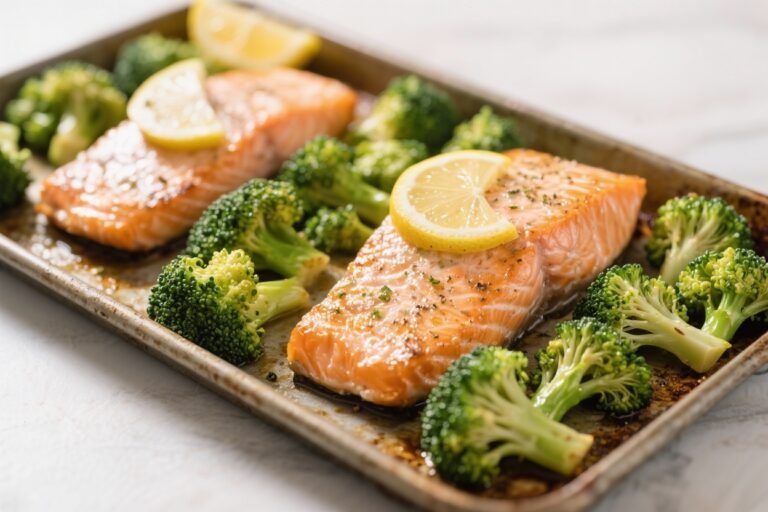
- One-pan roasted meals
- Soups or stews that scale well
- Simple pasta dishes built around vegetables and protein
If you want this to feel easier by week two—not harder—pair these templates with a routine you can actually maintain, like a weekly meal prep plan that handles the “what’s for dinner?” question before it becomes urgent.
Layer Flavor Strategically
Mediterranean cooking leans on herbs, acidity, and healthy fats rather than heavy sauces. Ingredients like lemon, garlic, olive oil, yogurt, tomatoes, and spices add depth without excess salt or sugar. Flavor matters more than most families realize. Well-seasoned food reduces the sense that healthy meals are a downgrade—and it keeps the whole plan from feeling like a punishment.
Accept Trade-Offs
Not every dinner will be perfectly balanced. Some nights prioritize speed, others nutrition. The real goal is consistency over time, not nightly optimization. Families that succeed allow for flexibility without abandoning the structure entirely.
Trend-Driven, Not Trend-Chasing
Modern family meals do evolve, but selectively. Some current trends integrate well because they work with family life instead of fighting it—plant-forward meals with optional protein additions, greater awareness of protein needs for satiety and growth, and lower added sugar without leaning on artificial substitutes.
Other trends struggle in family settings—especially those that require niche ingredients, extreme restrictions, or separate meals for different people. A useful filter is simple: does this trend reduce weeknight friction, or add to it?
Common Mistakes Families Make
- Overplanning: Elaborate meal plans often fail under real-world conditions.
- Under-seasoning: Nutrition without flavor rarely wins long-term.
- All-or-nothing thinking: One off-plan meal doesn’t negate overall progress.
Most issues aren’t about knowledge. They’re about designing meals that fit real constraints instead of ideal ones. When the system is realistic, the “willpower problem” tends to disappear on its own.
FAQ: Modern Healthy Family Meals

Are Mediterranean meals suitable for kids?
Yes. Mediterranean-style meals support growth, brain development, and long-term health. They include familiar foods like pasta, rice, yogurt, and bread, while emphasizing vegetables, healthy fats, and balanced protein—making them both practical and nutritionally appropriate for children.
Do clean family meals take more time to prepare?
Not necessarily. Clean meals can rely on batch cooking, frozen vegetables, canned legumes, and simple cooking methods. When structured well, they often save time by reducing decision fatigue and last-minute cooking.
How many times per week should families eat this way?
Most of the time is enough. A consistent pattern across the week matters more than strict adherence. Even partial alignment delivers meaningful benefits without creating unnecessary pressure.
Products / Tools / Resources
Families following a Mediterranean, clean, and modern eating pattern typically do better with a handful of practical tools—not specialized equipment. The right basics make weeknights smoother, reduce cleanup, and keep meal templates easy to repeat.
Rimmed sheet pans (for one-pan meals)
A sturdy rimmed sheet pan makes roasted vegetables and proteins easier to execute—high heat, minimal fuss, simple cleanup. Useful for weeknight “protein + veg” dinners that don’t require multiple pots.
Browse durable rimmed sheet pans on Amazon
Extra virgin olive oil (everyday staple)
Olive oil is a core Mediterranean ingredient for cooking and finishing. A reliable bottle you actually like the taste of makes vegetables, grains, and simple proteins easier to enjoy consistently.
Find extra virgin olive oil options on Amazon
Chef’s knife (speed + consistency)
A sharp, comfortable chef’s knife reduces prep time and improves consistency—especially for vegetable-heavy meals. It’s one of the few upgrades that pays off immediately in daily cooking.
Compare chef’s knives on Amazon
Airtight food storage containers (reduce waste)
Airtight containers make leftovers and batch cooking more useful. They help prevent food waste, keep portions organized, and make “assemble-and-go” lunches more realistic.
See airtight food storage containers on Amazon
Meal planning notebook (decision fatigue control)
A simple planner can stabilize the week: a short list of repeatable meals, a basic grocery plan, and a place to track what worked. The goal is fewer daily decisions, not “perfect planning.”
Browse meal planning notebooks on Amazon
As an Amazon Associate, I earn from qualifying purchases.



2 Comments