
Picky Eating vs Normal Development: When to Worry
Table of Contents
- Picky Eating vs Normal Development: How to Tell the Difference Without Losing Your Mind
- What Is Picky Eating, Really?
- Normal Development: The Part Everyone Underestimates
- Picky Eating vs Normal Development: The Line That Actually Matters
- The Biggest Myth Holding Parents Back
- Why Exposure Beats Enforcement (And Always Will)
- Sensory Sensitivity: The Quiet Driver Nobody Talks About
- The Long-Term View Most People Miss
- When to Get Professional Help (And When Not To)
- The One Reframe That Changes Everything
- Quick Reality Check for Tired Parents
- Final Take (The Insider Version)
- Products / Tools / Resources

Picky Eating vs Normal Development: How to Tell the Difference Without Losing Your Mind
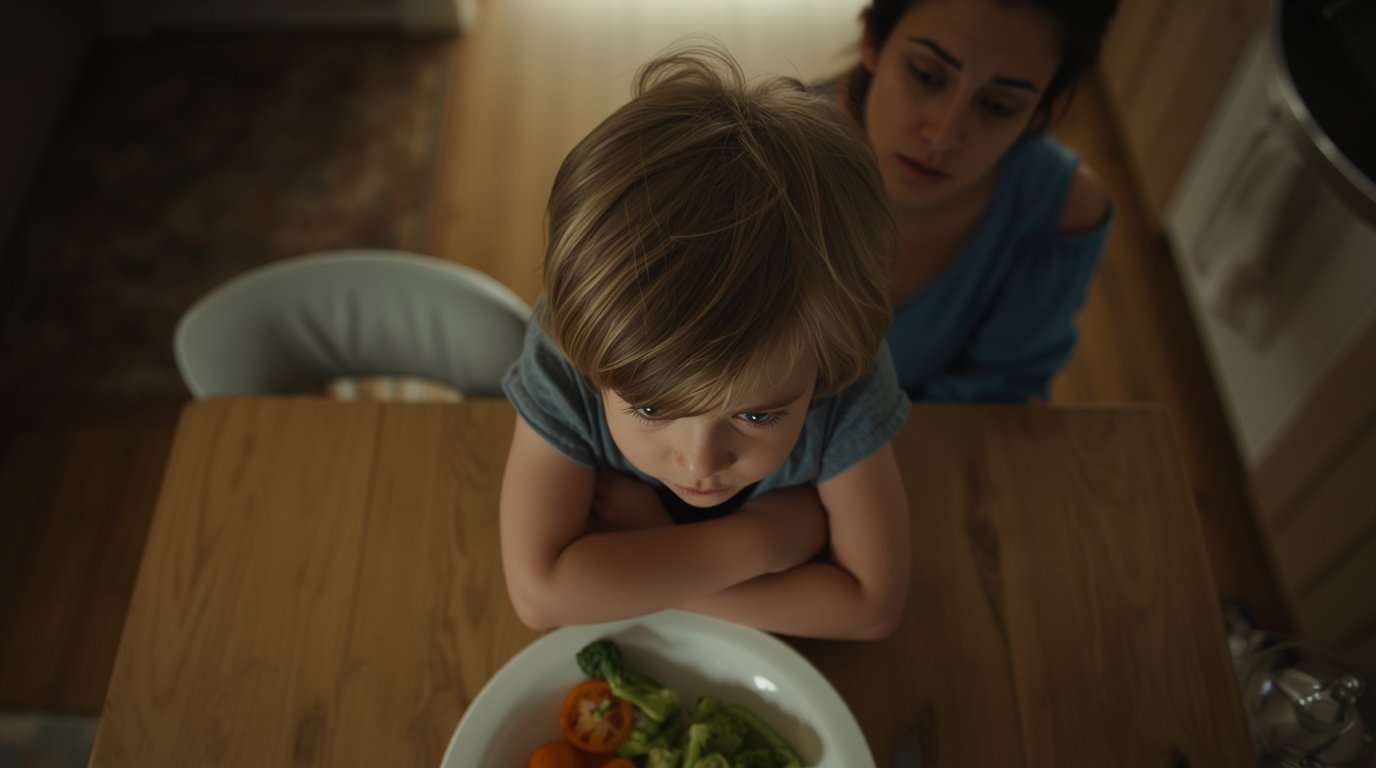
Let me say this upfront: “Picky Eating vs Normal Development” confuses smart, attentive parents every single day—and honestly, that makes sense. If your kid survives on beige foods and glares at broccoli like it personally offended them, you’re not failing. You’re witnessing biology, psychology, and a little chaos having lunch together.
Here’s the tension nobody prepares you for. One expert says “Relax, it’s a phase.” Another warns, “Act now or else.” Meanwhile, dinner turns into a hostage negotiation. I’ve worked with families for years, and I can tell you this: most panic comes from not knowing where normal ends and when intervention actually matters. That’s what we’re clearing up—without guilt, fluff, or food shaming 🙂
What Is Picky Eating, Really?
Answer Target (Featured Snippet – 54 words)
Picky eating describes a pattern where a child consistently rejects many foods, limits variety, or resists new textures and flavors. In early childhood, this behavior often reflects normal developmental stages tied to autonomy, sensory sensitivity, and survival instincts—not a nutritional failure or bad parenting.
Now the real talk. Picky eating isn’t a diagnosis. It’s a behavioral pattern, and patterns exist on a spectrum. Some kids prefer sameness. Some distrust anything green. Some just like pushing your buttons (respectfully, of course).
What matters isn’t the behavior—it’s the context and trajectory.
Normal Development: The Part Everyone Underestimates
Here’s the insider truth I wish more people understood: food rejection peaks exactly when kids start asserting independence. That’s not coincidence. That’s design.
Between ages 2–6, kids:
- Develop neophobia (fear of new foods)
- Become hyper-aware of textures and smells
- Learn control through choice (“No” is power)
From a survival standpoint, this makes sense. Early humans who questioned unfamiliar foods lived longer. Your child doesn’t know they’re not foraging in the wild—they just feel the instinct.
IMO, calling this “picky” too early creates more damage than the eating itself.
Picky Eating vs Normal Development: The Line That Actually Matters
Let’s draw the line cleanly—no scare tactics.
Normal Development Looks Like:
- Eating enough calories over time (even if uneven day to day)
- Rejecting foods but tolerating them on the plate
- Cycling through food preferences
- Growing appropriately on their curve
Red Flags That Deserve Attention:
- Weight loss or stalled growth
- Extreme distress around food (panic, gagging, vomiting)
- Eating fewer than ~10 total foods
- Sensory rigidity that worsens over time
- Meals consistently triggering meltdowns
Here’s my blunt take: variety anxiety is normal; nutritional compromise is not. And if dinner feels like a daily stress test, switch your strategy before you switch your kid’s personality. If you need practical anchors for what “balanced” looks like in real-life routines, you’ll get a lot out of modern family meals.
The Biggest Myth Holding Parents Back
Let’s bust a big one.
Myth: “If I just push harder, they’ll eventually eat.”
Reality: Pressure backfires. Every. Single. Time.
When adults:
- Beg
- Bribe
- Threaten
- Lecture
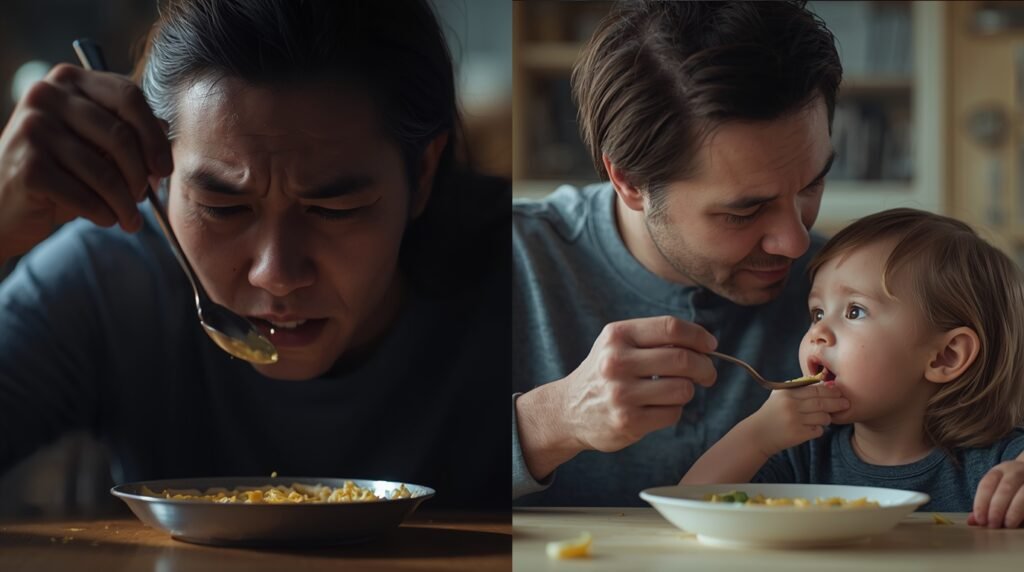
Kids don’t “learn to eat.” They learn to resist.
I’ve watched well-meaning families accidentally turn mild pickiness into entrenched control battles. Food becomes emotional currency. Nobody wins. FYI, this dynamic can stick around for years 😉
Why Exposure Beats Enforcement (And Always Will)
Advanced insight time. Kids need low-stakes exposure, not force.
What actually works:
- Repeated visual exposure (seeing food ≠ eating food)
- Neutral presentation (“This is dinner,” not “Just try one bite”)
- Modeling (you eat it, casually, without commentary)
Research shows children may need 15–20 exposures before accepting a new food. That’s not failure—that’s neurological wiring catching up.
The goal isn’t bites. The goal is comfort.
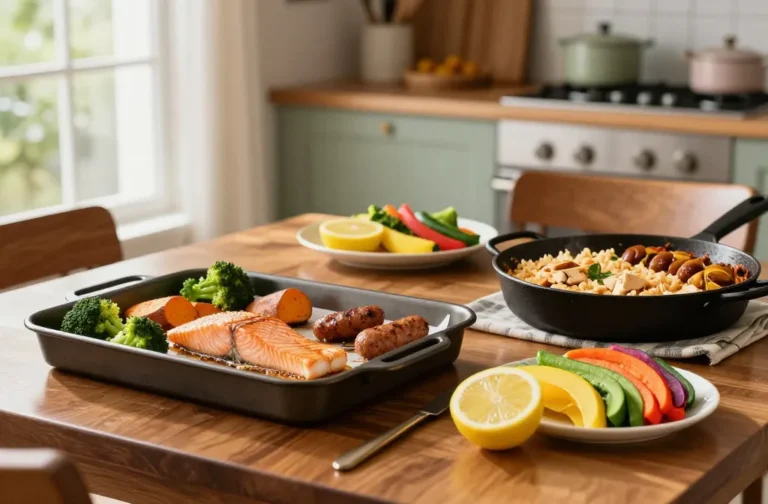
One simple way I reduce friction: I make the “new food” tiny and keep the rest of the plate familiar. If you want fast, low-drama options that fit that exact strategy, steal ideas from healthy family dinners kids loved and rotate them as your consistent base.
Sensory Sensitivity: The Quiet Driver Nobody Talks About
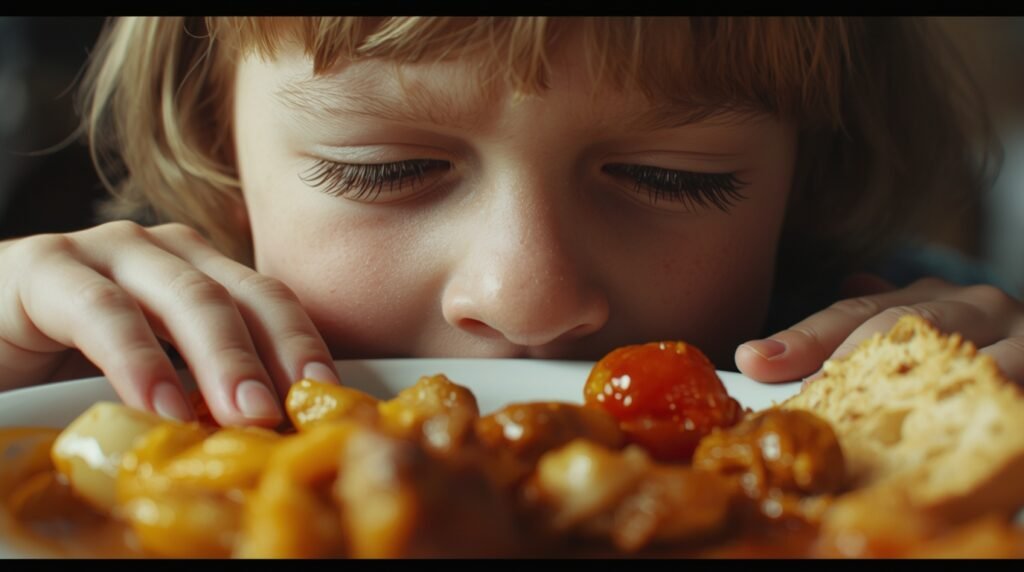
Texture issues get mislabeled as stubbornness all the time. Crunchy vs soft. Mixed textures. Sauces touching solids. These matter.
Kids with heightened sensory processing:
- Reject foods based on mouthfeel, not flavor
- Prefer predictable textures
- Feel overwhelmed by mixed dishes
This isn’t drama. It’s neurology. When parents respect that reality, progress accelerates.
Start with texture bridges, not food categories:
- Fries → roasted potatoes
- Crackers → toast
- Smooth yogurt → thicker yogurt with fruit purée
Small steps compound.
The Long-Term View Most People Miss
Here’s a stat that calms people down fast: over 70% of picky eaters broaden their diet naturally by late childhood when pressure stays low and routines stay stable.
What predicts improvement?
- Family meals without commentary
- Consistent structure
- Emotional neutrality around food
What predicts worsening?
- Anxiety at the table
- Power struggles
- Labeling the child as “picky”
Kids internalize labels fast. Choose yours carefully.
When to Get Professional Help (And When Not To)
I’ll keep this practical.
Consider support if:
- Growth metrics stall
- Anxiety escalates
- Eating interferes with daily life
- Sensory issues extend beyond food
Don’t rush intervention if:
- Growth stays steady
- Your child eats “enough” overall
- Variety increases slowly year over year
Early help helps when it’s targeted—not when it’s driven by fear. And if food restrictions overlap with allergies or ingredient avoidance, use a clear safety-first framework like kids meal with allergy formulation so you don’t accidentally create more stress while trying to create more options.

The One Reframe That Changes Everything
Here’s my favorite mental shift:
Your job isn’t to make your child eat.
Your job is to decide what, when, and where food appears.
Their job? Whether and how much.
This division of responsibility removes tension instantly. It also builds long-term trust—something no food pyramid ever fixed.
Quick Reality Check for Tired Parents
If meals feel messy but growth looks fine, you’re likely watching normal development unfold in real time. That’s uncomfortable, not dangerous.
If stress runs the table every night, change the environment before changing the child.
And if you’ve tried everything? You probably tried too much.
Final Take (The Insider Version)
Picky Eating vs Normal Development isn’t about winning dinner—it’s about reading patterns over time. Most kids don’t need fixing. They need space, structure, and adults who don’t flinch at a rejected pea.
Control less. Observe more. Trust biology.
I promise—future you will laugh about this while your kid demolishes sushi and pretends they always loved vegetables 😄
Products / Tools / Resources
If you want fewer food battles and more calm reps (the kind that actually move the needle), these tools help you run the “exposure without pressure” playbook like a pro. I’ve seen them reduce friction fast because they support structure, predictability, and low-drama presentation.
1) Divided toddler plates (to prevent “food touching” meltdowns)
When sensory sensitivity drives the refusal, separation buys you peace. I like simple plates with real dividers so kids can explore without feeling overwhelmed. Grab a set of divided toddler plates that keep foods separate.
2) Bento-style lunch boxes (for predictable, repeatable variety)
Bento boxes make variety feel safer because the format stays the same even when the food changes. That predictability matters. Use a bento lunch box that supports tiny “exposure” portions.
3) Small food picks + mini cutters (to turn tasting into play, not pressure)
I’m not into gimmicks, but I am into tools that lower resistance. Small picks and cutters help kids interact with food without committing to a bite. Try kid-safe food picks for low-stakes food exploration.
4) Smoothie blender (for nutrition “bridges” on hard weeks)
Some weeks you need a reliable Plan B that doesn’t turn into a war. Smoothies let you add nutrition without making it a big emotional event. Pick a personal smoothie blender for quick nutrient boosts.
5) Food exposure journal (to track patterns, not panic)
Parents underestimate this: tracking removes the “we’re stuck forever” feeling because you can see progress over weeks. Look for something simple—foods offered, response, and any sensory notes. Use a simple food journal to spot progress and triggers.
As an Amazon Associate, I earn from qualifying purchases.





One Comment