

Recipes for Multigenerational Families Made Simple
If you’ve ever tried juggling Recipes for Multigenerational Families, you know the chaos starts fast. Kids want comfort food, adults want something healthy-ish, and grandparents want meals that don’t feel like punishment. I’ve watched plenty of families burn out here—good intentions, zero systems. That frustration snowballs into takeout nights, food waste, and everyone blaming the kitchen. This article fixes that, full stop. I’ll show you how I approach clean, simple meal prep that keeps every age group fed, happy, and sane. If you also want more fast, simple and stress free family meals, you’ll love how this system translates into weeknight wins.
Table of Contents
- Why Most “Family Meal Prep” Advice Falls Apart
- What Are Recipes for Multigenerational Families?
- My Core Rule: One Base, Three Variations
- Myth-Busting: “You Need Separate Meals”
- Clean Ingredients Everyone Tolerates (Without Drama)
- Texture Is the Silent Deal-Breaker
- The Weekly Prep System I Actually Use
- Advanced Tactic: The “Flavor Ladder”
- Portion Control Without Making It Weird
- Under-the-Radar Nutritional Wins
- Sample Clean & Simple Meal Prep Rotation
- Common Mistakes I Still See (And Avoid)
- How to Know Your System Works
- The Real Insider Takeaway
Why Most “Family Meal Prep” Advice Falls Apart
Let me be blunt: most advice online treats families like a single demographic. That’s fantasy land. Multigenerational households need flexibility, texture control, and choice without chaos. Miss one of those, and someone rebels.
Here’s what usually goes wrong:
- One-size-fits-all meals that ignore chewing, digestion, or spice tolerance
- Overly complex recipes that feel like a second job
- Rigid plans that collapse the moment someone skips dinner
IMO, meal prep shouldn’t feel like meal prison. It should feel like leverage.
What Are Recipes for Multigenerational Families?
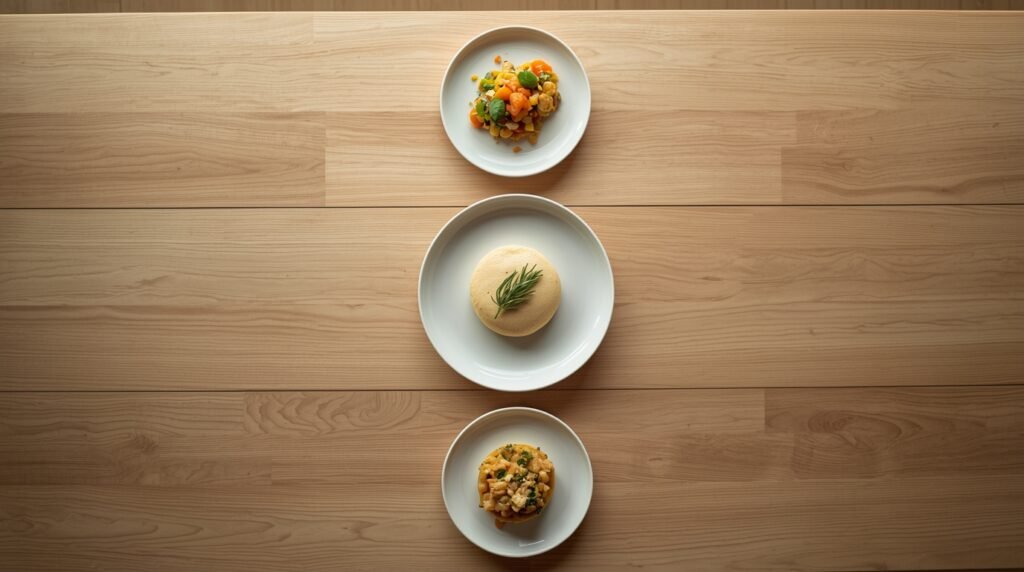
Recipes for Multigenerational Families are adaptable meals designed to serve kids, adults, and seniors from the same prep base. They prioritize simple ingredients, customizable textures, balanced nutrition, and minimal cooking steps so one plan supports different ages without extra work.
That definition matters. The keyword here is adaptable, not fancy.
My Core Rule: One Base, Three Variations
This single rule changed everything for me. I prep one neutral base, then tweak it slightly for each age group. Same ingredients, different finishes.
Why this works:
- Kids don’t feel “forced” to eat adult food
- Seniors get softer textures and gentler seasoning
- Adults keep macros and flavor intact
Example:
- Base: Shredded chicken + roasted veggies
- Kids: Chop finer, add mild sauce
- Adults: Add spice, olive oil, herbs
- Seniors: Extra moisture, softer veg cuts
Same prep session. Zero extra pans. That’s the win 😉
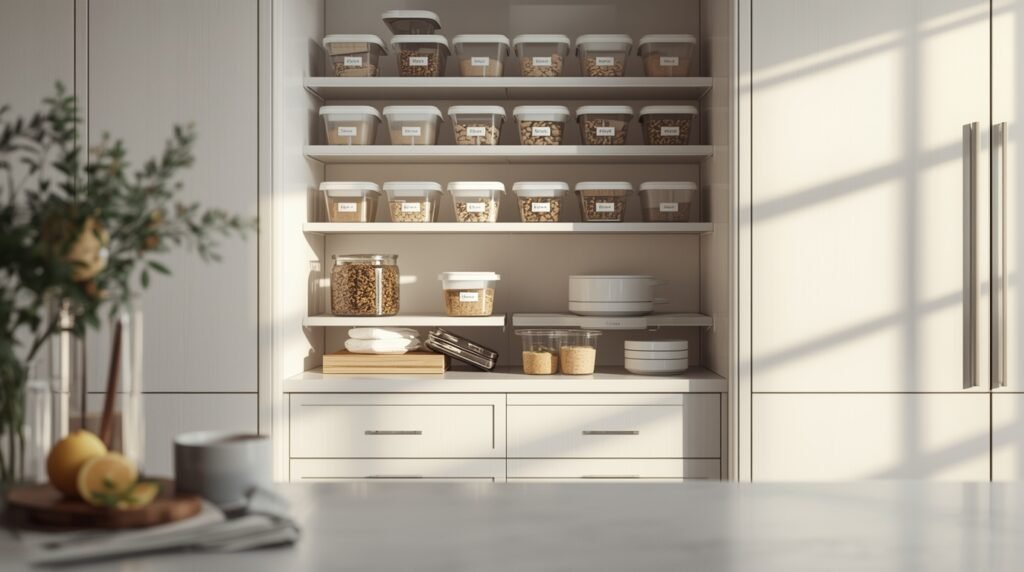
Quick gear pick (keeps this system painless): I like prepping components into stackable, leak-resistant containers so each generation can grab the right portion fast.
Shop glass meal prep containers that stack neatly
Myth-Busting: “You Need Separate Meals”
No, you don’t. You need separate finishing touches. Big difference.
Most families overcook and overspend because they chase customization at the recipe level. That’s backwards. Customization belongs at the plate level.
Insider tip: If a meal can’t be adjusted in under 60 seconds per plate, it doesn’t belong in your rotation.
Clean Ingredients Everyone Tolerates (Without Drama)
When cooking for three generations, ingredient tolerance matters more than trends.
I stick to:
- Lean proteins: chicken thighs, turkey, white fish, eggs
- Neutral carbs: rice, potatoes, oats, quinoa
- Soft veggies: zucchini, carrots, spinach, green beans
- Healthy fats: olive oil, avocado, yogurt
Skip aggressive raw veggies, ultra-spicy sauces, and “experimental” swaps. Save those for solo meals.
Bold truth: Digestive comfort beats nutritional perfection every time.
Texture Is the Silent Deal-Breaker
Nobody talks about this enough. Texture kills more family meals than flavor.
What I do:
- Roast veggies slightly longer so they soften
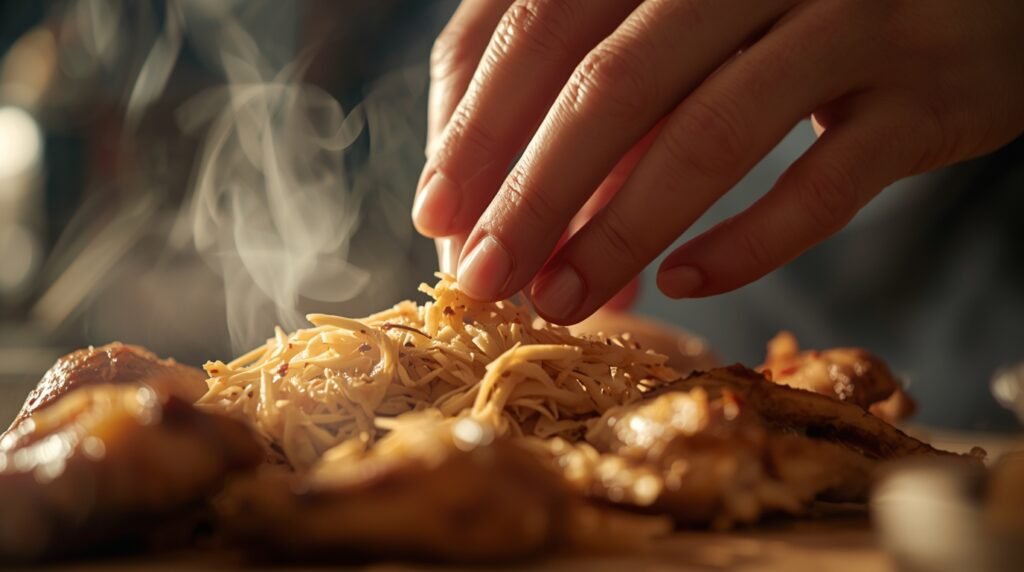
- Shred or dice proteins instead of serving slabs
- Keep sauces separate for moisture control
If grandma needs softer food and the kids hate “mushy,” you can still win. Control texture, not ingredients 🙂

The Weekly Prep System I Actually Use
This isn’t Pinterest. This is real life.
Step 1: Pick 2 Proteins, 2 Carbs, 3 Veggies
That’s it. Anything more invites chaos.
Step 2: Batch Cook Simply
- Roast
- Steam
- Slow-cook
No stovetop babysitting.
Step 3: Store by Component, Not Meal
This is huge. Components give you flexibility when schedules shift.
Step 4: Assemble Per Meal
5 minutes, max. If it takes longer, the system failed.
Time-saver: If you want “set it and forget it” protein batches, a pressure cooker makes component prep ridiculously fast.
See Instant Pot options for fast batch cooking
Advanced Tactic: The “Flavor Ladder”
I love this trick. Start mild, then layer up.
- Base meal: lightly seasoned
- Adult plate: add spice, acid, crunch
- Kid plate: add familiar sauce
- Senior plate: add broth or yogurt for moisture
One ladder, many rungs. Everyone climbs where they’re comfortable.

Portion Control Without Making It Weird
Portion drama ruins family meals fast. I avoid it completely.
Here’s how:
- Same plate size for everyone
- Adjust portions by serving spoons, not commentary
- Let adults self-serve; pre-plate kids and seniors
FYI, arguing about portions does more damage than an extra potato ever will. If your household includes caregiving responsibilities, my go-to playbook looks a lot like this meal prep for caregivers approach—simple rules, zero guilt, consistent routines.
Under-the-Radar Nutritional Wins
You can quietly boost nutrition without announcing it.
My favorites:
- Blend veggies into sauces
- Use Greek yogurt instead of cream
- Add olive oil after cooking for seniors
- Mix white rice with quinoa gradually
Nobody needs a lecture at dinner.
Sample Clean & Simple Meal Prep Rotation
Here’s a real rotation I’ve used successfully:
- Shredded lemon chicken
- Roasted carrots + zucchini
- Rice & mashed potatoes
- Yogurt-based sauce + olive oil drizzle
From this, you get:
- Kid bowls
- Adult macro plates
- Senior-friendly soft meals
Four prep items. Seven meal outcomes. That’s efficiency. If you run fasting windows in your household (or you just want simple scheduling), these recipes for intermittent fasting pair nicely with the same “components-first” system.
Common Mistakes I Still See (And Avoid)
- Overplanning meals weeks ahead
- Ignoring chewing and digestion
- Forcing “healthy” swaps too fast
- Treating preferences like moral issues
Food isn’t a battlefield. It’s infrastructure.
How to Know Your System Works
Your system works if:
- Leftovers get eaten
- No one dreads dinner
- Prep time shrinks weekly
- You stop Googling recipes at 5pm
If not, simplify again.
The Real Insider Takeaway
The secret to Recipes for Multigenerational Families isn’t knowing more recipes. It’s designing a forgiving system that bends instead of breaks. When one base meal can serve three generations without drama, you’ve won.
Start smaller than you think. Cook simpler than you want. Adjust faster than feels necessary.
That’s how you stay sane—and keep everyone fed. Now excuse me while I go rescue tonight’s leftovers before someone microwaves them into oblivion 😄
As an Amazon Associate, I earn from qualifying purchases.





One Comment