

The Best High-Protein Functional Recipes For Fitness After 40
There’s a quiet moment most people miss in their training life. It arrives somewhere between confidence and discomfort—when strength is still there, but recovery takes longer. When joints speak up sooner than they used to. When progress feels earned instead of automatic.
That moment isn’t failure. It’s a signal.
The Best High-Protein Functional Recipes For Fitness After 40 was never meant to be short-term. It’s a long game built on movement quality, resilience, and adaptability. But training alone doesn’t decide how long you get to play. Nutrition does. More specifically, how you use protein—not to chase size, but to protect the system that lets you keep moving well.
This isn’t about eating more. It’s about eating with intent, so your body keeps paying you back instead of sending invoices.
Table of Contents
- Functional Fitness Is a Longevity Strategy—If You Eat Right
- The Longevity Protein Framework
- High-Protein Functional Recipes for Long-Term Performance
- Functional Nutrition for Injury-Proof Training
- Functional Fitness Meal Timing for Longevity
- Longevity Tools, Foods & Supplements That Actually Matter
- FAQs People Don’t Always Say Out Loud
- Products / Tools / Resources
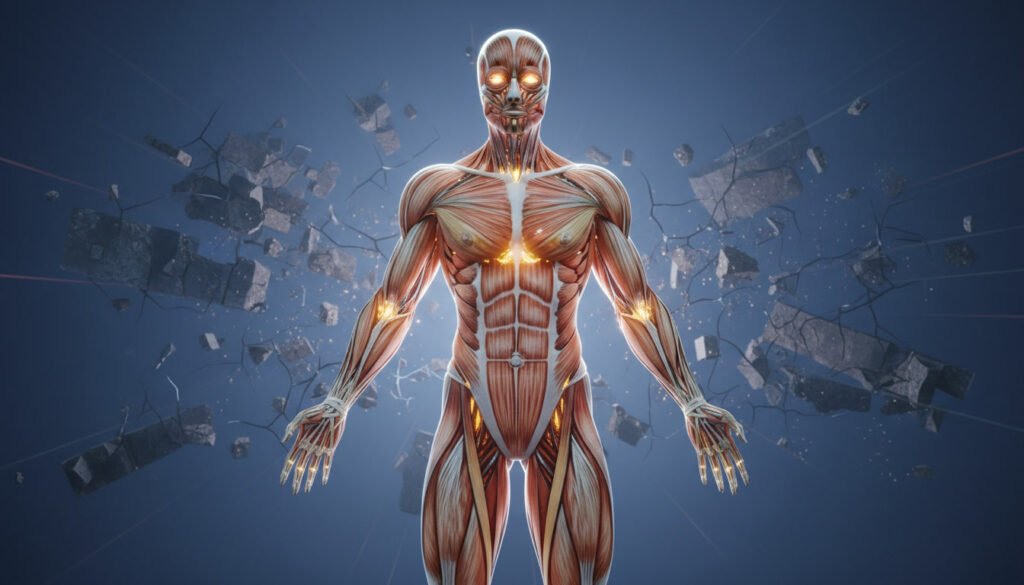
Functional Fitness Is a Longevity Strategy—If You Eat Right
Functional training already does something powerful: it respects how the body actually moves. Push. Pull. Hinge. Rotate. Carry. When nutrition aligns with that logic, the result isn’t just better workouts—it’s a body that holds up under time.
Muscle as Metabolic Insurance
Muscle isn’t cosmetic. It’s structural, metabolic, and protective.
Why muscle supports longevity
- Stabilizes joints and absorbs impact
- Improves blood-sugar handling and insulin sensitivity
- Reduces fall and fracture risk
- Helps preserve independence as you age
Lose muscle gradually and nothing dramatic happens—until everything does. Balance slips. Recovery drags. Injuries arrive faster and linger longer. High-protein functional nutrition isn’t about building more muscle than you need. It’s about not losing the muscle you can’t afford to give up.
Protein’s Role in Aging and Injury Resistance
Protein is the raw material behind repair. Every tendon that adapts. Every ligament that strengthens. Every muscle fiber that survives another hard session relies on it.
The challenge is that aging changes the rules. The body becomes less responsive to protein signals. What once worked effortlessly now requires precision. That’s not a flaw—it’s a prompt to get smarter.
Why Under-Fueling Accelerates Decline
Many people mistake restraint for discipline. They eat less protein to stay lean, lighter, controlled.
In the short term, it works. In the long term, it erodes the very tissues that keep training possible. Recovery slows. Minor aches become chronic. Sessions get skipped. Momentum breaks.
Longevity isn’t about doing less damage. It’s about repairing faster than damage accumulates.

The Longevity Protein Framework
Longevity nutrition lives in the details. Not extremes. Not trends. Details.
Protein Quality Over Quantity as You Age
More protein isn’t always better. Better protein is.
High-quality protein is complete, digestible, and efficient. It delivers essential amino acids without overwhelming the gut or inflaming the system. This matters more with age, when digestion and absorption are no longer automatic.
Think precision, not excess.
Amino Acids That Protect Joints and Tendons
Not all proteins serve the same purpose. Some build muscle volume. Others reinforce structure.
Tendons, ligaments, and connective tissue rely on specific amino acids that don’t get much attention—but quietly determine whether force transfers cleanly or something gives.
Longevity-focused eating prioritizes proteins that support movement, not just appearance.
Digestive Efficiency and Inflammation Control
You can eat perfectly on paper and still recover poorly if digestion can’t keep up.
Inflammation, bloating, and sluggish absorption turn good nutrition into noise. The goal is food that leaves you feeling clear, steady, and ready—not heavy or inflamed.
Recovery begins in the gut long before it shows up in the gym.
High-Protein Functional Recipes for Long-Term Performance
Recipes aren’t entertainment here. They’re delivery systems.
Joint-Support Meals (Collagen + Vitamin C Synergy)
Collagen has earned its reputation—but only when used correctly.
On its own, it’s incomplete. Paired with vitamin-C-rich foods and taken consistently, it becomes a building block for connective tissue that actually adapts to training.
These meals are quiet protectors. You don’t feel them working—until you realize something stopped hurting.
Anti-Inflammatory Functional Dinners
Dinner decides tomorrow.
The right combination of lean protein, anti-inflammatory fats, and micronutrient-dense plants reduces overnight inflammation and sets the stage for smoother movement the next day.
This isn’t about restriction. It’s about waking up ready instead of stiff.
Recovery-Optimized Breakfasts for Aging Athletes
Skipping protein early creates a deficit that’s hard to close later.
A recovery-focused breakfast stabilizes energy, supports muscle maintenance, and lowers stress hormones that interfere with repair. It doesn’t need to be heavy. It needs to be intentional.

Functional Nutrition for Injury-Proof Training
Injuries rarely arrive unannounced. They whisper first.
Tendon and Ligament Nutrition Basics
Connective tissue adapts slowly. It doesn’t bounce back overnight. That’s why consistency matters more than spikes.
Regular protein intake, paired with nutrients that support collagen synthesis, gives tendons and ligaments the chance to keep up with training demands instead of falling behind.
Bone Density Support Through Food
Bones respond to load—but only when nutrition allows them to rebuild.
Protein supports the bone matrix that gives density its strength. Undereat it long enough and the structure weakens quietly. This matters more with age, when recovery windows shrink.
Reducing Training Downtime With Smarter Meals
Missed sessions aren’t just lost workouts. They disrupt adaptation.
Smart meals shorten recovery time, reduce lingering soreness, and keep training rhythm intact. Longevity is built through continuity, not heroics.
Functional Fitness Meal Timing for Longevity
Timing isn’t obsession. It’s foresight.
Protein Distribution Across the Day
One oversized protein meal can’t do the work of several smaller signals.
Spreading protein across the day maintains a steady repair environment and offsets anabolic resistance. It’s less dramatic—but far more effective.
Nighttime Recovery Nutrition
Sleep is where repair cashes in.
Evening protein supports overnight muscle maintenance and connective tissue repair. It also improves morning readiness, especially when recovery is no longer automatic.
Training-Day vs Rest-Day Adjustments
Rest days aren’t pauses. They’re rebuild phases.
Protein intake shouldn’t drop just because training volume does. The body continues adapting long after the workout ends.

Longevity Tools, Foods & Supplements That Actually Matter
Most products promise performance. Very few support longevity.
Collagen: Myths vs Evidence
Collagen isn’t magic. It’s conditional.
Used without context, it disappoints. Used with proper timing and cofactors, it supports connective tissue resilience in a way few other supplements can.
Omega-3s, Magnesium, and Recovery
These don’t make headlines, but they stabilize the system.
They support inflammation control, neuromuscular signaling, sleep quality, and recovery depth. Over time, they reduce friction—the kind that wears bodies down quietly.
Kitchen Tools That Preserve Nutrients
How food is prepared matters.
Over-processing damages protein structure and oxidizes fats. Simple, low-stress cooking methods preserve what you’re trying to use. Nutrition that’s easy to execute is nutrition that lasts.
FAQs People Don’t Always Say Out Loud
“Is eating high protein really safe long term?”
Yes—when quality, digestion, and balance are prioritized. Problems arise from poor sources and poor context, not protein itself.
“What actually helps joints—not just muscles?”
Consistent intake of connective-tissue-supporting proteins, paired with vitamin C and anti-inflammatory foods.
“Do I need to eat differently as I get older?”
Not drastically—but more deliberately. Responsiveness changes. Strategy matters more.
Products / Tools / Resources
Below are practical, longevity-aligned items that make high-protein functional eating easier to execute—and easier to stick with—without turning your kitchen into a second job.

Hydrolyzed Collagen Peptides
Useful when paired with vitamin-C-rich foods to support tendons and ligaments—especially if your joints are “talking” more than they used to.Buy on Amazon

High-Quality Whey (or Plant) Protein
A practical way to distribute protein across the day—especially on busy mornings or when appetite runs low.Buy on Amazon

Omega-3 (Fish Oil) Supplement
Supports inflammation balance and joint comfort—helpful if stiffness tends to show up the day after training.Buy on Amazon

Magnesium (Glycinate)
A solid option for sleep depth and muscle relaxation—useful when recovery feels “stuck” even after a rest day.Buy on Amazon

Pressure Cooker or Slow Cooker
Great for lower-friction cooking and connective-tissue-friendly meals that don’t require constant attention.Buy on Amazon
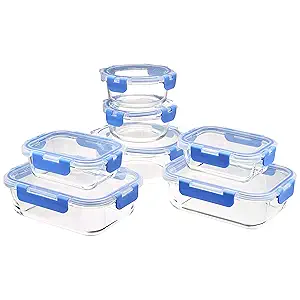
Glass Meal Prep Containers
Makes consistency easier and keeps meals fresh—especially if you batch-cook protein and rotate dinners through the week.Buy on Amazon
As an Amazon Associate, I earn from qualifying purchases.





2 Comments