
The Cellular Healing Foods Meal Plan: A Science-Backed Protocol That Rebuilds Your Body From the Inside Out
Table of Contents
There comes a moment when you realize it’s not just “being tired.” It’s something deeper. Your energy doesn’t bounce back like it used to. Meals that once felt harmless now leave you foggy, bloated, or heavy. You sleep, but you don’t wake restored.
At some point the question quietly shifts from, “What’s wrong with my diet?” to the more honest one:
“What’s actually happening to my cells?”
That’s where a cellular healing foods meal plan stops sounding like wellness jargon and starts feeling like strategy. Instead of obsessing over macros in isolation, you begin designing meals around what your cells actually need to repair, regenerate, and perform — day after day, decade after decade.
This guide is your operating manual. You’ll see why cellular healing matters right now, the exact foods that support it, and a practical, repeatable meal plan that feels human, not clinical. Think less “detox challenge,” more “evidence-based reset you can live with.”
If you’ve ever thought, “I just want my body to work properly again,” you’re in the right place.
What “Cellular Healing” Really Means (And Why It Matters Now)
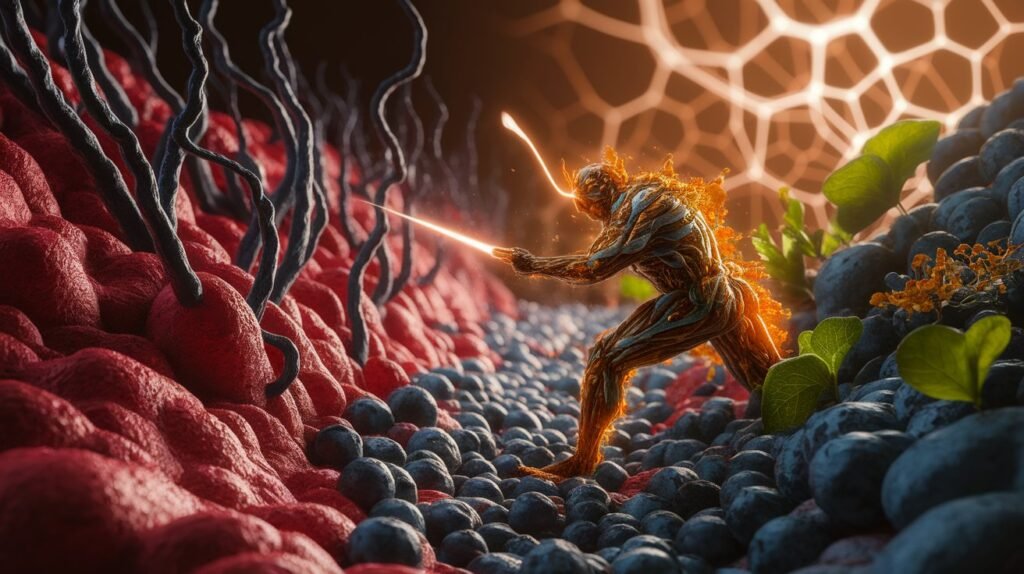
“Cellular healing” gets thrown around a lot, but underneath the buzzwords is a simple reality: your body is a construction site that never closes.
Every second, cells are damaged, repaired, recycled, or replaced. Some are just patched up. Others are completely retired and swapped out for new ones. What you eat every single day either:
- Supports repair and regeneration — giving your cells what they need to fix and rebuild, or
- Adds more friction and damage — leaving your cells to fight a losing battle.
Once you see food through that lens, labels like “good” or “bad” start to feel childish. Instead, meals become either pro-repair or pro-damage. A cellular healing foods meal plan is simply a consistent pattern of pro-repair choices that compound over time.
Cellular Repair vs. Cellular Regeneration — The Key Distinction
Two phrases you’ll hear a lot: repair and regeneration. They sound similar, but they’re not interchangeable.
Cellular repair is what happens when your body patches up existing cells that have been stressed, oxidized, or mildly damaged. Think of it like filling in cracks in a wall that’s still fundamentally solid. The structure is intact; it just needs maintenance.
Cellular regeneration steps in when repair is no longer enough. Heavily damaged or old cells are dismantled and replaced with new ones. That’s the demolition-and-rebuild phase, not just cosmetic touch-ups.
A well-constructed cellular healing meal plan aims to support both processes:
- Reducing ongoing damage from processed foods, unstable blood sugar, and inflammatory fats
- Supplying raw materials like amino acids, minerals, and healthy fats to rebuild cells and membranes
- Supporting “cellular housekeeping” like autophagy, detox pathways, and gut health
This isn’t about chasing some mythical “perfect” body. It’s about giving your biology a fighting chance to do what it’s wired to do.
How Oxidative Stress, Inflammation, and Aging Intersect
There are three quiet troublemakers that work together to push your cells in the wrong direction: oxidative stress, chronic inflammation, and accelerated biological aging.
Oxidative stress happens when free radicals outnumber your antioxidant defenses. Those free radicals start attacking cell membranes, proteins, and even DNA. It’s slow corrosion from the inside out.
Chronic inflammation is the low, constant background fire — not the obvious kind from injury, but the silent kind linked to poor diet, stress, sleep deprivation, and environmental toxins.
Biological aging is what happens when damage piles up faster than your body can repair it. You might be 45 on paper but operating like you’re 60 at the cellular level.
The pattern is brutal and simple:
Poor nutrition → more oxidative stress and inflammation → faster biological aging.
The good news is just as simple:
Nutrient-dense, anti-inflammatory, antioxidant-rich foods → less damage, better repair → slower biological aging and more usable energy.
That’s what this cellular healing foods meal plan is designed to leverage — not hacks, not gimmicks, but consistent inputs that move the needle in your favor.

The Hidden Role of Mitochondria in Longevity and Energy
If your cells are buildings, your mitochondria are the power plants that keep them running. They generate ATP — the energy currency your cells spend on literally everything.
When your mitochondria are supported, you feel it as:
- Steadier energy across the day
- Faster recovery after effort
- Sharper focus and less brain fog
- Better resilience to stress
When they’re overloaded or undernourished, the feedback is just as obvious:
- Dragging fatigue that sleep doesn’t fully fix
- Slow exercise recovery
- Mental haze
- Heightened sensitivity to stress and crashes
So when we talk about a cellular healing foods meal plan, we’re really talking about a mitochondria-supportive way of eating — meals that protect, fuel, and stabilize your cellular power supply instead of draining it.
The Core Foods That Drive Cellular Healing
You do not need a suitcase full of superfood powders to support your cells. The foundation is built from ordinary-looking foods that quietly have extraordinary effects when you eat them consistently.
We’ll focus on four core categories:
- Antioxidant-dense foods to buffer oxidative stress
- Omega-3 rich sources to stabilize membranes and inflammation
- Polyphenol-heavy superfoods that modulate cellular signaling
- Prebiotic and gut-healing plants to support the microbiome
Antioxidant-Dense Foods (Blueberries, Green Tea, Dark Leafy Greens)
Think of antioxidants as your internal damage-control crew. They step in when free radicals start getting loud and aggressive.
Some of the most reliable antioxidants show up in simple, accessible foods:
- Berries (especially blueberries, but also strawberries, raspberries, blackberries)
- Dark leafy greens like spinach, kale, Swiss chard, and arugula
- Green tea and matcha, rich in catechins such as EGCG
- Colorful vegetables like bell peppers, carrots, beets, red cabbage
Easy ways to bring them into a cellular healing foods meal plan:
- Add a mixed berry + spinach smoothie to your morning routine.
- Swap pale lettuces for darker greens in salads and bowls.
- Replace one coffee with green tea or matcha for an antioxidant boost.
Omega-3 Power Sources (Salmon, Mackerel, Chia Seeds)
Your cells are wrapped in membranes made largely of fat. The type of fat you eat changes how those membranes behave — how fluid they are, how they signal, how they respond to stress.
Consistently eating omega-3 rich foods helps tilt your body away from a pro-inflammatory state and toward a calmer, more responsive one.
High-impact omega-3 sources include:
- Fatty fish: salmon, mackerel, sardines, herring
- Plant sources: chia seeds, flaxseeds, walnuts, hemp seeds
You might:
- Schedule salmon or sardines into your dinner rotation 2–3 times a week.
- Stir chia or ground flax into oatmeal, yogurt, or smoothies.
- Keep walnuts on hand as a default “healthy fat” snack instead of crackers or candy.

Polyphenol-Rich Superfoods (Pomegranates, Cacao, Turmeric)
Polyphenols are powerful plant compounds that interact with your cells on multiple levels. They support antioxidant defenses, influence your gut microbiome, and can help modulate inflammatory pathways.
Some MVPs in this category:
- Pomegranate arils or unsweetened juice
- Cacao powder (unsweetened and minimally processed)
- Turmeric (ideally paired with black pepper to enhance absorption)
- Extra-virgin olive oil, rich in polyphenols and healthy fats
Practical ways to weave these into your cellular healing foods meal plan:
- Add turmeric and black pepper to soups, stews, and roasted vegetables.
- Use high-quality olive oil as your go-to dressing fat instead of seed oils.
- Swap sugary desserts for Greek yogurt with cacao powder and berries.
Prebiotic Fibers and Gut-Healing Plants
You cannot separate cellular health from gut health. Your microbiome helps regulate inflammation, influence immunity, and produce metabolites that interact directly with your cells and brain.
Prebiotic fibers feed beneficial bacteria. When those bacteria thrive, they produce short-chain fatty acids and other compounds that protect your gut lining and reduce systemic inflammation.
Common prebiotic and gut-supportive foods include:
- Allium vegetables: garlic, onions, leeks, spring onions
- Fibrous vegetables: asparagus, artichokes, Brussels sprouts
- Whole grains: oats, barley, quinoa (if tolerated)
- Fruit: especially slightly underripe bananas
- Fermented foods: yogurt, kefir, sauerkraut, kimchi (for those who tolerate them)
Supporting your microbiome is one of the least flashy but most powerful ways to help your cells heal over time.
The Complete Cellular Healing Foods Meal Plan
Now it’s time to translate the science into your plate.
This section gives you:
- A 1-day reset for immediate relief when you feel inflamed, puffy, or off track
- A 7-day regeneration meal plan you can cycle weekly
- A snack protocol that stops you from undoing your progress between meals
- A simple hydration and electrolyte strategy that keeps your cells moving nutrients in and waste out
Use this as a blueprint, not a rigid rulebook. Swap ingredients within the same category and adjust portions to your reality.
1-Day Reset Menu for Immediate Metabolic Relief
Use this day when you feel bloated, sluggish, or like you’ve been living on ultra-processed food. The goal is to drop dietary noise and flood your system with clean inputs.
Breakfast
- Warm water with lemon
- Green tea or matcha
- Omelet with 2–3 eggs, spinach, onions, and mushrooms cooked in olive oil
- ½–1 cup mixed berries on the side
Mid-Morning Snack
- Handful of walnuts
- Optional: small piece of dark chocolate (70%+ cacao)
Lunch
- Large salad with mixed leafy greens, cucumber, bell pepper, carrot
- Grilled salmon or sardines as your protein
- Extra-virgin olive oil and lemon as dressing
- Sparkling water or herbal tea
Afternoon Snack
- Apple or pear
- 1–2 tablespoons chia or pumpkin seeds
Dinner
- Baked or grilled fish or tofu
- Steamed broccoli with olive oil and garlic
- A small serving of quinoa or lentils
- Turmeric-infused herbal tea in the evening
Twenty-four hours of this pattern is often enough to feel the volume turn down on bloating, cravings, and cravings for junk. It’s also a clean on-ramp into your weekly cellular healing foods meal plan.
7-Day Regeneration Meal Plan (Breakfast–Dinner)
This 7-day rotation is designed to be realistic. No obscure ingredients, no separate “diet food” for one person and “normal food” for everyone else. Just cellular-supportive meals that can live in your real life.
Day 1
- Breakfast: Greek yogurt with mixed berries, ground flaxseeds, and a drizzle of honey
- Lunch: Lentil and vegetable soup with a side salad dressed in olive oil
- Dinner: Baked salmon, roasted Brussels sprouts, and a medium sweet potato
Day 2
- Breakfast: Spinach and mushroom omelet with green tea
- Lunch: Quinoa bowl with chickpeas, cucumbers, tomatoes, and tahini dressing
- Dinner: Grilled chicken or tempeh, sautéed kale, and brown rice
Day 3
- Breakfast: Smoothie with spinach, berries, chia seeds, almond milk, and a spoon of nut butter
- Lunch: Sardine salad with mixed greens, olives, tomatoes, and capers
- Dinner: Turkey or lentil chili with beans and mixed vegetables
Day 4
- Breakfast: Oatmeal cooked in water or plant milk with cinnamon, walnuts, and sliced apple
- Lunch: Tofu or shrimp stir-fry with mixed vegetables, garlic, ginger, and tamari over quinoa
- Dinner: Baked cod, roasted carrots, and a large side salad
Day 5
- Breakfast: Chia pudding (soaked overnight) topped with pomegranate and almonds
- Lunch: Mediterranean-style salad with olives, tomatoes, cucumbers, feta (if tolerated), and olive oil
- Dinner: Grass-fed beef or lentil stew with root vegetables
Day 6
- Breakfast: Scrambled eggs with tomatoes, onion, and avocado
- Lunch: Buddha bowl with brown rice, black beans, roasted veggies, and salsa
- Dinner: Mackerel or trout, steamed asparagus, and roasted beets
Day 7
- Breakfast: Berry smoothie bowl topped with low-sugar granola, hemp seeds, and coconut flakes
- Lunch: Vegetable-packed minestrone soup with a side of fermented vegetables
- Dinner: Roast chicken or baked tofu, mixed roasted vegetables (zucchini, peppers, onions), and a leafy green salad
You can repeat this 7-day pattern, swapping proteins, vegetables, or grains based on preference and season. The core structure stays the same: fiber, healthy fats, quality protein, and colorful plants at nearly every meal.
Snack Protocol That Supports Mitochondrial Repair
Most people don’t lose momentum at meals. They lose it in the snack zone — grabbing whatever is closest when energy dips or stress hits.
Here, snacks are not entertainment. They’re short, targeted interventions to support your cellular healing foods meal plan, not sabotage it.
Build your snacks from these three pillars:
- Healthy fats: walnuts, almonds, pumpkin seeds, olives
- Fiber + polyphenols: berries, apples, pears, carrots, celery with hummus
- Protein support: boiled eggs, Greek yogurt, edamame
Example combinations:
- Handful of walnuts + cup of green tea
- Greek yogurt with a spoon of cacao powder and a few berries
- Apple slices with almond butter
Each snack should do at least one job: stabilize blood sugar, calm cravings, or supply usable nutrients. If it doesn’t, it doesn’t make the cut.
Hydration & Electrolyte Strategy for Cellular Efficiency
Your cells are not just bags of nutrients. They’re fluid environments that depend on the right balance of water and electrolytes to do anything: move nutrients in, move waste out, transmit signals, contract muscles.
Chronic low-grade dehydration can quietly sabotage even the best cellular healing meal plan.
A simple, realistic approach:
- Start the day with a glass of water, a squeeze of lemon, and a pinch of mineral-rich salt if appropriate for you.
- Sip water or herbal tea consistently across the day instead of chugging a huge amount at once.
- On days with sweating or intense activity, include lightly diluted coconut water or homemade electrolyte water (water, pinch of salt, lemon, optional magnesium if cleared by your healthcare provider).
How to Personalize Your Meal Plan for Maximum Repair
No matter how smart a protocol is, it won’t work if it ignores your real life. Personalization is where a general cellular healing foods meal plan becomes your own.
Adjusting for Activity Level, Sleep Quality, and Stress
If you’re highly active — training regularly, walking a lot, or working a physically demanding job — your body will likely need more:
- Protein from fish, eggs, beans, tofu, or lean meats
- Complex carbohydrates like quinoa, oats, sweet potatoes, or brown rice
Anchor your carbs around movement windows. A post-workout meal built around protein + complex carbs + antioxidants can support both performance and cellular repair.
If you’re more sedentary or under heavy stress, you might emphasize:
- Plenty of non-starchy vegetables
- High-quality protein and healthy fats
- More controlled portions of starchy carbs, especially later at night
If your sleep is consistently poor, consider:
- Dialing back caffeine, especially after midday
- Including magnesium-rich foods like leafy greens, nuts, and seeds in evening meals
- Avoiding heavy sugar and alcohol close to bedtime
The same cellular healing foods hit differently in a well-rested body than in a constantly exhausted one. Adjusting your pattern to your reality is not optional; it’s where results come from.

The Role of Fasting Windows & Digestive Rest
You don’t have to dive into extreme fasting to benefit from digestive rest. Simply tightening your eating window — in a way that feels sustainable — can give your body more time to process, repair, and reset.
A realistic, widely accessible pattern is:
- A 12–14 hour overnight fast most days (e.g., finish dinner at 8 pm, have breakfast between 8–10 am)
- Avoid constant grazing late into the night
- Let your last meal be satisfying but not overly heavy
Longer fasting windows (like 16:8) may be helpful for some people but should be approached gradually and with medical guidance, especially if you have existing health conditions or take medications.
Supplement Synergy (Omega-3, NAC, Vitamin D, Magnesium)
Food is the foundation. Supplements are optional tools — they can help, but they do not replace a solid cellular healing foods meal plan.
Avoid turning hydration into a sugar delivery system via neon-colored sports drinks or sweetened beverages. You want support, not another metabolic problem.
Commonly discussed supplements in the context of cellular support include:
- Omega-3 fatty acids — for inflammation modulation and cell membrane health
- Vitamin D — for immune and cellular function, particularly in low-sun environments
- Magnesium — involved in hundreds of enzymatic reactions, including those linked to energy production
- NAC (N-acetylcysteine) — a precursor to glutathione, one of the body’s key antioxidants
Important: Supplements are not one-size-fits-all. They can interact with medications and may not be appropriate for everyone. Always check with a qualified healthcare professional before adding new supplements to your routine.
FAQs: Real Questions People Ask About Cellular Healing
How long does it actually take to notice cellular healing?
No honest person can give you a single number — but you can think in layers.
- Within days: You may notice steadier energy, fewer crashes, and less bloating as you reduce ultra-processed foods and sugar spikes.
- Within weeks (around 3–8 weeks): Changes in digestion, skin quality, mood, and baseline energy often become more obvious when you follow a cellular healing foods meal plan consistently.
- Within months and beyond: Deeper shifts in weight, metabolic health markers, inflammation, and resilience typically show up over 3–12+ months of sustained behavior — not one perfect week.
Cellular healing is less about flipping a switch and more about changing the direction you’re moving in — from constant damage toward steady repair.
Is food alone enough to repair my cells?
Food can move you a long way — but it’s not the only lever.
A cellular healing foods meal plan can absolutely:
- Provide the raw materials your body needs for repair
- Reduce ongoing damage from inflammatory and ultra-processed foods
- Support your gut, hormones, and blood sugar stability
But cellular repair is also shaped by:
- How well you sleep
- How often you move
- How you handle stress
- Your environment (smoke, pollutants, toxins)
- Underlying health conditions and medication use
Food is the foundation. When you get that foundation right, every other healthy habit you stack on top tends to work better. But it’s rarely the only variable.
What foods actually help slow cellular aging?
There’s no single anti-aging food, but there are patterns consistently linked to better aging outcomes.
In broad strokes, foods that tend to support slower biological aging are:
- Rich in antioxidants and polyphenols — berries, leafy greens, cruciferous vegetables, herbs, spices
- High in healthy fats — fatty fish, olive oil, nuts, seeds
- Supportive of gut health — fiber-rich plants, fermented foods (if tolerated)
- Minimally processed — whole-food sources instead of ultra-processed, additive-heavy products
Think less in terms of discovering the “one magic food” and more in terms of maintaining a long-term pattern: meals built around plants, clean proteins, healthy fats, and simple preparation methods your grandparents would recognize.
Note: This guide is educational and not a substitute for personal medical advice. If you have chronic conditions, take medication, or have specific dietary needs, work with a healthcare professional to adapt these principles safely.
Products / Tools / Resources
Want to make your cellular healing foods meal plan easier to apply in real life? These categories of tools and resources can help you move from “good intentions” to repeatable habits. Links below are Amazon affiliate links using, which means you support the content at no extra cost to you.
- Cellular & Longevity-Focused Cookbooks
Explore cookbooks built around anti-inflammatory, longevity, or cellular-supportive eating. Look for ones with practical meal plans and grocery lists to reduce friction.
Browse cellular healing & longevity cookbooks on Amazon - High-Quality Omega-3 Supplements
If you don’t eat fatty fish several times a week, an omega-3 supplement (fish oil or algae-based) can help fill the gap, with your doctor’s approval.
See top-rated omega-3 supplements on Amazon - Magnesium & Vitamin D Support
Many adults fall short on magnesium and vitamin D, both of which play roles in energy production, muscle function, and cellular processes. Always check with a healthcare professional before supplementing.
Explore magnesium supplements on Amazon
Browse Vitamin D3 + K2 options on Amazon - Glass Meal Prep Containers
Meal prep becomes much easier when you have durable containers you actually like using. Glass is a solid choice for reheating and avoiding plastic where possible.
Shop glass meal prep container sets on Amazon - High-Quality Olive Oil & Pantry Staples
Since olive oil, spices, and whole grains show up repeatedly in a cellular healing foods meal plan, upgrading these staples pays off quickly in flavor and health impact.
Discover extra-virgin olive oils on Amazon
Explore organic spice sets on Amazon - Blenders & Smoothie Tools
Smoothies are one of the easiest ways to pack berries, greens, fiber, and healthy fats into a single, repair-focused meal. A reliable blender makes “healthy default” breakfasts much easier.
View high-speed blenders on Amazon
None of these tools are mandatory. But if you want your cellular healing foods meal plan to feel less like a project and more like a lifestyle, the right resources can quietly remove friction and make the “healthy choice” the easy one.