

Transform Your Family’s Health with Farm-to-Table Dinners for Kids
Table of Contents
Parents everywhere feel it—the quiet unease that comes from watching kids grow up in a world dominated by ultra-processed food. This guide is all about farm-to-table dinners for kids that help you reclaim flavor, health, and home culture one meal at a time.
On this page
- The farm-to-table revival
- Building a family farm-to-table routine
- Transformative kid-friendly recipes
- Turning it into a family identity
- Products / tools / resources
Parents everywhere feel it—the quiet unease that comes from watching kids grow up in a world where snacks come in neon colors, dinner tastes the same no matter the season, and entire meals are poured out of a box or torn from a wrapper. Something gets lost along the way. Kids forget what real food tastes like, or maybe they never learned in the first place. And parents, caught between convenience and conscience, feel pulled in a hundred directions.
That’s why the farm-to-table movement isn’t just “having a moment.” It’s a deep, collective exhale. A return. A correction. A chance to rebuild the relationship kids have with food—slowly, gently, one dinner at a time. Instead of centering life around whatever is fastest, you begin centering it around what is freshest, real, and connected to something larger than the grocery aisle.
This shift isn’t about perfection. It’s about reclaiming the dinner table as a place where flavor still has seasons, ingredients have stories, and health doesn’t arrive in a bottle but in a bowl of something warm, fresh, and alive. For families searching for grounded, practical change, farm-to-table dinners for kids become less of a trend and more of a long-term survival strategy.
You don’t need to move to the countryside or grow everything yourself. You just need to move one step closer to real food, one weeknight at a time.
The Farm-to-Table Revival — Why It Matters for the Next Generation
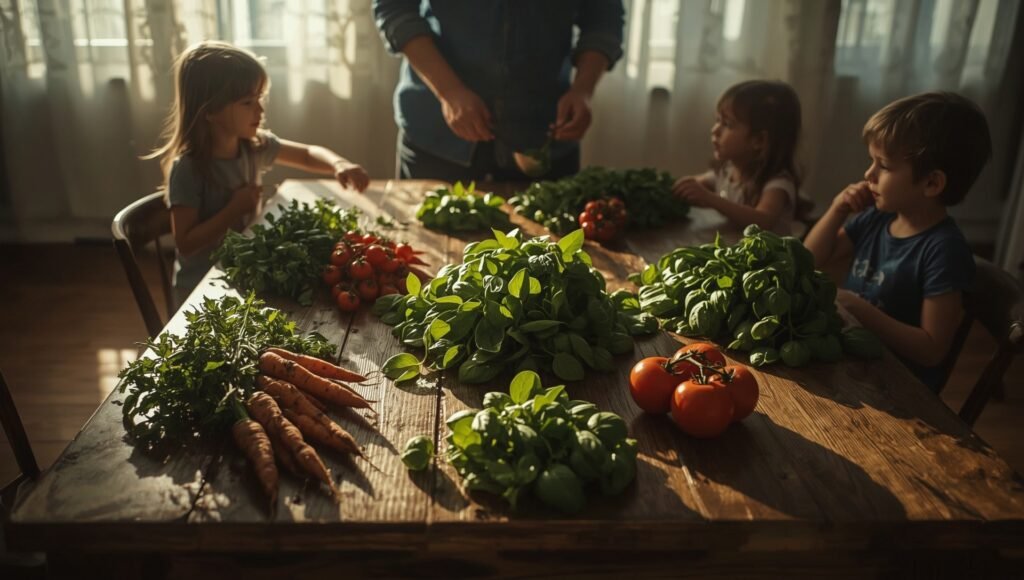
From Processed to Pure: The Hidden Impact of Industrial Food Farm-to-Table Dinners for Kids
If you’ve ever watched a child push away a vegetable with absolute disgust—while happily inhaling a snack so bright it practically glows—you’ve seen the long shadow of ultra-processed food. These foods are engineered to be loud: loud in flavor, loud in color, loud in texture. They flood kids’ taste buds with oversimplified hits of salt, sugar, and artificial flavoring, dulling their ability to appreciate anything subtle or nuanced.
Over time, natural food begins to feel “wrong” to them. Fresh tomatoes taste too acidic. Real strawberries feel too quiet. Leafy greens are dismissed as “weird.” Their palates have been trained to expect fireworks in every bite, and anything less feels like disappointment.
Farm-to-Table Dinners for Kids eating doesn’t fight that with lectures or scare tactics. It quietly retrains the senses. When kids are served dishes built from ripe tomatoes, sweet peas, crisp carrots, and fragrant herbs, they start to notice again. They pick up on sweetness that isn’t manufactured, the warmth of roasted vegetables, the peppery bite of fresh greens. Their palates slowly wake back up—and once that switch flips, it rarely flips back.
How Local Ingredients Build Immunity, Focus, and Flavor Literacy
There’s a distinct difference between something harvested last week and something harvested this morning. Produce picked closer to peak ripeness tends to carry more vitamins, antioxidants, and living energy than its shelf-stable cousins. For kids, that extra nutritional density isn’t a minor detail—it’s the difference between coasting through the day and crashing halfway through it.
Local ingredients support:
- Steadier focus, without the rollercoaster of blood-sugar spikes and crashes
- Stronger gut health, which is closely tied to immunity and mood
- Improved resilience during cold and flu seasons
- A richer sensory experience that teaches kids what real flavor actually feels like
Because Farm-to-Table Dinners for Kids ingredients bring real variation—sweetness, earthiness, acidity, bitterness—children begin developing what you might call “flavor literacy.” They learn to distinguish flavors, to describe them, to enjoy them. That literacy isn’t just about meals; it’s about awareness. It lays a foundation for better decisions for the rest of their life.
Psychological Roots: Teaching Food Appreciation as a Family Value
When a child eats something grown nearby, something that carries a story, something they may have helped wash or choose, food stops being just “stuff on a plate.” It becomes connection. Farm-to-table dinners turn into quiet, recurring lessons about gratitude without anyone needing to stand up and make a speech.
Kids absorb dozens of cues in every meal:
- We respect where our food comes from.
- We pay attention to seasons and origins.
- We sit down and share meals together, even when life is busy.
Over time, those cues turn into identity. Instead of “a family that occasionally tries to eat healthier,” you become “a family that values real food.” For a child, that identity is far more powerful than any rule about finishing their vegetables on Farm-to-Table Dinners for Kids.
Building the Perfect Farm-to-Table Routine for Families
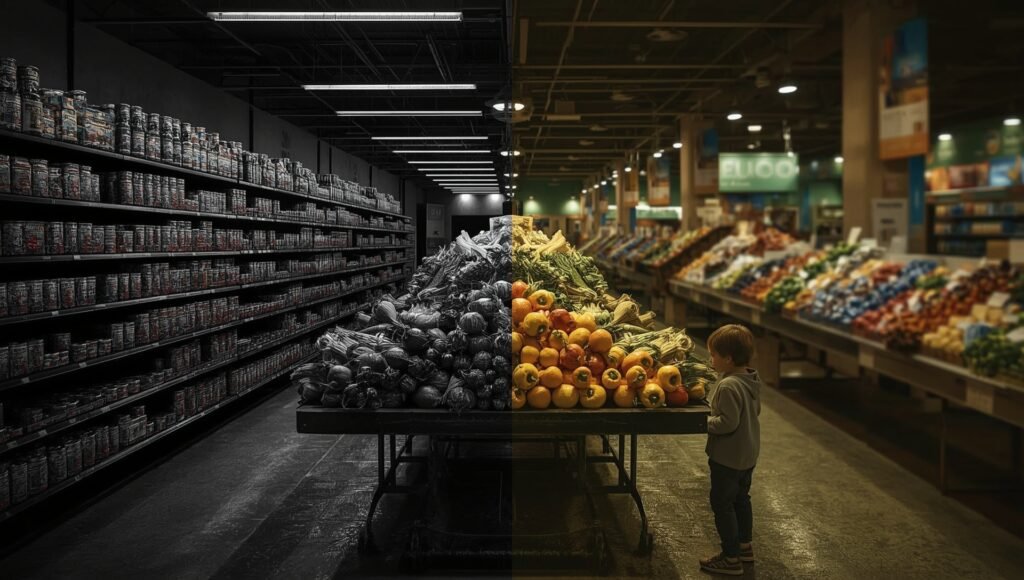
Sourcing Made Simple — How to Find Local Farms, CSAs, and Markets
You don’t need acres of land or a backyard garden to bring farm-to-table dinners for kids into your home. Modern food systems, for all their flaws, have also created some surprisingly accessible pathways back to fresh, local food.
Three of the easiest ways to start:
- Local farms and u-pick fields: Perfect for ultra-fresh produce and unforgettable weekend outings. Kids remember pulling a carrot from the ground far more than they remember strolling an aisle under fluorescent lights.
- CSA subscription boxes (Community Supported Agriculture): Fresh, seasonal produce is delivered weekly, forcing a gentle, positive constraint—work with what’s in the box and learn the rhythm of the seasons almost by accident.
- Farmers’ markets: Part errand, part adventure. Children walk past tables loaded with tomatoes, herbs, berries, and greens, learning through touch, smell, and color. You pick up groceries; they pick up food awareness.
Parents are actively searching for phrases like “CSA near me,” “farm-to-table produce box,” and “local farms for families.” These aren’t theoretical trends—they’re real questions from real households looking for better options.
The Kid-Friendly Kitchen Setup: Tools, Roles, and Routines
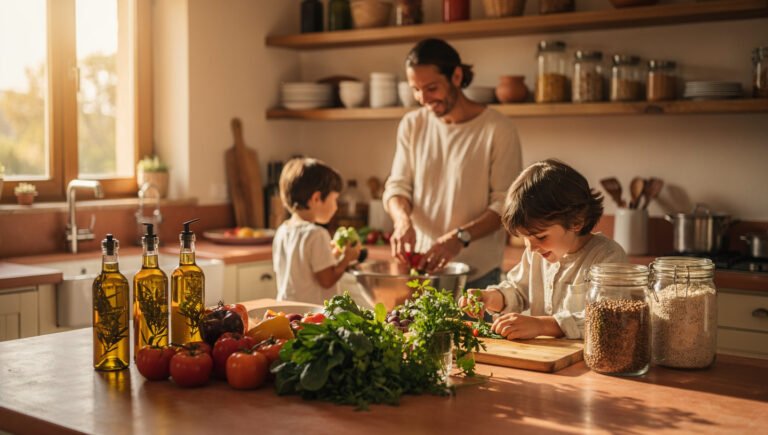
Kids are dramatically more likely to eat what they helped create. Even the smallest contribution—stirring a pot, tearing herbs, rinsing tomatoes—turns resistance into curiosity. The kitchen becomes less of a “grown-up zone” and more of a shared space.
A simple kid-friendly layout might include:
- A low, stable surface where kids can handle washed produce
- A drawer with kid-safe knives, peelers, small cutting boards, and mixing bowls
- A “stirring station” near the stove where children can safely help with supervised tasks
Assigning roles creates a sense of ownership:
- One child chooses which vegetables go into the dish
- Another rinses and dries the produce
- Someone else tears herbs, stirs, or does the “final taste test”
These simple tasks don’t just make dinner faster. They send a quiet signal: “This is our meal, not just something that appeared in front of you.” That shift in ownership changes how kids react when the plate hits the table.
3 Seasonal Dinner Frameworks Kids Will Actually Eat
Instead of reinventing the wheel every night, build around seasonal frameworks. Kids thrive on repetition with small twists. They start to expect certain flavors when the weather changes, and that expectation becomes part of your family rhythm.
- Spring: Fresh, tender, bright. Think lemony greens, peas, asparagus, light vegetable pastas. Meals that feel like opening a window.
- Summer: Sweet, juicy, colorful. Corn, tomatoes, zucchini, herbs. Quick sautés, light risottos, and simple bowls built from what’s in abundance.
- Fall: Warm, earthy, cozy. Squash, root vegetables, onions, and slow-simmered stews. Bowls that feel like blankets.
As you repeat these patterns year after year, your children begin to internalize seasonality without you ever needing to “teach” it. Spring tastes one way. Fall tastes another. That understanding of food as cyclical—not static—is one of the most powerful lessons farm-to-table dinners for kids can offer.
Transformative Recipes That Anchor Connection
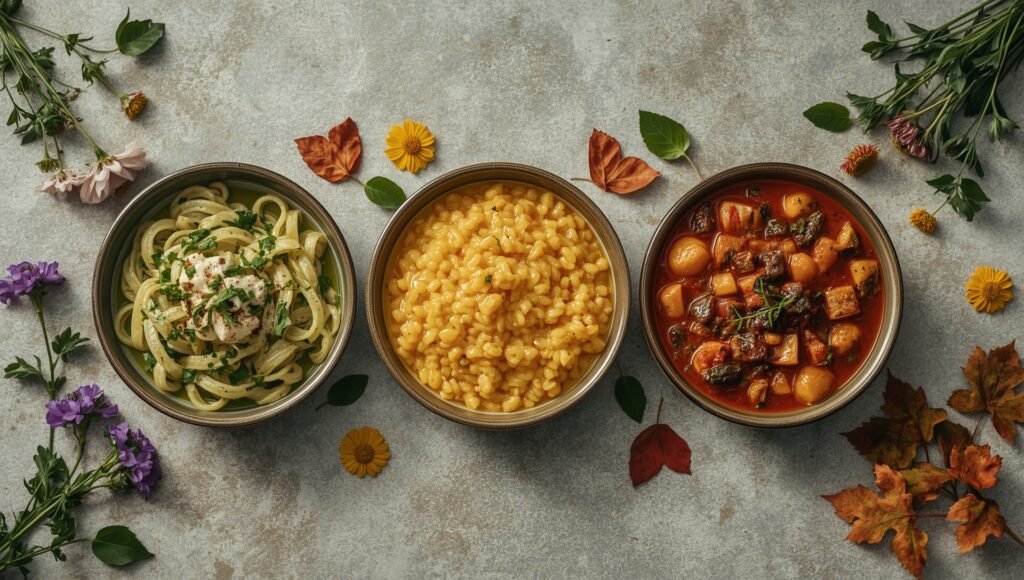
One-Pot Garden Veggie Pasta (Spring Reset)
Picture a pot filled with cherry tomatoes that burst into sweetness, peas that pop with brightness, spinach that melts into silk, and herbs that perfume the entire kitchen. One-pot garden veggie pasta tastes like spring waking up. It’s gentle enough for cautious eaters but vibrant enough that adults look forward to it just as much.
You get a bowl full of color and quiet nutrition. They get a bowl that doesn’t feel like “health food”—just good food.
Sweet Corn & Herb Risotto (Summer Comfort)
Sweet corn & herb risotto is comfort food with a conscience. Fresh corn kernels add natural sweetness, while a handful of basil, chives, or parsley keeps things bright. The dish is creamy and soothing without needing heavy processed shortcuts.
For kids, it feels like a treat. For parents, it’s a small victory: a dinner built around whole ingredients that still checks the “comfort food” box on a long day.
Root Veggie Harvest Stew (Fall Warmth)
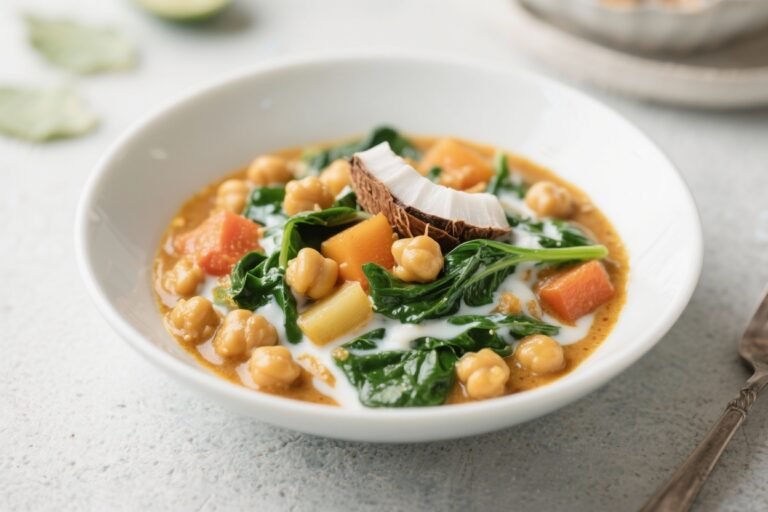
Root veggie harvest stew is everything good about autumn captured in a single pot. Carrots, sweet potatoes, parsnips, and onions slowly soften into a rich, deeply flavored stew that makes the whole house smell like warmth.
Kids who swear they “hate vegetables” often soften when those same vegetables are tucked into a spoonful of something cozy and familiar. This is how farm-to-table dinners for kids quietly rewire their expectations: the ingredients don’t change, but the story around them does.
How to Turn Farm-to-Table Into a Lifelong Family Identity
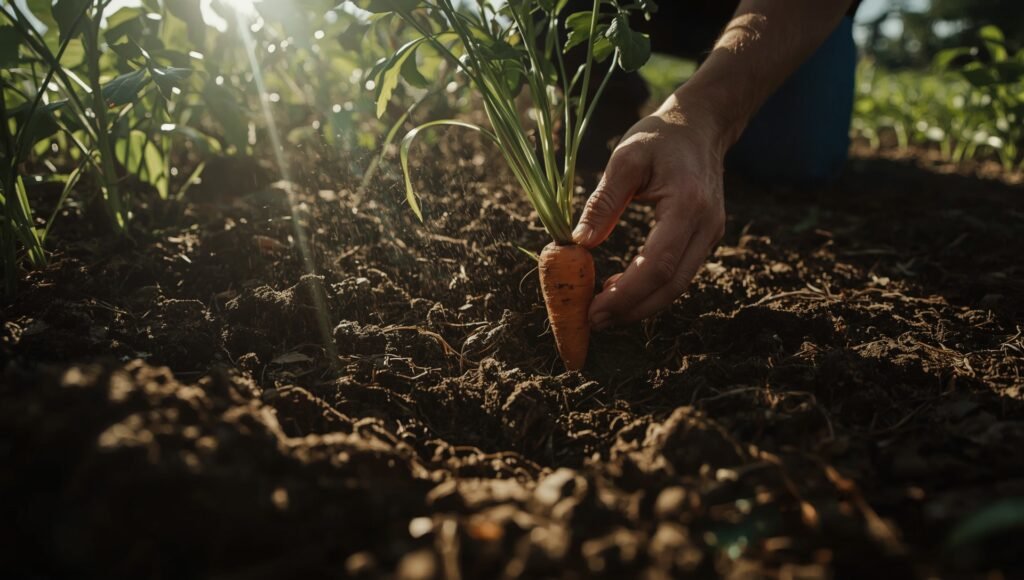
Ritual, Routine, and Reward: Creating the “Family Food Culture”
Children cling to what’s predictable. When farm-to-table cooking shows up as ritual instead of sporadic effort, it stops feeling like another task and starts feeling like who you are as a family. Farmers’ market Saturdays, pasta night on Tuesdays, stew Sundays in the fall—these patterns matter more than any single recipe.
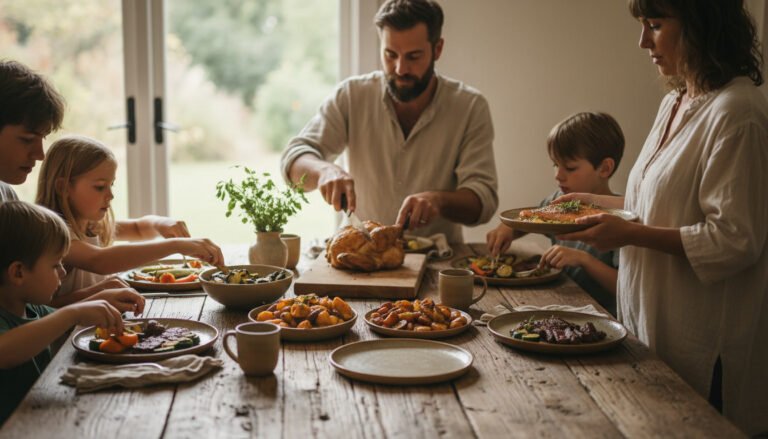
Over time, your home takes on a quiet but powerful tagline: “We are a family that eats real food together.” No posters on the wall, no lectures at the table. Just repetition, routine, and small rewards—full bellies, good conversation, and a sense of calm in a world that rarely slows down.
Integrating School Lunches & Home Meals into a Unified System
If dinners at home are fresh but lunches are ultra-processed, the signals get confusing. Kids toggle between two worlds: one where food is alive and varied, another where it’s packaged and predictable. You don’t have to overhaul everything at once, but aligning the two makes the message stronger.
Simple shifts might look like:
- Packing fresh fruit instead of fruit-flavored snacks
- Swapping processed lunch meats for leftover roasted chicken or beans
- Including colorful vegetable sticks with a dip they love
The goal isn’t perfection. It’s coherence. When home and school meals speak the same language, kids get a clear sense of what “normal” really is.
Teaching Kids to Respect Food Origins (Simple Micro-Lessons)
The most powerful food lessons rarely happen in front of a whiteboard. They happen in passing, while someone is rinsing carrots or tearing basil leaves. Your child doesn’t need a lecture about soil science—they need small, tangible experiences that make food feel real.
Micro-lessons might look like:
- Letting them smell fresh herbs before you chop them
- Showing them the dirt still clinging to a potato or carrot
- Pointing out how tomatoes grow differently from lettuce or beans
- Mentioning, in a single sentence, what season a certain ingredient belongs to
Each of those tiny moments becomes part of their internal story about food. Over time, that story becomes identity. And identity is what guides their choices long after they’ve grown up and are shopping and cooking for themselves.
Products / Tools / Resources
You don’t need a fully outfitted chef’s kitchen to make farm-to-table dinners for kids part of your routine. A few thoughtful tools can make the process smoother, safer, and a lot more fun—for you and your kids.
Kid-Safe Kitchen Knives
Let kids safely slice soft fruits and vegetables so they can be part of prep without you hovering in panic mode.
- Rounded tips for safety
- Sized for small hands
- Builds confidence and kitchen skills
Browse kid-safe kitchen knife sets on Amazon
Cast Iron Dutch Oven
Ideal for stews, risottos, and one-pot veggie pastas that go straight from stovetop to table with minimal fuss.
- Even heat for consistent cooking
- Perfect for batch cooking and leftovers
- Durable enough to last for years
See cast iron Dutch ovens recommended for family cooking
Reusable Produce Bags
Take them to the farmers’ market or grocery store so your kids see the link between fresh produce and lower waste.
- Lightweight and breathable
- Cut down on plastic use
- Great visual cue for “fresh first” habits
Shop reusable produce bag sets on Amazon
Farmers’ Market Tote
A sturdy, roomy tote makes market trips feel intentional—and kids love helping pack it.
- Strong enough for heavy veggies
- Easy to clean and reuse
- Turns shopping into a shared ritual
Explore durable farmers’ market tote bags on Amazon
Herb Starter Kit
A simple windowsill herb kit lets kids grow basil, parsley, or mint—then taste their own harvest in dinner.
- Teaches patience and ownership
- Adds fresh flavor to everyday meals
- Perfect entry point into growing food
Check out indoor herb starter kits on Amazon
Small Cutting Boards for Kids
Colorful, easy-to-clean boards make it clear which space belongs to your young helper during prep time.
- Sized for smaller work areas
- Helps separate raw and ready-to-eat foods
- Invites kids into the process visually
Find small cutting board sets suited for family kitchens
These tools aren’t about making your kitchen look impressive; they’re about making it easier for kids to see, touch, and participate in the journey from farm to table.
As an Amazon Associate, I earn from qualifying purchases.


2 Comments