
What Are High-Protein Functional Meals and Why They Work
Let’s get straight to it: what are high-protein functional meals, really? Most people think they’re just “meals with more protein.” That shallow definition causes confusion, wasted money, and mediocre results. I see it all the time—and yeah, it drives me nuts IMO.
Here’s the friction: people eat “healthy,” track macros, maybe even buy fancy powders… and still feel tired, hungry, or stalled. That frustration builds fast. This article exists to cut through the noise and explain functional meals explained the way pros actually use them, not the Instagram version.
I’ll show you what separates protein-based functional meals from regular high-protein food—and why that difference matters more than calories ever will.
Table of Contents
- What Are High-Protein Functional Meals?
- “Functional Meals Explained” Without the Marketing Nonsense
- High-Protein ≠ Functional (This Is Where People Mess Up)
- The Real Roles Protein Plays in Functional Meals
- Myth-Busting: Common Lies About High-Protein Functional Meals
- Under-the-Radar Tactics Pros Use (But Rarely Share)
- Examples of Protein-Based Functional Meals (And Why They Work)
- Strategic Comparisons: Functional Meals vs “Clean Eating”
- How to Tell If a Meal Is Truly Functional
- The Insider Takeaway Most People Miss
What Are High-Protein Functional Meals?
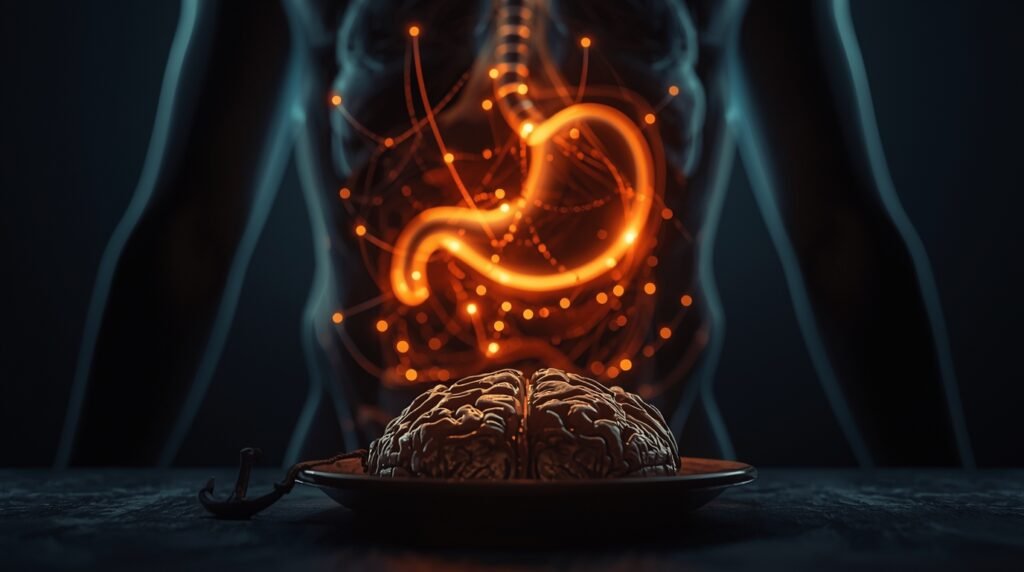
High-protein functional meals are meals intentionally designed to do a specific job in the body—such as improving energy, muscle recovery, metabolic health, or satiety—using protein as the primary driver, supported by targeted nutrients, timing, and food quality. They focus on outcomes, not just macros.
Now let’s go deeper, because that sentence alone doesn’t change behavior.
“Functional Meals Explained” Without the Marketing Nonsense
Most meals feed you. Functional meals work for you. That’s the line I draw.
A functional meal answers at least one of these questions before you eat it:
- What problem does this meal solve?
- What physiological lever does it pull?
- Why does protein play a starring role here?
If the meal can’t answer those, it’s just food.
The 3 Non-Negotiables of a Functional Meal
A real functional meal checks all three boxes below:
- Intentional protein load
Not “some protein.” Enough to trigger a response—muscle protein synthesis, appetite suppression, or blood sugar stability. - Supportive co-nutrients
Think fiber, micronutrients, fats, or bioactive compounds that amplify protein’s effect. - Timing with purpose
Morning protein hits differently than late-night protein. Context matters.
Miss one, and you downgrade the meal from functional to forgettable. If you want a deeper framework and examples that map to real-life schedules, the high-protein and functional meal guide covers the bigger playbook without the “macro math headache.”
High-Protein ≠ Functional (This Is Where People Mess Up)
Here’s a hot take: most high-protein meals aren’t functional at all.
A chicken breast and white rice technically count as high-protein. But unless you’re lifting heavy within a few hours, that meal doesn’t do much.
High-Protein Meals (Basic)
- Focus on grams
- Ignore timing
- Ignore context
- Often lead to “Why am I still hungry?”
Protein-Based Functional Meals (Advanced)
- Focus on outcomes
- Pair protein with a goal
- Respect hormonal and metabolic timing
- Reduce decision fatigue and cravings
That difference explains why some people thrive on fewer meals while others snack endlessly. And if your goal involves training output (or you just want to stop feeling wrecked the day after), I’d also look at high-protein meals for endurance and recovery for the “protein with a job” approach.

The Real Roles Protein Plays in Functional Meals
Protein wears multiple hats. Most people only notice one.
1. Protein as a Metabolic Signal
Protein doesn’t just build muscle—it sends instructions.
A solid protein dose:
- Blunts blood sugar spikes
- Reduces ghrelin (hunger hormone)
- Increases diet-induced thermogenesis
This explains why a protein-forward breakfast often kills cravings all day. I’ve tested this on myself and dozens of clients, and the pattern stays boringly consistent 🙂
If you struggle to hit protein early because mornings feel chaotic, a fast, real-food smoothie can help—just do it like an adult and keep it thick enough to count as a meal. The high-protein recipes using blender roundup gives you better ideas than “banana + regret.”
If you want a practical, no-drama protein booster for mornings or post-workouts, a quality whey isolate often earns its keep. Try a simple search link like whey isolate options that mix smoothly and keep you full and pick one with minimal additives and solid third-party testing.
2. Protein as a Recovery Accelerator
Post-training protein isn’t about “getting swole.” It’s about recovery bandwidth.
Functional meals here aim to:
- Reduce muscle damage
- Restore amino acid pools
- Support connective tissue
This works best when protein comes with anti-inflammatory nutrients (think omega-3s, magnesium, polyphenols).
One boring-but-effective tool that improves consistency: a digital kitchen scale. People hate that recommendation because it feels “extra,” but it removes guesswork fast. Here’s a practical option: a simple digital kitchen scale to dial in protein portions.
3. Protein as an Appetite Control Tool
This is where functional meals quietly outperform diets.
A strategically designed protein-based functional meal can:
- Delay hunger for 4–6 hours
- Reduce decision fatigue
- Make calorie control almost accidental
That’s not discipline—that’s design.
If you want appetite control to feel automatic, you need repeatable meals. Meal-prep containers make that boring repetition easier (and yes, boring wins). Here’s the kind of thing I mean: glass meal prep containers that handle reheating without weird smells.
Myth-Busting: Common Lies About High-Protein Functional Meals
Let’s clean house.
Myth #1: “More protein is always better”
Nope. Protein has a dose-response curve. Past a certain point, you just stress digestion and crowd out other nutrients.
Functional meals use enough, not excessive, protein.
Myth #2: “Functional meals are only for athletes”
Wrong audience.
Functional meals shine for:
- Busy professionals
- People managing insulin resistance
- Anyone stuck in the snack-restrict-repeat cycle
Athletes just get louder marketing.
Myth #3: “You need supplements to make meals functional”
FYI, supplements support function—they don’t define it.
Whole foods still do the heavy lifting.
Under-the-Radar Tactics Pros Use (But Rarely Share)
This is the stuff I wish more people talked about.
Protein Anchoring
Pros build meals around a protein anchor, then layer foods that enhance its effect.
Example logic:
- Protein → satiety
- Fiber → slower digestion
- Healthy fat → hormonal support
This beats random macro juggling every time.
Texture Matters More Than You Think
Chewing increases satiety hormones. Liquid protein skips that step.
Functional meals often prioritize:
- Solid or semi-solid protein
- Whole-food textures
- Slower eating speeds
Protein shakes have a place—but they don’t replace meals.
Circadian Protein Timing
Morning protein improves insulin sensitivity more than late-night protein for most people.
That’s why functional breakfasts punch above their calorie weight.

Examples of Protein-Based Functional Meals (And Why They Work)
Let’s make this practical.
Breakfast: Protein-Forward, Fiber-Supported
Why it works:
- Stabilizes blood sugar early
- Reduces cravings later
- Improves focus
Functional angle: appetite control + energy stability
Lunch: Balanced Protein with Slow Carbs
Why it works:
- Sustains energy
- Prevents afternoon crashes
- Supports muscle repair
Functional angle: metabolic efficiency + productivity
Dinner: Protein with Micronutrient Density
Why it works:
- Supports recovery
- Doesn’t overload insulin late
- Improves satiety without heaviness
Functional angle: recovery + sleep support
Strategic Comparisons: Functional Meals vs “Clean Eating”
Let me be blunt.
Clean eating feels virtuous. Functional eating delivers results.
| Approach | Focus | Outcome |
|---|---|---|
| Clean Eating | Food purity | Inconsistent energy |
| Functional Meals | Biological response | Predictable results |
Clean eating without function turns into guesswork.
How to Tell If a Meal Is Truly Functional
Ask these questions before you eat:
- What job does this meal do?
- Why did I choose this protein source?
- What happens if I eat this daily?
If you can’t answer quickly, the meal probably isn’t functional.
The Insider Takeaway Most People Miss
High-protein functional meals aren’t about eating more—they’re about eating with intent.
When you design meals to solve problems, hunger fades into the background. Energy stabilizes. Decisions get easier. And results stop feeling fragile.
I’ll leave you with this: food shouldn’t require willpower every day. It should work quietly in your favor. If your meals don’t do that yet, tweak the function—not the motivation.
Now go build meals that actually earn their calories. Your future self will thank you 😉
Products / Tools / Resources
- Glass meal prep containers that reheat clean
If you want functional meals to happen on autopilot, you need containers that don’t leak, stain, or smell like last week’s curry. Glass keeps flavor neutral and makes portioning stupid-simple. - Digital kitchen scale for accurate protein portions
This tool kills “I think that’s 30g of protein” guessing. You don’t need it forever, but you’ll learn portions faster when numbers stop lying. - Whey isolate that mixes smooth
Use this when time gets tight and you still want a meal to do its job—especially for breakfast gaps or post-training recovery. Pick simple ingredients and avoid sugar-bomb “dessert shakes.” - High-speed blender for thick, meal-level smoothies
A good blender turns “liquid protein” into an actual functional meal by handling frozen fruit, oats, Greek yogurt, and nut butters without turning it into a sad, watery soup.
As an Amazon Associate, I earn from qualifying purchases.