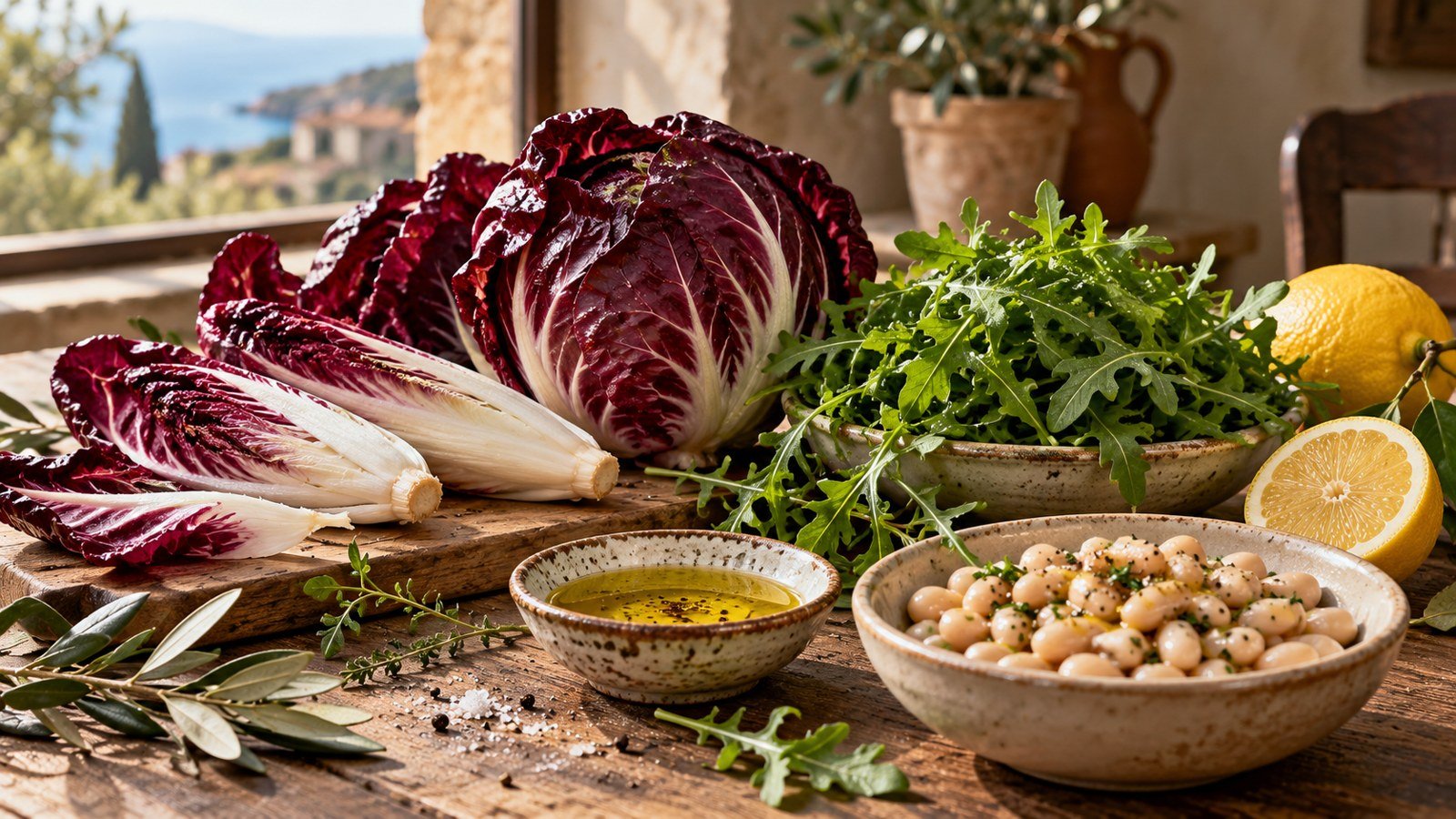
The Longevity Case for Bitter Foods: Ancient Flavors Making a 2026 Comeback
From radicchio and wild chicory to bitter melon and green tea, the flavors our ancestors embraced are returning to modern tables. But what does science actually say about their connection to healthy aging?
There was a time when bitter was simply part of dinner.
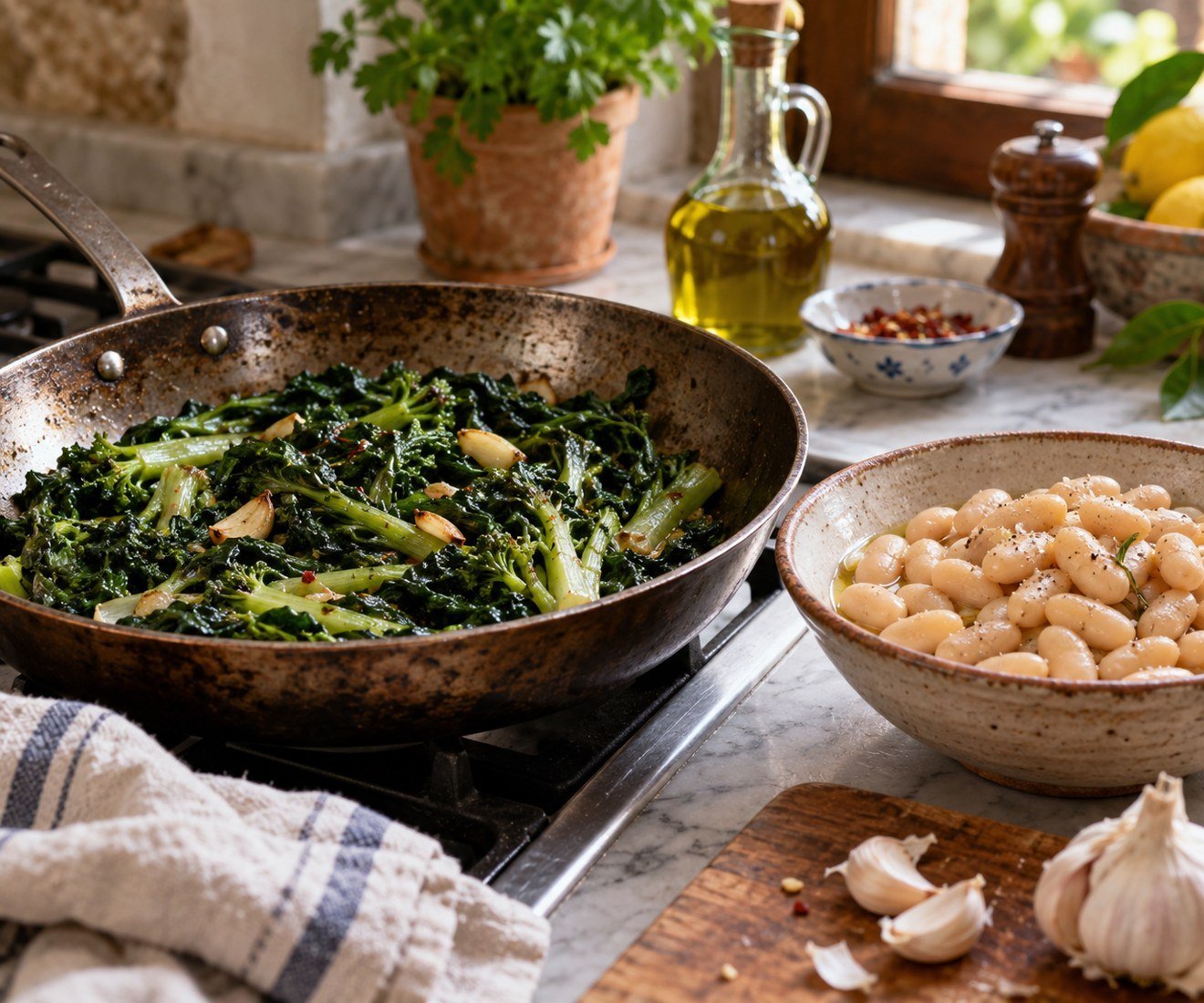
In Italian kitchens, wild chicory simmered alongside beans, radicchio met hot olive oil, and dandelion greens found their way onto plates with garlic and lemon.
Across Asia, bitter melon became an ingredient in deeply rooted regional dishes. Elsewhere, strong teas, dark cacao, and pungent plant foods brought complexity to everyday eating.
These weren’t necessarily exotic superfoods. They were familiar ingredients with distinctive flavors.
Yet somewhere along the way, many of us grew accustomed to foods that emphasized sweetness and mildness. Bitter vegetables became ingredients to disguise, soften, or avoid altogether.
Now, the pendulum may be swinging back.
In October 2026, Whole Foods Market identified the growing appeal of bitter flavors in its 2027 food trend forecast, highlighting ingredients such as radicchio, endive, broccoli rabe, and dandelion greens.
It also pointed to growing interest in complex botanical drinks and more assertive flavor profiles.
Bitterness, it seems, is finding a new audience.
And this culinary revival arrives at a fascinating moment: when scientists are investigating how plant compounds, dietary diversity, and traditional eating patterns may contribute to healthier aging.
But can bitter foods really help us live longer?
The answer is more nuanced—and more interesting—than a typical superfood headline.
Although bitter taste itself has not been proven to extend human lifespan, many bitter foods offer valuable nutrients and naturally occurring compounds that researchers are studying for their roles in metabolic, cardiovascular, and cellular health.
More importantly, these foods may help us rediscover something increasingly valuable: the pleasures of eating a wider variety of plants.
Here’s what ancient food traditions, modern science, and a little culinary curiosity can teach us.
Table of Contents
Why Bitter Foods Deserve a Second Look
Bitterness is one of the five basic tastes, alongside sweetness, sourness, saltiness, and umami.
Yet few flavors have a more complicated reputation.
We often associate sweetness with pleasure and bitterness with discomfort. That response is partly biological. Human sensitivity to bitter substances may have evolved, in part, to help us detect potentially harmful compounds.
But not everything bitter is dangerous.
Many familiar edible plants contain compounds that activate our bitter taste receptors. Some also provide fiber, vitamins, minerals, and phytochemicals that make them valuable components of a nutritious diet.
Consider radicchio.
Its ruby-red leaves have a distinctively assertive flavor, yet they fit naturally into salads, risottos, and roasted vegetable dishes.
Or broccoli rabe, whose strong vegetal bitterness becomes beautifully balanced when sautéed with garlic and olive oil.
And then there’s green tea, where bitterness and astringency contribute to a complex drinking experience.
The common thread isn’t a single miracle nutrient.
It’s the way these ingredients broaden the flavors and plant foods available to us.
The Difference Between Longevity and Healthy Aging
When discussing food and longevity, two concepts deserve attention.
Lifespan refers to how long a person lives.
Healthspan refers to the years a person spends in relatively good health, without substantial limitations from illness or disability.
Nutrition researchers increasingly investigate how dietary habits may influence both.
A 2025 review published in Ageing Research Reviews, titled Dietary Polyphenols as Geroprotective Compounds: From Blue Zones to Hallmarks of Ageing, explored how plant compounds may interact with biological processes associated with aging.
However, its authors also acknowledged important gaps between laboratory findings, human dietary patterns, and demonstrated longevity outcomes.
That distinction is essential.
Eating a handful of bitter greens cannot be expected to add a particular number of years to someone’s life.
But choosing more nutritious plants, enjoying them regularly, and building sustainable dietary habits may contribute to a healthier overall lifestyle.
And bitter foods offer an interesting place to begin. Explore our longevity nutrition meal plans for a broader approach to daily eating.
Want to explore these flavors yourself?
The 7-Day Bitter Foods Discovery Guide is designed to make your first week simple, with a shopping checklist, flavor pairings, beginner recipes, and a printable tasting journal.
What Makes a Food Bitter? The Science Behind the Taste
Imagine biting into a fresh radicchio leaf.
Almost immediately, specialized taste cells respond to molecules in the vegetable. Signals travel through your nervous system, and your brain interprets the sensation as bitterness.
That experience begins with a family of proteins known as bitter taste receptors.
Bitter Taste Receptors: More Than a Sensation on the Tongue
Humans have approximately 25 functional bitter taste receptor genes, commonly referred to as TAS2Rs.
These receptors help us recognize a remarkable range of compounds.
Interestingly, researchers have also identified bitter taste receptors in tissues outside the mouth, including parts of the digestive system.
This has generated interest in their potential roles in gastrointestinal signaling, hormone release, and metabolic regulation.
A 2024 review in Biochemical Pharmacology examined how certain polyphenols interact with bitter receptors and pathways involved in appetite and glucose regulation.
But there’s an important limitation.
Discovering a biological mechanism does not establish that eating bitter vegetables produces a meaningful clinical benefit through that mechanism.
The science is intriguing, but many practical implications remain unproven. A comprehensive review of bitter compounds and human health provides further background.
The Plant Compounds Behind Bitter Flavors
There isn’t one substance responsible for all bitterness.
Different foods contain different families of compounds, including:
- Polyphenols: A broad group of plant chemicals found in vegetables, fruits, tea, coffee, cacao, and olive oil.
- Glucosinolates: Compounds characteristic of cruciferous vegetables such as Brussels sprouts and broccoli rabe.
- Alkaloids: A chemically diverse group that includes caffeine and other naturally occurring plant substances.
- Terpenoids: Compounds that can contribute to the intense flavors of certain plants.
These compounds differ considerably in how they affect taste and biology.
Some have been investigated for antioxidant-related signaling, inflammatory pathways, and metabolic effects.
Others can be harmful under certain circumstances.
Bitterness is therefore a flavor characteristic—not a reliable measure of how healthy or safe a food is.
A more bitter vegetable isn’t necessarily more nutritious than a milder one.
And a dangerous wild plant does not become edible simply because its bitter flavor resembles that of a familiar green.
Why Some People Are More Sensitive to Bitterness
Have you ever watched someone happily enjoy a bowl of radicchio while another person finds it overwhelmingly bitter?
Genetics can help explain the difference.
Variations in bitter taste receptor genes influence sensitivity to specific bitter substances.
Individual food experiences also matter.
Someone who grew up eating bitter greens may find their flavor familiar and enjoyable. Someone encountering them for the first time may need a gentler introduction.
The good news is that preparation makes an enormous difference.
With a little heat, acidity, and thoughtful pairing, bitterness can become one of the most enjoyable dimensions of a meal.
Ancient Bitter Foods: What Traditional Food Cultures Can Teach Us
Long before bitterness became a modern food trend, it played an established role in cuisines across the world.
Not because every culture regarded bitter ingredients as longevity foods, but because local plants, seasonal harvests, culinary knowledge, and inherited traditions shaped what people ate.
The Mediterranean Tradition of Bitter Greens
Walk through a produce market in Italy and you’ll encounter vegetables that don’t always have direct equivalents in the average supermarket elsewhere.
There are crimson heads of radicchio, pale endives, long-leaved chicories, and bundles of sturdy greens intended for cooking.
In parts of Italy, cicoria has long been prepared by boiling or blanching the leaves and finishing them in a pan with garlic and olive oil.
The result is simple but memorable.
Tender greens retain just enough bitterness to balance the richness of the oil and the aroma of the garlic.
This style of cooking reflects a larger Mediterranean approach: using relatively straightforward ingredients to build satisfying meals.
Bitter greens can appear alongside legumes, grains, vegetables, and other foods associated with Mediterranean-style eating.
The health case for this overall pattern is considerably stronger than any claim that bitterness itself is responsible for longevity.
Bitter Melon Across Asian Food Traditions
Travel beyond the Mediterranean and bitterness takes on different culinary expressions.
Bitter melon, also known as bitter gourd, is used in several South, Southeast, and East Asian cuisines.
In India, karela appears in a variety of preparations, including spiced vegetable dishes.
In Chinese cooking, bitter melon can be stir-fried with eggs or other ingredients.
In Japan, especially Okinawa, goya is associated with dishes such as goya champuru, which commonly combines bitter melon with ingredients including tofu and egg.
The specific recipes, techniques, and cultural meanings vary.
What they share is a willingness to make bitterness part of a balanced dish rather than eliminate it completely.
Bitter melon also has a history of traditional medicinal use, but traditional use should not be confused with evidence that it treats disease or prolongs life.
Tea, Cacao, and the Pleasure of Complex Flavors
Bitter vegetables aren’t the only foods worth rediscovering.
Tea and cacao offer another perspective on how cultures have learned to appreciate challenging flavors.
Depending on how it’s grown and prepared, green tea can be grassy, marine, vegetal, bitter, or astringent.
Unsweetened cocoa can have earthy, roasted, fruity, and bitter notes.
These flavors are not always immediately approachable.
But their complexity is part of their appeal.
The broader culinary lesson is that food enjoyment need not depend on sweetness alone.
Sometimes, a bitter note is precisely what makes a dish or drink interesting.
What Traditional Longevity Diets Really Have in Common
Discussions of longevity frequently reference Mediterranean communities, Okinawa, and other regions associated with unusual patterns of long life.
But attributing longevity to one food—or even one dietary practice—oversimplifies a complicated picture.
Health outcomes are shaped by multiple influences, including genetics, physical activity, social connections, access to health care, living conditions, and overall nutrition.
Even within traditional food cultures, diets change across generations.
What can we reasonably take from these examples?
Not that every ancestral practice guarantees a health benefit.
Rather, many traditional cuisines demonstrate ways to make vegetables, legumes, grains, and other minimally processed foods satisfying and culturally meaningful.
Bitter ingredients can contribute to that diversity.
And modern nutritional research provides additional reasons to appreciate the plants that carry these flavors.
The Longevity Science Behind Bitter Foods: What Research Actually Shows
The appeal of bitter foods isn’t purely nostalgic.
Researchers are investigating the compounds found in many of these ingredients, particularly their relationship to inflammation, metabolism, digestive signaling, and the biological processes associated with aging.
Some evidence is promising.
Other findings remain preliminary.
Understanding the difference is the key to separating useful nutritional advice from wellness hype.
1. Polyphenols and the Biology of Healthy Aging
Polyphenols are a large and chemically diverse group of compounds found throughout the plant kingdom.
They occur in foods such as tea, cacao, coffee, olives, fruits, and vegetables.
Scientists have studied certain polyphenols for their ability to influence cellular signaling pathways associated with oxidative stress, inflammation, and metabolic regulation.
These topics are relevant to aging because cellular damage and disrupted physiological regulation can contribute to age-related disease.
Research suggests that some polyphenols may influence these processes.
But a laboratory finding does not automatically mean a particular food will slow aging in humans.
Polyphenol content also varies substantially between plant varieties, agricultural conditions, processing methods, and preparation techniques.
And our bodies do not absorb or metabolize every polyphenol in the same way.
The practical takeaway is refreshingly simple: eating a variety of plant foods provides exposure to a broad range of compounds without requiring us to chase a single supposedly miraculous ingredient.
2. Bitter Greens, Dietary Fiber, and Gut Health
Gut health is another reason bitter vegetables are attracting attention.
But two different concepts are often mixed together.
The first concerns bitter taste receptors and their potential involvement in digestive signaling.
The second concerns dietary fiber and other components of plant foods that interact with our digestive system and gut microbiota.
These are related areas of nutrition research, but they are not the same process. For another food-first approach, explore our fermented food swaps for gut health.
Many leafy vegetables contain dietary fiber that can contribute to overall fiber intake.
Certain dietary fibers are fermented by microorganisms in the large intestine, producing metabolites such as short-chain fatty acids.
These metabolites are being studied for their roles in gut physiology and metabolic health.
However, not every bitter food is high in fiber. Coffee and tea, for example, cannot be treated as nutritionally equivalent to a serving of leafy vegetables.
And there isn’t sufficient evidence to conclude that bitter taste itself improves the gut microbiome.
A more defensible recommendation is to include a variety of fiber-containing vegetables, legumes, whole grains, and fruits as part of a balanced diet.
Bitter greens can be one enjoyable part of that approach. For more practical ideas, see our guide to adding fiber to everyday recipes.
3. Cruciferous Vegetables and Their Distinctive Compounds
Broccoli rabe and Brussels sprouts belong to the cruciferous vegetable family.
These foods are known for containing glucosinolates, which can break down into several biologically active compounds, including isothiocyanates.
Researchers have investigated some of these substances for their roles in cellular defense and detoxification-related enzyme systems.
That doesn’t mean cruciferous vegetables “detox” the body in the way commercial cleanses often claim.
Our bodies already depend on organs and complex biological systems to process and eliminate waste substances.
Nor does the presence of glucosinolates establish that eating a particular vegetable prevents cancer.
Human health outcomes depend on overall dietary patterns and many additional factors.
Still, cruciferous vegetables provide a useful example of why varied plant foods deserve attention.
They offer distinct nutritional characteristics while adding a range of flavors and textures to meals.
4. Bitter Taste Receptors and Metabolic Health
One of the more intriguing areas of emerging research concerns bitter taste receptors beyond the tongue.
Some receptors are present in gastrointestinal tissues, where they may participate in signaling involving hormones that influence digestive function and metabolism.
Researchers have investigated pathways involving hormones such as GLP-1 and other gastrointestinal signaling molecules.
This work opens interesting possibilities for understanding how certain food compounds interact with physiological systems.
However, it’s crucial to avoid a misleading comparison.
Eating radicchio is not equivalent to taking a medication designed to target metabolic pathways.
Nor has the presence of bitter receptors established that bitter vegetables can treat diabetes, obesity, or other metabolic diseases.
Much of the research involves isolated compounds, experimental models, or carefully controlled settings that differ from ordinary meals.
For everyday nutrition, the broader evidence for balanced dietary patterns remains more useful than speculative claims about activating particular receptors.
5. Can Bitter Foods Actually Help You Live Longer?
This is the question at the heart of the bitter-food revival.
And it deserves a direct answer.
There is currently no convincing evidence that bitterness itself extends human lifespan.
However, nutritious plant foods—including many bitter vegetables—can contribute to eating patterns associated with favorable health outcomes.
According to the World Health Organization’s January 2026 healthy diet guidance, adequacy, balance, moderation, and diversity are fundamental principles of a healthy diet.
For people older than 10, the WHO recommends at least 400 grams of fruits and vegetables per day, along with sufficient dietary fiber.
These recommendations are not about bitter foods specifically.
They’re about the overall quality and diversity of what we eat.
That is where bitter ingredients may make a meaningful contribution: by helping us enjoy more vegetables and a wider range of plant foods.
What the Evidence Supports—and What Remains Uncertain
| Research area | What we know | What remains uncertain |
|---|---|---|
| Polyphenols | Certain compounds influence biological processes relevant to health | Whether particular bitter foods extend lifespan |
| Dietary fiber | Fiber-containing foods support healthy dietary patterns | Whether bitter taste independently improves gut health |
| Cruciferous vegetables | They contain distinctive nutrients and glucosinolate compounds | Whether specific bitter compounds prevent disease in humans |
| Bitter taste receptors | Receptors have roles beyond taste perception | Whether ordinary bitter-food consumption produces meaningful clinical effects through them |
| Longevity | Dietary quality and plant-food diversity matter | Any direct lifespan advantage attributable to bitterness |
The conclusion isn’t that bitter foods are unimportant.
It’s that their value becomes clearer when we stop treating bitterness as a shortcut to longevity and start appreciating the foods themselves.
12 Bitter Foods Worth Rediscovering for Healthy Aging
Ready to put the science into practice?
You don’t need a complicated supplement routine or an entirely new way of eating.
Start with recognizable ingredients, prepare them thoughtfully, and discover which flavors you enjoy.
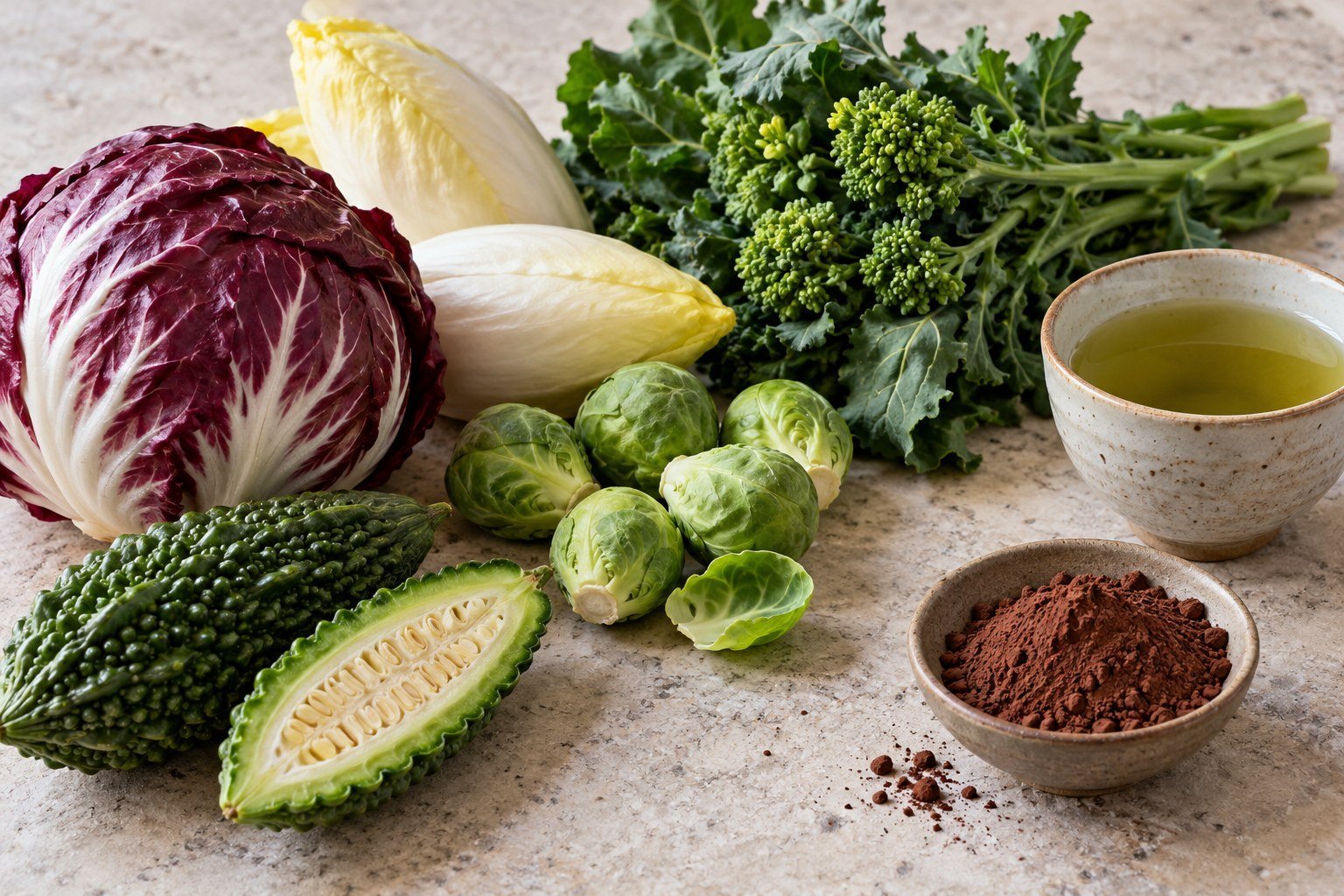
Here are twelve bitter or bitter-leaning foods worth exploring.
1. Radicchio: The Colorful Italian Classic
Flavor: Bold, earthy, and pleasantly bitter.
Radicchio is a type of chicory recognizable by its often deep-red leaves and pale ribs.
Its intense appearance makes it a striking addition to salads, but cooking can transform its flavor.
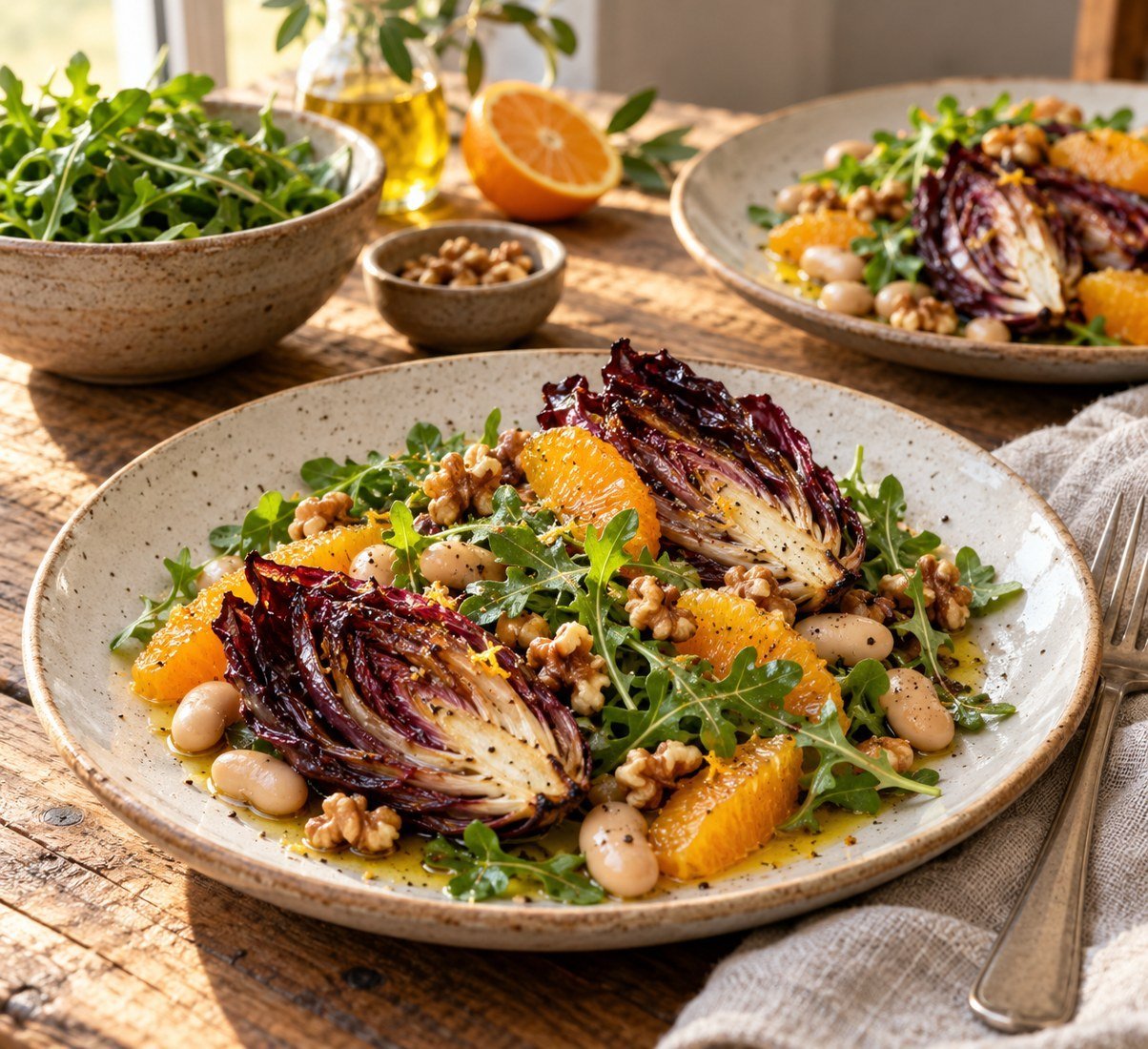
Try cutting a head into wedges, brushing it with olive oil, and grilling or roasting until the edges soften.
Finish with balsamic vinegar, citrus, or toasted nuts.
The result is a dish in which bitterness becomes a satisfying contrast rather than an obstacle.
Try it: Roasted radicchio with orange, walnuts, and olive oil.
2. Dandelion Greens: A Traditional Wild Green
Flavor: Assertive, grassy, and sometimes sharply bitter.
Dandelion greens have a long history as edible leaves in multiple culinary traditions.
Young leaves may be used raw, while larger leaves are often more enjoyable when cooked.
A straightforward preparation involves blanching them briefly before sautéing with garlic and olive oil.
Because dandelions may grow in places exposed to pollutants or pesticides, avoid collecting plants from unknown or potentially contaminated areas.
Never eat a wild plant unless its identity and safety are certain.
Try it: Cooked dandelion greens with garlic and lemon.
3. Chicory: A Mediterranean Kitchen Staple
Flavor: Earthy and assertive, with intensity varying by variety.
Chicory encompasses several cultivated forms familiar in European cooking.
Some varieties have long, leafy greens intended for cooking; others are used in salads.
Their particular botanical relationships and culinary names can vary by region.
For a simple Italian-inspired preparation, boil or blanch edible chicory greens, drain well, and finish in a pan with olive oil and garlic.
Serve alongside white beans or another familiar staple.
Try it: Braised chicory with cannellini beans.
4. Arugula: The Beginner-Friendly Bitter Green
Flavor: Peppery, pungent, and sometimes mildly bitter.
Arugula is a convenient introduction for people who aren’t accustomed to strong greens.
Its lively flavor adds contrast to milder ingredients.
Combine a handful with lettuce, sliced pears, or roasted vegetables.
A little lemon juice and olive oil can help bring the different flavors together.
Try it: Arugula salad with pear, toasted almonds, and lemon dressing.
5. Endive: Crisp and Elegantly Bitter
Flavor: Clean, mildly bitter, and pleasantly crisp.
Belgian endive has tightly packed, pale leaves that work beautifully as edible cups for savory fillings.
It can also be roasted or braised.
Cooking creates a softer texture and can make the flavor feel more rounded.
Pair endive with citrus, walnuts, legumes, or other ingredients that provide contrast.
Try it: Roasted endive with thyme and a light vinaigrette.
6. Broccoli Rabe: A Bold Cruciferous Green
Flavor: Strong, vegetal, and distinctly bitter.
Also called rapini, broccoli rabe is especially familiar in Italian cooking.
Despite its name, it is not simply immature broccoli.
The leaves, stems, and flower buds are used in cooking.
Blanching can make the greens more approachable before sautéing them with garlic and olive oil.
Serve with white beans, whole grains, or pasta.
Try it: Broccoli rabe with garlic, olive oil, and cannellini beans.
7. Brussels Sprouts: Bitterness Meets Caramelization
Flavor: Earthy and mildly to moderately bitter.
Brussels sprouts illustrate how preparation changes our experience of a vegetable.
Boiling them for too long can create an unappealing texture.
Roasting, on the other hand, encourages browning and brings out sweeter, nuttier notes.
Halve the sprouts, toss with olive oil, and roast until tender with browned edges.
Finish with lemon or a small splash of vinegar.
Try it: Roasted Brussels sprouts with lemon and toasted hazelnuts.
8. Bitter Melon: An Intensely Bitter Culinary Tradition
Flavor: Very bitter, with a distinctive vegetal character.
Bitter melon is used in several Asian food cultures and can be prepared in numerous ways.
Its intensity may surprise newcomers.
Cooks often use methods such as removing the central seed cavity, slicing thinly, salting, blanching, or pairing with robust ingredients.
Because bitter melon has also been promoted for medicinal purposes, it’s worth maintaining a distinction between ordinary culinary exploration and concentrated extracts.
People who are pregnant or who use medicines that lower blood glucose should seek appropriate medical advice before using bitter melon medicinally; additional precautions may apply to the food itself.
Try it: A small portion of appropriately prepared bitter melon stir-fried with egg and vegetables.
9. Unsweetened Cocoa: The Complex Side of Chocolate
Flavor: Deep, roasted, earthy, and bitter.
Cocoa offers a useful reminder that bitter foods extend beyond vegetables.
Cocoa solids contain flavanols, a subgroup of polyphenols studied in relation to vascular and other physiological processes.
However, the flavanol content of commercial cocoa products varies considerably.
Choosing a product because it tastes more bitter does not guarantee a particular flavanol dose.
For everyday cooking, unsweetened cocoa can add depth without relying on large amounts of added sugar.
Try it: Unsweetened cocoa stirred into oatmeal with cinnamon and sliced banana.
10. Green Tea: An Ancient Beverage With Modern Appeal
Flavor: Vegetal, sometimes bitter, often astringent.
Green tea contains catechins and other naturally occurring substances.
Its taste depends on the tea variety, water temperature, brewing duration, and preparation style.
Overly hot water or extended steeping can produce a more astringent or bitter cup.
Try preparing it according to the supplier’s recommendations, then adjust the brewing time to suit your preferences.
Remember that green tea naturally contains caffeine, while concentrated green tea extracts have different safety considerations.
Try it: A gently brewed cup of green tea alongside breakfast.
11. Coffee: More Than a Morning Ritual
Flavor: Roasted, complex, and often bitter.
Coffee’s distinctive character comes from many compounds affected by the bean variety and roasting process.
It also contributes polyphenols to many people’s diets.
Research has examined associations between coffee consumption and various health outcomes, but observational findings don’t establish that coffee increases longevity for every individual.
Caffeine tolerance, sleep quality, pregnancy, medications, and individual health considerations all matter.
Coffee is not necessary for good health.
But for people who already enjoy it and tolerate it well, it can be one example of a complex bitter flavor within everyday food culture.
Try it: Freshly brewed coffee without excessive added sugar.
12. Extra Virgin Olive Oil: A Peppery Mediterranean Essential
Flavor: Fruity, grassy, sometimes bitter, with a peppery finish.
High-quality extra virgin olive oil can have a surprising degree of intensity.
Some oils produce a slight bitterness or a peppery sensation at the back of the throat.
Phenolic compounds contribute to aspects of olive oil’s distinctive flavor, although sensory intensity is not a precise measure of its nutritional composition.
Within Mediterranean-style eating, olive oil is commonly used in vegetable dishes, salads, and legume preparations.
Rather than treating it as something to consume in large quantities by itself, use it as a flavorful ingredient in balanced meals.
Try it: Extra virgin olive oil drizzled over warm white beans and sautéed chicory.
How to Make Bitter Foods Taste Better: Five Simple Techniques
You don’t have to love intensely bitter food on your first bite.
And you certainly don’t have to force yourself to eat something you dislike.
The secret is learning how bitterness interacts with other flavors.
1. Balance Bitterness With Acidity
Lemon juice and vinegar can brighten a dish and change how its bitterness is perceived.
Try adding lemon to sautéed greens or balsamic vinegar to roasted radicchio.
2. Pair Bitter Ingredients With Fat
Olive oil, nuts, avocado, and other suitable ingredients can make a bitter dish feel richer and more rounded.
The goal is not to bury the bitterness, but to create balance.
3. Experiment With Heat
Roasting, sautéing, blanching, and braising change a food’s texture, aroma, and flavor.
Some techniques can reduce perceived bitterness.
Others introduce toasted or caramelized notes that complement it.
Different methods also affect nutrients in different ways, so variety is often preferable to insisting on one universally superior preparation.
4. Combine Bold and Mild Foods
Strong greens become easier to enjoy when paired with familiar ingredients.
Mix arugula with milder salad leaves.
Serve broccoli rabe with white beans.
Add roasted radicchio to a grain bowl.
You may find that the bitter ingredient becomes the element that makes the entire dish more interesting.
5. Give Your Palate Time
Food preferences are shaped by familiarity, experience, and individual biology. Our practical guide to bitter foods and sugar cravings offers more ways to explore these flavors.
Some people come to enjoy bitter flavors through repeated, pleasant exposure.
Others remain more sensitive to them.
Both experiences are normal.
Start with small, enjoyable portions, and explore different preparations without turning eating into an endurance challenge.
Watch: Bitter Greens in the Kitchen
See Ada Parisi of Siciliani Creativi prepare baked radicchio with oranges, walnuts, and raisins. This short Italian-language cooking video illustrates the flavor pairings discussed above.
Useful Tools for Preparing Bitter Foods
As an Amazon Associate I earn from qualifying purchases. These optional tools can help with preparation; they are not needed to benefit from a varied diet.
OXO Good Grips Salad Spinner: rinse leafy greens, then spin them dry before adding dressing.
Lodge Chef Collection Cast Iron Skillet Set: an option for sauteing chicory or browning radicchio. Use the cookware you already own if it suits the recipe.
A 7-Day Bitter Foods Challenge for Beginners
The easiest way to appreciate bitter foods may be to stop thinking of them as health interventions and start treating them as culinary discoveries.
This seven-day challenge introduces familiar and less familiar flavors gradually.
| Day | Food | Simple challenge |
|---|---|---|
| 1 | Arugula | Add a handful to a favorite salad |
| 2 | Unsweetened cocoa | Mix a small amount into oatmeal |
| 3 | Brussels sprouts | Roast with olive oil and lemon |
| 4 | Radicchio | Grill or roast wedges |
| 5 | Broccoli rabe | Sauté with garlic and serve with beans |
| 6 | Endive or chicory | Make a simple cooked or raw dish |
| 7 | Your favorite | Prepare it again using a new flavor pairing |
Days 1–3: Begin With Familiar Flavors
Start with ingredients that are easy to combine with foods you already enjoy.
Arugula adds character to salads.
Cocoa creates depth in breakfast dishes.
Roasted Brussels sprouts demonstrate how much cooking technique matters.
Pay attention to which flavors you naturally appreciate.
Days 4–5: Explore Mediterranean Greens
Now move toward more assertive vegetables.
Roast radicchio until its edges soften.
Prepare broccoli rabe with olive oil and garlic.
Notice how acidity, warmth, and complementary ingredients change the experience.
Days 6–7: Find Your Own Favorites
By the end of the week, the goal isn’t to become a bitterness enthusiast.
It’s to discover at least one new ingredient or preparation you might genuinely enjoy again.
Try endive or chicory, then revisit whichever food made the strongest positive impression.
Keep a Simple Tasting Journal
After each tasting, record:
- The food and how you prepared it.
- How bitter it tasted on a scale of 1–5.
- Which flavors worked well alongside it.
- Whether you’d choose to eat it again.
You may discover that your preferences shift.
Or you may learn that one particular ingredient simply isn’t for you.
Either result is useful.
Ready to begin?
Get the 7-Day Bitter Foods Discovery Guide for the complete shopping checklist, beginner recipes, flavor-pairing suggestions, and printable tasting journal.
Are Bitter Foods Safe for Everyone?
Before expanding your culinary repertoire, it’s important to remember that natural foods are not automatically safe under every circumstance.
Ordinary edible bitter vegetables can be part of a varied diet for many people.
However, a few precautions deserve attention.
Be Careful With Wild Plants
Never collect or eat an unidentified wild plant.
Different species can resemble one another, and some potentially harmful plants are intensely bitter.
Foraged vegetables may also be contaminated by pesticides or environmental pollutants.
When in doubt, buy clearly identified edible greens from a reputable food supplier.
Distinguish Foods From Concentrated Supplements
A meal containing cooked vegetables is not equivalent to taking a concentrated herbal extract.
Supplements may contain much higher amounts of certain compounds than ordinary foods.
For example, the Memorial Sloan Kettering Cancer Center’s bitter melon reference identifies important concerns involving pregnancy and interactions with medicines that lower blood glucose.
People managing medical conditions or taking medications should seek individualized guidance before introducing unfamiliar medicinal herbs or concentrated products.
Respect Individual Tolerance
Coffee and green tea contain caffeine.
Certain vegetables may cause digestive discomfort for some people.
Food allergies, medical dietary restrictions, and individual preferences should also be taken into account.
The aim is a healthier, more enjoyable diet—not a rigid requirement to consume every bitter ingredient.
Start With One Bitter Bite: Bring Ancient Flavors Back to Your Plate
The renewed interest in bitter foods tells a larger story about the way we eat.
For generations, many food cultures embraced ingredients whose flavors were sharp, earthy, pungent, or unapologetically bitter.
Those flavors were part of everyday cooking.
Today, as interest in healthy aging and plant-rich diets continues to grow, some of these ingredients are finding fresh appreciation.
Modern science gives us reasons to explore their nutritional characteristics.
Polyphenols, glucosinolates, dietary fiber, and other components of plant foods continue to attract scientific attention.
But the evidence also reminds us to keep our expectations realistic.
There is no proven longevity shortcut hidden in bitterness.
What matters more is the overall pattern of our diet, the nutritional variety it offers, and the habits we can sustain over time.
Bitter foods can help enrich that pattern.
They can encourage us to try new vegetables, rediscover traditional preparations, and appreciate flavors that sweetness alone cannot provide.
And perhaps that’s the most compelling part of their comeback.
We don’t need to transform every meal into a wellness experiment.
We can simply make room for foods that are interesting, nourishing, and enjoyable.
Start with a few leaves of arugula.
Roast a wedge of radicchio.
Sauté some chicory with garlic and olive oil.
Discover what happens when you stop trying to remove every bitter note from your plate.
You may find that the flavor you’ve been avoiding is exactly what your cooking has been missing.
Your Next Step: The 7-Day Bitter Foods Discovery Guide
Discover how to make bitter ingredients part of your everyday meals.
The free guide includes:
- A beginner-friendly seven-day tasting challenge.
- A shopping checklist of approachable bitter ingredients.
- Five simple recipe ideas.
- A flavor-pairing reference.
- A printable journal for recording your discoveries.
Get Your Free 7-Day Bitter Foods Discovery Guide
Rediscover an ancient flavor. Find a new favorite. Make your plate a little more interesting.
Frequently Asked Questions About Bitter Foods
Are bitter foods good for you?
Many bitter foods, particularly vegetables, provide nutrients and plant compounds that can contribute to a healthy diet. However, bitterness is not itself a reliable indicator of nutritional value. The benefits depend on the particular food, how it is prepared, and the overall dietary pattern. Some bitter substances can also be harmful.
What are the healthiest bitter vegetables?
Radicchio, chicory, arugula, broccoli rabe, Brussels sprouts, and edible dandelion greens are examples of nutritious vegetables with bitter or bitter-leaning flavors. Rather than ranking them by bitterness, choose a variety you enjoy and can prepare regularly. Different vegetables contribute different nutrients and other compounds.
Do bitter foods help digestion?
Researchers are investigating how certain bitter compounds interact with receptors involved in gastrointestinal signaling. However, there is not enough evidence to conclude that bitter taste itself reliably improves digestion. Fiber-containing vegetables can contribute to dietary fiber intake, which is relevant to normal digestive function.
Can eating bitter foods help you live longer?
No convincing evidence establishes that bitterness itself extends lifespan. Many bitter vegetables and other plant foods can contribute to nutritious eating patterns associated with favorable health outcomes. Longevity depends on numerous dietary, genetic, environmental, medical, and lifestyle factors.
Why do some people dislike bitter foods?
Individual sensitivity to bitter compounds varies partly because of differences in taste receptor genetics. Cultural experience, familiarity, age, and food preparation can also affect preferences. Some people find bitter vegetables more enjoyable when they are cooked or paired with acidic, savory, or rich ingredients.
Can you eat bitter foods every day?
Many ordinary edible bitter vegetables can be enjoyed regularly as part of a varied diet. However, no one food is essential, and eating the same ingredient every day is not necessary. Concentrated botanical extracts, medicinal preparations, and certain unfamiliar ingredients require separate safety considerations.
Are bitter foods better raw or cooked?
Neither method is universally superior. Raw and cooked foods differ in texture, flavor, digestibility, and nutrient availability. Cooking can make some bitter vegetables more enjoyable, while certain nutrients or compounds may change during preparation. A mix of appropriate preparation methods offers flexibility and variety.
References and Further Reading
- Whole Foods Market. (2026). Our Top Food Trend Predictions for 2027. Trend forecast released October 14, 2026.
- World Health Organization. (2026). Healthy Diet. Updated January 26, 2026.
- Davinelli, S., Medoro, A., Hu, F. B., & Scapagnini, G. (2025). Dietary Polyphenols as Geroprotective Compounds: From Blue Zones to Hallmarks of Ageing. Ageing Research Reviews, 108, 102733.
- Bitter Perception and Effects of Foods Rich in Bitter Compounds on Human Health: A Comprehensive Review. (2024). Peer-reviewed review available via PubMed Central.
- Bitter Taste Receptors: Key Target to Understand the Effects of Polyphenols on Glucose and Body Weight Homeostasis. (2024). Biochemical Pharmacology, 228, 116192.
- Memorial Sloan Kettering Cancer Center. Bitter Melon. Integrative Medicine information and safety reference.
- National Center for Complementary and Integrative Health. Diabetes and Dietary Supplements: What You Need to Know.
Editorial note: This article is educational and does not replace individualized medical or nutritional advice. Specific cultural-history details and culinary terminology should receive a final specialist fact-check before publication.