Hidden Fiber for Kids: 5 Easy Dinner Swaps That Work
If you’re looking for hidden fiber for kids that actually works, forget what the green-brownie crowd told you. You’ve heard it all before. Blend spinach into brownies. Hide cauliflower in the mac and cheese. Your kid will never know.
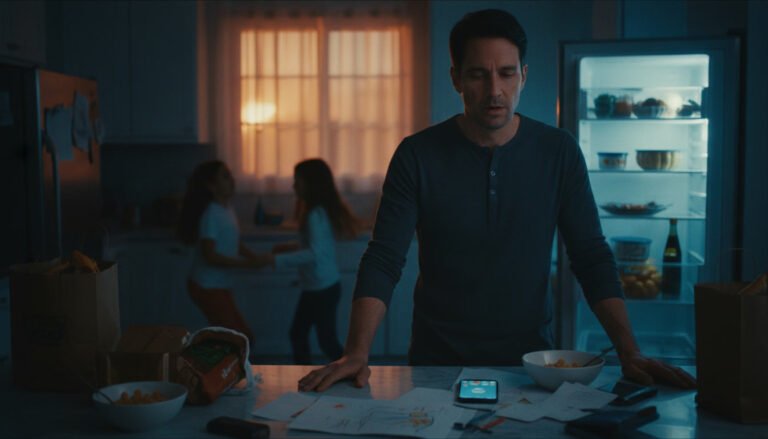
Except your kid did know. They took one bite, made a face, and pushed the plate away. Now you’re stuck with a whole pan of green brownies and a child who trusts your cooking a little less.
So let me say this right away. I’m not here to sell you magic recipes. I’m here to show you a simple idea that most “sneaky veggie” fans get wrong, and why the parents who do it right are quietly winning.
Table of Contents
Is Hidden Fiber for Kids Right for Skeptical Parents?
This is for the parent who rolls their eyes at the word “hack.” You’ve bought the cookbooks. You’ve pureed the squash. You’ve read the blog posts with perfect photos and perfect kids. None of it held up on a real Tuesday night.
You might also think hiding food is a little dishonest. You’d rather teach your kids to eat a carrot than trick them into eating one. That’s a fair point. I’ll take it head on.
But first, let me show you the problem you’re actually trying to solve. It’s bigger than you think.

How Much Fiber Do Kids Need, and How Much Do They Get?
Here’s the number that should stop you cold. Most Americans eat about 15 grams of fiber a day. The official goal is around 25 to 34 grams for adults. That means the typical person gets about half of what they need.
National surveys show that only about 5% of Americans hit the target. That’s not a picky-eater problem. That’s almost everyone.
Kids are in the same boat. A child aged 4 to 8 should get roughly 17 to 20 grams a day, according to the Dietary Guidelines for Americans. Most fall well short. And fiber isn’t a “nice extra.” It’s not like a vitamin you can top off with a gummy.
Why Fiber Matters for Kids’ Health and Gut
In 2019, The Lancet published a huge review of fiber research. Led by Dr. Andrew Reynolds at the University of Otago, it pulled together data from about 185 studies and 58 trials, commissioned in part by the World Health Organization. The finding was clear. People who ate the most fiber had a 15 to 30% lower risk of early death, heart disease, stroke, and type 2 diabetes. Those are not small numbers.
Fiber also feeds the good bacteria in your gut. Those bacteria help with digestion, mood, and immune health. When they don’t get fed, they don’t do their job. (If gut health is your bigger goal, pair fiber with these fermented food swaps for gut health.)
Then there’s the problem every parent knows but nobody puts on a poster. Constipation. It’s one of the most common reasons kids end up at the doctor. Low fiber is a big reason why.
So the question isn’t “Should my family eat more fiber?” That’s settled. The real question is “How do I close a gap this big when nobody wants to eat a bowl of bran?”
How Do You Add Hidden Fiber to Kids’ Meals?
- Swap a third of ground meat for cooked lentils.
- Blend white beans into cheese or cream sauces.
- Use rolled oats instead of breadcrumbs.
- Mix ground flaxseed into breading and coatings.
- Stir chia seeds into simmering sauces.
Start with small swaps, increase slowly, and serve plenty of water.
Why Sneaking Vegetables Into Kids’ Food Falls Short
The usual advice is simple. Put more vegetables on the plate. Keep offering. Be patient.
That advice isn’t wrong. But do the math. A half cup of cooked broccoli has about 2.5 grams of fiber. To close a 10-gram gap, your kid would need four servings of broccoli a day. Even a kid who likes broccoli won’t do that.
And you know your kid. Most nights, the broccoli goes back to the fridge.
This is where the old “sneaky veggie” movement went wrong. It tried to hide vegetables. But vegetables are a poor hiding choice. They’re watery. They change the taste. They change the color. That’s why your green brownies failed. The idea was fine. The ingredient was wrong.
The Best High-Fiber Foods for Kids That Blend In
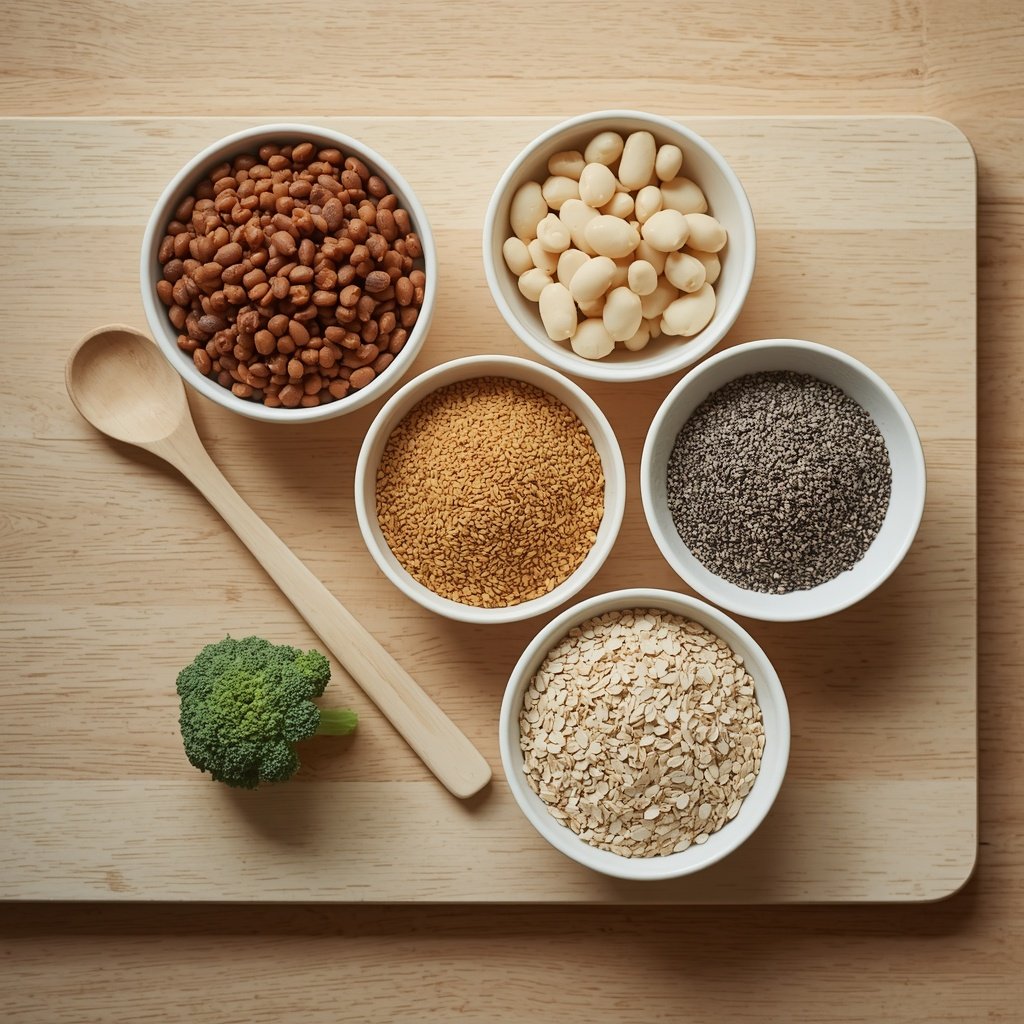
Hidden-Fiber Family Dinners work because they focus on fiber-dense foods that blend in. Not spinach. Not kale. Think beans, lentils, oats, and seeds.
Look at what these foods pack into a small space (figures from USDA FoodData Central):
- Half a cup of cooked lentils: about 8 grams of fiber
- Half a cup of white beans: about 6 grams
- 2 tablespoons of ground flaxseed: about 4 grams
- 1 tablespoon of chia seeds: about 4 grams
- Half a cup of rolled oats: about 4 grams
Now put that next to the broccoli. Half a cup of lentils gives you as much fiber as three servings of broccoli.
And here’s the key part. These foods are mild. They’re beige or brown. They take on the flavor of whatever you cook them with. Your kid can’t spot what blends in. For more ways to use them beyond dinner, see our guide on how to add fiber to any recipe without tasting it.
5 Easy Ways to Add Fiber to Family Dinners
Forget fancy recipes. This is about small swaps in the meals you already make, including your go-to healthy family dinners for busy weeknights. Here are five real examples.
Lentil Taco Night
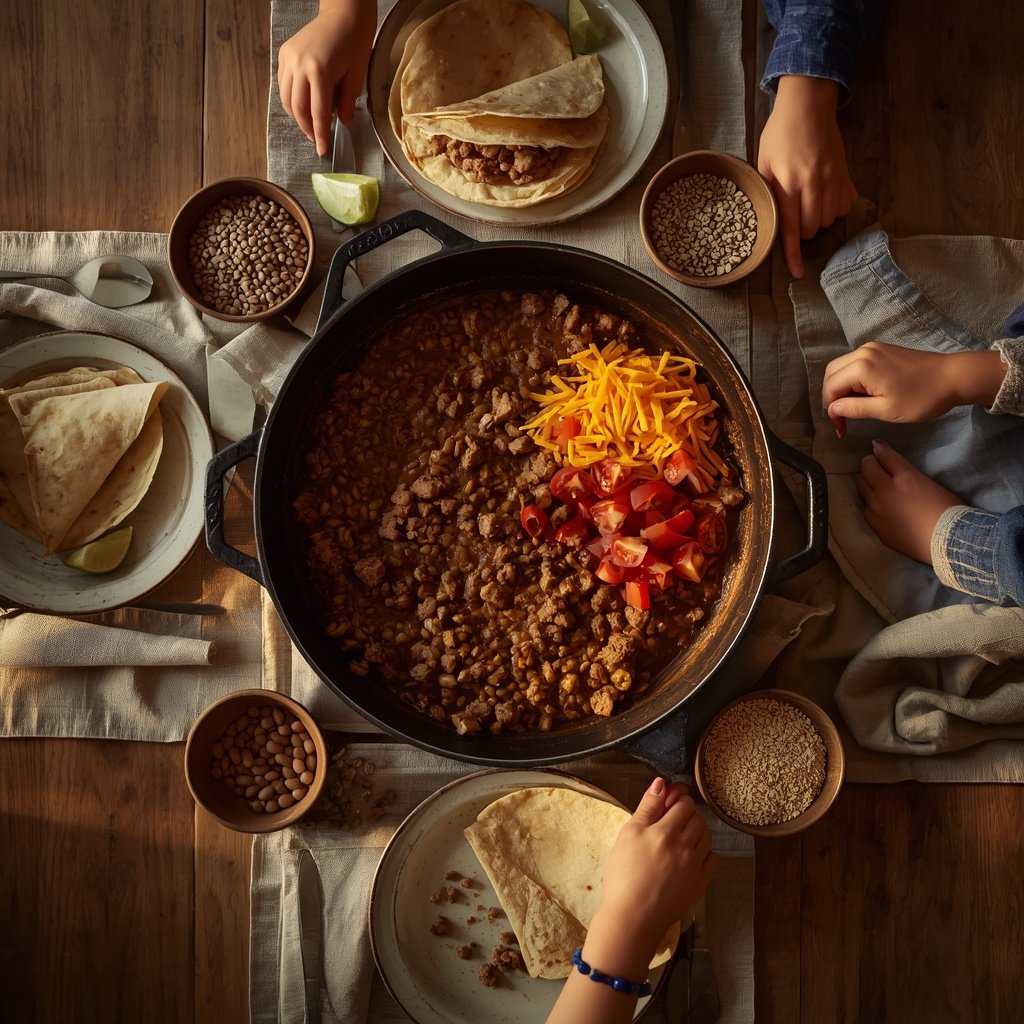
Swap a third of the ground beef for cooked brown lentils. Same seasoning, same shells. Each serving picks up about 4 extra grams of fiber. It’s the easiest entry point into plant-forward healthy meals your kids won’t argue with.
White Bean Mac and Cheese
Blend a can of white beans into the cheese sauce. It gets creamier, not weirder. Kids often like it more.
Oat Meatballs and Meatloaf
Use rolled oats instead of breadcrumbs. Nobody can tell. You just added fiber for free.
Flaxseed Chicken Tenders
Mix ground flaxseed into the coating. It adds crunch and a nutty taste kids already love.
Chia Seed Pasta Sauce
Stir in a spoonful of chia seeds while the sauce simmers. They soak up liquid and vanish.
None of these take more than two extra minutes. The most work any of them asks is a quick buzz with a stick blender, not a Sunday of steaming and pureeing while someone’s crying about homework.
Use two or three of these swaps a day, and count oats at breakfast too. You can add 8 to 12 grams of fiber that way. That’s most of the gap. Gone. Without one argument at the table.
▶ Watch: Fibre Hacks for Kids — three quick ways to boost fiber for picky eaters without mealtime battles.
Does Hiding Fiber Stop Kids From Learning to Eat Vegetables?
This is the best objection, so let’s give it a real answer.
Hidden fiber for kids doesn’t replace teaching them to like vegetables. It runs alongside it. You still put the green beans on the table. You still say “just try one bite.” You still cook together and talk about food. You still build a balanced plate for kids every night.
Think of hidden fiber as the minimum, not the goal. It makes sure your kid’s body gets what it needs while their taste slowly grows. That can take years. Their gut shouldn’t have to wait. (Wondering whether your child’s pickiness is just a phase? Here’s how to tell picky eating from normal development.)
Think of it like a seatbelt. A seatbelt doesn’t teach your kid to drive. It just keeps them safe while they learn.
Is It Dishonest to Hide Healthy Food in Kids’ Meals?
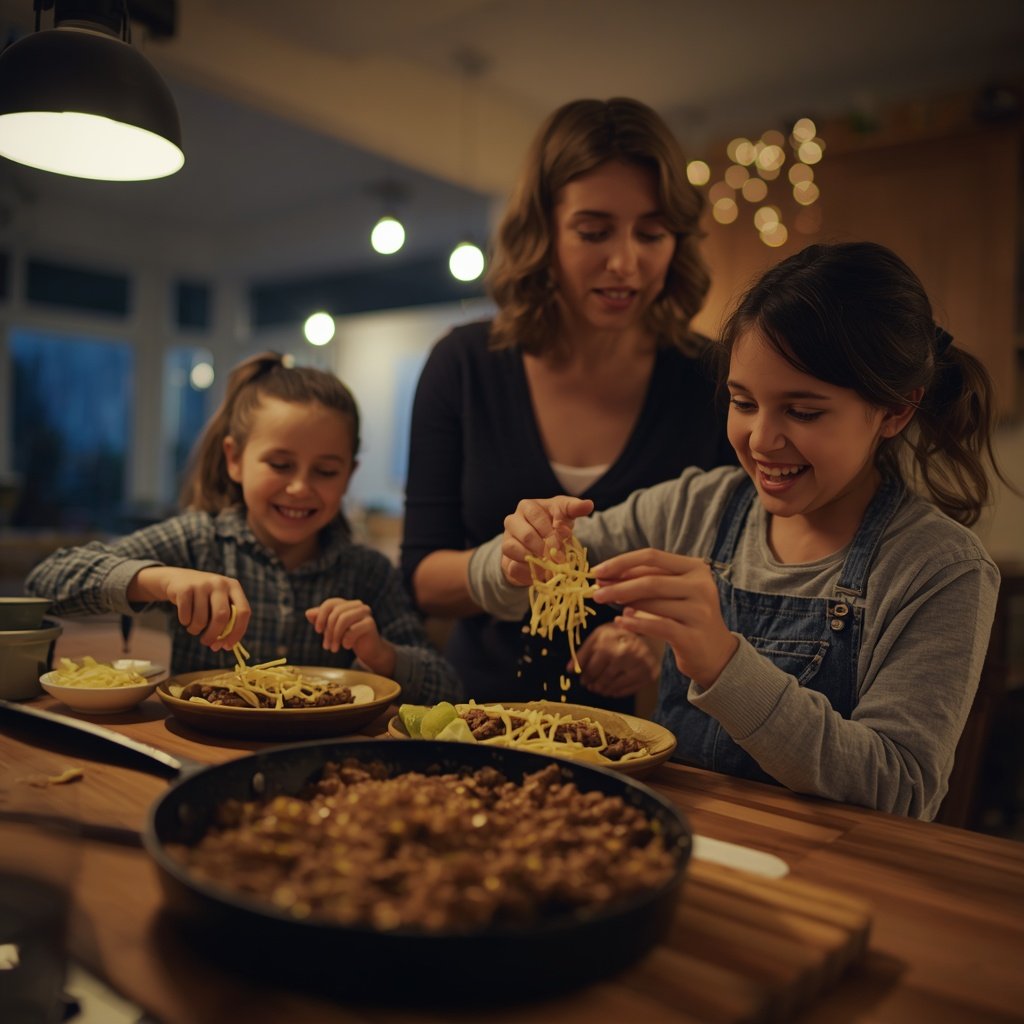
Let’s be clear about what’s happening here. You’re not lying. You’re cooking.
Every recipe has ingredients your kid didn’t pick. Nobody announces the onion in the sauce. Nobody lists the eggs in the cake. Adding oats to meatballs is no different.
And here’s a tip from parents who’ve done this for years. Tell them later. After a month of taco nights, say, “Guess what? You’ve been eating lentils this whole time.”
Most kids think it’s funny. Some feel proud. You’ve just proven to them, with their own taste buds, that they like a food they thought they hated. That’s not a trick. That’s the best food lesson you can give.
What Research Says About Hidden Vegetables and Kids
You don’t have to take my word for it. In 2011, a team led by nutrition scientist Barbara Rolls at Penn State tested this idea with preschoolers. They added pureed vegetables to familiar foods like pasta and bread.
The kids ate nearly twice as many vegetables. They also ate about 11% fewer calories over the day. And the kids rated the foods just as tasty.
Here’s why that matters. Vegetables are the hardest food to hide, and the trick still worked. Lentils and oats hide even better. You get more fiber in every bite, and the taste barely changes.
How Hidden Fiber Ends Picky Eater Dinner Battles
Here’s the emotional truth that gets lost in the debate.
Dinner is supposed to be the part of the day where your family connects. For a lot of parents, it’s become a battle. Bribes. Threats. “Three more bites.” Tears on both sides. (If that sounds like your house, read how to get kids to eat healthy meals without bribes.)
Hidden-Fiber Family Dinners take the pressure off. Your kid’s nutrition no longer depends on whether they eat their broccoli. So you can stop fighting about it.
This lines up with dietitian Ellyn Satter’s well-known Division of Responsibility in feeding: parents decide what, when, and where food is served, and kids decide whether to eat and how much. Hidden fiber lets you own your half of that deal without pushing on theirs.
Once the pressure is gone, kids relax. They get curious. They try the green beans because nobody’s forcing them to.
Critics talk about “honesty” and “teaching moments.” But nothing kills a kid’s interest in food faster than a nightly power struggle. Hidden fiber ends that fight before it starts.
▶ Watch: How Do I Meal Plan for a Picky Eater? — Mikie Rangel, clinical dietitian at Children’s Health, on evidence-based meal planning for picky eaters.
Why Sneaky Veggie Recipes Fail, and How to Fix Them
If you tried this before and quit, I get it. But look at what you were probably told to do.
You were told to puree vegetables into sweets. You were told to spend Sunday steaming and blending. You were told it would be seamless. It wasn’t.
That approach failed for three reasons:
- The wrong foods. Vegetables change color and taste.
- Too much work. Nobody keeps up a blender routine for long.
- Too much at once. Big swaps get noticed. Small swaps don’t.
Hidden-Fiber Family Dinners fix all three. Use foods that blend in. Use pantry items with no prep. Start small and build up slowly.
Start with a quarter swap. Then a third. Then half. Your family’s taste adjusts so slowly nobody notices.
Bonus tip: raise fiber gradually and keep the water glasses full. That keeps tummies happy while bodies adjust. (Going too fast is the main reason high-fiber foods cause bloating.) If your child already has digestive issues or a medical condition, check with your pediatrician before making big changes.
The Long-Term Cost of a Low-Fiber Diet for Kids
Let’s say you skip all this. What happens?
Your family keeps eating about half the fiber they need. Day after day. Year after year. The effects don’t show up this week. They show up in ten, twenty, thirty years.
That Lancet review found the benefits kept rising as fiber went up. More fiber, lower risk. The gap you close today pays off for decades.
And these are habits your kids will carry. A kid who grows up on lentil tacos and oat meatballs thinks that’s just what tacos and meatballs taste like. You’re not just feeding them tonight. You’re setting their normal. Best part: beans, lentils, and oats are some of the cheapest foods in the store, which makes this one of the easiest healthy meals for families on a budget strategies there is.
Pantry Staples for Hidden Fiber Family Dinners
You don’t need special equipment. These are the exact items that make the swaps above work.
- Dried Brown Lentils — The backbone of lentil taco night. They hold their shape and blend right into ground meat.
- Canned Cannellini (White) Beans — Rinse, blend, and stir into mac and cheese sauce for extra creaminess.
- Ground Golden Flaxseed Meal — Golden flax is lighter in color, so it disappears in breading and coatings.
- Chia Seeds — A spoonful thickens pasta sauce and vanishes as it simmers.
- Old-Fashioned Rolled Oats — Your breadcrumb replacement for meatballs and meatloaf, and a fiber-packed breakfast.
- Immersion (Stick) Blender — Blends white beans into sauce right in the pot. No big blender to wash.
- Glass Meal Prep Containers — Store cooked lentils for the week so swaps take seconds.
As an Amazon Associate, we earn from qualifying purchases. See our affiliate disclaimer.
Hidden Fiber for Kids: Frequently Asked Questions
How much fiber does my child need per day?
Under the Dietary Guidelines for Americans, toddlers aged 1 to 3 need about 14 grams a day, kids aged 4 to 8 need roughly 17 to 20 grams, and kids aged 9 to 13 need about 22 to 25 grams. Teens need roughly 25 to 31 grams. Most children get far less.
What are the best hidden fiber foods for picky eaters?
Lentils, white beans, rolled oats, ground flaxseed, and chia seeds. They’re mild in taste, beige or brown in color, and pack 4 to 8 grams of fiber in small amounts, so they blend into familiar meals without being noticed.
Will my kids taste the lentils in tacos?
Not if you start small. Swap a quarter of the ground meat first, season as usual, and work up to a third or half over a few weeks. Brown lentils take on the taco seasoning and match the texture of ground beef.
Can adding fiber upset my child’s stomach?
It can if you add too much too fast. Increase fiber gradually over a few weeks and make sure your child drinks plenty of water. Mild gas at first is normal. If your child has ongoing tummy pain or a digestive condition, talk to your pediatrician.
Are chia seeds and flaxseed safe for young kids?
Yes, when prepared well. Use ground flaxseed rather than whole, and mix chia seeds into wet foods like sauces where they soak up liquid. Avoid giving toddlers dry chia seeds on their own.
Should I tell my kids about the hidden ingredients?
Yes, eventually. After a few weeks, tell them they’ve been eating lentils or beans all along. It proves to them that they like foods they thought they hated, which builds trust and makes them more open to trying new foods.
Is a fiber supplement better than hidden fiber?
Food comes first. Whole foods like beans and oats bring protein, vitamins, and minerals along with fiber. Supplements can help in specific cases, but ask your pediatrician before giving one to a child. For midday ideas, try these high-fiber lunches.
Start Hidden Fiber for Kids This Week
Your kid is going to eat dinner tomorrow night either way. The only question is whether that dinner quietly closes the gap or quietly widens it. You already own the can of beans. You already make tacos. The difference between a family that runs short on fiber for twenty years and one that doesn’t is a third of a pound of ground beef you didn’t use.
Hidden fiber for kids isn’t a philosophy. It’s a pantry decision.
Make lentil tacos this week, say nothing, and count the clean plates.