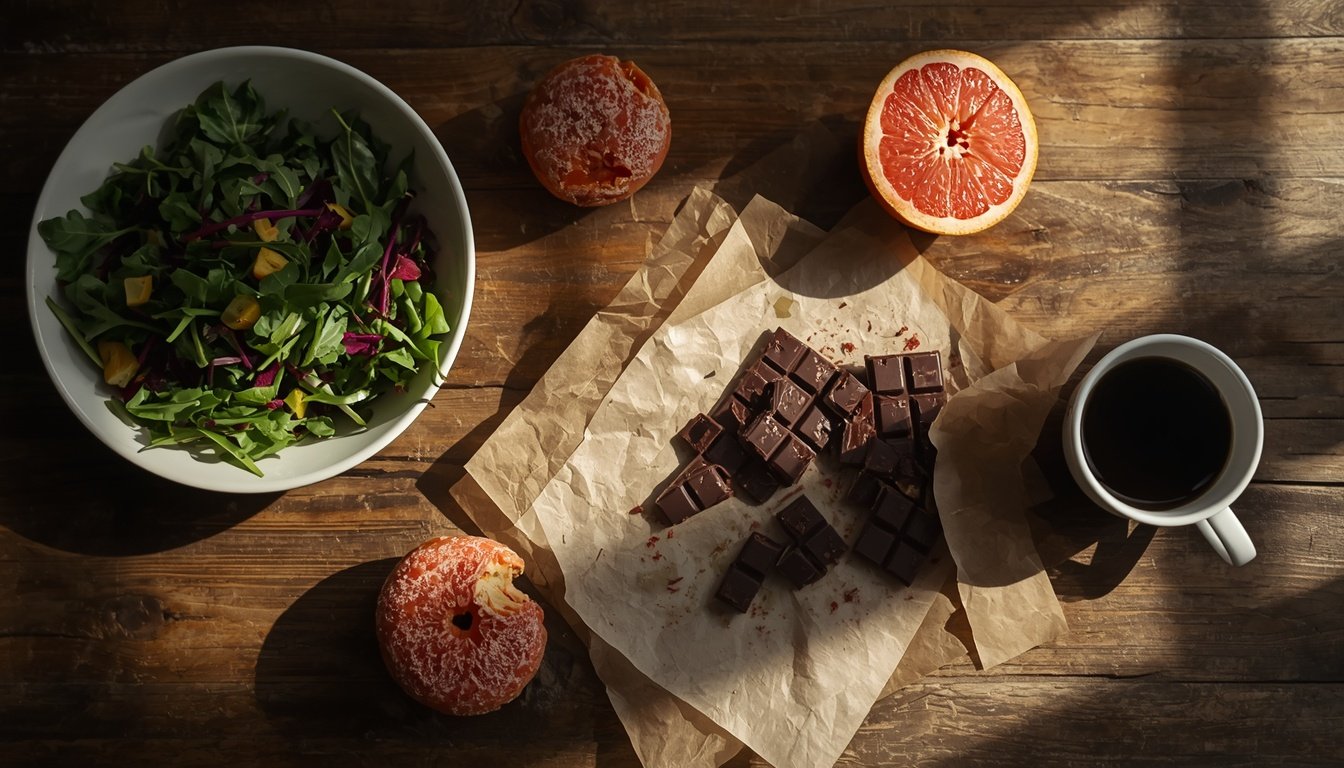
7 Bitter Foods That Kill Sugar Cravings
You can use bitter foods to stop sugar cravings without relying on willpower. You’ve tried the cleanses. You’ve tried the apps. You’ve tried willpower, and willpower left the building by 3 p.m. Now someone wants you to eat more bitter food. You’re rolling your eyes. Good. Stay skeptical, because this idea has to earn your trust.
Table of Contents
Can Bitter Foods Really Stop Sugar Cravings?
Bitter foods can help reduce sugar cravings by retraining your taste buds. When you swap sweet or bland ingredients for bitter ones like arugula, dark chocolate, or black coffee, you eat less sugar, and after a few weeks your preferred level of sweetness often drops. The research is early, but the arithmetic is simple.
Why You’re Right to Doubt This Sugar Craving Fix
Let’s be honest about the wellness world. It sells a new miracle food every year, and most of them fade by spring. You’ve heard “superfood” a hundred times. You’ve bought the powder. It’s still in the cupboard.
So I won’t promise a miracle. I won’t tell you one leaf will melt fat or fix your gut. I’ll make a smaller claim, and it’s harder to argue with. Your taste buds can change, and bitter swaps are one of the fastest ways to change them.
That’s it. No detox. No secret. Just a simple swap, a bit of biology, and a result you can test in your own kitchen in about two weeks. If it fails, you lose a few dollars of arugula. If it works, you change how you crave food for good.
What Is a Bitter Ingredient Swap?
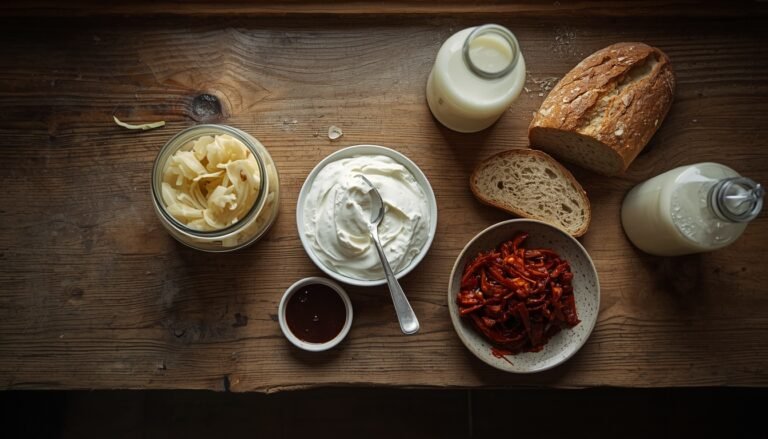
A bitter swap means replacing a sweet or bland ingredient with a bitter one in a meal you already eat. You don’t add a new meal. You don’t add a new rule. You change one item.
Easy Bitter Food Swaps to Reduce Sugar
- Arugula instead of iceberg lettuce in your sandwich (try one of these arugula salad recipes)
- 85% dark chocolate instead of milk chocolate
- Unsweetened cocoa in your oatmeal instead of a spoonful of sugar
- Radicchio or endive in your salad instead of sweet dressing on bland greens
- Grapefruit instead of orange juice
- Black or lightly sweetened coffee instead of a flavored latte
- Broccoli rabe instead of plain pasta on the side
- Dandelion greens or kale sautéed in garlic instead of a sugary side (here are some easy sautéed greens recipes)
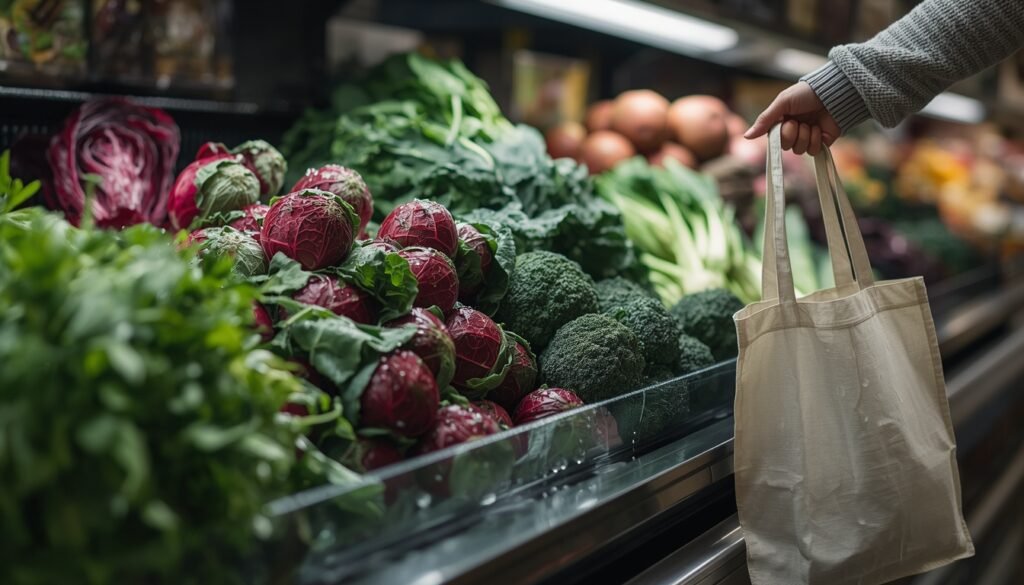
None of these is exotic. You can buy all of them at a normal grocery store. Notice what they share. Each one adds flavor without adding sugar. That matters more than it sounds. Most processed food leans on sweetness to hide how bland it is. Bitter food doesn’t need a disguise.
It also matters because most of us eat far more sugar than we think. The American Heart Association recommends no more than 25 grams of added sugar a day for most women and 36 grams for most men. One flavored latte can use up most of that.
What Does the Science Say About Bitter Foods and Health?
Let’s separate what we know from what we hope.
Start with the strongest ground. Bitter vegetables are some of the most studied foods on earth. Leafy greens and cruciferous vegetables like broccoli, kale, and arugula show up again and again in large studies of healthy eating. People who eat more of them tend to have better long-term health. That’s association, not proof. But the pattern holds across many groups of people. If broccoli is still a hard sell in your house, start with roasted broccoli. Heat takes the edge off.
Now look at the bitter taste itself. Your body has bitter taste receptors in your mouth, and it also has them in your gut. Early lab work and small human studies suggest the gut receptors may help trigger fullness hormones. Researchers are still working out how big the effect is, so I won’t oversell it. But the direction is clear. The research points toward bitter foods helping you feel satisfied, not hungry.
Here’s another solid piece. Dark chocolate and cocoa contain flavanols, plant compounds studied for their effects on blood vessels. The more bitter the chocolate, the less sugar it holds. Coffee tells a similar story. Large studies link regular coffee drinking with lower rates of type 2 diabetes. In one Harvard School of Public Health analysis, people who raised their coffee intake by more than a cup a day had an 11% lower risk of type 2 diabetes over the next four years. Again, that’s a link, not a guarantee, and the research is about black or lightly sweetened coffee, not caramel lattes. Need ideas? Browse these healthy coffee drinks.
And here’s the simplest logic of all. Every bitter swap removes sugar or refined carbs from a meal. You don’t need a clinical trial to confirm that. If you swap a candy bar for a square of dark chocolate, you ate less sugar. That’s arithmetic. For a deeper look at what excess sugar does to the body, Harvard Health’s overview of added sugar and heart health is worth your time.
Can You Retrain Your Taste Buds to Crave Less Sugar?
Yes, and this is the heart of the argument. It’s also the part critics skip.
Humans are born liking sweet. That’s built in. Babies lean toward sweet and away from bitter. But preference is not destiny. Taste adapts.
Think about the first time you tried black coffee. It tasted awful. Now you can’t start the day without it. Think about beer. Think about IPA. Think about olives. Almost nobody loves these on the first bite. That’s not a flaw in you. That’s how taste works. Your brain learns that bitter often comes with something good.
The research backs this up. Studies on reducing sugar show that people who cut back for a few weeks often start to find sweet foods too sweet. Their preferred level of sweetness drops. Mayo Clinic dietitian Katherine Zeratsky makes the same point in a short Mayo Clinic Minute on resetting your taste buds. Cutting back on sugar trains your palate to notice the natural sweetness already in real food. Research on kids shows something similar. When children get repeated, low-pressure tastes of a vegetable, many learn to accept it. It often takes eight to ten tries.
Here’s what that means for you. The first few bites of radicchio will taste harsh. That’s normal. That’s the cost of learning. By week two, your brain stops flinching. By week four, you may notice something odd. A cookie that used to taste fine now tastes like pure syrup. That’s the shift. You haven’t gained willpower. You’ve changed the target.
If you want the bigger picture on why sugar is so hard to quit, this widely viewed lecture from University of California Television is a good place to start:
Why Willpower Fails Against Sugar Cravings (and Swaps Don’t)
Most diets die because they run on willpower. Willpower is a battery. It drains every time you say no.
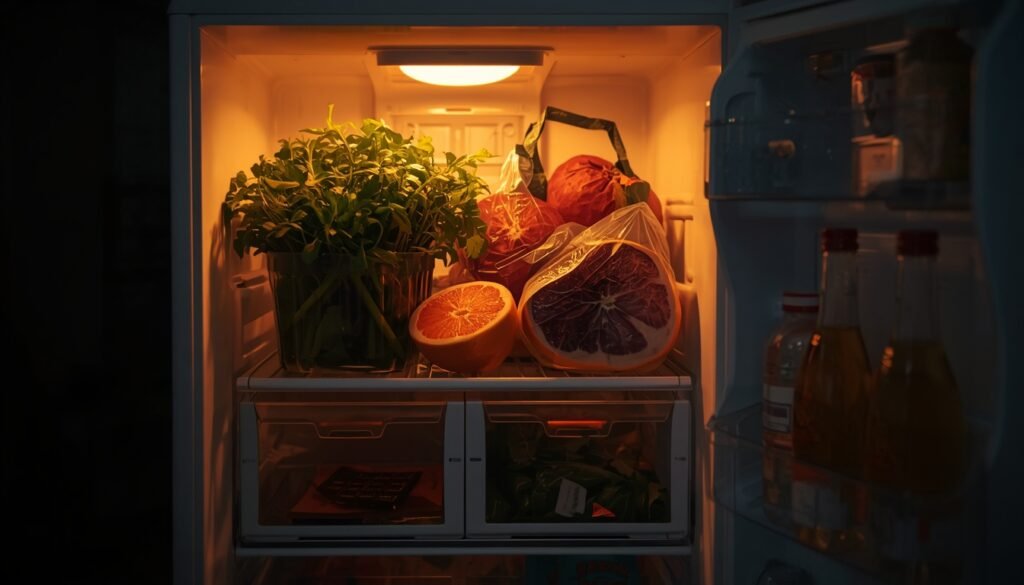
A swap works differently. You decide once, at the store. After that, no decision is left. Picture it. You open the fridge, and the arugula is already there. Your sandwich already has it. You don’t fight a craving, because the craving never gets a vote.
That’s the quiet power of a swap. It moves the battle from the moment of weakness to the moment of strength.
Think about the person you are at the grocery store. You’re calm. You’re rested. You make decent choices. Now think about the person you are at 9 p.m. on a bad day. That person doesn’t need a lecture. That person needs a kitchen that’s already set up to help. Bitter swaps build that kitchen.
Why Sugar Cravings Feel Like Failure (and How to Take Back Control)
Here’s what the skeptics miss. This isn’t really about food.
If you’ve struggled with cravings for years, you know the shame. You know the “I’ll start Monday” loop. You know the quiet voice that says you’re weak. You’re not weak. You’ve been fighting a food system built to beat you. Sweetness is cheap. Companies put it in bread, sauce, yogurt, and “healthy” granola bars. Your palate got trained, and nobody asked your permission.
Bitter swaps are a way to take that training back. That’s why people who try them often talk about it in strange terms. They don’t say “I lost weight.” They say “I feel like I’m in charge again.” That feeling is real. It’s the emotional core of this idea.
And here’s the part that stings a little. Most of us already know bitter food is good for us. We just assumed we couldn’t like it. We were wrong. Millions of people already learned to like it, with coffee, dark chocolate, and greens. You’re not being asked to become a different person. You’re being asked to finish something your taste buds were always able to do.
Your First Week: 3 Bitter Food Swaps to Reduce Sugar Cravings
Don’t change everything. That’s how people quit. Pick three swaps. Do them for seven days. That’s the whole plan.
Swap your lettuce. Use arugula instead of iceberg or romaine on sandwiches and salads. Add a squeeze of lemon and a pinch of salt. These soften the bite.
Swap your chocolate. Move up the cocoa scale slowly. If you eat milk chocolate, try 60%. Then 70%. Then 85%. Unsweetened cocoa stirred into a low-sugar breakfast is an easy way in.
Swap your drink. Cut the sugar in your coffee by a third. Then by half. Or trade one sweet drink a day for sparkling water with grapefruit.
How to Make Bitter Foods Taste Better
- Pair bitter foods with fat, like olive oil, cheese, or avocado.
- Add salt. A little salt cuts bitterness fast.
- Add acid. Lemon juice and vinegar balance harsh flavors.
- Roast or sauté greens. Heat mellows the bite.
These are not diet tricks. They’re what good cooks have done for centuries. Italians have eaten bitter greens with olive oil for generations, and it’s no accident.

Kitchen Staples for Your Bitter Swaps
These are the basics that make the first two weeks easier. As an Amazon Associate, we earn from qualifying purchases at no extra cost to you.
- 85% dark chocolate bars. Pick ones with short ingredient lists. They work as your nightly square instead of a candy bar.
- Unsweetened cocoa powder. Stir a spoonful into oatmeal or coffee for a bitter, chocolatey hit with no added sugar.
- Extra virgin olive oil. This is the fat that turns harsh greens into something you want to eat.
- Salad spinner. Wash arugula and radicchio once, store them dry, and your swap is ready all week.
- Arugula and microgreen seed kit. Fresh arugula grows fast on a windowsill and costs pennies per salad.
- Sparkling water maker. Add grapefruit slices for a sweet-drink replacement you’ll actually reach for.
How to Tell If Bitter Swaps Are Reducing Your Sugar Cravings
You don’t need a scale. You need three signs.
First, bitter foods taste less harsh than they did on day one. Second, your usual sweet snack tastes sweeter than it used to. Third, you reach for it a little less often.
That’s the proof. It shows up in your own mouth, not in a study. If none of those happen after three or four weeks, stop. You lost almost nothing, and you learned something about yourself. That’s a fair test, and I’d welcome it. But I’d bet you’ll notice a change. Most people do when they stick with it.
One note on trust: this article is general food information, not medical advice. If you have diabetes, take medication that affects blood sugar, or have a history of disordered eating, talk with your doctor or a registered dietitian before you change how you eat.
Frequently Asked Questions About Bitter Foods and Sugar Cravings
What are the best bitter foods for sugar cravings?
The easiest bitter foods to start with are arugula, radicchio, endive, kale, broccoli rabe, dandelion greens, grapefruit, black coffee, unsweetened cocoa, and dark chocolate that’s 70% cocoa or higher. They’re all sold at normal grocery stores. Each one adds flavor without adding sugar.
How long does it take to retrain your taste buds?
Most people notice that bitter foods taste less harsh within one to two weeks. Many find that sweet foods taste noticeably sweeter after three to four weeks of eating less sugar. Results vary, so give it a full two weeks before you judge.
Is dark chocolate good for sugar cravings?
Dark chocolate can help because it’s less sweet and more bitter than milk chocolate, and a small square often satisfies the urge for something sweet. The higher the cocoa percentage, the less sugar it contains. Portion still matters, since dark chocolate is calorie-dense.
Does black coffee help reduce sugar cravings?
Black coffee is a bitter swap for sweetened coffee drinks, and it removes added sugar from your day. Large studies link regular coffee drinking with a lower risk of type 2 diabetes, but those findings are about plain or lightly sweetened coffee, not sugary lattes.
How do you make bitter greens taste less bitter?
Pair them with fat like olive oil, cheese, or avocado. Add a pinch of salt, which cuts bitterness quickly. Add acid like lemon juice or vinegar. Roasting or sautéing also mellows the bite.
Are bitter foods safe for everyone?
Bitter vegetables are safe for most people. If you take blood thinners like warfarin, talk to your doctor before adding a lot of leafy greens, since vitamin K can affect how the medication works. If you have diabetes or a history of disordered eating, check with a healthcare professional before changing your diet.
Stop Sugar Cravings This Week With One Bitter Swap
Sugar cravings don’t lose to people who white-knuckle them. They lose to people who change what’s in the fridge. So stop negotiating with yourself. On your next grocery run, buy a bag of arugula or a bar of 70% dark chocolate, use it every day for fourteen days, and tell a friend what you noticed on day fifteen.